




Plow Blade Edge Angle and Scraping Performance
How plow blade edge angle decides scraping performance: the interaction with down-pressure and speed, fitment limits and the evidence to request.
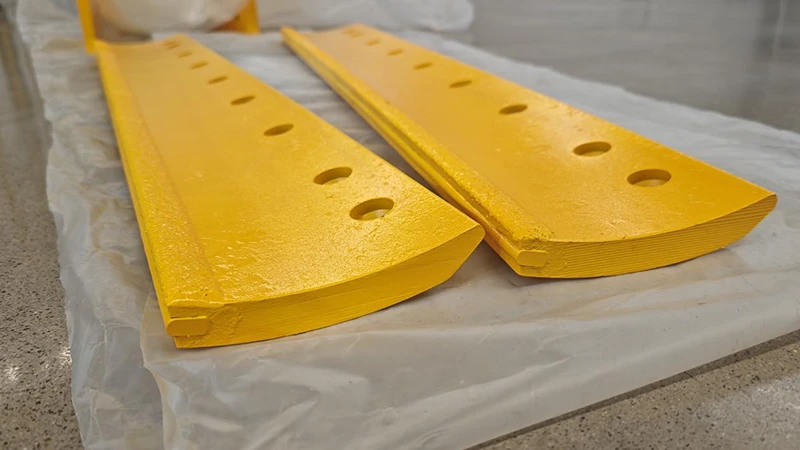
Edge angle is the specification point most often left to the supplier and most often blamed when a blade stops clearing. It governs how aggressively the edge bites, how much material is left behind by the time a pass is finished, and how quickly the carbide behind the leading face wears once contact is established. Getting it right is not a matter of finding a single best angle; it is a matter of matching the angle to the surface, the carrier and the down-pressure available.
Which Plow Blade Edge Angle Specifications Decide Scraping
Angle, thickness and down-pressure decide scraping together.
The edge angle sets the direction the cutting force acts in, thickness sets the reserve behind that face, and available down-pressure determines whether the edge engages the surface at all. Specified without the other two, an angle value describes very little.
A steeper angle presents a more robust leading face, which protects the carbide and holds a clean wear line longer, at the cost of scraping less aggressively. A sharper angle bites harder into hard-packed surfaces and loses material faster. Where those two tendencies meet depends on the surface: a sharp angle on a smooth, dry, wind-packed route produces good clearing; the same angle on a route with embedded debris chips the leading face.
The values that matter in a specification are the angle as drawn, the tolerance held on it, and the measurement method used to check it in the shop. Measurement matters because blade angle is easy to assess incorrectly. The procedure for checking an edge in the shop is covered in the blade angle measurement guide, and it is worth requiring that a supplier states how the angle is verified before shipment.
How Edge Angle Interacts With Down-Pressure and Speed
An angle that needs more weight is the wrong angle.
Scraping depends on contact pressure, which is force divided by contact area. A steeper angle that spreads contact without changing available weight reduces pressure at the surface, so the operator adds down-pressure or speed to compensate, and that compensation accelerates wear elsewhere.
The interaction explains a pattern fleets often misread. A blade fitted with a steeper edge starts the season clearing well and gradually stops, which is attributed to wear. In practice the edge is wearing into a shape that needs more pressure than the carrier supplies, and the wear rate rises as the compensation continues. The same change on a heavier carrier with down-pressure to spare produces a different outcome, which is why the same angle cannot be specified across a fleet of different plow classes.
Speed adds a second effect. Higher plow speed increases the rate at which the edge meets surface irregularities and therefore the shock load each contact produces. On routes where speed is set by traffic rather than by the operator, an angle that is tolerant of shock is more useful than one optimised purely for penetration. Assessing both together is what the structured approach in the blade selection guide is designed to support.
Grade, Geometry and Material Choices Around Edge Angle
The angle and the material have to be chosen together. A sharper edge angle concentrates load on a smaller area of carbide, which raises the demand on the material’s toughness; a steeper angle spreads that load and tolerates a harder grade. SENTHAI engineers the hardness and toughness balance against specific service conditions using hardness on the HRA scale together with carbide grain size, which allows the grade to follow the geometry rather than being chosen independently of it.
Thickness interacts with angle in the same way. Where a thicker edge is specified to add wear reserve, the angle usually needs revisiting at the same time, because the additional material changes where the edge contacts the surface. A specification that changes one without the other produces predictable complaints: the blade lasts longer but clears less well at the end of the interval, when the effective geometry has drifted furthest from the original.
Production control is what keeps those relationships stable across orders. SENTHAI manufactures in Rayong, Thailand, in a US-invested plant using non-China raw materials, with an in-house chain from wet grinding and robotic pressing at up to 500 tons through vacuum and low-pressure sintering, automated high-temperature induction brazing and finishing. Where the edge angle is ground and the carbide is brazed in the same facility, the geometric relationship between them can be held to a stated tolerance rather than negotiated between suppliers.
Fitment and Tolerance Requirements for an Angled Edge
An angled edge still has to fit an existing pattern. SENTHAI validates fitment against AASHTO and DIN bolt patterns before release and works to plus or minus 0.02 mm dimensional tolerances on carbide components, with AASHTO published standards as the reference for agency specifications and DIN covering European and export conventions.
Two fitment consequences are specific to angle. First, the seated height of the blade changes with the angle, which affects how the edge meets the surface once mounted and may require the shoes or skid settings to be reviewed. Second, an angle that is not held to tolerance across the working width produces uneven contact, and the resulting wear shows up as localised loss rather than as an even wear line. A tolerance stated only as a nominal value, with no band, cannot be checked.
Before ordering, measure the blade being replaced and record the pattern, the mounting hole condition and the seated height of the existing edge. Where the change in angle alters that height, confirm the effect with the supplier and check the equipment documentation; SAE standards for mobile machinery describe the interfaces those designs were built around.
Quality Evidence Behind an Edge Angle Claim
Angle is measurable, which makes it a straightforward item to verify. Ask for the dimensional inspection results for the shipment, including the angle and the tolerance band it was held to, and ask how the angle is checked in production. SENTHAI inspects and archives every batch, so those records are available on request; the quality control and traceability page describes what a batch record contains.
Two supporting documents are worth requesting. Grade data for the carbide behind the edge, referenced to a test method such as those published by ASTM, since the angle and the grade work as a pair. And a description of the brazing process and how bond integrity is controlled, because a sharper angle concentrates load at the joint as well as at the carbide face; background on the process is published by TWI.
Where a fleet needs to justify a change of angle to a manager who is not a maintenance specialist, operating context from the Federal Highway Administration on winter road management is a useful supporting reference, because it frames the decision in terms of road service levels rather than edge geometry alone.

Common Edge Angle Errors and Their Cost
The most frequent error is specifying an angle without the carrier. A steeper angle chosen from a route description alone can require more down-pressure than a lighter plow can supply, and the resulting shortfall in clearing is attributed to the blade. The second is changing thickness without revisiting the angle, which shifts the contact point and produces the same symptom from a different cause.
The third is accepting an angle without a tolerance. An angle quoted as a single value with no band cannot be inspected, and variation across the working width produces the localised wear patterns that fleets then attribute to material. The fourth is measuring the angle incorrectly in the shop and retiring an edge that is still within specification, or keeping one that is not. Using a consistent method and recording the result removes both outcomes.
Costs from these errors accumulate in the same place: an edge that is changed too early wastes material, and an edge that is kept too long increases passes and load on the machine. Both are avoidable with a specification that states the angle with its tolerance, pairs it with the grade and thickness, and records the measurement method.
Writing the Edge Angle Requirement Into a Tender
A tender should state the angle as a controlled dimension: the nominal value, the tolerance band, and the method by which it is verified. Add the thickness at the cutting edge, the grade requirement with its properties, the mounting pattern with its reference standard, and the documentation to be supplied with each delivery. Where the fleet runs several vehicle groups, state the angle specified for each rather than a single fleet value.
Where the programme is publicly funded and the requirement references a published pattern, citing the AASHTO standards relevant to the pattern and requiring a declaration of conformity keeps offers comparable. One clause is worth writing explicitly: require the supplier to state, in the bid, the angle and tolerance they will produce, so the accepted offer names the geometry rather than describing a capability.
Edge angle sets the direction of the cutting force, and its effect depends on thickness, grade and the down-pressure the carrier can supply. Any one of the four specified alone produces a result that cannot be explained by the specification.
State the angle with a tolerance and a measurement method, pair it with the grade and the pattern, and record the readings in service. A change of angle is then a deliberate specification decision with evidence behind it, rather than a variable nobody controls.
Send SENTHAI your plow classes, route surfaces and current edge dimensions, and the technical team will review the angle, thickness and grade combination for each group.
Frequently Asked Questions
Is there one optimal cutting edge angle for a snow plow blade?
No single value suits every application, because the angle trades penetration against protection and the balance depends on the surface, the grade and the down-pressure available. Steeper angles protect the carbide and hold a wear line longer; sharper angles clear hard-packed surfaces more aggressively and wear faster. Specify the angle against the route and the carrier rather than adopting a general rule.
How is blade edge angle measured correctly?
Measure against a consistent datum with the blade supported the same way each time, and record the method with the result so readings remain comparable. Using different reference points between checks makes the numbers meaningless. A documented method also allows a supplier’s inspection result and the fleet’s own reading to be compared, which matters where a dimensional question arises.
Does changing edge angle affect anything else on the plow?
It can. The seated height of the blade changes with the angle, which affects how the edge meets the surface once mounted and may require the shoes or skid settings to be reviewed. Check the mounting interface, the shoes and the seated height as part of any angle change, and confirm the effect with the supplier rather than assuming the existing settings will remain correct.
Should the edge angle be specified separately for each truck group?
Yes, where the groups differ in carrier class or route type. A single angle across a mixed fleet forces a compromise that suits neither the light duty trucks nor the heavy routes. Group the fleet by pattern and down-pressure, specify an angle for each group, and record the results separately so that the following season’s decision is based on comparable data.
Related articles
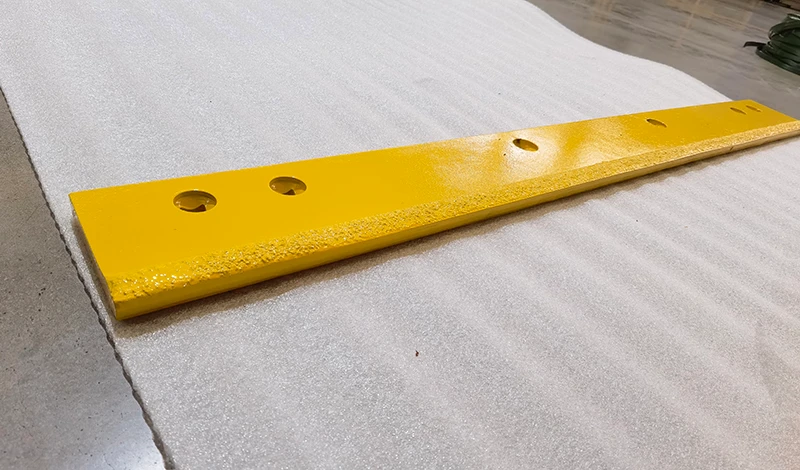 Carbide Edge Installation: Torque, Sequence and SeatingCarbide snow plow blades
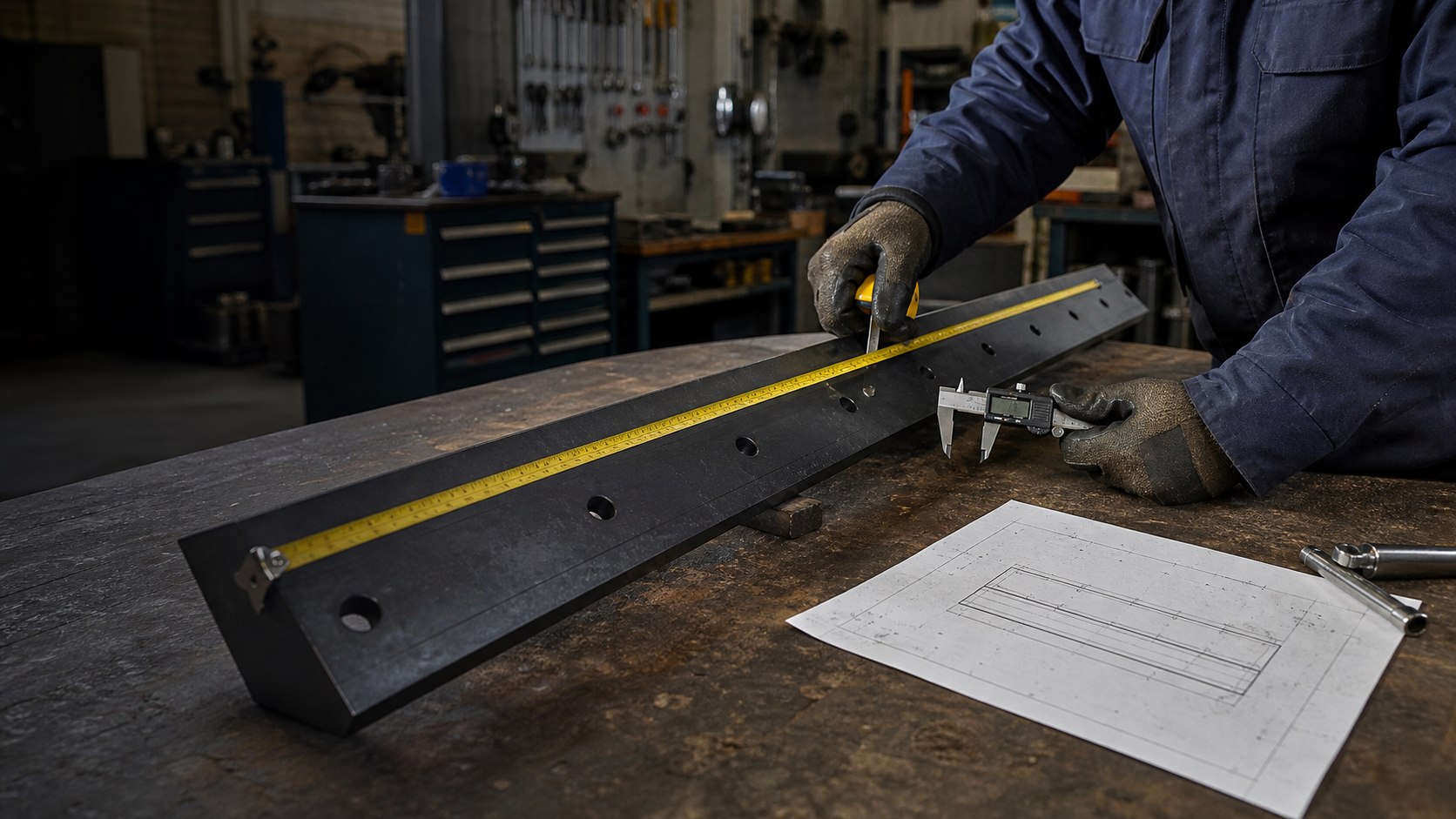 Carbide Blade Fitment: Matching Patterns Across Common Plow MakesCarbide snow plow blades
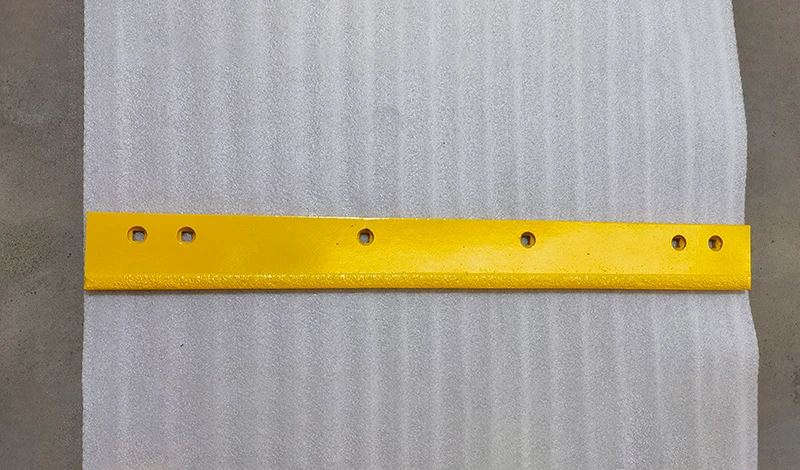 Heavy Duty Carbide Blade Profiles: How They Compare With Standard EdgesCarbide snow plow bladesCarbide vs Steel Plow Edges: Cost Per Mile ComparedCarbide snow plow blades