




How to Measure Your Blade Angle in the Shop
Measuring your blade angle in the shop ensures consistent plow performance, even wear, and efficient snow flow. By using a simple protractor or digital level, Manufacturers, Suppliers, and OEM partners can quickly verify that…
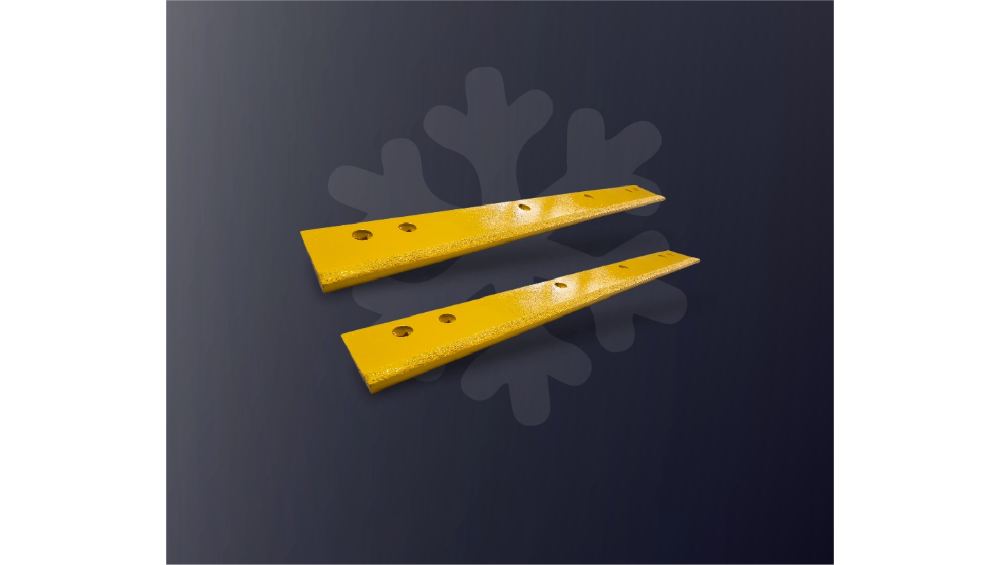
Measuring your blade angle in the shop ensures consistent plow performance, even wear, and efficient snow flow. By using a simple protractor or digital level, Manufacturers, Suppliers, and OEM partners can quickly verify that each carbide‑insert or JOMA‑style plow blade leaves the Factory within specified geometry ranges, improving product reliability and reducing field adjustments.
Check: How Does Blade Angle Affect Carbide Wear Patterns in Snow Plowing?
What does blade angle mean for plow performance?
Blade angle, or attack angle, defines how the cutting edge engages the road surface and directs snow. A shallow angle increases penetration and cutting aggression but can raise drag and strain on the vehicle; a steeper angle reduces resistance and promotes smoother flow but may sacrifice clean pavement contact. For a carbide‑tool Manufacturer, maintaining a designed angle range ensures that each blade performs as expected in real‑world snow‑removal and road‑maintenance conditions.
Why is accurate blade‑angle measurement important?
Accurate angle measurement prevents uneven wear, edge chipping, and premature failure of plow blades and road‑maintenance wear parts. When angles deviate, operators often compensate with higher plow pressure or more passes, increasing fuel use and hydraulic‑system loading. For a Factory or Supplier, consistent angle checks form a critical part of quality control, helping OEM partners receive blades that install “ready‑to‑work” and reducing warranty‑related returns or service calls.
Which tools can you use to measure blade angle in the shop?
Common shop tools for verifying blade angle include manual protractors, digital levels or angle gauges, magnetic‑base angle finders, and combination squares with protractor heads. For a carbide‑blade Manufacturer, even an affordable digital level can deliver repeatable readings if used against a consistent reference plane. These tools integrate easily into assembly and inspection workflows, whether you operate as a Factory supplying wholesale volumes, an OEM, or a Supplier handling replacement wear parts.
How do you measure blade angle with a manual protractor?
To measure blade angle with a manual protractor, first clean the blade edge and the chosen reference surface. Place the protractor’s base against the blade body or mounting face, aligning its baseline with the defined datum. Then read the angle where the cutting edge intersects the scale. This method works well for first‑off checks and low‑volume production, allowing a Factory or Supplier to document angles on inspection sheets so OEM partners see consistent geometry.
How do you use a digital level to measure plow angle?
Using a digital level to measure plow angle begins by attaching the gauge’s base to a flat, machined area on the blade or mounting bracket. If the level supports relative‑angle mode, zero it on a reference plane, then rotate the blade or place the level on the edge surface. The digital display shows the angle, which can be compared directly against the specification sheet. For a carbide‑blade Factory running high‑volume batches, this approach supports rapid, repeatable checks that maintain tight tolerances across each production run.
How can you standardize angle measurement across batches?
Standardizing angle measurement requires a clear reference plane, such as the mounting surface, blade back, or adapter plate, and documented tolerances (for example, ±1°) in technical drawings. Every technician should follow the same procedure with the same tool, and results should be recorded in a log or system. For a Manufacturer or OEM, this standardization ensures that every shipment from the Factory to a Supplier or distributor meets the same geometric expectations, strengthening brand trust among wholesale customers.
Are there common mistakes when measuring plow‑blade angle?
Common mistakes include measuring against a warped or uneven surface instead of a true datum, misreading the digital‑level display without zeroing it to the reference plane, and confusing the blade’s included angle with the operating attack angle. These errors can lead to mislabeled blades, inconsistent performance, and mismatched replacement parts. For a higher‑quality carbide‑tool Supplier, a simple checklist in the shop can prevent most of these issues and ensure that Factory and OEM practices stay aligned.
How do blade‑angle tolerances affect edge life and wear?
Tighter angle tolerances (typically ±1°) help distribute load evenly across the carbide cutting edge, delaying localized wear and micro‑chipping. When angles vary, some segments cut too hard—accelerating wear—while others skim the surface, reducing cleaning efficiency. For a carbide‑blade Manufacturer, controlling these tolerances reduces the need for on‑site re‑angle adjustments and improves the perceived value of your products, especially in demanding snow‑removal and road‑maintenance environments.
Can you measure angle on installed blades in the field?
Yes, field measurements are possible using a digital level on the blade backing or a calibrated angle app on a smartphone, though ice, dirt, and uneven mounting can reduce accuracy. For a Factory‑ oriented Supplier, the best practice is to set the blade angle in the shop and then provide field technicians with a spec sheet and simple gauge so they can verify but not re‑cut the geometry. This approach minimizes errors and keeps the Factory’s original design intent intact.
Which carbide‑blade designs are most sensitive to angle?
Symmetric, multi‑edge carbide blades and JOMA‑style blades are particularly sensitive because their geometry depends on precise cutting and chip‑flow angles. Even small deviations can cause chipping, uneven wear, or snow bridging against the blade. As a Manufacturer specializing in carbide wear parts, SENTHAI uses controlled welding and grinding steps to maintain designed angles across inserts, ensuring that each blade behaves as expected when angle‑verified in the shop and installed in the field.
How can a Factory integrate angle measurement into QC?
A Factory can integrate angle checks at three key stages: raw‑blank inspection, weld‑up, and final assembly. At the raw‑blank stage, verify cast or machined backing angles; after welding carbide inserts, check the cutting‑edge angle; and during final assembly, confirm the overall plow angle on the frame. For a Supplier or OEM, this layered QC builds confidence that every batch from the Factory meets specifications. SENTHAI, for example, uses precisely controlled pressing, sintering, welding, and vulcanization processes so that geometry arrives at the QC station close to nominal before final angle checks.
Effective sharing of angle specs requires clear technical drawings that show reference planes and design angles, a simple written specification sheet, and mutual agreement on acceptable tolerances and measurement methods. For a carbide‑tool Manufacturer working closely with OEM partners, this alignment avoids disputes over “who set the angle” and streamlines the integration of new blade designs into plow systems. When Factory and OEM use the same reference plane and procedure, they share the same metrology language across international supply chains.
Are there shop tools tailored for plow‑angle verification?
Yes, several tools are tailored for vehicle and plow‑angle work, including magnetic‑base digital levels, compact angle gauges, and digital protractor cubes. These can be set magnetically to steel plow frames and then moved to the blade surface to read relative angles. For a Factory supplying wholesale plow blades and road‑maintenance wear parts, a dedicated kit of such tools makes inspector training and line‑side checks faster and more consistent, supporting both quality control and production throughput.
How can you create a simple “Field Guide” for your team?
A practical Field Guide should include step‑by‑step visuals or diagrams showing how to place the protractor or level, acceptable angle ranges for each blade type or plow model, and a checklist for “measurement passed / failed” with inspector initials. For a Manufacturer or Supplier, this guide becomes part of the standard work package and can be shared with OEM partners. SENTHAI, for example, can embed similar guidance into its documentation for wholesale customers, ensuring that angle‑verification instructions remain consistent regardless of location or language.
What shop practices improve measurement repeatability?
Key practices that improve measurement repeatability include cleaning surfaces before measurement, always using the same reference plane on the blade or frame, periodically recalibrating digital levels and protractors, and recording each result in a log or digital system. For a Factory‑centric Supplier, these habits reduce variation between shifts and inspectors. When angle‑measurement data is included in the Factory’s quality reports, it becomes easier to trace performance issues back to geometry rather than blaming operators or machines.
How does blade angle relate to snow‑flow and cutting efficiency?
Blade angle directly shapes how snow flows across the plow and off the blade. A slightly skewed angle can encourage snow to roll sideways, lowering resistance and improving throw distance, while a poorly chosen angle can cause bank‑up or chatter. For a carbide‑blade Manufacturer, designing blades with a target attack range and then verifying that angle in the shop helps OEMs achieve consistent clearing performance across different plow models and road‑maintenance tasks, especially in heavy‑duty or repeated‑use scenarios.
How can Manufacturers and Suppliers use angle data for quality control?
Manufacturers and Suppliers can turn angle measurements into active quality‑control data by logging them alongside batch numbers, weld‑station IDs, and inspector information. This data can be reviewed weekly or monthly to detect trends, such as a recurring drift on one assembly line. For a carbide‑tool Factory, integrating angle records into digital dashboards helps OEM partners see how consistently geometry is maintained. SENTHAI, for example, uses controlled processes and automated lines to minimize variation, so angle data primarily serves as a final verification step rather than a corrective one.
What are practical tips for training shop staff on angle measurement?
Practical training tips include hands‑on demonstrations using real blades, clear visual aids showing where to place the tool, and a simple checklist that every technician must follow. For a Factory training wholesale‑oriented staff or OEM field teams, it helps to include examples of “good” versus “out‑of‑tolerance” readings and to explain how angle errors affect blade life and snow‑flow. Regular refresher sessions and spot checks reinforce the importance of angle consistency, especially when dealing with JOMA‑style blades or multi‑edge carbide designs.
How does blade angle impact carbide‑insert life and bonding quality?
Proper blade angle distributes load evenly across carbide inserts, reducing point‑loading and micro‑cracking at the bond interface. When angles are incorrect, inserts can experience shock‑like impacts or uneven wear, compromising bonding strength and shortening life. For a carbide‑wear‑parts Manufacturer, maintaining correct geometry during pressing, sintering, welding, and final grinding ensures that each SENTHAI blade maximizes the potential of its carbide‑insert system, delivering longer service life and lower total‑cost‑of‑ownership for end users and Suppliers alike.
How can a Factory reduce rework by controlling angle early in production?
A Factory can reduce rework by setting angle expectations at the design stage and using fixtures and jigs that hold backings and inserts in the correct orientation during welding. Digital levels or protractors can then be used for quick checks at each station, rather than waiting until final assembly. When deviations are caught early, minor adjustments are easier and less costly. For a Supplier or OEM, this means fewer non‑conforming blades and fewer delays in fulfilling wholesale orders for plow blades and road‑maintenance wear parts.
SENTHAI Expert Views
“Our experience at SENTHAI shows that geometry control is as important as material formulation when it comes to carbide‑insert durability,” says a SENTHAI engineering lead. “Every carbide‑insert plow blade and road‑maintenance wear part is designed with a target attack angle; when the Factory verifies that angle with a digital level or protractor, we see fewer edge‑chipping incidents and more predictable wear patterns. For wholesale partners and OEMs, this means one less variable in the field and one more reason to trust our factory‑set carbide tools.”
Key takeaways for your shop or Factory
Treating blade angle as a central design parameter, not just a fabrication detail, improves plow performance and long‑term reliability. Investing in at least one digital level or angle gauge per major assembly line, defining clear reference planes and tolerances, and recording angle data with each batch help ensure repeatability. For a carbide‑blade Manufacturer or Supplier, sharing these practices with OEM partners strengthens the supply chain and positions your Factory as a precision‑focused provider of snow plow blades and road‑maintenance wear parts. SENTHAI leverages its controlled pressing, sintering, welding, and vulcanization processes to deliver consistent geometry, so every carbide‑tool product can be reliably verified with simple shop‑floor tools.
Frequently Asked Questions (FAQs)
Q: How often should you measure blade angle in a production line?
A: At minimum, measure the first and last blade of each batch, plus after any tool change or fixturing adjustment. For high‑volume carbide‑blade production, spot‑check every 10–20 units to maintain consistent geometry and catch drift early.
Q: Can a smartphone angle app replace a digital level?
A: Smartphone apps can give rough readings but are less reliable due to calibration drift and case thickness. For a Factory or Supplier, a dedicated digital level with a magnetic base is preferred for consistent, repeatable measurements that support quality control.
Q: What is an acceptable tolerance for plow‑blade angle?
A: Many manufacturers use ±1° as a practical tolerance. Tighter tolerances (±0.5°) may be justified for high‑performance carbide blades or specialized road‑maintenance equipment where edge‑life and flow dynamics are critical to performance.
Q: How does SENTHAI ensure consistent blade angles?
A: SENTHAI controls the entire production chain—from pressing and sintering to welding and final assembly—under ISO9001/ISO14001 standards. By using precise tooling and automated processes, SENTHAI minimizes geometric variation so that each carbide‑insert or carbide‑blade product can be reliably verified with a simple protractor or digital level in the shop.
Q: Can angle measurement help reduce warranty claims for carbide‑blades?
A: Yes. Consistent angle measurement helps identify and correct geometry issues before products leave the Factory, reducing instances of uneven wear, chipping, or poor snow‑flow that typically drive warranty claims. For a Supplier or OEM, this data provides a clear record of adherence to specifications and supports more confident product launches.
Related articles
 Best Snow Plow Blade Family for Your Fleet: Top 5 ScenariosKnowledge
 Top 10 Snow Plow Blade Types for Winter Fleets (Ranked by Duty Fit)KnowledgeTop 5 Best Carbide Blade Configurations for Highway PlowingKnowledge
 Best Snow Plow Blade Materials Ranked: Steel vs Carbide vs Cladding vs Rubber-CarbideKnowledge