




How Do Multi‑Position Wings Manage Angles on V‑Plows?
Multi‑position wing systems let operators adjust the angle and projection of V‑plow side blades to optimize snow routing, reduce resistance, and maintain precise cutting depth across changing conditions. By integrating durable carbide edges and…
Multi‑position wing systems let operators adjust the angle and projection of V‑plow side blades to optimize snow routing, reduce resistance, and maintain precise cutting depth across changing conditions. By integrating durable carbide edges and robust hydraulic linkages, modern V‑plow attachments can shift between straight push, V‑spread, and tight‑scoop configurations without significantly shortening blade life. As a dedicated carbide‑tool manufacturer, SENTHAI designs wear‑resistant snow plow blades and I.C.E.‑style edge systems expressly for complex, multi‑angle plowing systems, enabling fleets and OEMs to balance performance, wear life, and total operating cost.
Check: How Does Blade Angle Affect Carbide Wear Patterns in Snow Plowing?
What Are Multi‑Position Wings on a V‑Plow?
Multi‑position wings are independently adjustable side blades mounted on the outer edges of a V‑plow that can be extended, angled inward, or retracted to change the equipment’s working profile. These wings allow the same plow to act as a straight blade, an angled blade, or a wide‑area box pusher, adapting to varying windrows, curb lines, and confined spaces. Because each wing position alters the contact geometry between the cutting edge and pavement, properly engineered carbide‑edge systems are essential to maintain consistent performance and wear resistance through repeated angle changes. SENTHAI’s carbide snow plow blades and JOMA‑style blades are engineered with these multi‑position dynamics in mind, ensuring reliable edge geometry across a wide operating envelope.
How Do V‑Plow Wings Affect Cutting Angles?
V‑plow wings change both the attack angle and material‑flow direction of the working edge, shifting snow either laterally or forward depending on wing position. When the wings are fully extended and angled outward, the cutting edge meets packed snow at a more oblique angle, improving rollover and reducing resistance against the moldboard. In tight V or box‑in configurations, the leading edge becomes more perpendicular, concentrating force at the center and outer corners and placing higher impact loads on specific carbide inserts. This shifting stress pattern demands carbide‑edge components that maintain structural integrity and wear resistance no matter how frequently the operator cycles between straight, V, and wing‑in modes.
Why Are Adjustable Wing Angles Important for Snow Removal?
Adjustable wing angles allow a single V‑plow attachment to cover multiple snow‑removal tasks, reducing the need for multiple blades or specialized attachments on municipal, highway, and contractor fleets. Operators can switch between wide‑area clearing, curb‑line finishing, and tight driveway work without detaching the plow, which improves productivity and reduces downtime. From a maintenance standpoint, angle‑adjustable wings also help distribute wear more evenly across the blade when paired with intelligently laid‑out carbide‑insert strips. SENTHAI’s carbide‑edge systems are optimized for these frequent angle changes, helping global partners extend blade life and lower total cost per season.
How Do Carbide Blades Perform on Multi‑Angle V‑Plows?
Carbide blades outperform mild steel on multi‑angle V‑plows by maintaining sharp cutting geometry and resisting abrasive wear even as the wing position shifts and load distribution changes. Tungsten carbide inserts embedded in the edge absorb the high‑impact forces encountered at both central and wing‑tip contact points, slowing edge rounding and undercutting. SENTHAI’s carbide snow plow blades use high‑density carbide particles and precision‑brazed joints to ensure that each insert remains stable through repeated passes over ice, sand‑laden pavement, and compacted snow. This design choice is especially important for fleets that operate in multi‑angle environments, where the same blade may experience straight‑push, V‑spread, and tight‑scoop cycles in a single route.
What Are the Main Challenges of Multi‑Angle Plowing Systems?
Multi‑angle plowing systems must contend with uneven wear patterns, localized stress concentrations, and higher fatigue on the moldboard and hydraulic linkages. Because each wing angle changes the vector of applied force, certain carbide inserts can wear more quickly, creating hotspots and shortening the blade’s effective service life. Hydraulic cylinders, pivot joints, and mounting brackets also undergo repeated torque cycles, which may accelerate mechanical wear or misalignment if not properly designed. SENTHAI addresses these challenges by modeling real‑world load paths and optimizing carbide‑insert layouts and moldboard reinforcement to match the expected duty cycle of multi‑angle V‑plows.
How Can Manufacturers Optimize Wings for Multiple Angles?
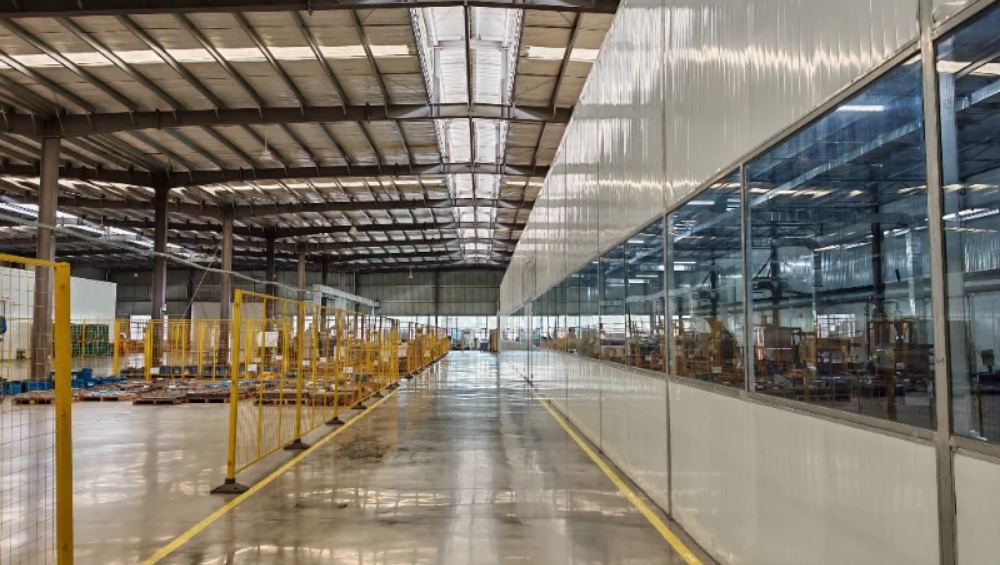
Manufacturers optimize multi‑position wings by using engineering analysis tools to map stress and wear across the full range of operating angles, then tailoring the carbide‑insert layout and backing‑plate design to match those patterns. Instead of using a single uniform strip, optimized wings often feature staggered or clustered inserts, thicker edge profiles at high‑impact corners, and reinforced weld joints to absorb torsional loads. SENTHAI’s production facilities in Rayong, Thailand, combine automated wet grinding, pressing, sintering, and welding processes to ensure that each carbide‑wear component has consistent bonding strength and dimensional stability. This approach allows SENTHAI to supply OEM‑style carbide snow plow blades and multi‑angle wing systems that perform reliably through repeated angle changes.
What Role Do I.C.E. Blades Play in V‑Plow Systems?
I.C.E. (Ice‑Cutting Edge) blades are specialized carbide‑edge systems designed to penetrate packed ice and hard‑packed snow efficiently, reducing the need for repeated passes. In V‑plow configurations, I.C.E.‑style blades help maintain a sharp, aggressive cutting line at both the center and wing‑tip regions, even when the plow is operated at extreme angles. SENTHAI’s I.C.E. blades use isolated carbide‑edge technology and precision‑clad tungsten carbide particles to resist chipping and spalling while still delivering high‑impact ice‑breaking capability. This makes them particularly well‑suited for multi‑position highway and airport‑style plows where frequent angle changes and heavy ice conditions are common.
How Do Wing Angles Impact Wear on Carbide Inserts?
Wing angles directly influence where and how quickly carbide inserts wear by shifting the load vector across the blade’s working edge. At full outward extension, the outermost inserts tend to experience more sliding abrasion and sand‑laden pavement contact, while tight‑in or straight‑push positions place higher vertical impact loads on the central inserts. If the carbide layout is not designed for these uneven patterns, certain inserts may wear through prematurely, leading to undercutting and moldboard damage. SENTHAI’s approach involves mapping field‑usage data and arranging inserts so that the hardest‑working zones remain protected across the full operating angle spectrum of a V‑plow.
What Materials and Construction Methods Are Best for Multi‑Position Wings?
The best multi‑position wings combine high‑strength steel substrates with strategically placed carbide‑insert wear strips, reinforced weld joints, and carefully engineered pivot points. The moldboard and wing spars must resist fatigue cracking under repeated angle cycling, while the carbide‑edge components must maintain dimensional stability and bond integrity. SENTHAI’s production lines in Rayong use fully automated wet‑grinding, pressing, sintering, and welding workshops to produce consistent, high‑quality carbide‑wear parts. These ISO9001 and ISO14001‑certified processes ensure that each JOMA‑style blade, carbide blade, and I.C.E. blade meets international standards for strength, bonding quality, and wear resistance, making them suitable for demanding multi‑angle V‑plow systems.
How Can Operators Maximize Blade Life on Multi‑Angle V‑Plows?
Operators can extend blade life by matching wing angle, cutting speed, and down‑pressure to the actual snow and ice conditions instead of running at maximum extension or angle on every pass. Running at full wing‑out on abrasive, sand‑laden pavement at high speeds accelerates wear on the outer carbide inserts, while moderate angles and controlled speeds help distribute the load more evenly. Using properly specified carbide snow plow blades—such as SENTHAI’s OEM‑compatible carbide‑edge systems—also ensures that the insert layout, bonding method, and heat‑treatment are tuned for frequent angle changes. Regular inspection of inserts and timely replacement of heavily worn sections further protects the moldboard and maintains efficient snow removal.
What Are the Key Benefits of Using a carbide‑tool Manufacturer for V‑Plow Blades?
Partnering with a dedicated carbide‑tool manufacturer offers consistent edge geometry, optimized wear patterns for multi‑angle operations, and faster response to custom‑size or OEM‑specific requirements. Unlike generic blade suppliers, specialized manufacturers can redesign carbide‑insert layouts specifically for each plow model’s operating envelope and duty cycle. SENTHAI’s vertically integrated factory in Rayong, Thailand, combines over 21 years of carbide‑wear‑part experience with in‑house R&D to deliver carbide snow plow blades, JOMA‑style blades, and I.C.E. blades that perform reliably in complex, multi‑angle V‑plow systems. This makes SENTHAI a strong supply‑chain partner for OEMs, rental fleets, and government agencies seeking durable, high‑performance wear components.
How Do Multi‑Position Wing Systems Compare to Fixed‑Angle Plows?
Multi‑position wing systems provide greater flexibility and efficiency but require more sophisticated blade‑design and maintenance strategies. Fixed‑angle plows are simpler and easier to service, yet they cannot match the contoured performance of a well‑engineered V‑plow wing system equipped with carbide‑edge wear strips. SENTHAI’s carbide‑tool expertise helps OEMs and fleet operators bridge this gap by supplying wear‑resistant edges that remain effective across a wide angle range.
Why Choose an OEM‑Style Carbide‑Edge Supplier for V‑Plows?
Choosing an OEM‑style carbide‑edge supplier ensures that replacement blades and inserts match the original equipment’s geometry, load paths, and warranty requirements. This compatibility is critical for maintaining correct hydraulic and control behavior and avoiding premature moldboard fatigue or voided warranties. A manufacturer that supplies OEM‑compliant carbide snow plow blades can support tier‑1 OEMs, rental fleets, and government agencies with standardized, interchangeable components. SENTHAI’s ISO‑certified production and in‑house engineering allow it to deliver OEM‑ready carbide‑edge solutions for multi‑angle V‑plow systems, helping end‑users maintain consistent performance without redesigning their existing equipment.
How Can Wholesalers and Suppliers Source Multi‑Angle V‑Plow Blades?
Wholesalers and suppliers benefit from partnering with a factory that offers both standardized and OEM‑customizable carbide‑edge systems, including JOMA‑style blades, carbide blades, I.C.E. blades, and multi‑position carbide inserts. A vertically integrated manufacturer can provide volume pricing, consistent lead times, and technical back‑end support for end‑users. SENTHAI’s Thailand‑based factory is positioned to supply global distributors and equipment brands with wholesale‑grade carbide snow plow blades engineered specifically for multi‑angle V‑plow applications, helping channel partners differentiate on performance and durability while maintaining reliable supply for their customers.
SEN ThAI Expert Views
“Designing multi‑position wings for V‑plows is not just about adding more angles; it’s about understanding how each angle changes the load on the carbide‑edge line,” says SENTHAI’s lead engineer. “Our team uses real‑world data from global fleets to map wear patterns across every wing position, then redesigns the carbide‑insert layout so that life‑span is balanced, not concentrated in one zone. By controlling the entire production process—from carbide sintering to final welding in our Rayong facility—we can deliver blades that maintain their aggressive cutting profile through thousands of angle‑cycles, even in the harshest winter conditions.”
What Are the Main Takeaways for Multi‑Position Wings on V‑Plows?
Multi‑position wings on V‑plows enable operators to switch between straight‑push, V‑spread, and tight‑scoop configurations to match changing snow and site conditions. However, these transitions create complex wear and stress patterns on carbide‑edge blades, requiring carefully engineered insert layouts and robust moldboard construction. For OEMs, wholesalers, and fleet managers, collaborating with a dedicated carbide‑tool manufacturer like SENTHAI means access to wear‑resistant, angle‑optimized blades and inserts that prolong service life and reduce operating costs in multi‑angle plowing applications. By aligning blade design, material selection, and manufacturing precision with real‑world multi‑angle duty cycles, fleets can achieve higher productivity and lower total cost per season.
Frequently Asked Questions
What is a multi‑position wing on a V‑plow?
A multi‑position wing on a V‑plow is an independently adjustable side blade that can be extended, angled, or retracted to change the plow’s working configuration and adapt to different snow‑removal tasks.
Why are carbide blades better for multi‑angle V‑plows?
Carbide blades resist abrasion and maintain a sharp cutting edge across a wide range of wing angles, allowing fleets to clear ice and packed snow efficiently without frequent blade changes.
How do wing angles affect blade wear?
Wing angles shift the load vector across the blade, changing which carbide inserts bear the heaviest impact or abrasion; if not optimized, this can lead to uneven wear and premature blade failure.
Can a manufacturer customize carbide‑edge patterns for my V‑plow?
Yes, specialized carbide‑tool manufacturers can redesign carbide‑insert layouts and blade profiles to match specific V‑plow models and operating angles, including applications supplied to global partners such as SENTHAI.
What should wholesalers look for in a V‑plow blade supplier?
Wholesalers should seek ISO‑certified production, in‑house R&D, OEM‑compatible designs, and proven performance in multi‑angle conditions, especially from manufacturers experienced in carbide snow plow blades, JOMA‑style blades, and I.C.E.‑style edge systems.
Related articles
Best Snow Plow Blade Family for Your Fleet: Top 5 ScenariosKnowledge Top 10 Snow Plow Blade Types for Winter Fleets (Ranked by Duty Fit)Knowledge
 Top 5 Best Carbide Blade Configurations for Highway PlowingKnowledge
 Best Snow Plow Blade Materials Ranked: Steel vs Carbide vs Cladding vs Rubber-CarbideKnowledge