




Top 10 Reasons Municipal Fleets Choose JOMA-Style Blades (Ranked by Benefit)
Municipal fleets do not buy blades for the sake of the blade; they buy for the budget, the service standard, and the complaints that arrive at city hall. The JOMA-style segmented blade has become…
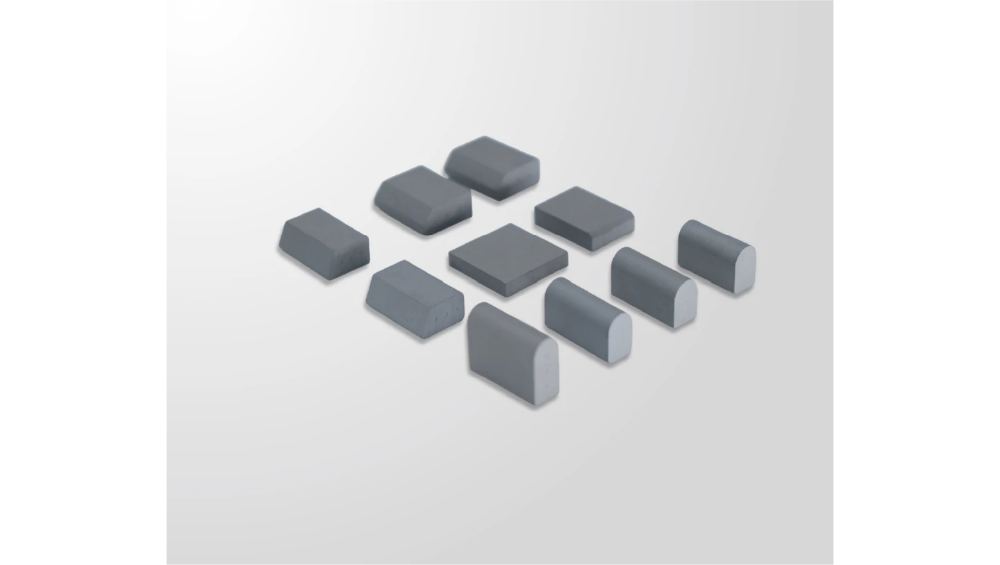
Municipal fleets do not buy blades for the sake of the blade; they buy for the budget, the service standard, and the complaints that arrive at city hall. The JOMA-style segmented blade has become a fixture in municipal winter programs because it addresses all three at once: it protects pavement and markings, it reduces the noise that generates complaints, and it lowers the cost per mile on the routes that matter. After ranking ten benefits of the JOMA-style construction, the verdict is that the strongest reason municipalities choose it is a defensible cost-per-mile story — the benefit that survives the budget review. This ranking explains all ten benefits and how to build the case for the appropriation.
What municipalities actually measure before they approve a blade budget
The municipal blade decision is measured in four numbers: changeouts per season, cost per mile, resident complaints, and service quality. A blade that improves one at the expense of another struggles to get approved; a blade that improves several at once makes the budget conversation easy. The benefits below are ranked by how many of those numbers they move, with the highest-ranked benefits touching the budget line directly.
An example makes the four numbers concrete. A city that logs 40 changeouts per season on the surface-care routes, spends $12,000 on blades and labor, and fields 25 noise complaints can price the current program; the JOMA-style trial then measures the same four fields on the same routes. The before-and-after comparison is the appropriation’s evidence, and the four numbers are the columns the council reads.
The ranking is based on the construction of the JOMA-style system and SENTHAI’s published descriptions. The scores are an editorial assessment; the municipal fleet should confirm the benefits with its own route data and complaint log.
The ten benefits ranked by their impact on municipal KPIs
| Rank | Benefit | KPI it moves | Impact |
|---|---|---|---|
| 1 | Defensible cost-per-mile story | Budget and procurement | Highest |
| 2 | Impact absorption and surface conformity | Service quality and repairs | Very high |
| 3 | Lower noise and vibration | Complaints | High |
| 4 | Reduced changeout downtime | Labor and availability | High |
| 5 | Extended wear life on uneven routes | Changeouts | High |
| 6 | Low-temperature flexibility | Service quality in deep cold | Medium–High |
| 7 | Hardware-friendly mounting | Install reliability | Medium |
| 8 | Batch documentation and traceability | Audit and claims | Medium |
| 9 | Standard 3-foot and 4-foot sections | Inventory simplicity | Medium |
| 10 | Custom and OEM sizing options | Fleet coverage | Low–Medium |
Benefits ranked 10 through 6 still matter but move fewer metrics
10. Custom and OEM sizing options. Municipal shops and OEM partners can match the segment to the moldboard instead of adapting the moldboard to the blade. The benefit is coverage, not performance, and it matters most for fleets with mixed equipment.
9. Standard 3-foot and 4-foot sections. The standard sizes simplify inventory and training: one set of part numbers, one spare plan, and one installation routine across the fleet. SENTHAI lists the standard 3-foot and 4-foot sections on its JOMA-style page, and the standardization is what makes the stock plan predictable.
8. Batch documentation and traceability. Municipal procurement often requires records. SENTHAI describes its production as traceable from raw material through final product, and the batch records support the receiving check, the audit, and the warranty conversation.
7. Hardware-friendly mounting. The segments mount with standard clamping bars and Grade 8 hardware, which keeps the changeout routine familiar to the shop. SENTHAI describes its JOMA-style sections as manufactured with standard AASHTO bolt patterns, typically 12-inch or 8-inch on-center, for direct mounting.
6. Low-temperature flexibility. The rubber compound stays flexible in deep cold, which is the difference between an edge that follows the surface and one that stiffens and cracks. SENTHAI states its Joma-style compound remains flexible at -40°C, and the low-temperature behavior is what keeps the segment working through the coldest events.
Benefits ranked 5 through 2 are where the service improvement shows
5. Extended wear life on uneven routes. On the joints, transitions, and rough pavement that punish rigid edges, the segmented construction wears more evenly. SENTHAI describes its Joma-style products as engineered for extended service life and lower cost-per-mile than traditional options, and the even wear is why the changeout interval improves on the routes that matter.
4. Reduced changeout downtime. Fewer changeouts mean fewer shop hours and more trucks available during the storm window. The benefit compounds: the changeout saved in the middle of a storm is the truck that stays on the route when the service standard is tested.
3. Lower noise and vibration. The rubber shell absorbs impact energy that a rigid edge would transmit as noise and vibration. SENTHAI describes its Joma-style line as designed to reduce noise and vibration while maintaining the downward pressure needed to scrape, and the quieter edge is the direct answer to the 3 a.m. complaint call.
2. Impact absorption and surface conformity. The segments flex over joints, transitions, and raised markings, which protects the pavement assets that are expensive to repair. SENTHAI describes the construction as reducing vibration and noise while following the surface, and the conformity is the mechanism behind the surface protection.
The No.1 municipal benefit is the one that survives budget review
1. Defensible cost-per-mile story. The strongest reason municipalities choose JOMA-style blades is the number they can take to the budget office: fewer changeouts, less chemical on the surface-care corridors, fewer complaint-driven re-runs, and lower repair costs for markings and pavement. SENTHAI argues for the cost-per-mile frame on its product pages, and the municipal shop that logs changeouts, miles, and repairs has the evidence the appropriation needs. Every other benefit on this list feeds that number, which is why it ranks first.
Building the municipal business case turns benefits into an appropriation
The business case starts with the baseline: log the current changeouts, cost per mile, complaints, and repair events for one season, then assign the JOMA-style segments to the surface-care corridors and measure the same fields. The JOMA-style blade page documents the construction and the standard sizes, and SENTHAI can confirm the configuration for the fleet’s plows. To start the case, send the route profile, the current changeout data, and the complaint log through the contact page and ask for the segment plan and the specification confirmation.
The case should also include the receiving and inspection side. The segments arrive with the batch records and the installation guidance, the shop verifies the hole pattern and the hardware, and the inspection routine adds the rubber and the bond to the weekly check. The documentation and the inspection habit are what keep the benefits repeatable season after season, because a segment that is installed wrong or inspected late loses the very advantages the case claimed.
Expert view — SENTHAI engineering team: “The municipal case is won with a log, not a brochure. Changeouts, miles, and complaints are the numbers the appropriation follows.”
Frequently Asked Questions
Why do municipal fleets use segmented blades at all? Because the routes are mixed: residential streets, surface-sensitive pavements, and complaint-prone corridors. The segmented construction protects the surface and reduces noise while the carbide does the cutting.
Are JOMA-style blades suitable for heavy municipal plowing? Yes. The carbide inserts do the cutting and the steel segments carry the load; the rubber manages impact. The line is designed for municipal duty, not just light snow.
How does the cost-per-mile compare with a carbide blade? On uneven, surface-sensitive routes the JOMA-style edge usually lowers cost per mile because it reduces changeouts and protects the surface. On smooth abrasive highways the standard carbide blade can be the better assignment.
What documentation ships with the segments? SENTHAI confirms the required reports and certificates during quotation, and its production is traceable from raw material through final product, so the batch records support the receiving check and the audit.
How do I trial the benefit before a full conversion? Assign the segments to the worst complaint corridor, log the changeouts, complaints, and repairs before and after, and review at the season’s midpoint and end.
What sizes should a municipal fleet standardize on? The standard 3-foot and 4-foot sections, because they simplify the spare plan and the training. SENTHAI lists the standard sizes on its JOMA-style page, and custom sizes are reserved for the moldboards the standards cannot cover.
How do the segments handle salt and brine? The rubber shell is designed to seal the steel from road brine and calcium chloride, and the wash-and-inspect routine after salt-heavy shifts protects the shell and the bond. SENTHAI describes the Joma-style construction as designed to resist road brine and calcium chloride.
Does the segment program change the inspection routine? Yes. The weekly check adds the rubber shell, the bond lines, and the seal to the list, and the monthly deep check verifies the segments off the plow. The routine is different from a rigid blade, not heavier.
Sources
Related articles
 Best Snow Plow Blade Family for Your Fleet: Top 5 ScenariosKnowledge
 Top 10 Snow Plow Blade Types for Winter Fleets (Ranked by Duty Fit)Knowledge
 Top 5 Best Carbide Blade Configurations for Highway PlowingKnowledge
 Best Snow Plow Blade Materials Ranked: Steel vs Carbide vs Cladding vs Rubber-CarbideKnowledge