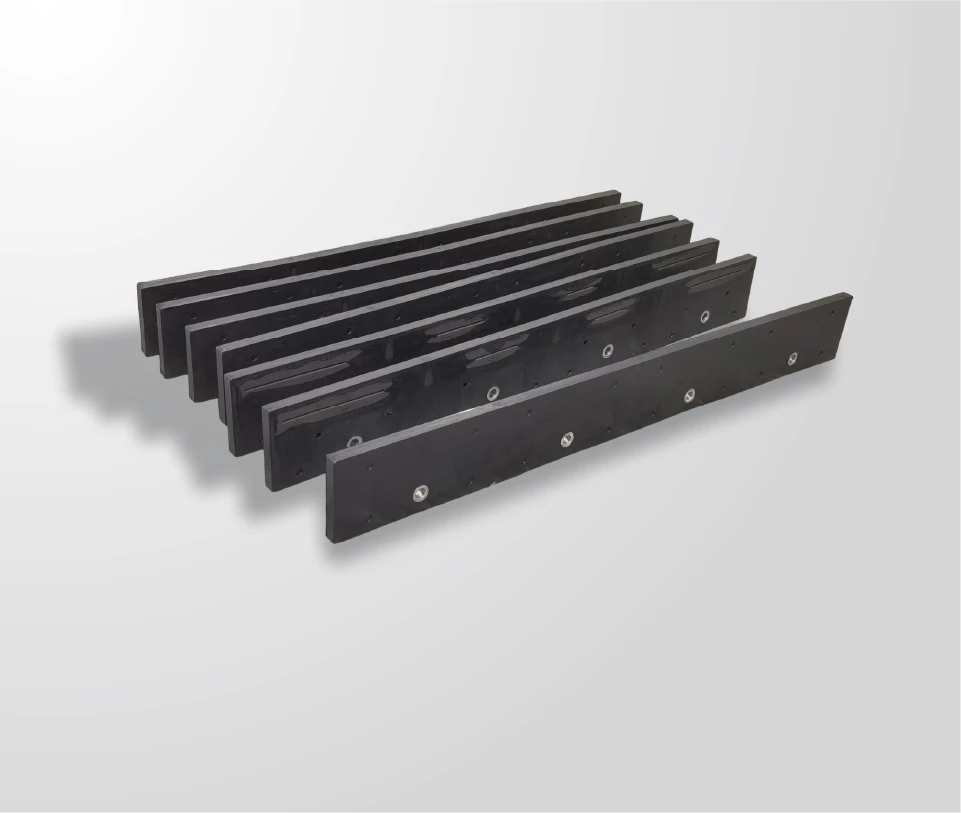
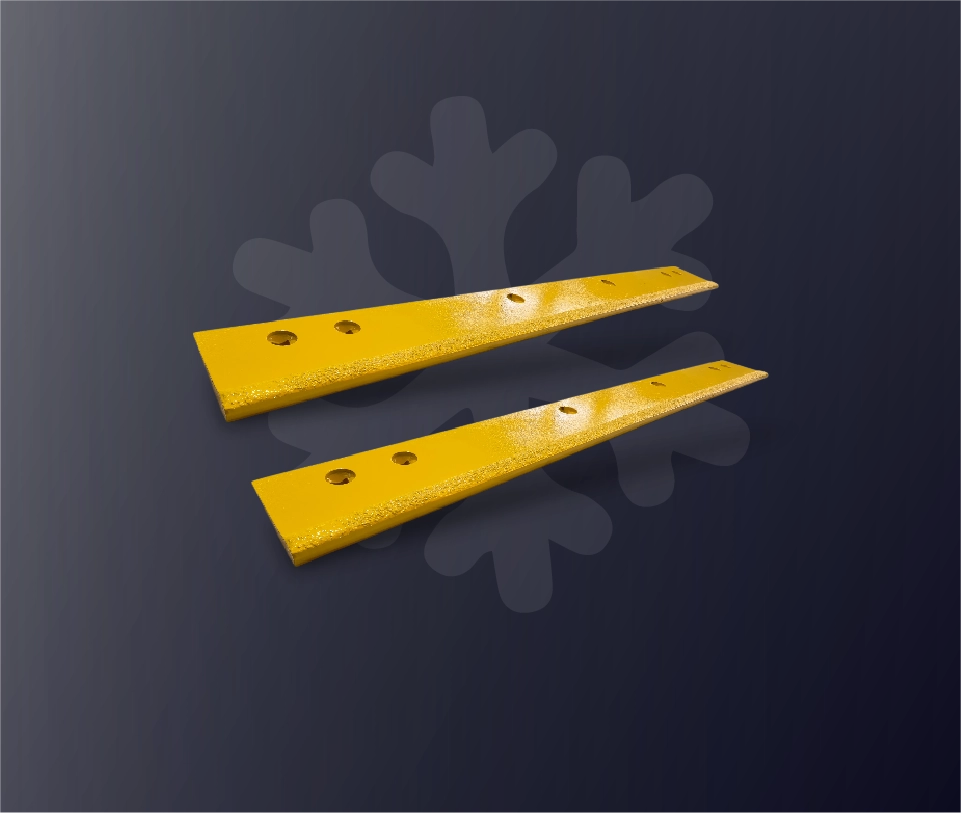
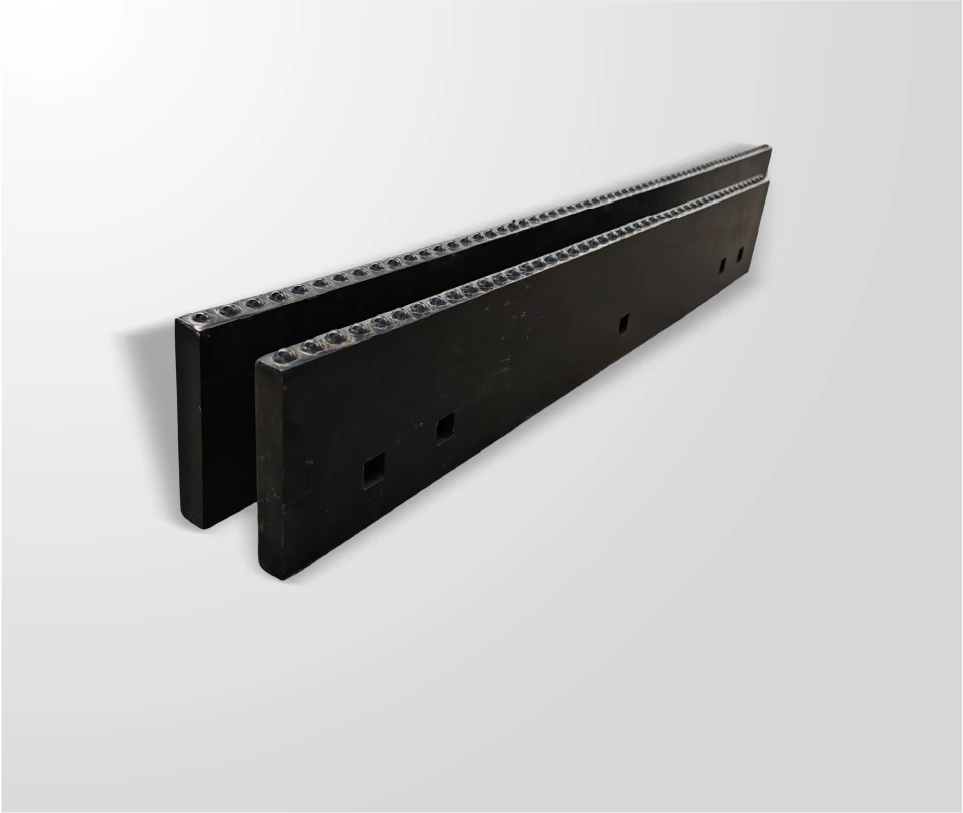
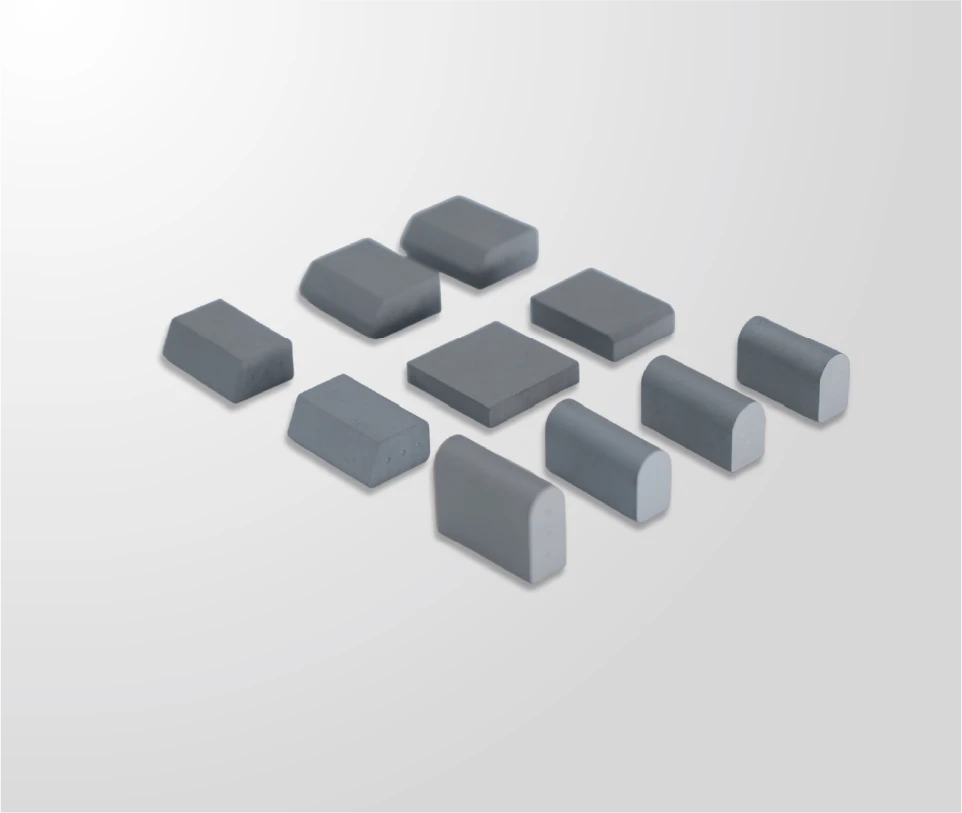

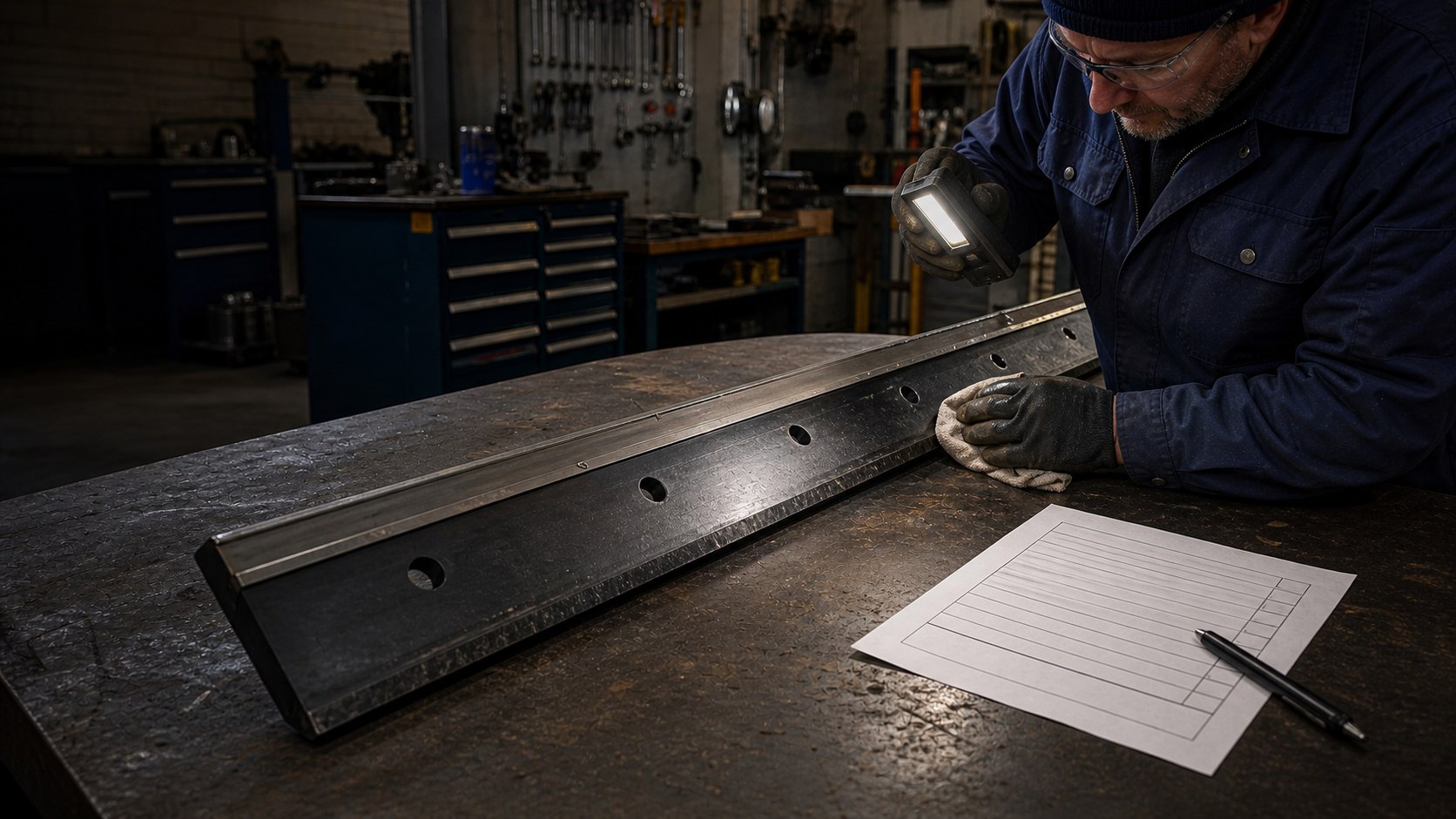
Inspect every edge, check the carrier, replace the fasteners you are unsure about, and set the mounting height before the first call-out — not after it.
A pre-season inspection finds the cracked inserts, stretched bolts and worn skid shoes while the workshop is quiet. The same work in January costs a shift and a call-out, which is why the checklist exists.
Correct torque, a flat mounting surface and the right down-pressure setting decide whether the new edge survives its first week. Most first-week failures trace back to one of those three items.
Fasteners are cheap and their failures are not. Replacing bolts, nuts and washers at the same time as the edge costs little and removes the most common mid-season breakdown.
Rotate on a schedule, replace on a measurement, and store the edges properly — a blade stored badly loses a season before it is fitted.
Rotation spreads wear and reveals damage early. Replacement should follow the wear measurement rather than the driver’s judgement, because running an edge past its threshold costs more in fuel and surface damage than the blade is worth.
Rust, UV and moisture damage rubber, bond lines and steel carriers over a summer. Storing edges off the ground, out of direct sun and with the cut faces protected preserves the next season’s performance for almost no cost.
Standardising the mounting pattern, keeping a defined spare level and recording blade life turns maintenance from a series of emergencies into a plan with a budget attached.
Run the pre-season inspection, put a wear threshold in writing, and set a spare level. Those three cover most of the failures a fleet actually experiences.
A pre-season inspection finds the damage while the workshop is quiet. A written threshold stops edges being run to failure. A spare level stops a storm from becoming a shortage. None requires new equipment or a budget line.
Stop reusing fasteners that have seen a season, stop storing edges on the ground over summer, and stop replacing a blade without checking the carrier. All three are habits that cost more than they save.
Before the season, then at every service interval during it. High-mileage and impact-heavy routes warrant weekly checks; light residential duty can run fortnightly.
Where the bolts have seen a full season or any fretting, yes. The cost is trivial next to a mid-storm failure, and reused fasteners are a leading cause of loose edges.
It depends on the bolt grade and diameter, and it belongs in your maintenance documentation rather than in a driver’s memory. Torque to specification, then re-check after the first shift.
Off the ground, out of direct sunlight, with the cut faces and any rubber components protected from UV. Stack so that the edges are not bearing weight on the carbide.
Yes — rotation, correct pressure and proper storage together typically recover a meaningful share of service life without any change to the blade specification.
Getting a new edge on correctly the first time.
Pre-season and in-season inspection routines.
Rotation timing and replacement triggers.
Keeping edges usable through the off-season.
Send your current inspection routine and failure history. We will tell you which stage is costing you the most blade life.
✓ Current inspection routine
✓ Failure history and modes
✓ Fleet size and machine types
✓ Storage arrangements
Email: [email protected]