Snow Plow Blade Maintenance: Extending Life Between Changes
Blade maintenance is the cheapest way to extend edge life — a 10-minute inspection after each storm catches problems before they become expensive failures. The routine is simple: check wear, check the inserts and…
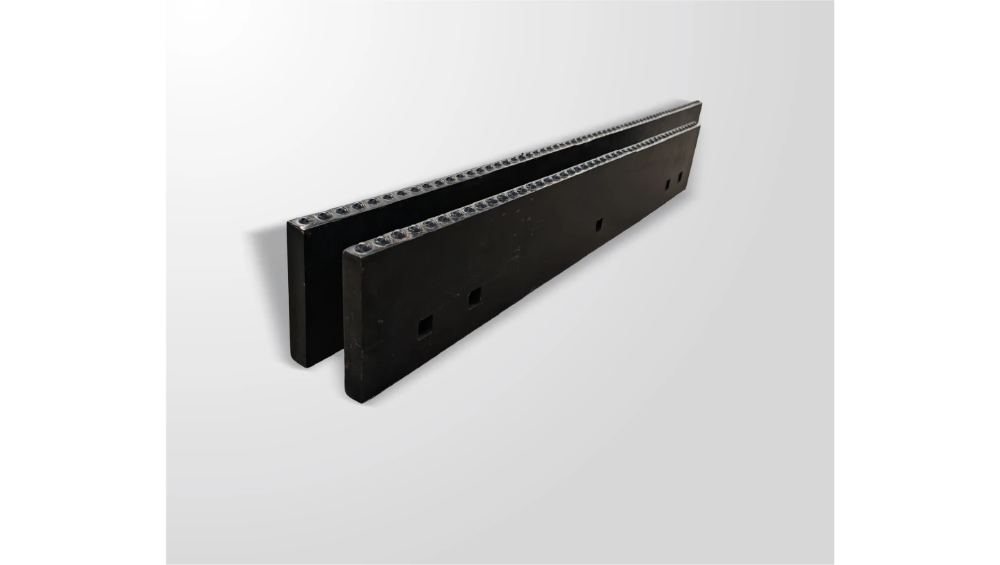
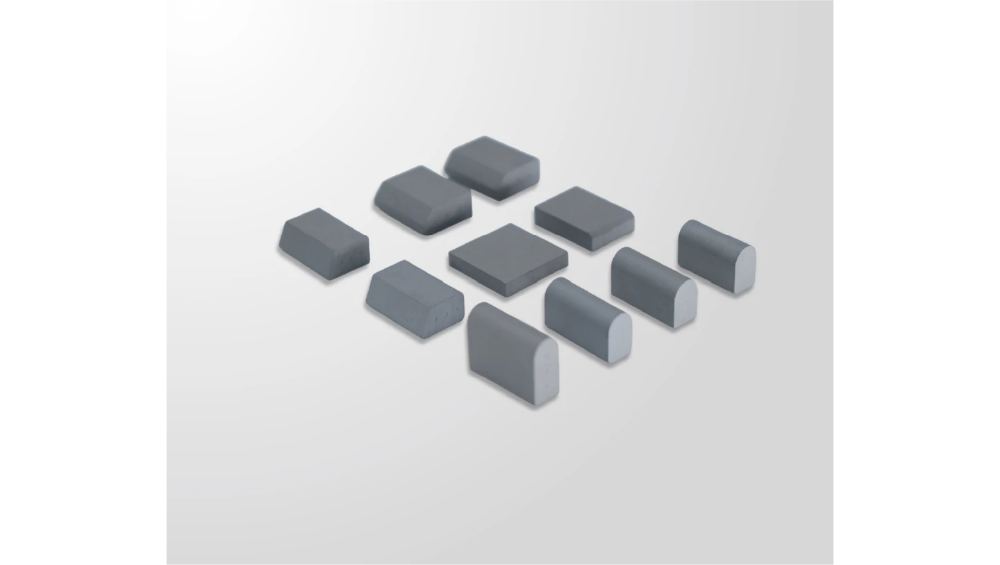
Blade maintenance is the cheapest way to extend edge life — a 10-minute inspection after each storm catches problems before they become expensive failures. The routine is simple: check wear, check the inserts and bond, clean off salt residue, and store correctly between seasons. This guide covers the full maintenance cycle for carbide and rubber-carbide blades. See the SENTHAI snow plow blade collection page for the blade systems built to withstand a maintenance-heavy winter.
Why Blade Maintenance Matters
Cutting edges work in the harshest environment on the vehicle: salt, ice, impact, and abrasive road contact. Without inspection, small problems — a loose insert, a cracked bond, uneven wear — grow into mid-storm failures and hardware damage. Maintenance converts unpredictable failures into scheduled replacements.
Cleaning Blades After Use
Salt and brine accelerate corrosion and hide defects. Rinse or brush accumulated salt from the blade after heavy storms, especially around inserts and mounting hardware. Cleaning is quick, and it lets the next inspection actually see the blade’s condition.
Inspection Tips
- Check wear indicators and cutting edge condition while the plow is lifted.
- Press each insert — there should be no movement in its holder.
- Look for rubber separation or cracks at the bond line on composite blades.
- Check mounting hardware for looseness or wear.
- Compare sections across the plow for uneven wear.
Storage Between Seasons
Off-season storage determines next season’s starting condition. Remove, clean, and dry sections; inspect for damage; and store them away from chemical exposure. A blade stored wet and salty will corrode before the first storm.
When to Replace Blades
Replace when the wear indicator shows the limit, when inserts are loose, or when the cutting edge can no longer scrape cleanly. Replacing on schedule — not after failure — protects mounting hardware and keeps trucks on the road.
Wear Indicators as a Maintenance Tool
Integrated wear indicators turn inspection into a 30-second check: visible indicator means schedule a change. Because the indicator is part of the section, it reflects real wear and cannot be lost or forgotten like a separate gauge.
Salt and Corrosion Care
Road brine attacks steel edges and the bond between carbide and steel. For carbide blades, inspect the brazed joint for rust or separation; for rubber-carbide blades, check the rubber-to-steel bond line. FHWA corrosion research documents how aggressive deicing chemicals are on highway components — blades are no exception.
Inspecting Bond and Insert Condition
The bond is the blade’s weakest link. A loose insert or a cracked bond line is a failure waiting for an impact. Inspect insert seating and bond lines at every maintenance check, and replace any section with visible bond damage rather than running it.
Seasonal Maintenance Calendar
| When | Action |
|---|---|
| Pre-season | Inspect all sections, replace worn ones, confirm wear indicators |
| After each storm | Quick wear and bond check, clean salt residue |
| Weekly | Full inspection, log condition per truck |
| Mid-season | Rotate or replace sections at wear limit, inspect hardware |
| Post-season | Remove, clean, dry, inspect, and store |
Building a Per-Truck Log
A simple log — date, truck, section, indicator status — turns maintenance into fleet data. After one season, the log shows which routes are hardest on blades, which trucks wear unevenly, and how many sections the fleet really needs in stock. That data directly improves next season’s budget and inventory.
Frequently Asked Questions
How often should I inspect plow blades?
After every major storm, with a full inspection weekly during active season. Pre- and post-season inspections are mandatory.
What is the most common maintenance mistake?
Running a blade past its wear limit. That damages mounting hardware and costs far more than a timely section replacement.
Do carbide blades need special care?
They need the same basics — cleaning, inspection, and storage — plus attention to insert seating and bond condition, since the bond is what holds the carbide.
How do I store blades between seasons?
Clean and dry sections, inspect them, and store away from chemical exposure. Wet, salty storage ruins blades before winter even starts.
Maintain smarter, replace on schedule. Find blades with integrated wear indicators on the SENTHAI snow plow blade range and contact SENTHAI for maintenance guidance matched to your fleet.