Carbide Blade Life: Why Carbide Outlasts Steel by 10-20x
Carbide snow plow blades are engineered to deliver a service life 10 to 20 times longer than traditional carbon steel edges. The reason is simple physics: tungsten carbide is dramatically harder than steel, so…

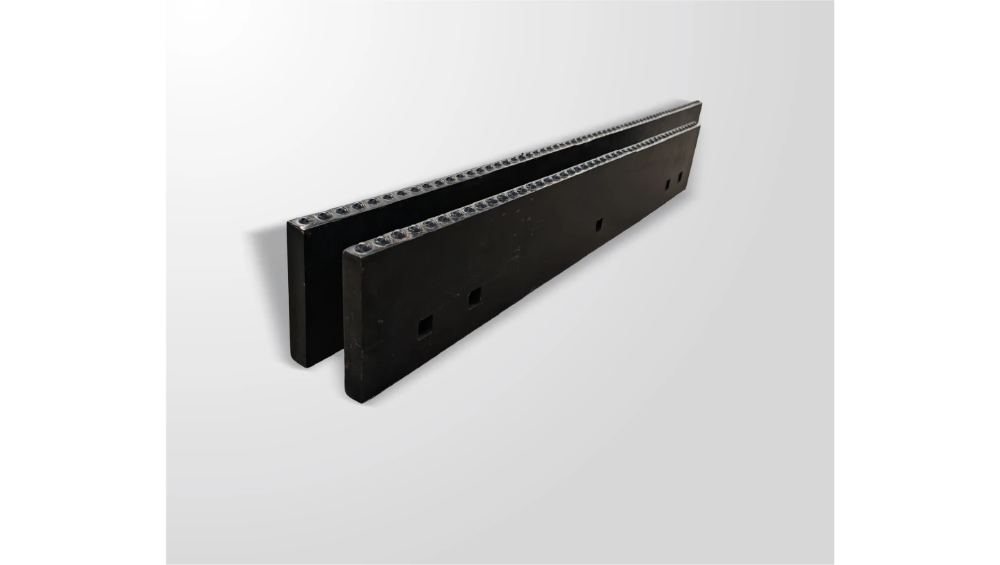
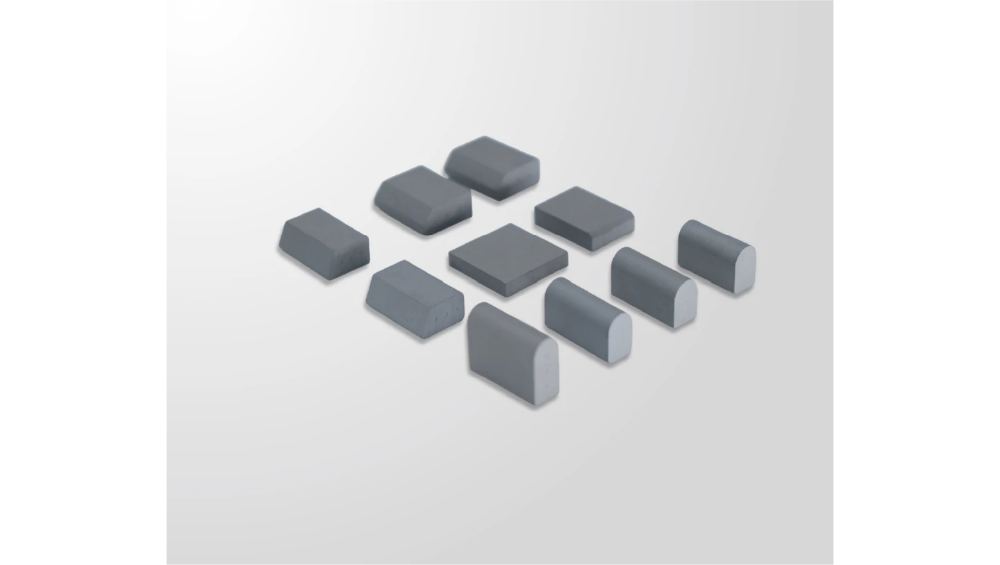
Carbide snow plow blades are engineered to deliver a service life 10 to 20 times longer than traditional carbon steel edges. The reason is simple physics: tungsten carbide is dramatically harder than steel, so it resists the abrasion that destroys steel edges. What that means in practice is fewer changeouts, less downtime, and a lower cost per mile. The carbide snow plow blade range documents the construction behind that life advantage.
Carbide vs Steel Wear
Steel edges wear by abrasion — sand, ice crystals, and road grit cut into the edge with every pass. Carbide resists that abrasion because its hardness far exceeds the hardness of the particles doing the cutting. Over a season, the difference compounds: steel loses its cutting profile while carbide stays sharp.
How Long Carbide Blades Last
Life depends on routes and duty, but the pattern is consistent: carbide edges span multiple seasons where steel is replaced annually. Municipal field studies have documented carbide edges lasting at least five years in light-to-medium duty. On heavy highway duty, carbide still outlasts steel by a wide margin.
Factors Affecting Blade Life
Route abrasiveness, plow speed, ice duty, and maintenance all affect life. Sand-covered roads and close-to-pavement scraping wear edges fastest. Matching the blade to the route — and inspecting it on schedule — extracts the full life from any edge.
Cost Comparison Over Time
A carbide blade costs more upfront, but the comparison that matters is cost per mile over several seasons. Fewer replacements mean less labor and less downtime. Field data from agencies backs this up: longer-lived blades produce real dollar savings per blade versus steel.
When to Replace
Replace on wear, not on the calendar. Use wear indicators or measure remaining edge thickness, and replace before the steel backing contacts the road. A carbide blade run correctly still ends its life at the wear limit — the point is that the limit arrives much later than steel’s.
Wear Mechanisms in Ice and Abrasives
Two mechanisms wear edges: abrasive wear from road grit and impact wear from ice and obstacles. Carbide resists abrasive wear far better than steel, and proper bonding handles impact. The combination is why carbide blades keep a consistent scrape over long distances.
Hardness (HRA) vs Toughness
Hardness is not the whole story — a blade that is too hard can be brittle. SENTHAI engineers the balance between abrasion resistance (hardness) and impact strength (toughness) so the edge cuts ice without chipping. That balance is what separates a winter blade from a general-purpose tool.
Field Data from Agency Studies
Independent data supports the life claim. The Maine DOT field study at the Transportation Research Board measured blade life and cost across blade types, and Minnesota’s LTAP documented carbide edges lasting years where steel was replaced annually. Agency programs like Clear Roads continue this measurement work.
What 10-20x Life Means for Budgets
Ten to twenty times the life means one-tenth to one-twentieth the changeouts. For a fleet, that is a direct cut in labor and downtime — the two biggest hidden costs of steel edges. The budget impact shows up in the maintenance log, not the blade invoice.
Verifying Life Claims
Ask suppliers for documented case studies, QC records, and trial programs. Better, run your own trial: two trucks, same routes, one season. Your change log is the most credible evidence for your fleet.
Frequently Asked Questions
Do carbide blades really last 10-20 times longer than steel?
In abrasive winter duty, yes — the hardness difference and documented field data support that range. Exact life depends on your routes.
Are carbide blades worth the higher price?
On most routes, yes: fewer changeouts, less labor, and less downtime produce a lower cost per mile over several seasons.
What wears out a carbide blade?
Abrasive grit and impact, the same forces that wear steel — just at a much slower rate. Proper bonding keeps inserts in place under impact.
How do I verify blade life before buying?
Ask for documented field data and QC records, and run a one-season trial on your own routes.
Trade changeouts for clearing time. See the construction and specs on the SENTHAI heavy-duty carbide edges and ask about a trial on your routes.