




Grader Blade Versus Cutting Edge: What Your Machine Actually Needs
A fleet that orders the wrong one of these two parts pays for it twice: once for the part, and again for the downtime when the edge arrives and does not fix the problem…

A fleet that orders the wrong one of these two parts pays for it twice: once for the part, and again for the downtime when the edge arrives and does not fix the problem the operator reported. “Grader blade vs cutting edge” is a distinction most fleets blur in conversation, and the two terms are used interchangeably on the shop floor and priced very differently by suppliers, yet they are two separate wearing components with different load paths, different replacement triggers and different effects on how the machine grades.
Which Part Carries the Load
The edge cuts; the blade section supports and carries.
The cutting edge is the replaceable strip bolted to the bottom of the moldboard and does the cutting; the blade section is the curved plate that carries it, sets the arc and has to be replaced only when the structure itself is worn.
On most machines the moldboard is a curved plate with a bolted cutting edge at its lower lip and, often, replaceable end bits at each end. The edge is a consumable. It is designed to be unbolted, rotated or turned end-for-end, and eventually replaced, and the whole economic argument for buying a harder edge rests on the fact that the moldboard itself does not have to come off the machine.
The blade section, by contrast, is part of the machine’s structure. Its curve controls the rolling action that turns material over as the grader moves forward, and its thickness and stiffness resist the bending load that comes back up through the edge. When operators report that the grader “will not hold grade” or “rides up”, the fault is usually at the edge profile or the angle of attack, not in the plate.
Two more parts belong in the same conversation because they wear with the edge: end bits, which protect the corners where the highest bending and abrasion loads sit, and the fasteners, which are replaced as a matter of practice because a stretched plow bolt will not hold a new edge flat.
How the Two Wearing Surfaces Differ
Edges wear on one face; blade sections wear where material scours.
A cutting edge wears from the bottom and the bevel, losing section until it rounds off; a blade section wears in patches where abrasive material scours the face, and its arc distorts before it thins.
An edge has a defined wearing life that can be measured and predicted. Material is removed from the bevel and the underside, the tip radius grows, and the edge stops cutting cleanly well before it stops existing. That progression is what makes rotation and end-for-end reversal worthwhile: a partly worn edge can be moved to a position where the remaining sharp portion does the work.
A moldboard wears differently. Standards work matters here: AASHTO publishes the specifications agencies adopt for highway materials and SAE covers machine interfaces, which is why a pattern taken from a drawing is more reliable than a pattern taken from a machine label. The face of the plate is scoured by the material being moved, the lower lip wears where the edge seats, and the arc can be pushed out of shape by sustained load or by a single impact against a buried obstruction. Once the seating face at the lower lip is no longer flat, no edge will bolt down properly, and the machine will keep loosening fasteners no matter what grade of edge is fitted.
This is the practical test that separates the two decisions. If the seating surface is flat, the arc is intact and the holes are round, the fix is an edge. If the lower lip is worn into a step, holes are elongated or the curve has flattened, an edge alone will not restore the machine.
When Replacing the Edge Solves the Problem
Replace the edge when the seating face is still flat.
An edge is the answer whenever wear is confined to the replaceable strip: a rounded profile that rides over hardpack, uneven wear from one side of the moldboard, or an edge that has reached its wear limit while the moldboard is sound.
The diagnostic sequence is short. Check whether the edge still has usable section at the bolt line, whether the wear is even along the length, and whether the edge seats flat with the fasteners correctly torqued. If those three are healthy, the machine needs an edge and nothing more.
Uneven wear is worth reading rather than simply correcting. Heavy wear at one end usually points to an alignment or operator issue, or to a road with a persistent crossfall, and replacing the edge without addressing it guarantees the same pattern on the next one. Wear concentrated in the middle of the edge suggests down-pressure is being applied in a way that bows the moldboard.
End bits belong in the same decision. Because they sit at the corners, they take a disproportionate share of the load, and a worn end bit lets the corner of the edge dig and bend. Replacing edges without replacing worn end bits is one of the most common reasons a new edge fails early.
When the Blade Section Itself Must Change
Change the section when the seating face is worn or bowed.
The moldboard section has to be repaired or replaced when the lower lip is dished, the arc has flattened, mounting holes are elongated beyond the fastener’s ability to clamp, or the plate has cracked at a hole or at the end.
That is a different order of job. Repair practice leans on published material and welding guidance, including the wear-steel data published by producers such as voestalpine and the materials references held by ASM International. It means welding, re-machining or replacing the moldboard, and it is worth doing properly because every edge subsequently fitted depends on that seating face. A dished lip loads the edge unevenly, which concentrates stress at the bolt holes and produces the classic failure of an edge cracking outwards from a hole.
Two related cases also move the decision up from the edge to the section. The first is a change of duty: a machine moved from soft shoulders to a crushed-surfacing programme may need a heavier section and a different edge to match, not just a harder edge. The second is a change in width or profile requirement, where the fleet wants a different arc for the work the machine now does.
Before spending on a section, measure. Hole condition, lip flatness and arc profile can all be checked with basic shop instruments, and a photograph of the lower lip with a straight edge laid across it settles the question faster than any supplier discussion.
Fitment and Hole Alignment
Fitment decides whether either part works, and it is the most common reason a correctly specified delivery is sent back. The edge has to match the moldboard’s hole pattern, its countersink angle and its section shape, and small errors at the bolt line translate into large problems at the cutting tip.
- Hole spacing and diameter. Measure centre-to-centre along the pattern and the distance from the hole centre to the cutting edge. Both are part of the specification and both are checked at receiving inspection.
- Countersink and fastener. Plow bolts sit flush in a matched countersink; a mismatched angle leaves the head proud, where it wears and stops holding torque.
- Section profile. Flat, curved and beveled edges are matched to the moldboard arc. A flat edge on a curved moldboard leaves a gap that traps fines and packs hard.
- Seating face condition. A new edge on a dished lip will not sit flat, regardless of how accurately the edge is made.
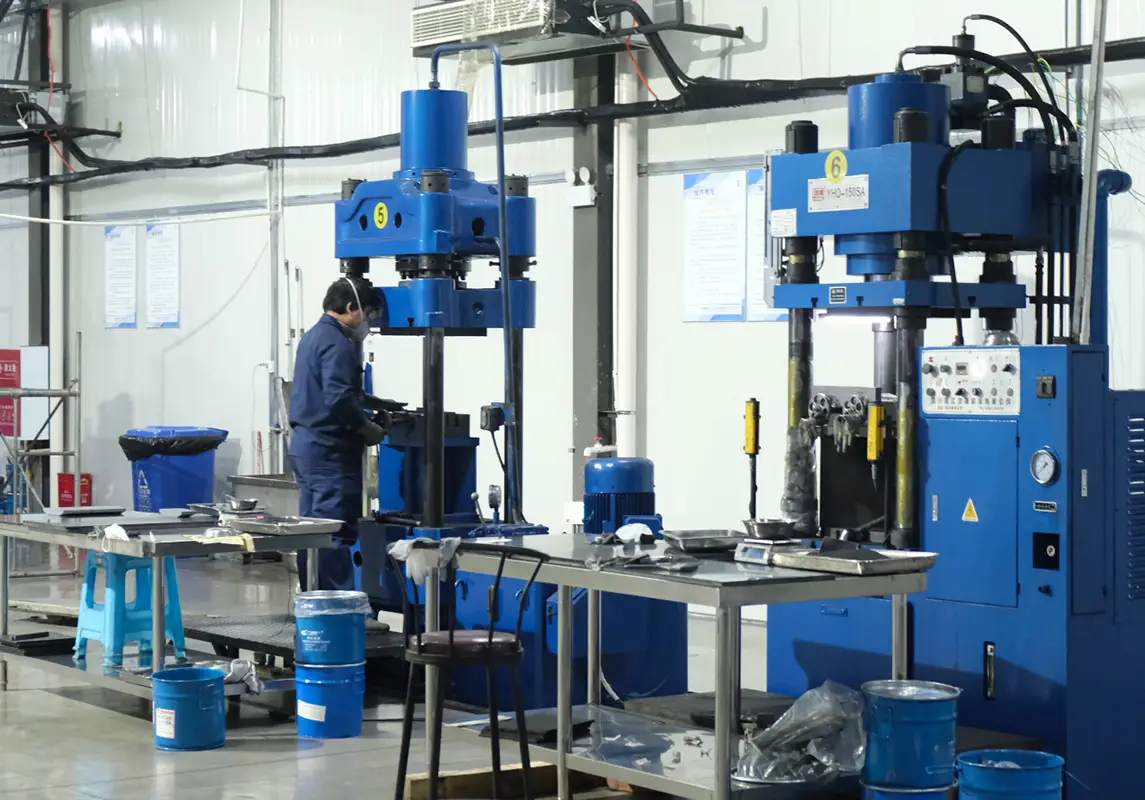
The fastener side of fitment is worth treating as a specification item in its own right: ASTM publishes the mechanical and hardness test standards that bolt grades are quoted against. Where a fleet runs several machine classes, the practical discipline is to hold a fitment drawing for each moldboard variant and order against it, rather than re-deriving dimensions at each order. Manufacturers that machine their own insert pockets and hold dimensional tolerances in hundredths of a millimetre are working to that same logic: the tolerance is what makes ordering against a drawing reliable, which is why documented fitment and lot traceability are part of the quality control process rather than an optional extra.
Cost Comparison Over a Full Season
A fair comparison runs across a season and includes three lines that unit price ignores: the cost of the change itself, the effect on the number of passes, and the risk of collateral damage to the section.
| Cost line | Fitting a new edge | Replacing or repairing the blade section |
|---|---|---|
| Part cost | Consumable, replaced on a schedule | Structural, capital-scale |
| Machine downtime | Shop job, hours | Machine out of service for welding or replacement |
| Effect on grading performance | Restores the cutting profile | Restores the arc, the load path and the seating face |
| Risk if deferred | More passes, uneven surface, accelerated edge wear | Progressive damage to edges, end bits and fasteners |
| Frequency | Recurring | Once in the life of the plate, when correctly diagnosed |
Duty-matched buying is also what public guidance assumes: AASHTO and FHWA both frame road maintenance as a programme with recorded outcomes rather than a series of part purchases. The trap in the comparison is treating the cheaper part as the economical one. Fitting a series of cheap edges to a dished moldboard is the most expensive route available: each edge fails early, each change consumes labour and fasteners, and the section gets worse while the fleet keeps replacing the part that was never the problem.
Deciding With Wear Measurements
Edge selection on abrasive gravel roads is a documented problem rather than a matter of opinion, and the exposure created for operators is set out by NIOSH for respirable crystalline silica. The decision can be taken out of the workshop argument by measuring two things and recording them against the machine. First, the remaining section at the bolt line of the edge, which shows how much wear life is left. Second, the flatness of the moldboard’s lower lip and the condition of the holes, which shows whether fitting a new edge will achieve anything.
Where those records are kept per machine, patterns emerge quickly: which routes consume edges fastest, which machines distort their lower lips, and which operators return edges evenly worn. That record is also what makes the next specification defensible, whether the fleet is buying heat-treated steel, a carbide-tipped edge for abrasive work, or the same edge again. A comparable selection logic for winter equipment is set out in the blade selection guide, and the same three inputs apply: material, cost of downtime, and confirmed fitment.
The distinction that matters is structural, not verbal. The edge is the part designed to wear and be replaced; the blade section is the part that has to remain flat, curved and sound for any edge to work. Diagnose on the seating face and the wear pattern, then spend accordingly. Where the section is healthy, the choice narrows to grade and profile; where it is not, an edge purchase is a temporary fix that will be paid for again within the season.
Send SENTHAI a photograph of the moldboard’s lower lip, the measured bolt pattern and the road types the machine works, and the technical team will confirm whether the machine needs an edge, an end bit set or work on the section, and which grade suits the duty.
Related reading: wear parts beyond plows.
Frequently Asked Questions
What is a grader blade for?
The blade assembly is the working face of a motor grader: the moldboard plate shapes the material and the bolted cutting edge cuts it. The edge produces the finish, the arc of the moldboard rolls material over, and the end bits protect the corners. The machine’s grading quality therefore depends on edge profile and section condition together, not on either part alone.
How heavy is a grader cutting edge?
Weight follows machine class, blade length and section thickness, so it is quoted per edge rather than as a single figure. For handling and shipping, treat edges as a two-person lift at minimum and confirm the weight per piece with the supplier before planning a change in the field, because a heavier section changes how the edge behaves as well as how it is transported.
How often should a grader blade be replaced?
Replace on measurement rather than a fixed interval. Track remaining section at the bolt line and the roundness of the cutting tip, and record the road type each edge worked. Once the tip rounds off and the machine needs extra passes to hold grade, the edge is finished. Edges that can be rotated or reversed usually return more hours before that point arrives.
Is a grader blade or box blade better?
They are different machines for different jobs. A motor grader’s blade is mounted between the axles, so it can cut grade, windrow and finish along a road. A box blade is a tractor-mounted implement with side plates for moving and levelling material over short distances. For road grading at production rates, the grader is the tool; the box blade is not a substitute.
Related articles
 A Wear Parts Programme for Road Construction ContractorsGrader blades and road grading cutting edges
 Asphalt Milling Teeth: Grade, Holder and Cost Per TonneGrader blades and road grading cutting edges
 Grader Blade Thickness, Hole Pattern and Bolt GradesGrader blades and road grading cutting edges
 Carbide Grader Blades for High-Abrasion Road SurfacesGrader blades and road grading cutting edges