Carbide Blade Grades: What HRA and Grain Size Mean for Plows
Carbide blade grades are the specification that determines how an edge behaves: harder grades resist abrasion but can be brittle, tougher grades absorb impact but wear faster, and grain size shifts that balance. Buyers…
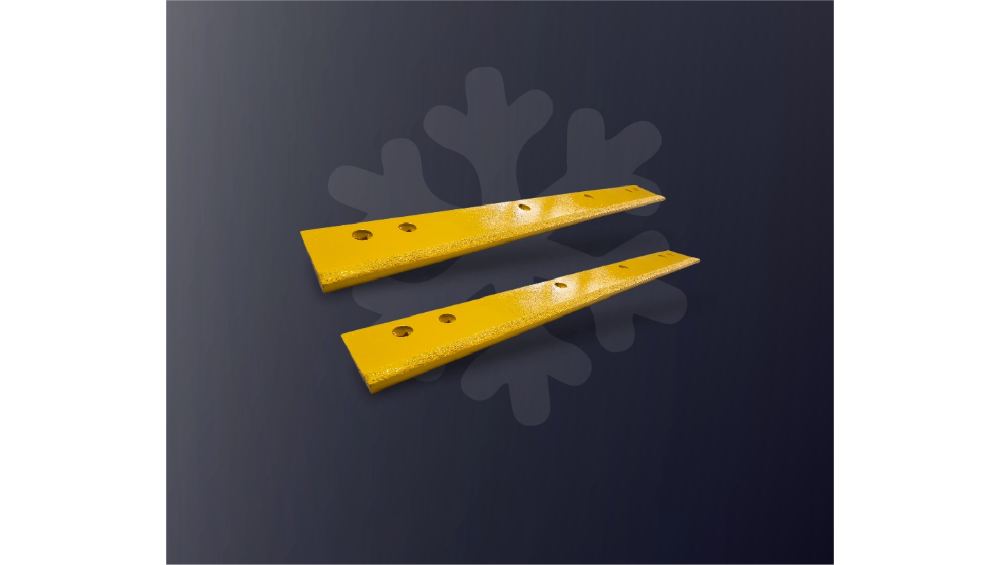
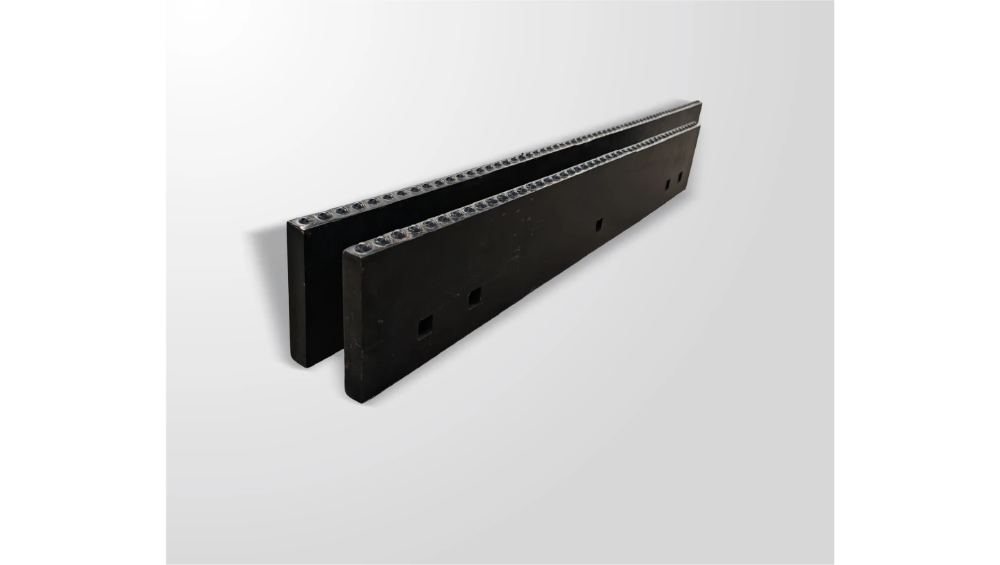
Carbide blade grades are the specification that determines how an edge behaves: harder grades resist abrasion but can be brittle, tougher grades absorb impact but wear faster, and grain size shifts that balance. Buyers who understand HRA and grain size can specify the right blade instead of trusting a label. The carbide blade product page describes the micro-grain carbide used in its blades.
Carbide Grades Explained
A carbide grade is a defined combination of tungsten carbide, cobalt binder, and grain size, tuned for a wear/impact balance. Winter blades need a different balance than cutting tools: they must cut ice but survive manhole impacts and extreme cold.
Hardness Scales for Carbide
Hardness is typically reported as HRA (Rockwell A). Tungsten carbide for wear parts commonly sits in the HRA 86-93 range. Higher HRA means better abrasion resistance — and, beyond a point, lower impact toughness. The right number depends on the duty.
How to Choose a Grade
Match the grade to the route: abrasive highway grit favors harder grades; ice-heavy routes with impact favor balanced grades; extreme cold favors grades with proven toughness. Ask the supplier which grade their blade uses and why — the answer reveals engineering depth.
Grain Size and Performance
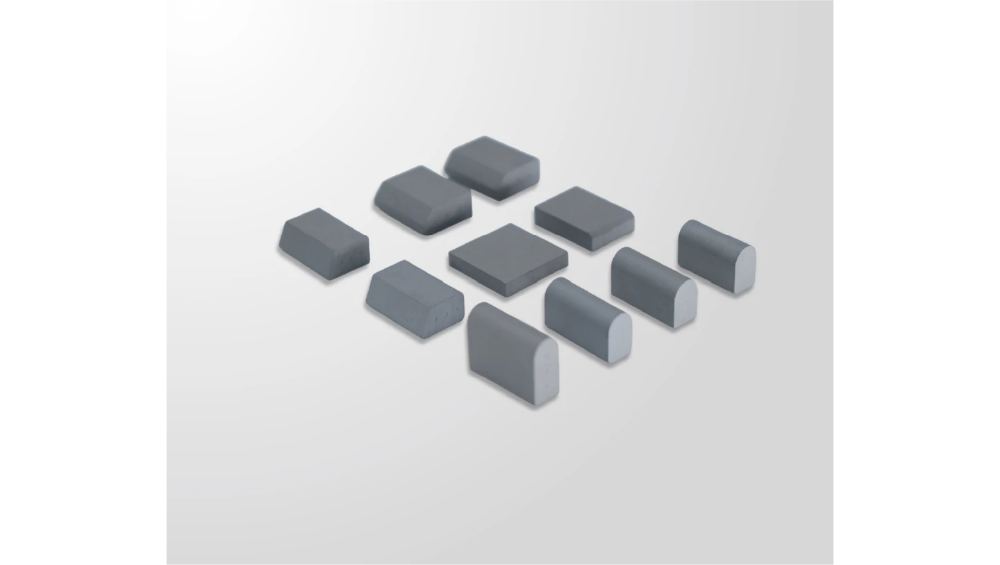
Grain size controls the microstructure: micro-grain carbide is finer, harder, and resists wear, while coarser grain is tougher. SENTHAI uses 100% virgin micro-grain tungsten carbide for superior hardness, wear resistance, and impact strength — a material choice that matters in sub-zero service.
Applications of Different Grades
General plow duty, extreme ice, and high-abrasion highway work each suit a different grade balance. A single “carbide blade” label hides these differences; the grade is the real specification.
Micro-Grain vs Standard Grain for Plows
Micro-grain carbide combines high hardness with good toughness, which is why it suits snow plow inserts: it cuts ice and resists chipping. Standard grain carbide is tougher but wears faster. For winter edges, micro-grain is the engineering choice.
Toughness/Hardness Trade-Off in Extreme Cold
Cold makes materials more brittle, so a grade that works at room temperature may chip at -30°C. SENTHAI’s R&D focuses on stress relief and grade balance so inserts stay tough in extreme sub-zero temperatures — the difference between chipping and cutting all season.
Grade Selection by Route Type
| Route | Priority | Grade Lean |
|---|---|---|
| Abrasive highway | Wear life | Higher hardness |
| Ice-heavy urban | Impact + cut | Balanced micro-grain |
| Extreme cold | Toughness | Stress-relieved, tough grade |
Specifying Grade in an RFQ
Write grade requirements into your RFQ: hardness range (HRA), grain size, and impact requirements. Research on cutting edges — NCHRP 06-19 — recommends measurable quality controls like hardness for exactly this purpose.
QC: Density, Hardness, Structure
Verify what you specify: QC records should show density, HRA hardness, and grain structure per batch. A supplier that cannot document grade consistency cannot deliver consistent blade performance.
Frequently Asked Questions
What is a good HRA for a snow plow blade?
Wear-part carbide commonly falls in the HRA 86-93 range. The right value depends on whether your routes need more wear resistance or more impact toughness.
What does micro-grain carbide mean?
It means the carbide’s tungsten particles are fine and uniform, producing high hardness with good toughness — ideal for snow plow inserts.
Is harder always better for blades?
No. Too hard can mean too brittle in cold and impact. The best grade balances abrasion resistance with impact strength for the route.
How do I verify the grade of a blade?
Ask for QC records showing density, HRA, and grain structure, and specify these in your RFQ.
Specify the grade, not just the label. See the micro-grain carbide construction on the SENTHAI carbide blade options and ask SENTHAI for grade documentation with your quote.