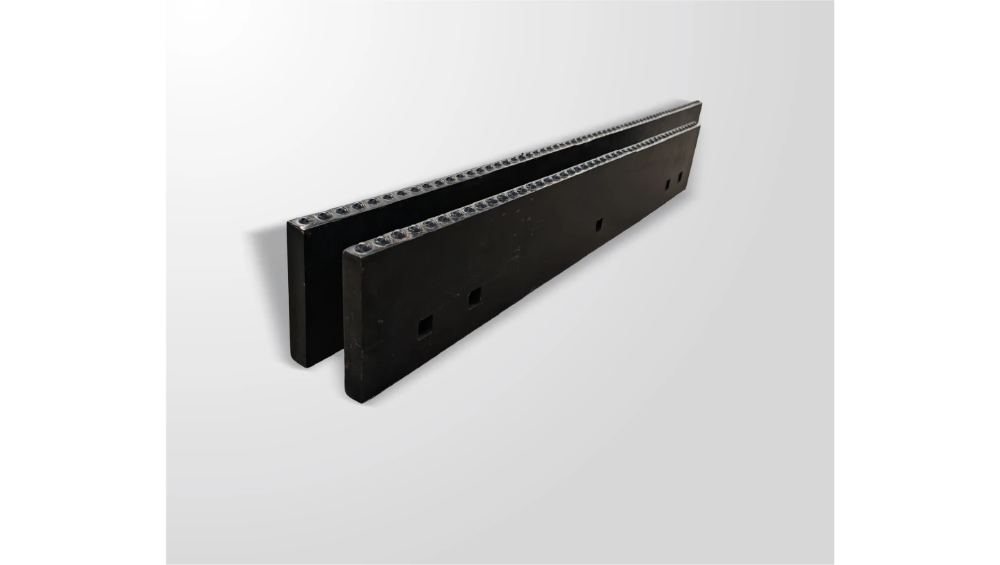
Carbide Snow Plow Blades for Highway Maintenance Fleets
Highway maintenance fleets clear the highest-mileage, highest-speed routes in winter, and their cutting edges take the heaviest continuous wear in the industry. Carbide snow plow blades are the standard choice for this duty: they…
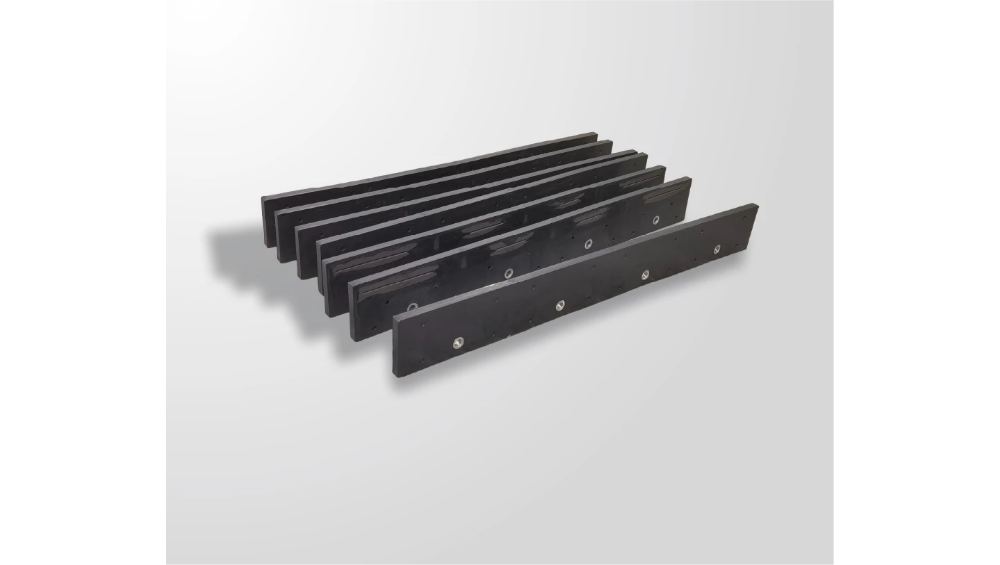
Highway maintenance fleets clear the highest-mileage, highest-speed routes in winter, and their cutting edges take the heaviest continuous wear in the industry. Carbide snow plow blades are the standard choice for this duty: they deliver a consistent, clean scrape over long distances and drastically cut changeouts on interstate routes. The carbide snow plow blade sizes and grades is built around this heavy-duty application.
Highway Plowing Challenges
Highway plows run at speed, cover long distances, and hit abrasive road conditions with sand, grit, and packed ice. Edges wear fast, and changeouts on a highway fleet mean trucks off the road at peak demand. Wear life is not a preference on highway duty — it is an operational requirement.
DOT Fleet Requirements
DOT fleets need blades that fit standardized plows (AASHTO bolt patterns), survive abrasive routes, and keep costs defensible to auditors. Carbide edges meet all three: direct fit, long wear life, and a cost-per-mile case backed by field data.
Blade Materials for Highways
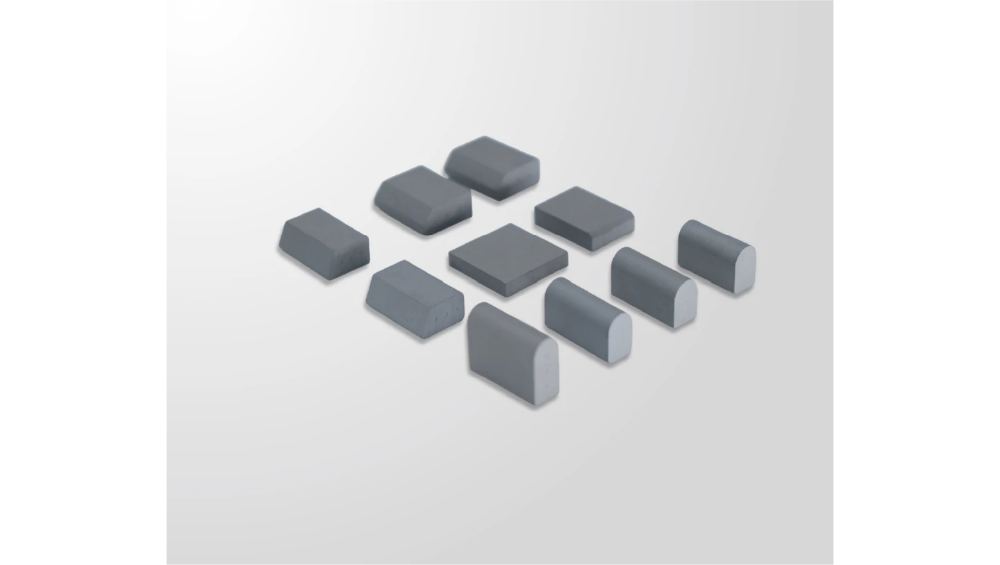
Steel edges on highway duty require frequent changes; carbide edges maintain their profile over long distances. For most highway maintenance programs, carbide is the standard and steel is the exception, not the reverse.
Maintenance of Highway Blades
Highway blades still need inspection and care: check wear indicators, inspect inserts and bonds, and clean salt residue. The routine is the same as any fleet — the frequency is higher because mileage is higher.
Cost Considerations
Budget highway blades on cost per mile: blade price, replacement frequency, labor, and downtime. Field studies — including Maine DOT research presented at TRB — document the savings from longer-lived blades on exactly this kind of duty.
Consistent Scrape at Highway Speed
A carbide edge keeps its cutting profile, so the plow maintains a consistent scrape across hundreds of miles instead of degrading mid-route. That consistency improves both road safety and fuel efficiency — a sharp edge does less pushing and more cutting.
Reducing Changeouts on Interstate Routes
Every changeout on an interstate fleet takes a truck out of service during the exact hours it is needed. Carbide edges multiply the interval between changes, keeping more trucks on the road through every storm.
Cost-per-Mile for DOT Budgets
DOT budget cycles reward defensible numbers. Build the cost-per-mile model with your change data, add one documented field example, and carbide becomes the lower-cost option over a three-to-five-season window — a case that survives an audit.
Mounting for Front/Underbody/Wing
Highway fleets mount carbide blades on front, underbody, and wing positions. SENTHAI configures blades for all three, including reverse operation with tungsten cladding where maneuvers require it. Mounting flexibility keeps one supplier across the fleet.
Field Data from DOT Trials
Agencies continue to measure blade performance through programs like Clear Roads, which standardizes how DOTs compare blades on real routes. The direction is consistent: measured field data, not marketing, decides which blades a highway fleet runs.
Frequently Asked Questions
Why do highway fleets prefer carbide blades?
Highway duty is the most abrasive and highest-mileage application, so wear life directly controls downtime and cost. Carbide edges last far longer than steel and maintain a consistent scrape.
How much can a DOT save with carbide blades?
Savings come from fewer changeouts, less labor, and less downtime. Model cost per mile with your change data to quantify the number for your agency.
Do carbide blades fit standard DOT plows?
Yes — standard AASHTO bolt patterns and section sizes, with configurations for front, underbody, and wing mounting.
Should highway fleets trial blades before switching?
Yes. Run a one-season trial on representative routes and log changes, downtime, and cost — then scale with your own data.
Keep highway trucks on the road. Review the highway-duty SENTHAI carbide blade lineup and contact SENTHAI for DOT pricing and trial support.