Snow Plow Blade Buying Guide for Contractors
For a snow removal contractor, blades are not a line item — they are an operating cost that decides whether a season makes money. Every changeout costs labor and downtime, and every storm that…

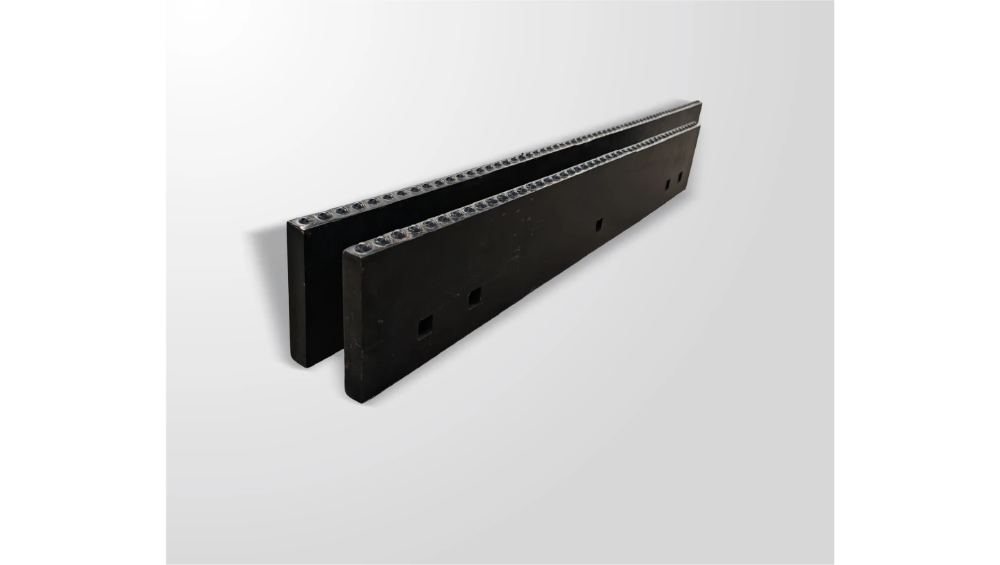
For a snow removal contractor, blades are not a line item — they are an operating cost that decides whether a season makes money. Every changeout costs labor and downtime, and every storm that catches a fleet with worn edges costs customers. This guide covers what contractors should evaluate when buying snow plow blades: duty cycle, materials, sizing, stocking, and supplier verification. Start your comparison on the snow plow blade catalog page.
What to Look for in a Plow Blade
Look past the price tag and evaluate four things: expected life on your routes, fitment to your plows, changeout effort, and supplier reliability. A blade that lasts twice as long at 1.5x the price is cheaper per mile — that is the math that matters to a contractor.
Blade Materials Compared
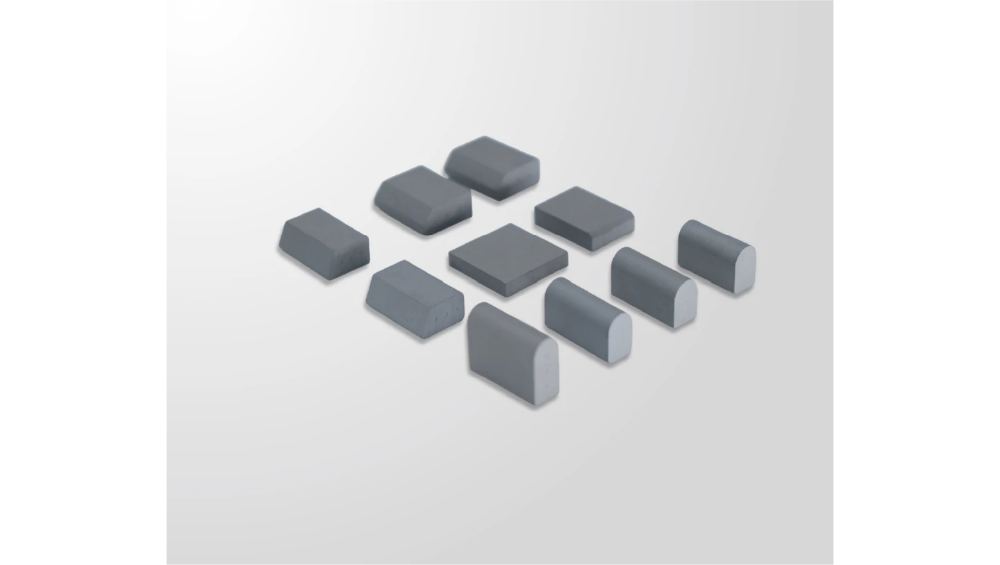
Steel is the low-cost baseline but wears fast on contract duty. Carbide extends life dramatically and is the standard choice for contractors clearing long commercial routes. Rubber-flex carbide adds quiet, pavement-friendly operation for lots with markings and decorative surfaces. The material should match the contract, not the catalog.
Cost Considerations
Build the comparison on cost per mile or per parking-lot pass: blade price, replacement frequency, labor per change, and lost clearing time. Field data from agency studies shows carbide and rubber-carbide blades saving hundreds of dollars per blade versus steel over a season — savings that go straight to a contractor’s margin.
Size and Fit
Confirm the AASHTO bolt pattern (8-inch or 12-inch on-center), section length (3-foot or 4-foot), and thickness before pricing. A blade that needs drilling or adapters adds labor to every changeout. Fit should be verified with the supplier, not assumed from a model number.
Where to Buy Plow Blades
Contractors buy from distributors or directly from manufacturers. Direct sourcing usually means better pricing, customization, and quality documentation, at the cost of managing the relationship yourself. For a fleet of several plows, the direct route often pays.
Contractor Duty Cycle vs Municipal
Contractors run shorter, more intense duty: parking lots, commercial sites, and residential streets, often on tight schedules between storms. That duty cycle punishes blades differently than municipal highway plowing, so contractor blades should be selected for frequent starts, tight turns, and pavement sensitivity.
Spare Blade Stocking Math
Stock one spare section per plow type plus the expected replacement quantity for the season. If a plow changes blades every 2-3 storms, stock accordingly — running out mid-season means downtime at exactly the wrong time. Track changes per plow to size your inventory accurately.
Verifying Supplier Quality Documents
Ask every supplier for the documentation that proves quality: material certificates, brazing process details, and QC records. Independent programs like Clear Roads evaluate blades on field performance precisely because claims are cheap and data is not.
Direct-from-Manufacturer vs Distributor
Distributors offer convenience and local stock; manufacturers offer specification control, customization, and traceability. Many contractors use distributors for standard sizes and a direct manufacturer relationship for fleet standardization and custom edges.
Seasonal Buying Timing and Lead Times
Order before the season, not during it. Manufacturer lead times and freight schedules tighten as winter approaches, and a late shipment means running the season on worn edges. Buying pre-season also gives time to run a trial and validate the blade before the first storm.
Frequently Asked Questions
What blade material is best for a snow removal contractor?
Carbide is the standard for commercial contract duty because it minimizes changeouts. Rubber-flex carbide is better for pavement-sensitive lots; steel only suits very light duty.
How many spare blades should I stock?
One spare per plow type plus the season’s expected replacements. Track change history per plow and stock to that number plus a buffer.
Is it better to buy direct from a manufacturer?
For fleet standardization and pricing, yes. For single urgent replacements, a distributor with local stock is faster.
When should I order blades for winter?
Before the season — ideally in late summer or early fall — to lock in lead times and run a trial before the first storm.
Buy blades that make the season profitable. Compare materials, sizes, and pricing on the SENTHAI snow removal blade options and ask SENTHAI about pre-season stocking and fleet pricing.