Carbide Blade Care in Salt Environments: Bonding and Corrosion
Road salt does not just attack steel — it attacks the bond between carbide and steel. For a carbide blade, the question is whether the brazed joint survives constant exposure to road brine, calcium…

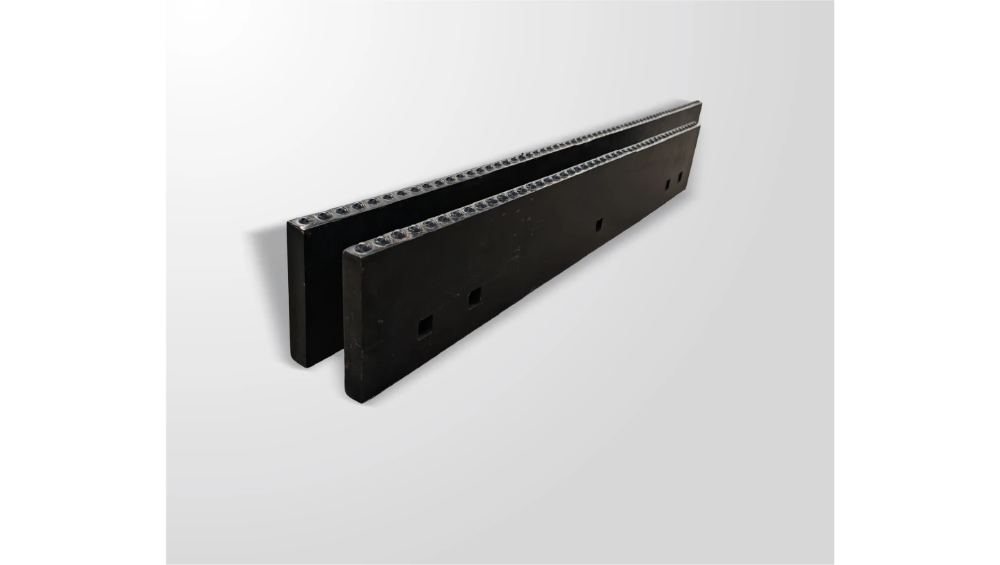
Road salt does not just attack steel — it attacks the bond between carbide and steel. For a carbide blade, the question is whether the brazed joint survives constant exposure to road brine, calcium chloride, and high-frequency vibration. The answer is engineered before the blade ships: surface conditioning, brazing integrity, and inspection. The carbide blade product page documents the bonding process behind that reliability.
Rust and Corrosion on Blades
Steel edges corrode in the brine environment, and corrosion accelerates wear at the cutting surface. Carbide itself resists corrosion, but the steel body and the bond line are exposed. Protection comes from material choice and bond quality, plus a cleaning routine.
Cleaning Carbide Blades
Rinse or brush accumulated salt from the blade after heavy storms, especially around inserts and mounting hardware. Cleaning prevents corrosion from hiding bond defects and lets inspections actually see the blade’s condition.
Storage Best Practices
Off-season storage matters: remove, clean, dry, and inspect sections, then store away from chemical exposure. A blade stored wet and salty corrodes before the first storm — the cheapest blade care is also the most neglected.
Maintenance Routine
Inspect wear, inserts, and bond lines after major storms and weekly during active season. Check mounting hardware for looseness. Log the condition per truck so problems are caught early and trends are visible.
How Salt Damages Steel
Deicing chemicals accelerate corrosion of steel components in the highway environment. FHWA research on bridge corrosion documents how aggressive these chemicals are; blades sit in the same environment on every pass.
How Salt Attacks the Blade Bond
Brine can work its way into a weak brazed joint, corroding the interface and loosening the insert over time. Bonding integrity is the critical factor: a properly brazed insert with a clean bond surface resists moisture entry far better than a weak joint.
Surface Conditioning for Strong Bonds
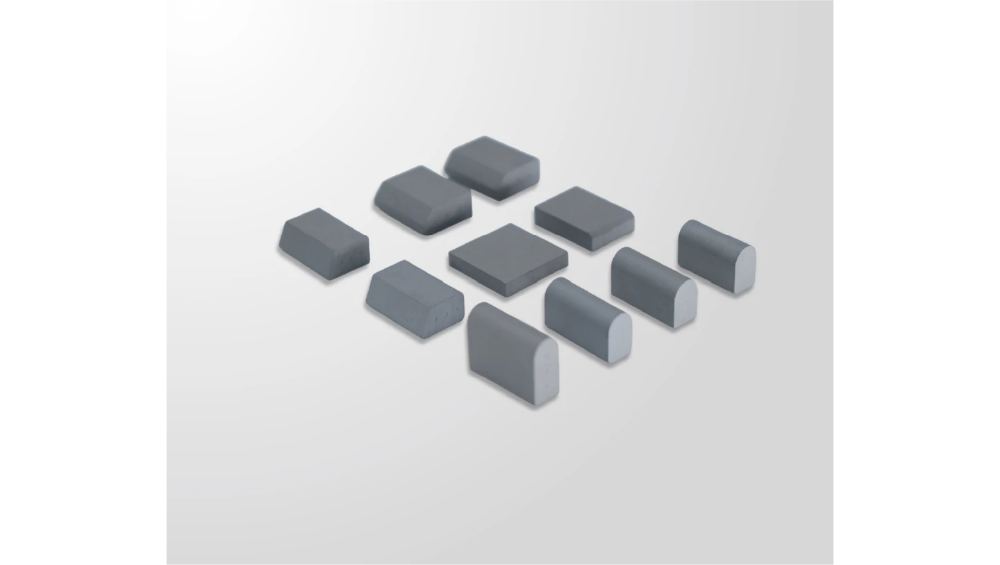
SENTHAI uses precision sandblasting to condition the insert surface before brazing, removing residue and exposing a clean, cobalt-rich surface. This improves wetting of the brazing alloy and creates a superior metallurgical bond that holds up under brine exposure.
Brazing Integrity Under Brine Exposure
The brazed joint is the blade’s defense against moisture. High-quality brazing with a clean surface keeps inserts secure despite salt, calcium chloride, and vibration. Bond quality, not carbide grade alone, determines long-term reliability in salt-heavy winters.
Inspection Routine for Bond Health
- Press each insert — no movement in its holder.
- Look for rust bleeding at the brazed joint.
- Check for cracks or chips around inserts.
- Compare sections for uneven wear or bond failure.
Seasonal Storage Protocol
At season end: remove sections, wash off salt, dry completely, inspect for bond damage, and store dry. Replace any section with visible bond deterioration before next season. Storage is where next season’s blade condition is decided.
Frequently Asked Questions
Does road salt damage carbide blades?
Carbide resists corrosion, but the steel body and the carbide-to-steel bond are exposed. Strong brazing and a cleaning routine protect both.
Why do carbide inserts come loose in salty winters?
Brine can work into weak brazed joints and corrode the interface. Surface conditioning and quality brazing prevent moisture from reaching the bond.
How do I inspect the bond?
Press inserts for movement, check for rust bleeding at joints, and inspect for cracks. Do this after major storms and weekly during the season.
How should I store blades after winter?
Clean, dry, inspect, and store away from chemicals. Wet, salty storage corrodes blades before the next season.
Built to survive brine season. Review the bonding process on the SENTHAI carbide blade options and ask SENTHAI about salt-environment testing.