Custom Carbide Snow Plow Blades: From Drawing to Production
Not every plow runs a standard blade. Custom carbide snow plow blades are manufactured to your drawings, samples, or specifications — moving through engineering confirmation, sampling, and controlled production runs. For OEMs and specialized…
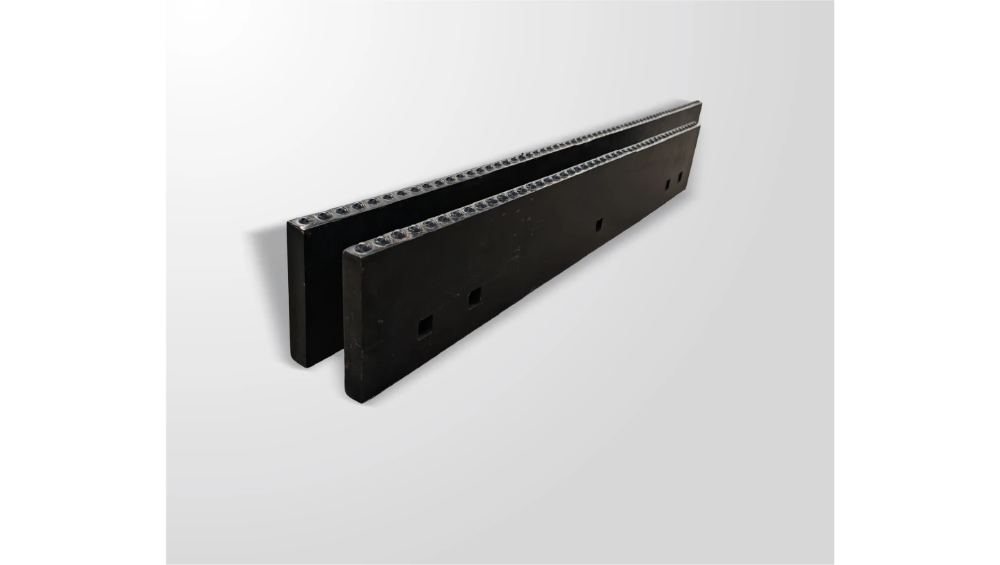
Not every plow runs a standard blade. Custom carbide snow plow blades are manufactured to your drawings, samples, or specifications — moving through engineering confirmation, sampling, and controlled production runs. For OEMs and specialized fleets, custom manufacturing is how a blade becomes proprietary. The SENTHAI carbide snow plow blade page describes the standard range that custom work builds on.
Why Choose Custom Blades
Custom blades solve fit problems, meet OEM specifications, and create proprietary products. Non-standard lengths, hole patterns, thicknesses, or carbide configurations are the common reasons fleets and OEMs move beyond the standard catalog.
Custom vs Standard Blades
Standard blades cover the common AASHTO sizes; custom blades cover everything else. Custom costs more and takes longer, but it delivers exact fit and, for OEMs, a product no competitor stocks.
Design Process
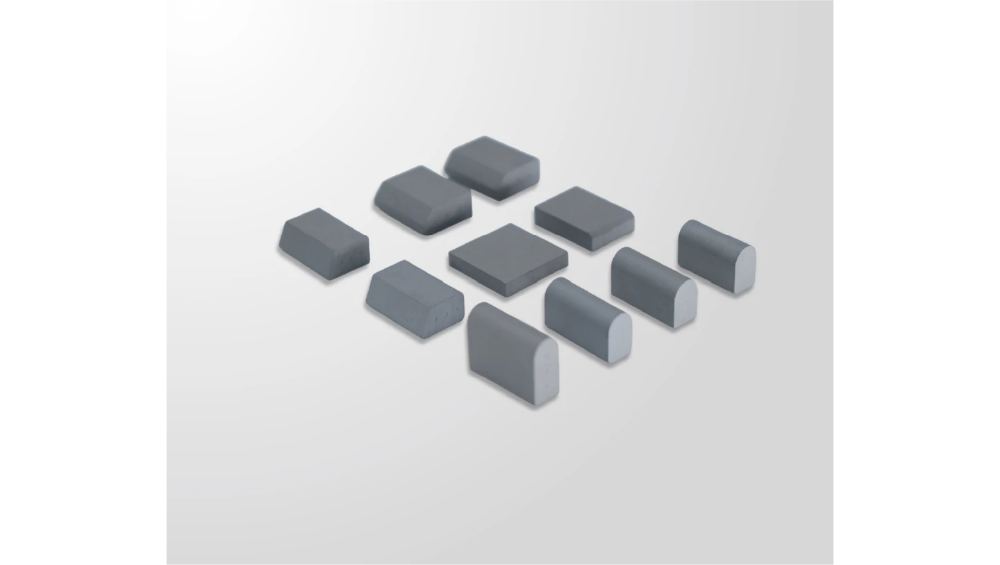
The process starts with your input — a drawing, a sample, or a written specification. Engineering confirms the production profile, including section size, bolt pattern, carbide grade, and geometry, before any tooling or sampling begins.
Lead Times
Custom production adds engineering, sampling, and scheduling time on top of standard lead times. Plan custom orders before the season — a custom blade ordered mid-winter is a custom blade that arrives late.
Cost of Custom Blades
Custom blades cost more per unit than standard sizes, but the premium buys exact fit and, for OEMs, exclusivity. Evaluate the cost against the alternative: field-modified standard blades that fit poorly and wear unevenly.
What to Send the Manufacturer
- A dimensioned drawing or physical sample.
- Bolt pattern and hole spacing.
- Required carbide grade or performance requirements.
- Quantity, packaging, and delivery expectations.
Engineering Confirmation and Sampling
The engineering team confirms the profile and produces samples for approval before mass production. The approved sample becomes the reference for every production lot — this is the quality gate that protects the whole program.
Tolerances (±0.02mm) and Quality Control
SENTHAI holds dimensional tolerances as tight as ±0.02mm, with QC records per lot. Research on cutting edges — NCHRP Project 06-19 — recommends measurable quality controls for exactly this kind of specification-driven purchasing.
Lot Traceability for OEM Programs
Every custom lot is traceable to raw materials and process settings, so a field issue can be isolated to a batch and corrected. Traceability is the documentation that makes a custom program defensible internally and to end customers.
Building a Repeatable Custom Program
Turn a one-off custom order into a repeatable program: keep the approved sample, document the spec, and schedule production runs before the season. Repeatability is what converts a custom blade into a standard part of your fleet or product line.
Frequently Asked Questions
What information does a manufacturer need for a custom blade?
A dimensioned drawing or sample, bolt pattern, carbide requirements, quantity, and delivery expectations. The more complete the input, the faster the confirmation.
How long do custom blades take?
Add engineering, sampling, and scheduling time to standard lead times. Order before the season for custom work.
Are custom blades worth the extra cost?
When fit or specification matters — yes. Field-modified standard blades wear unevenly; custom blades fit exactly and, for OEMs, create a proprietary product.
Can custom blades be reordered consistently?
Yes, when the spec and approved sample are kept on file, production lots are reproducible with QC records.
Turn your drawing into production. Start from the SENTHAI carbide blade specifications and send your specifications for engineering confirmation and sampling.