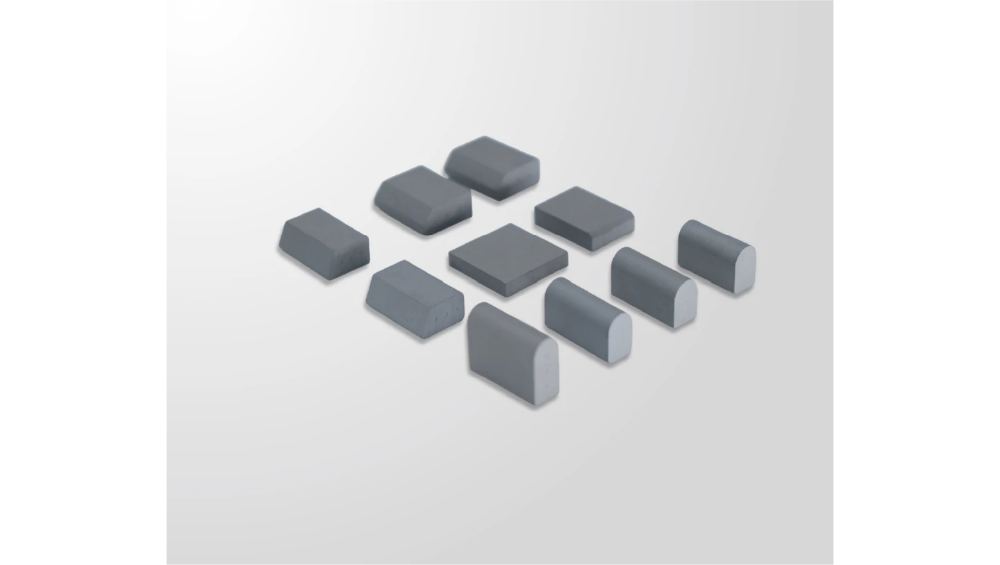
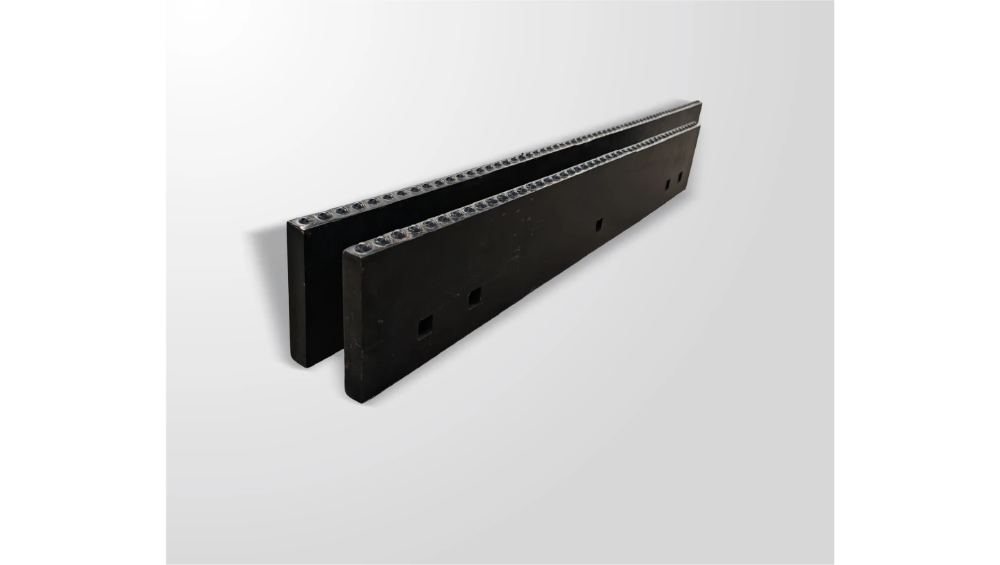
Carbide Blade Design for Ice and Packed Snow: Attack Angle and Geometry
Cutting ice is a geometry problem as much as a material problem. A carbide blade with the right attack angle bites into black ice and packed snow, while the same blade at the wrong…
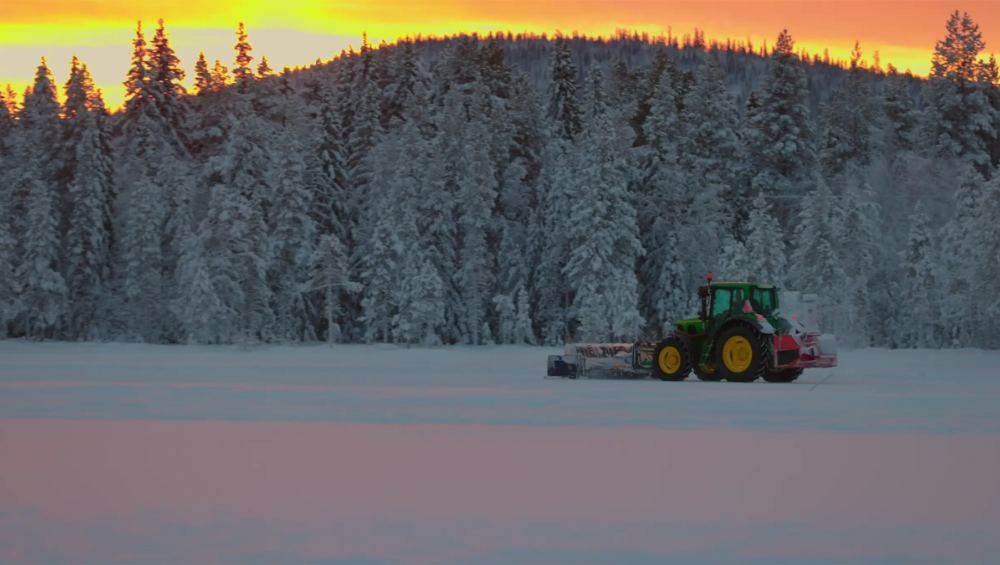
Cutting ice is a geometry problem as much as a material problem. A carbide blade with the right attack angle bites into black ice and packed snow, while the same blade at the wrong angle skates or chatters. SENTHAI engineers the attack angle to balance aggressive ice-cutting with surface protection — cutting the ice without damaging the road. The carbide blade construction details describes the design.
How Blades Cut Ice
An edge cuts ice when it can penetrate and maintain downward pressure. Carbide’s hardness lets the edge bite into ice that steel edges polish; the geometry determines whether that bite fractures ice or deflects off it.
Blade Design Factors
Four factors decide ice performance: attack angle, edge profile, carbide hardness, and the steel structure behind the edge. Changing any one changes how the blade meets ice — which is why design, not just material, separates good blades.
Impact of Angle
The attack angle sets how the edge meets the surface. Too shallow and the blade skates; too steep and it gouges. The optimized angle fractures ice while allowing the blade to glide over pavement irregularities.
Material Performance
Carbide hardness cuts ice; toughness survives the impact of packed ice and hidden obstacles. The grade balance determines whether the edge chips or keeps cutting through a hard winter.
Real-World Results
In the field, the design shows up as fewer passes: a properly angled carbide edge removes ice in the first pass instead of polishing it for a second. The result is safer roads and less fuel burned per cleared mile.
The Optimized Attack Angle Explained
SENTHAI’s carbide blades use an optimized attack angle that balances aggressive ice-cutting power with surface protection. The angle is engineered into the blade, not left to installation — so every blade performs consistently.
Balancing Ice Cutting and Surface Protection
The same geometry that fractures black ice can also damage porous asphalt if it is too aggressive. SENTHAI’s design cuts ice yet glides over porous asphalt without dislodging aggregates — protecting the road investment while clearing it.
Vacuum Sintering and Stress Relief
Ice impact is high-frequency and high-force. Vacuum sintering produces a dense, tough carbide structure, and patented stress relief reduces internal residual stress, so the edge resists fracturing in extreme sub-zero temperatures.
Black Ice vs Packed Snow Behavior
Black ice is dense and smooth; packed snow is compressible but abrasive. A good carbide edge bites both: it fractures black ice with downward pressure and scrapes packed snow with its cutting face. The geometry is tuned for both, not just one.
Field Verification Protocol
Verify ice performance on your own routes: same truck, same speed, same storm, and compare passes required. FHWA anti-icing guidance notes that ice control is a system of chemicals and mechanical removal — the blade’s job is to make the mechanical pass effective.
Frequently Asked Questions
Why does my blade skate on ice?
Skating happens when the edge cannot bite — often a worn edge or an attack angle that is too shallow. A carbide edge with the right angle maintains downward pressure.
Does attack angle matter more than material?
Both matter. Material determines whether the edge stays sharp; geometry determines whether it bites. The best blades engineer both together.
Can a carbide blade damage porous asphalt?
Only if the geometry is too aggressive. A properly angled carbide edge fractures ice without lifting porous aggregates.
How do I test ice performance?
Run a controlled comparison on the same route and count passes required, then verify no pavement damage afterward.
Cut the ice, not the road. Review the ice-cutting design on the SENTHAI carbide cutting edge systems and ask SENTHAI about field testing on your routes.