How Packed Ice Kits Reduce De-Icing Salt Use
De-icing salt is expensive and environmentally damaging, and agencies are under pressure to use less of it. Better mechanical removal is the most direct lever: if the plow removes more ice, the chemical program…

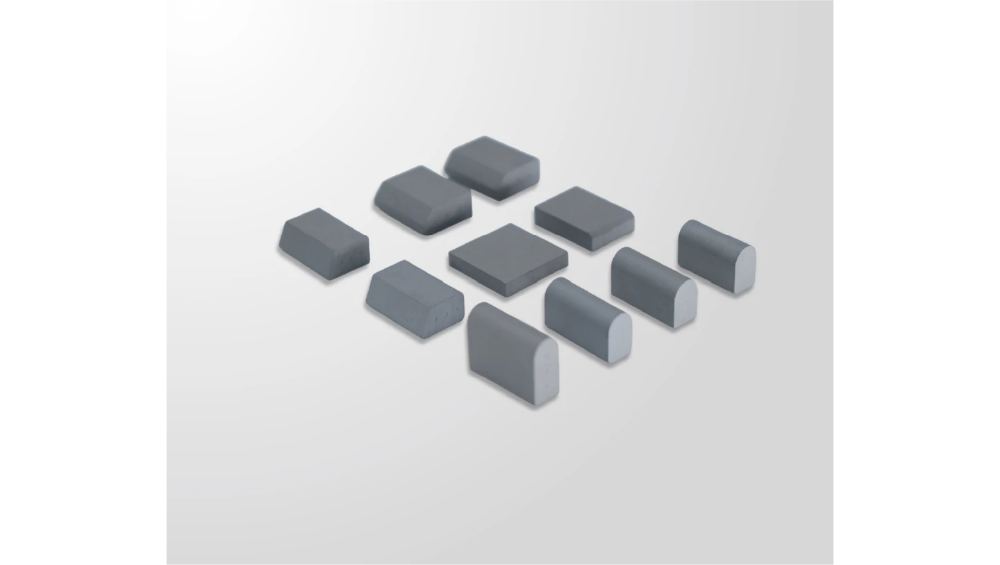
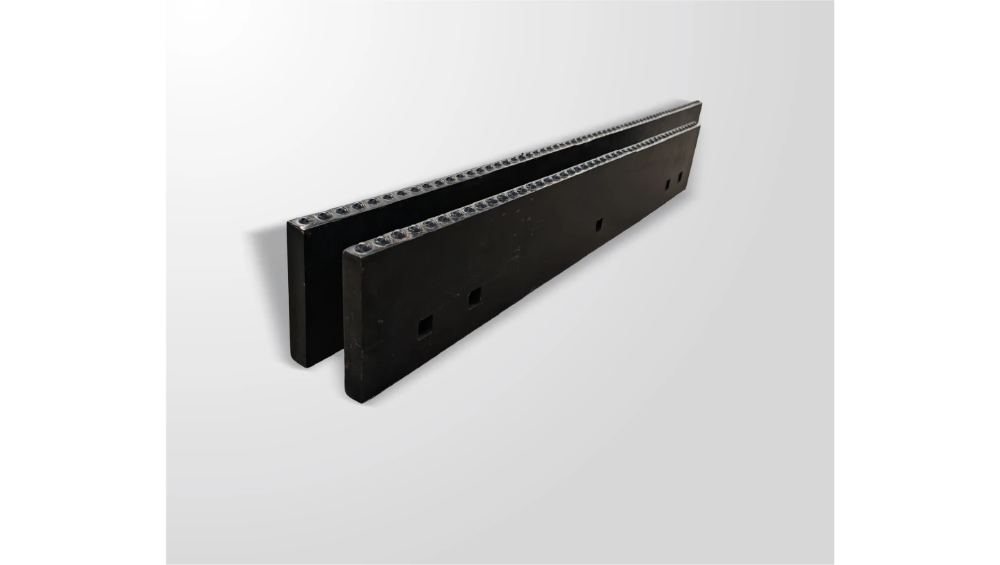
De-icing salt is expensive and environmentally damaging, and agencies are under pressure to use less of it. Better mechanical removal is the most direct lever: if the plow removes more ice, the chemical program needs less salt. Packed ice carbide kits are engineered for exactly that — breaking the ice-pavement bond mechanically so salt application can drop, often by up to 25-40%. The packed ice kit sizes and configurations documents the design.
Salt Use in Winter Maintenance
Salt is the default tool for ice control, but it carries costs: purchase, application labor, corrosion of vehicles and infrastructure, and environmental impact. Every ton of salt that can be removed mechanically is a ton saved.
Environmental Impact of Salt
Road salt affects water quality, vegetation, and infrastructure. FHWA and transportation research — including the Western Transportation Institute’s corrosion study — document the annual cost of salt corrosion on bridges, vehicles, and roads in snowbelt states. Reducing salt use is both environmental and financial.
Cost of De-Icing Chemicals
Chemical budgets grow with severe winters and rising salt prices. Mechanical ice removal cuts the volume required, converting a chemical line item into a capital equipment decision with predictable savings.
Alternatives to Salt
Alternatives like brine and calcium chloride still cost money and still corrode. The most effective alternative is to remove ice mechanically before chemicals are needed — which is the role of a packed ice kit.
Best Practices
Agencies combine mechanical removal, chemical treatment, and anti-icing strategies. FHWA anti-icing guidance emphasizes applying the right treatment at the right time; better mechanical fracture lines make every chemical application more effective.
How Mechanical Fracture Lines Work
The kit’s dome-head carbide creates high-density fracture lines in the ice crust, breaking the bond between ice and pavement. The fractured ice becomes slush that follow-up plows clear easily — without waiting for chemicals to dissolve it.
Reducing Salt Application with Better Scraping
When the blade removes the ice layer itself, salt only needs to handle the residue, not the whole crust. That is the mechanism behind the 25-40% reduction: less ice left for chemistry to dissolve.
Environmental Compliance Angle
Reduced chemical use supports environmental mandates, watershed protection, and community expectations. A mechanically efficient blade is an environmental program that also saves money — an increasingly important combination for public agencies.
Budget Savings from Less Chemical Use
Salt savings compound across a fleet: fewer tons purchased, less application time, less corrosion damage. Model the reduction with your salt price and application rates to quantify the annual saving per truck.
Combining Mechanical and Chemical Ice Control
The best programs treat blade and chemical as one system: kit fractures ice, chemical treats residue, anti-icing prevents the next bond. The kit makes the system more efficient, cutting both salt and passes.
Frequently Asked Questions
Can a blade really reduce salt use?
Yes. If mechanical removal breaks the ice-pavement bond, chemicals only need to treat the residue — reductions of 25-40% are realistic on ice-heavy routes.
Do packed ice kits work with brine programs?
Yes. Better mechanical fracture makes every chemical application more effective, whether salt, brine, or calcium chloride.
How do I measure salt savings?
Track salt use per route before and after switching, on the same routes and similar storms. One season of data quantifies the reduction.
Is reducing salt worth the kit cost?
On ice-heavy routes, usually yes — salt savings, fewer passes, and less corrosion damage offset the higher blade cost.
Cut salt and clear ice faster. See the ice-fracture design on the SENTHAI packed ice kit lineup and ask SENTHAI for salt-reduction case support.