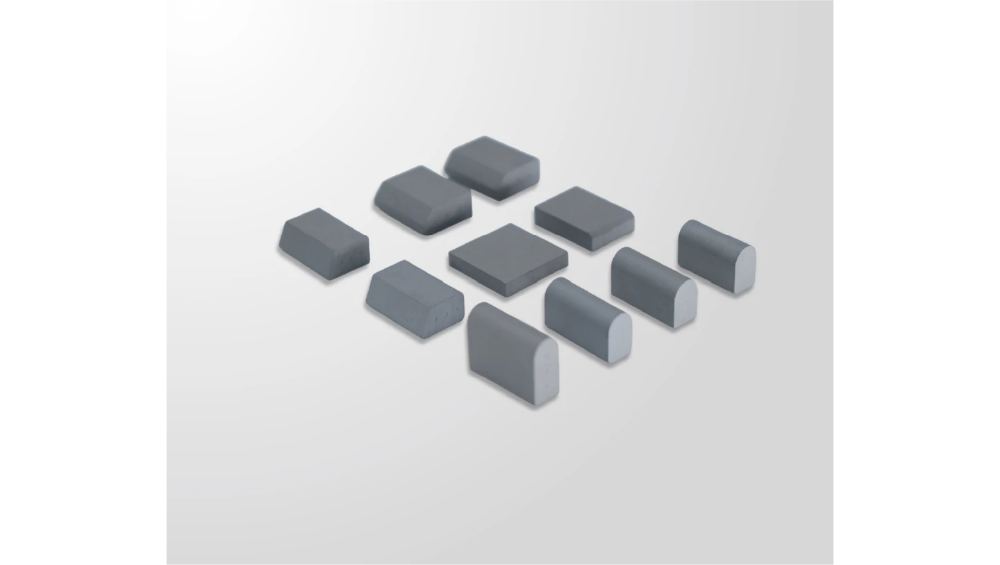
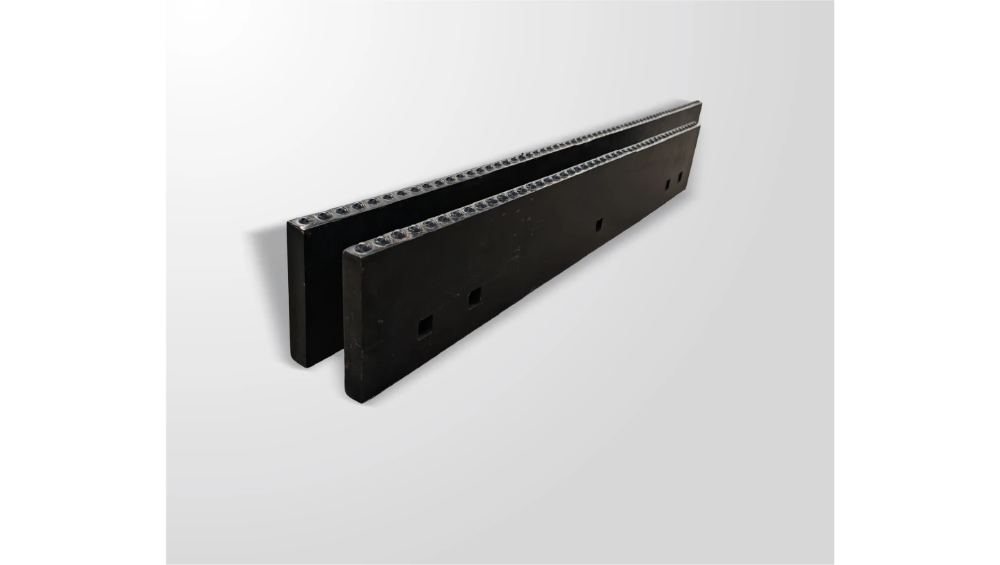
What Is a Packed Ice Carbide Kit and How Does It Work
A packed ice carbide kit is a specialized cutting edge system designed to fracture thick, compacted ice that standard blades cannot break. It combines dome-head carbide geometry, isolated inserts, and engineered downward pressure to…
A packed ice carbide kit is a specialized cutting edge system designed to fracture thick, compacted ice that standard blades cannot break. It combines dome-head carbide geometry, isolated inserts, and engineered downward pressure to shatter frozen layers — restoring traction faster and safer. The SENTHAI packed ice carbide kit page shows the product and specifications.
What Is a Packed Ice Blade
A packed ice blade is a carbide edge optimized for ice penetration rather than general scraping. Where standard edges polish ice, packed ice kits concentrate force into the ice’s crystalline structure to fracture it.
How Ice Blades Work
The kit works by focusing downward pressure through dome-head carbide geometry. That pressure creates fracture lines in the ice layer, breaking the bond between ice and pavement so follow-up plows can clear the resulting slush.
Benefits of Ice Removal Kits
- Fractures thick, compacted ice standard blades cannot cut.
- Protects porous asphalt and pavement from damage.
- Can reduce de-icing salt use through better mechanical removal.
- Extended service life with low maintenance.
Applications
Packed ice kits suit municipal highways, specialized winter pathways, and any route where thick ice repeatedly forms. They are most valuable after freeze-thaw cycles that leave dense, bonded ice layers.
Cost Considerations
Kits cost more than standard blades, but the value is measured in safety and efficiency: fewer passes, less salt, and lower crash risk on ice. Evaluate against the cost of leaving ice on the road.
The I.C.E. Blade Design Explained
SENTHAI is the OEM manufacturer for I.C.E. Blades, with patented advantages in blade manufacturing. The design isolates carbide inserts from one another to prevent lateral cracking — a structural detail that extends service life on ice duty.
Dome-Head Geometry
The specialized dome-head geometry focuses downward pressure on the ice’s crystalline structure rather than cutting into the road’s bitumen or lifting porous aggregates. The result: ice is pulverized, pavement stays intact, even at high speeds.
Isolated Insert System
Carbide inserts are strategically isolated from one another, preventing cracks from spreading across the section. Isolation provides enhanced ice penetration and structural integrity — the difference between an ice blade and a general carbide blade.
When Standard Blades Fail on Ice
Standard blades skate, chatter, or polish hard ice because they lack the geometry and pressure concentration to fracture it. Packed ice kits are built for exactly that failure mode — the reason they are specified for the worst ice routes.
Where the Kit Fits in Winter Operations
Use the kit on trucks assigned to ice-prone routes, pairing it with chemical treatment as a system. The kit does the mechanical fracture; de-icing chemicals handle the residue. Together they clear ice faster and with less chemical.
Frequently Asked Questions
When do I need a packed ice kit?
When your routes repeatedly form thick, compacted ice that standard blades cannot fracture — typically after freeze-thaw cycles or on shaded, ice-prone stretches.
Do packed ice kits damage the road?
No — the dome-head geometry fractures ice without cutting into bitumen or lifting porous asphalt aggregates.
Can packed ice kits reduce salt use?
Yes. By mechanically breaking the ice-pavement bond more efficiently, the kit can reduce salt application — often by up to 25-40%.
Are packed ice kits maintenance-heavy?
No. The 4-foot sections are built as solid, high-durability units designed to run until the carbide reaches its wear limit.
Break ice that standard blades cannot. See the design and specifications on the SENTHAI packed ice kit specifications and contact SENTHAI for ice-route recommendations.