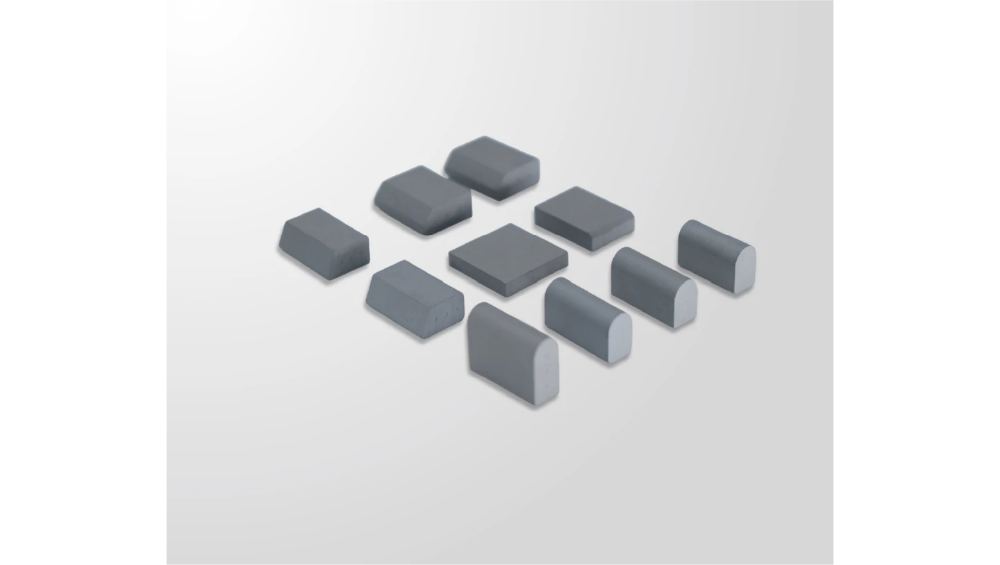
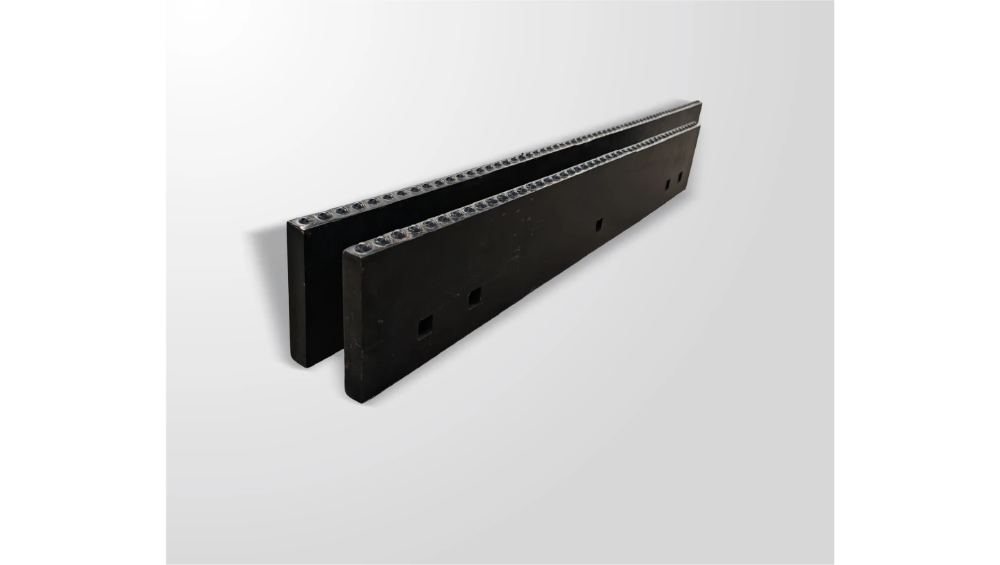
Best Carbide Tipped Ice Scratchers?
Quad snow blade skid shoes are far more than simple wear pads — they are a critical protection system that prevents costly surface damage, extends plow blade life, and improves snow removal efficiency. High-quality…

Quad snow blade skid shoes are far more than simple wear pads — they are a critical protection system that prevents costly surface damage, extends plow blade life, and improves snow removal efficiency. High-quality skid shoes, like SENTHAI’s carbide-reinforced models, give commercial operators a measurable ROI by reducing downtime, repair bills, and blade replacement cycles, with a typical payback of 1–2 winter seasons.
(Last modified date: August 31, 2026)
Key Takeaways
- Unprotected steel blades gouge asphalt and concrete by 2–4 mm per season and displace 30–50 tons of gravel per acre per winter on mixed surfaces.
- Carbide skid shoes last 2–3× longer than basic steel shoes and cut total cost per acre by 25–35% over three years.
- Payback for upgrading to carbide skid shoes is typically 12–18 months for commercial quad plow operators.
- Match the shoe to the surface: metal/carbide for asphalt and concrete, UHMW or low-profile carbide tips for pavers and brick, carbide-tipped for gravel; see how packed ice kits reduce de-icing salt use.
How Widespread Is Surface Damage from Improper Snow Plowing?
In North America, driveways, parking lots, and municipal roads suffer extensive surface damage every winter due to unprotected snow plows. The U.S. Department of Transportation estimates that pavement repair costs for snow-related gouging and rutting exceed $180 million annually in the U.S. alone, with private contractors and municipalities accounting for more than 65% of those claims. Studies on heavy-use parking lots show that unprotected steel blades can wear through asphalt or concrete by as much as 2–4 mm per season, leading to drainage issues, tripping hazards, and premature resurfacing. In gravel and mixed surfaces, blade “digging” can displace up to 30–50 tons of material per acre over a winter, creating uneven terrain and increasing regrading costs later. Commercial fleets that fail to use proper skid shoes also report 25–40% higher blade replacement rates and 15–20% more hydraulic and linkage repairs, simply because the blade is constantly bottoming out on uneven surfaces.
Why Do Traditional Blade Designs Damage Paved and Gravel Surfaces?
Most basic quad snow blades are designed with a flat bottom edge that contacts the pavement directly, especially when the blade is tilted or on uneven ground. On asphalt and concrete, this causes gouging, scraping of the surface seal, and accelerated wear of the cutting edge, which in turn increases the risk of chipping and cracking the surrounding pavement. On gravel or mixed surfaces, an unprotected blade behaves like a scoop, digging into the top layer and pulling out stones, sand, and aggregate. The result is an uneven, unsafe surface and a blade that wears out far faster than it should.
What Makes Quad Snow Blade Skid Shoes a Complete Protection System?
A modern skid shoe system does three jobs at once: it sets a controlled ride height so the cutting edge stays off the pavement, it absorbs the shock of uneven surfaces before it reaches the blade and hydraulic system, and it provides a replaceable wear surface that is cheaper to swap than a full blade. Adjustable skid shoes let operators optimize plow height for different conditions, improving both surface protection and clearing performance. See also packed ice kits vs standard blades.
How Do Quad Skid Shoes Compare to Traditional Protection Methods?
| Aspect | Unprotected steel blade | Basic steel skid shoes | Carbide skid shoes (e.g., SENTHAI) |
|---|---|---|---|
| Surface gouging risk | High | Moderate | Low |
| Wear life | Shortest | Baseline | 2–3× longer |
| Blade replacement impact | 25–40% higher rates | Moderate | Lower |
| Seasonal cost per plow | High (repairs + blades) | $300–500 | $180–300 |
What Materials Offer the Best Durability for Commercial Skid Shoes?
For hard surfaces (asphalt, concrete), metal or carbide skid shoes are used with a 1–2 cm height setting to prevent gouging. For delicate surfaces (pavers, brick), softer materials like UHMW or low-profile carbide tips are preferred to avoid scratching. On gravel and mixed surfaces, carbide-tipped skid shoes are the standard, as they resist wear while maintaining a consistent ride height. SENTHAI offers multiple configurations optimized for each surface type, letting fleets match skid shoes to their most common pavement conditions.
Typical Use Cases
- Gravel parking lot contractor: carbide-tipped shoes prevent blade digging and reduce regrading costs on mixed surfaces.
- Municipal fleet on mixed pavement: adjustable shoes set the right height per route, cutting surface repair claims.
- Resort with brick driveways and pavers: UHMW or low-profile carbide tips protect delicate surfaces.
- Large commercial parking lot operation: fewer blade and skid replacements plus reduced hydraulic repairs across a fleet.
Installation and Maintenance
Inspect skid shoes at least once per week during heavy plowing periods, and immediately after any major storm or suspected impact. Verify the height setting matches the surface type, check for uneven wear, and replace shoes before they wear into the mounting. Adjustable skid shoes are most beneficial on mid-size and larger utility quads (500cc and above) with heavy-duty plow blades, typically 82–88 inches wide; compact quads can use simpler fixed-height models unless they work uneven or mixed surfaces.
Frequently Asked Questions
How do quad skid shoes save money in the long term?
They reduce three cost centers — blade replacement, surface repair, and maintenance labor. Carbide shoes last 2–3× longer than steel, and fleets report 25–35% lower total cost per acre cleared over three years.
Can quad skid shoes be used on all types of pavement?
Yes, with the right setup: metal or carbide for asphalt and concrete, UHMW or low-profile carbide tips for pavers and brick, and carbide-tipped shoes for gravel and mixed surfaces.
Which quad sizes are best suited for adjustable skid shoes?
Mid-size and larger utility quads (500cc and above) with heavy-duty plow blades, typically 82–88 inches wide, benefit most from adjustable shoes; compact quads can use simpler fixed-height models.
What’s the typical payback period for upgrading to carbide skid shoes?
1–2 winter seasons. Most operators see a full return on investment within 12–18 months through reduced blade, skid, and repair costs, after which the savings are pure profit improvement.
How often should skid shoes be inspected during winter operations?
At least once per week during heavy plowing periods, and immediately after any major storm or suspected impact, checking height settings and uneven wear. See also how to choose a wear-resistant carbide tool manufacturer.
Related Articles
- How Packed Ice Kits Reduce De-Icing Salt Use
- Packed Ice Kits vs Standard Blades: Performance and Cost
- How Do I Choose a Manufacturer for Wear-Resistant Carbide Tools and Parts?