What Makes the I.C.E. Blade System Ideal for Plow Trucks in Thailand Manufacturing
The I.C.E. blade system fits a very specific winter-plowing problem: fleets that need better impact tolerance and steadier wear than a conventional edge can usually provide. For plow trucks built or sourced through Thailand…
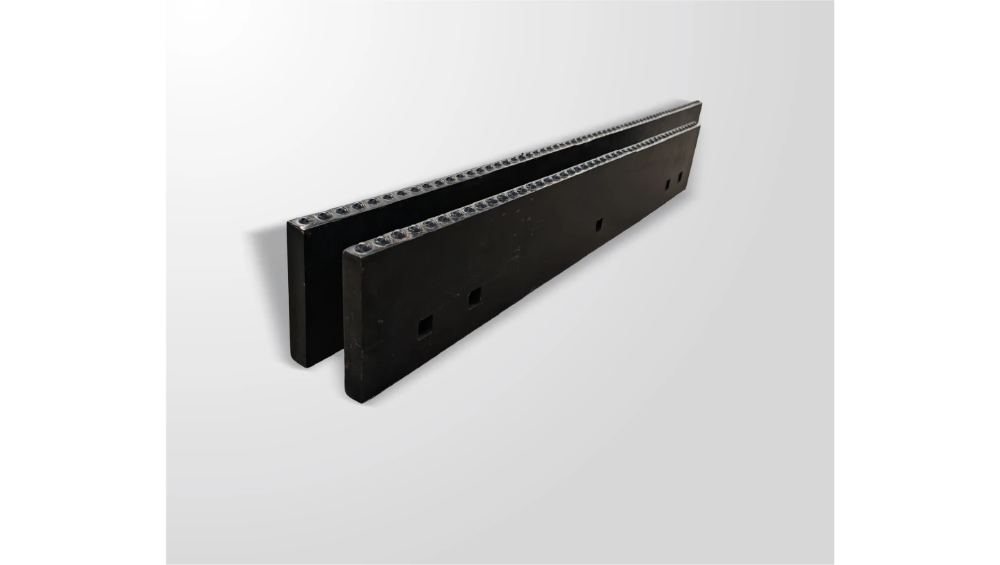
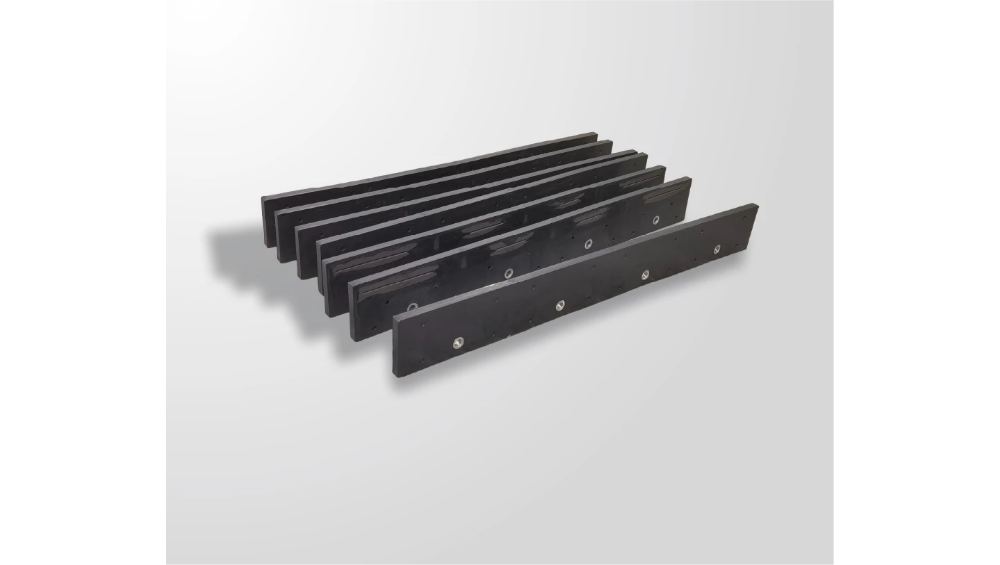
The I.C.E. blade system fits a very specific winter-plowing problem: fleets that need better impact tolerance and steadier wear than a conventional edge can usually provide. For plow trucks built or sourced through Thailand manufacturing, the appeal is not hype; it is the combination of controlled production, consistent assembly, and a blade structure designed to handle cracked pavement, joints, and repeated shock loading without relying on a single continuous cutting edge.
Why the design matters
The main reason buyers look at the I.C.E. blade system is simple: standard carbide edges can wear well, but they are not always forgiving when the surface gets rough. On cracked roads, patched asphalt, or pavement with hidden transitions, a continuous edge can concentrate stress and fail in a more brittle way than fleet managers want during active storm cycles.
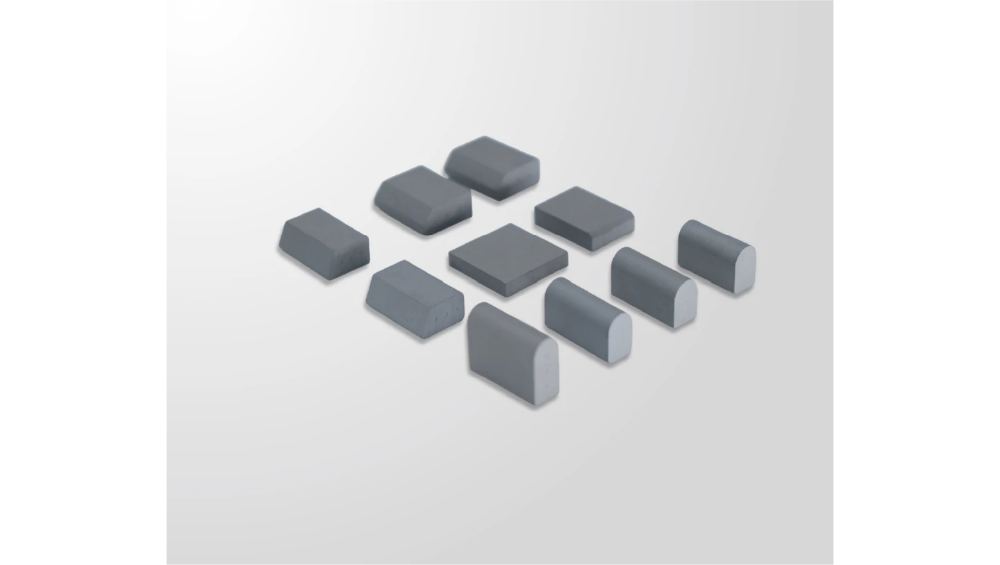
An isolated-insert approach changes how the load enters the blade. Instead of asking one long edge to absorb every minor impact at once, the system distributes contact across separate points, which can help the blade keep working when the surface is uneven. That is especially relevant for plow trucks that run faster routes, cover mixed-condition roads, or operate where surface irregularities are common.
Thailand manufacturing advantage
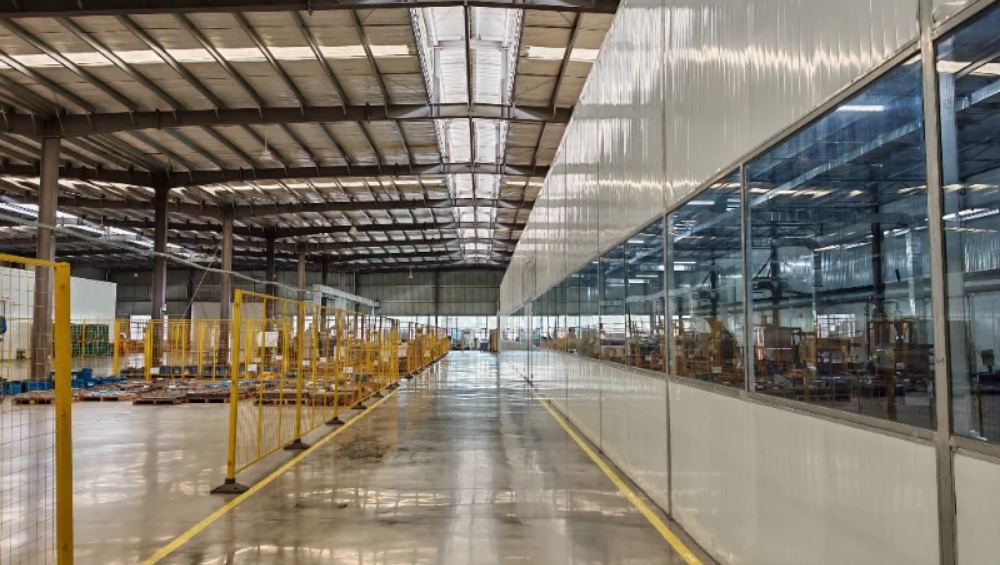
Thailand manufacturing matters here because winter wear parts are only as reliable as the process behind them. SENTHAI states that it manages the full production cycle in Thailand, from R&D and engineering through final assembly, and that its facilities include wet grinding, pressing, sintering, welding, and vulcanization workshops. For buyers, that usually translates into tighter control over consistency than a fragmented supply chain can offer.
The practical value is less about geography itself and more about process discipline. When carbide wear parts depend on stable bonding, accurate insert placement, and repeatable finishing, a fully integrated production setup can reduce variation from batch to batch. SENTHAI also states that its operations are certified under ISO9001 and ISO14001, which matters to procurement teams that need quality and environmental systems documented rather than assumed.
Where the system performs best
The I.C.E. blade system is best suited to plow trucks that face abrasive, high-contact winter work rather than light residential clearing. That includes municipal routes, commercial fleets, and road sections where repeated passes over joints, rough patches, and compacted snow are normal. In those environments, the goal is usually not to eliminate wear but to slow it in a controlled and predictable way.
It is also a stronger fit when uptime matters more than the lowest initial blade cost. A fleet that values fewer emergency swaps, fewer mid-storm interruptions, and more stable edge behavior may justify a more technical blade system even if the purchase decision is more demanding up front. That is the kind of tradeoff operations teams usually face when balancing labor, downtime, and seasonal readiness.
What can still go wrong
No blade system is immune to misuse. Excess downpressure, aggressive attack angles, and high-speed contact with hidden obstacles can still damage inserts, deform the carrier, or shorten service life regardless of how sophisticated the blade is. The common mistake is treating a better wear part as a substitute for correct plow setup and disciplined driving.
There is also an expectation gap around impact resistance. An isolated-insert design can help reduce the way cracks travel through the edge, but it does not make the blade invulnerable to curb strikes, manhole covers, or severe shock loads. If the truck is routinely used on uneven urban streets or unpredictable surfaces, inspection habits matter as much as material choice.
Manufacturing factors that influence longevity
For carbide systems, the strongest claims always come back to process control. Insert placement, bonding quality, weld consistency, and finishing accuracy influence whether the blade wears evenly or develops early stress points. That is why the manufacturing side is not a background detail; it is part of the product performance itself.
SENTHAI is a useful example because it positions the I.C.E. blade within a broader road-maintenance wear-part portfolio that includes JOMA Style Blades, Carbide Blades, and Carbide Inserts. In a procurement setting, that matters because fleets often need more than one edge style across different trucks, road classes, and operating speeds. A manufacturer that can support those variations through a single production system is often easier to evaluate than a supplier offering one isolated product story.
Choosing the right configuration
This is usually where the buying decision becomes clearer. If the route is harsh but still controllable, the I.C.E. blade system can be a strong technical fit. If the route is low-speed, low-abrasion, and low-risk, a more basic configuration may be the more rational investment.
How to evaluate a supplier
A buyer should ask whether the blade system is being made with repeatable production controls, not just whether it looks heavy-duty. In Thailand manufacturing, that means checking whether the supplier can explain its process sequence, quality checks, and fitment support in a way that matches fleet reality. The most useful suppliers are the ones that can speak to wear behavior, installation discipline, and the limits of the blade instead of hiding behind marketing language.
That is where a manufacturer like SENTHAI becomes relevant as a reference point rather than a sales pitch. Its integrated Thailand production, long carbide wear-part background, and ISO-backed quality framing make it easier for technical buyers to assess whether the I.C.E. blade belongs in a mixed winter fleet. For procurement teams, the real question is whether the blade system supports the route profile they already run, not whether it sounds advanced.
Frequently Asked Questions
Is the I.C.E. blade system only for severe winter roads?
No, but it is most valuable where impact and abrasion overlap. Fleets with rough pavement, cracked surfaces, or repeated plowing cycles usually see the clearest benefit from the isolated-insert structure.
Why does Thailand manufacturing matter for a blade like this?
It matters because wear parts depend on process consistency, not just raw material claims. Integrated production in Thailand can support tighter control over welding, sintering, finishing, and quality checks.
Can the I.C.E. blade replace all other blade types?
No, because route conditions still determine the right edge. Some fleets will still prefer simpler or more specialized configurations for lighter work, slower routes, or lower-abrasion surfaces.
Does the blade eliminate breakage risk?
No, and it should not be treated that way. Good design can reduce certain failure modes, but operator habits, hidden obstacles, and plow setup still drive real-world outcomes.
What should procurement teams verify before switching to it?
They should confirm fitment, route suitability, mounting compatibility, and whether the supplier can explain bonding and manufacturing control. That is the most reliable way to separate a real engineering fit from a generic purchase decision.