Isolated Insert Design: Why Packed Ice Kits Resist Cracking
Cracks are the most common structural failure in carbide ice blades — and most of them start at one insert and spread to the next. SENTHAI's packed ice kit solves this with an isolated…
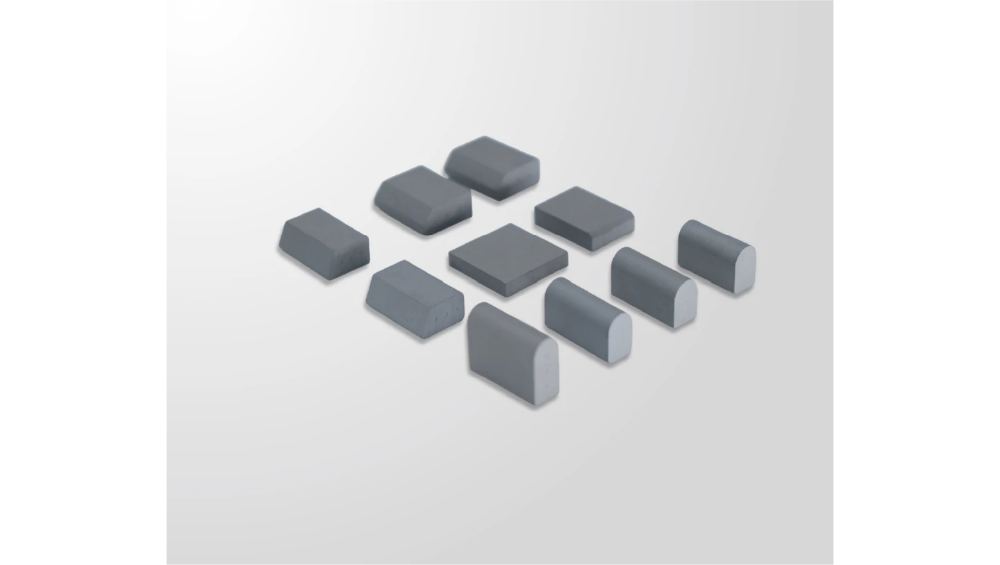
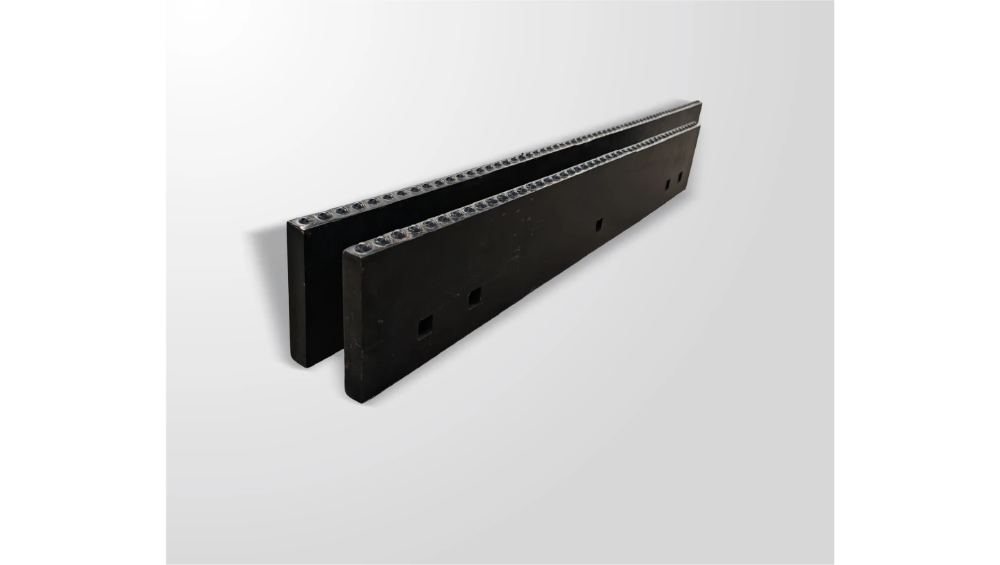
Cracks are the most common structural failure in carbide ice blades — and most of them start at one insert and spread to the next. SENTHAI’s packed ice kit solves this with an isolated insert design: each carbide insert is strategically separated from its neighbors so a crack cannot travel across the section. The result is enhanced ice penetration, structural integrity, and a longer service life. The packed ice carbide kit range documents the design.
Carbide Insert Design
Insert design controls how a blade meets ice and how it fails. Geometry, isolation, and bonding all decide whether the edge fractures ice or fractures itself. Isolation is the structural detail that most manufacturers skip.
Blade Cracking Issues
Cracks start at impact points — hidden ice, manholes, curbs — and propagate through continuous carbide or weak bond lines. Once a crack spreads, the section fails early, taking inserts with it. Preventing propagation is the key to blade life.
Durability of Ice Blades
Ice duty is high-frequency, high-force work. A blade must absorb repeated impacts at speed without cracking. Durability comes from material, geometry, and — critically — design that stops cracks from spreading.
Materials Quality
Premium-grade tungsten carbide and proprietary brazing are the material foundation. Quality materials resist crack initiation; isolation prevents propagation. Both are required for ice-duty durability.
Impact Resistance
Impact resistance is engineered, not claimed: the rugged carbide composition absorbs shock and resists chipping at highway speeds. Combined with isolation, the kit keeps cutting through packed snow and ice all season.
Why Continuous Edges Crack
In a continuous or tightly coupled edge, impact at one insert transfers stress to the next insert, and a crack can run across the section. This is the classic failure mode of ordinary carbide ice blades on harsh routes.
Isolation as a Crack-Stopping Design
By isolating inserts from one another, the kit stops lateral cracking: an impact that damages one insert does not propagate to its neighbors. Isolation is the structural answer to the most common ice-blade failure.
Patented Impact Protection
SENTHAI’s I.C.E. Blades feature patented impact-resistant technology. The rugged carbide composition absorbs shock and resists chipping, ensuring reliable performance when plowing through packed snow and ice at highway speeds.
Highway-Speed Impact Testing
Impact resistance is validated in real operating conditions — manholes, obstacles, and packed ice at speed. Ask any supplier how their insert design is tested; the answer reveals whether isolation is engineered or absent.
What the Design Means for Service Life
Fewer cracks mean fewer early failures, fewer shop visits, and a longer service life. The isolated design is why the kit is specified as a low-maintenance, run-to-wear-limit solution for ice routes.
Frequently Asked Questions
Why do carbide ice blades crack?
Cracks start at impacts and propagate through continuous carbide or weak bonds. Isolation stops propagation by separating inserts from one another.
What is isolated insert design?
Each carbide insert is strategically separated from its neighbors, so a crack or impact at one insert does not spread across the section.
Does isolation reduce cutting performance?
No — isolation enhances ice penetration and structural integrity while preventing lateral cracking. Performance improves with durability.
How do I verify crack resistance?
Ask for the insert design details and field data, and inspect sections on your hardest routes through the season.
Stop cracks before they spread. Review the isolated insert design on the SENTHAI I.C.E. blade solutions and ask SENTHAI for impact-test documentation.