Packed Ice Carbide Kits for Municipal and Highway Fleets
Not every truck in a municipal or highway fleet needs a packed ice kit — but the ones assigned to ice-prone routes need exactly that. Kits fracture thick compacted ice at speed, reduce passes,…

Not every truck in a municipal or highway fleet needs a packed ice kit — but the ones assigned to ice-prone routes need exactly that. Kits fracture thick compacted ice at speed, reduce passes, and cut salt use on the routes where standard blades fail. This guide covers when to assign kits, how to train crews, and how to pilot them. The packed ice kit ice-fracture design lists the specifications.
Municipal Plowing Challenges
Cities clear a mix of routes, and a few of them repeatedly form thick ice — shaded streets, bridges, and areas with poor drainage. Those routes are where standard blades polish ice and where kits earn their cost.
Highway Maintenance Needs
Highway ice at speed is a safety emergency. A kit that fractures ice on the first effective pass restores traction faster and reduces the salt load on interstate corridors — a combination highway agencies value.
Equipment Requirements
Kits mount on standard plows with AASHTO bolt patterns and existing hardware, so adding them is a section change, not a plow conversion. Confirm section size (3-foot or 4-foot) for each truck before ordering.
Budget Planning
Budget kits against the ice-route cost: passes, salt, and crash risk. On routes with recurring ice, the kit’s longer life and salt savings typically justify the higher price. Model it with route data before purchase.
Maintenance Considerations
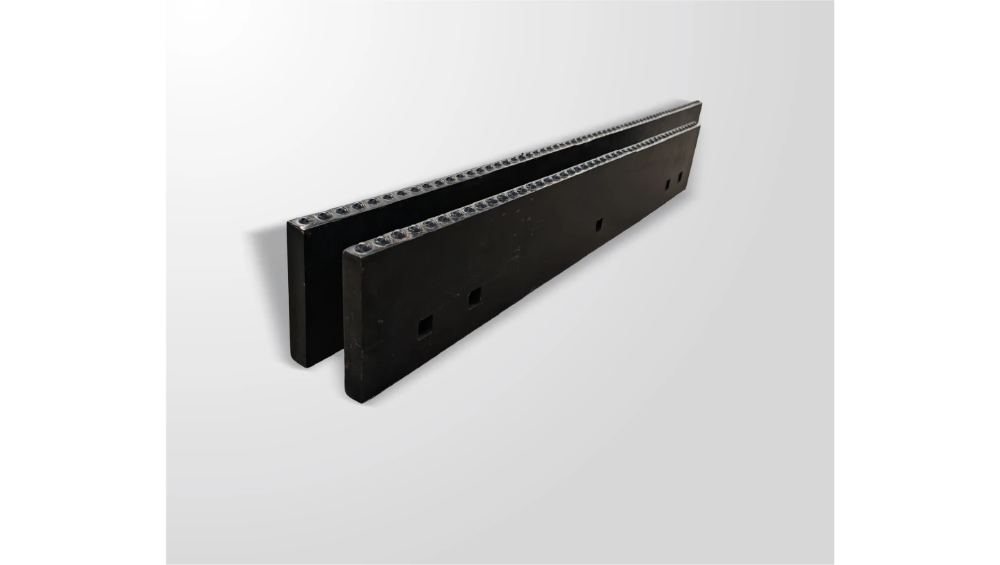
Kits are low-maintenance by design — solid 4-foot sections that run to the carbide wear limit. The maintenance routine is the same as any carbide blade: inspect wear, check inserts and bonds, clean salt residue.
When Municipal Routes Need a Kit
Assign kits where ice forms repeatedly: bridges, shaded arterials, and freeze-thaw-prone streets. If a route needs multiple passes with standard blades, it is a kit candidate.
Highway Ice Removal at Speed
At highway speed, impact and safety margins are tighter. The kit’s patented impact-resistant design absorbs shock and resists chipping, keeping the edge reliable at speed — the requirement for interstate duty.
Crew Training and Installation
Training is short: confirm the bolt pattern, mount with Grade 8 hardware, and inspect after major storms. Crews should know when to use the kit truck (ice routes) and when to use standard trucks (general snow), so the kit is assigned to the right job.
Stocking and Rotation Strategy
Stock one kit section per ice-route truck plus a seasonal buffer. Rotate sections between trucks by wear, not by calendar, and keep spares ready for the worst freeze-thaw events of the season.
Pilot Program Framework
Run a one-season pilot before fleet-wide adoption: select two ice-prone routes, run one kit truck and one standard truck, and log passes, salt, and time per route. Agency programs like Clear Roads use exactly this field-comparison method, and your pilot produces your own numbers.
Frequently Asked Questions
Which trucks should get packed ice kits?
Trucks assigned to routes that repeatedly form thick ice. If a route needs repeated passes with standard blades, it is a kit candidate.
Do kits fit standard municipal plows?
Yes — standard AASHTO bolt patterns and existing clamping hardware; the change is a section swap.
How much maintenance do kits need?
Low maintenance: solid sections run to the carbide wear limit. Standard inspection, cleaning, and storage apply.
How do I justify kits to the budget?
Model passes, salt, and crash risk on ice routes, then run a one-season pilot. The data makes the case.
Assign the right blade to the right route. Review the SENTHAI ice blade kit details and contact SENTHAI for pilot program support.