Packed Ice Kits vs Standard Blades: Performance and Cost
Standard blades clear snow; packed ice kits clear ice. On routes where thick, compacted ice forms, the comparison is not close — but the cost difference means the decision deserves a real framework. This…
Standard blades clear snow; packed ice kits clear ice. On routes where thick, compacted ice forms, the comparison is not close — but the cost difference means the decision deserves a real framework. This guide compares performance, wear life, and cost per mile, and shows when each edge is the right choice. Start with the packed ice kit product page for specifications.
Packed Ice Kit vs Standard Blade
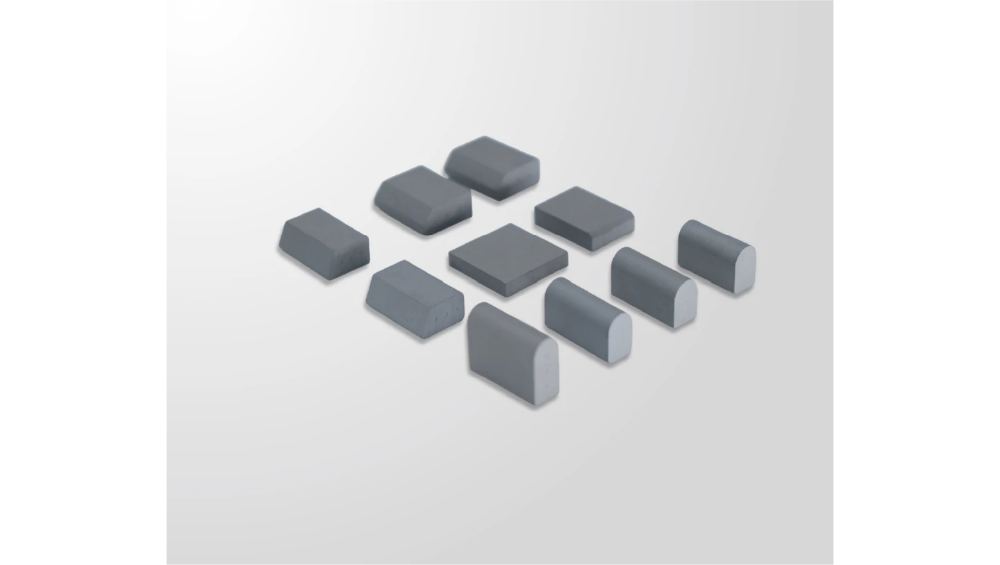
A standard blade scrapes; a packed ice kit fractures. The kit’s dome-head geometry and isolated inserts concentrate force into ice, while standard edges polish it. On ice duty, that difference shows up as passes required and safety outcomes.
Performance Comparison
On packed ice, standard blades skate and chatter; packed ice kits fracture the layer on the first effective pass. On normal snow, the difference narrows — which is why kits are specified for ice-prone routes, not every route.
Cost Differences
Packed ice kits cost more upfront than standard blades. The payback comes from fewer passes, less salt, less downtime, and reduced pavement damage on ice-heavy routes. Compare total cost, not sticker price.
Durability
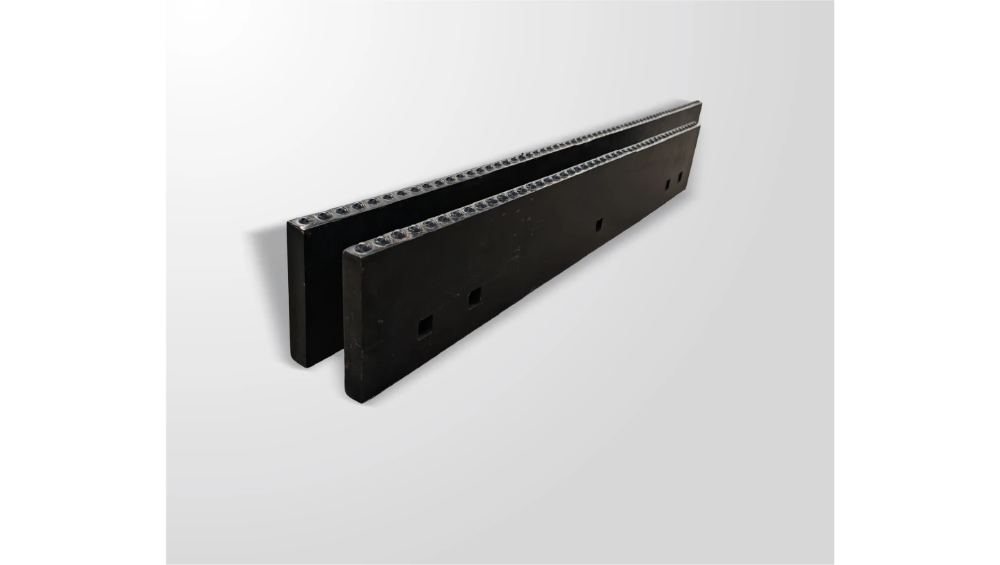
Kits are built as solid 4-foot sections designed to run until the carbide reaches its wear limit. That low-maintenance design means fewer shop visits during the season and a lower cost per mile on ice duty.
Which Is Better
For routes that ice up repeatedly: the kit is better. For general snow clearing: a standard carbide blade is more economical. The answer is route-dependent, not brand-dependent.
Wear Life and Cost per Mile
Use cost per mile: (blade cost + changeout labor + downtime + salt savings) divided by miles cleared. On ice routes, the kit’s longer life and salt reduction shift the calculation in its favor. Field data from winter maintenance programs — like Clear Roads — supports measuring blade value this way.
Replacement Frequency
Because kits run to the carbide wear limit, replacement frequency is far lower than standard steel edges. Fewer replacements mean less labor and less downtime — the two costs that make cheap blades expensive.
Salt Reduction as a Side Benefit
By creating high-density fracture lines in the ice crust, the kit breaks the ice-pavement bond more efficiently, allowing significant salt reduction — often up to 25-40%. Salt is a real line item; mechanical efficiency cuts it.
Decision Criteria by Route Type
| Route | Recommended Edge |
|---|---|
| Repeated thick ice | Packed ice kit |
| General snow, abrasive | Standard carbide blade |
| Pavement-sensitive | Rubber-flex (JOMA style) |
| Mixed duty | Carbide + kit on ice trucks |
Designing a Fair Comparison Trial
Run a controlled trial before switching: two trucks, same ice route, one with a standard blade and one with a kit. Log passes, salt use, and time per route. One season of data settles the debate for your fleet.
Frequently Asked Questions
Are packed ice kits better than standard blades?
On ice-heavy routes, yes — they fracture ice standard blades cannot cut. On general snow routes, a standard carbide blade is more economical.
How much more do packed ice kits cost?
More upfront, but the payback comes from fewer passes, less salt, and lower downtime. Model cost per mile on your ice routes.
Do packed ice kits work on regular snow?
They work, but they are optimized for ice. Use the kit where ice forms; use standard blades elsewhere.
How do I prove the kit is worth it?
Run a one-season trial on the same ice route and log passes, salt, and time. Your data is the strongest case.
Decide with data, not guesswork. Compare specifications on the SENTHAI ice blade kit options and ask SENTHAI for trial guidance on your ice routes.