
Airport Snow Removal: Consumables and Edge Choices
An airport does not buy snow removal equipment the way a highway authority does. The area to be cleared is small compared with a road network, the consequence of an uncleared surface is immediate…
An airport does not buy snow removal equipment the way a highway authority does. The area to be cleared is small compared with a road network, the consequence of an uncleared surface is immediate and public, and the operator’s own friction and reporting requirements dictate what the fleet must achieve rather than what it would prefer. That combination changes the consumables side of the programme: airport snow removal equipment runs in tight convoys on surfaces that cannot tolerate loose material or surface damage, and the edges, brooms and blower parts that touch those surfaces wear at rates that reflect the duty. This article covers the consumables and edge choices an airport fleet actually has to make.
What Makes Airport Duty Different
Small area, high consequence, no loose material.
Airport clearing is a continuous, closely controlled operation on a compact area where residual snow, loose abrasive or surface damage directly affect aircraft operations.
The differences follow from that. The cleared area is measured in runway, taxiway and apron surfaces rather than in lane kilometres, so each machine covers a short distance but repeats it continuously until the surface meets the operator’s requirement. Aircraft operations are sensitive to foreign object debris, which is why loose abrasive is not used as it is on a road, and why sweepers and blowers do more of the work. The vehicles work in convoy at matched speeds, so a machine that cannot hold the pace holds up the whole formation.
Surface condition is also a constraint rather than a variable. Runway pavement is built to a specification, grooved or textured for drainage and friction, and marked with lights and paint that cannot be scraped away. An edge that is aggressive enough to remove compacted snow quickly may be aggressive enough to damage the surface or the markings, so the choice of edge material and profile is a compromise that has to be made deliberately for each surface in the movement area.
Finally, the operation is documented. Airport operating procedures, friction measurement, reporting and seasonal readiness checks are part of how the facility is run, and the consumables programme has to fit inside that documentation rather than exist beside it.
Runway Surface and Friction Requirements
Friction is the performance measure that drives everything else. Runway and taxiway surfaces are evaluated by the operator against the friction requirement its own procedures and regulator impose, and the clearing operation continues until that requirement is met. This is why the operation is organised around repeated passes and why the equipment mix includes sweepers and blowers rather than ploughs alone.
Surface type changes the treatment. Grooved or textured pavement improves drainage and grip but also presents edges to the machine differently, and it holds compacted material in the grooves until a brush or a blower lifts it. Smooth pavement allows a faster clearing pass but demands more care over blade contact pressure. Rubber deposits laid down by landing aircraft are removed as part of pavement maintenance, and that operation has its own consumable cost in the wear it puts on the same machines.
Research on pavement surface characteristics, friction and winter maintenance practice is catalogued through the Transportation Research Board, and general winter maintenance operations practice is documented by the federal highways agency through FHWA. Both are useful references for method; the specific friction targets and acceptance criteria for a given airport come from its own operating documentation.
Edges, Brooms and Blower Consumables
The consumable set on an airport fleet is wider than a highway fleet’s, because more of the work is done by brush and air rather than by a plough. Each category has its own specification logic and its own wear pattern, and lumping them together into a single “winter parts” line is how a fleet ends up with the wrong item on the shelf.
| Consumable | Function | What governs the choice |
|---|---|---|
| Blade edge | Cuts and peels compacted snow | Surface type, contact pressure, marking and light protection |
| Carbide-tipped edge | Holds a cutting edge longer under abrasive load | Expected surface contact hours and abrasion |
| Flexible or rubber edge | Clears without aggressive contact | Sensitive surfaces, expansion joints, raised markings |
| Broom bristles | Lifts material from texture and grooves | Down-pressure, surface texture, sweep hours |
| Blower wear parts | Moves snow by air rather than contact | Abrasion from entrained grit and ice |
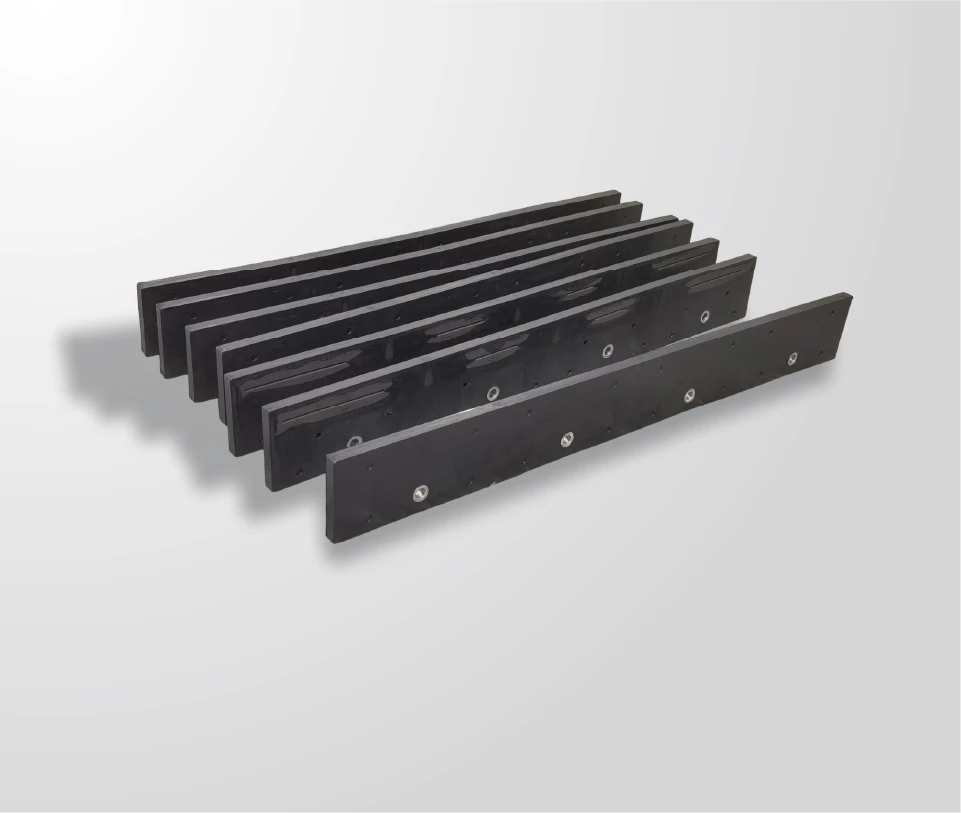
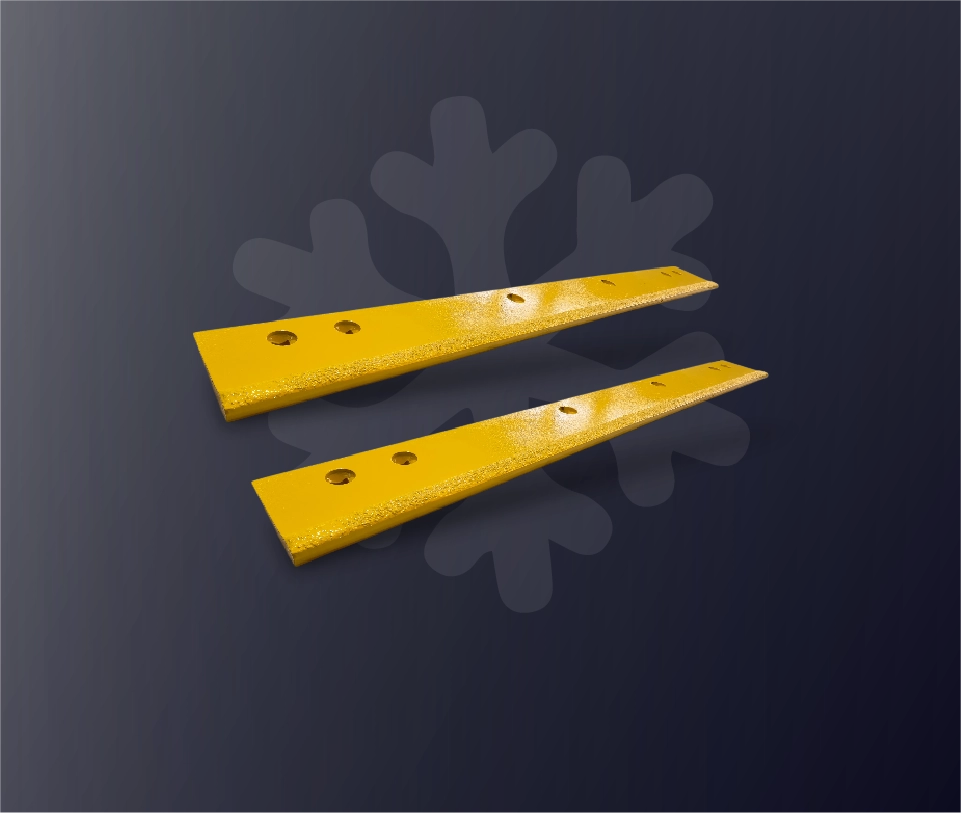
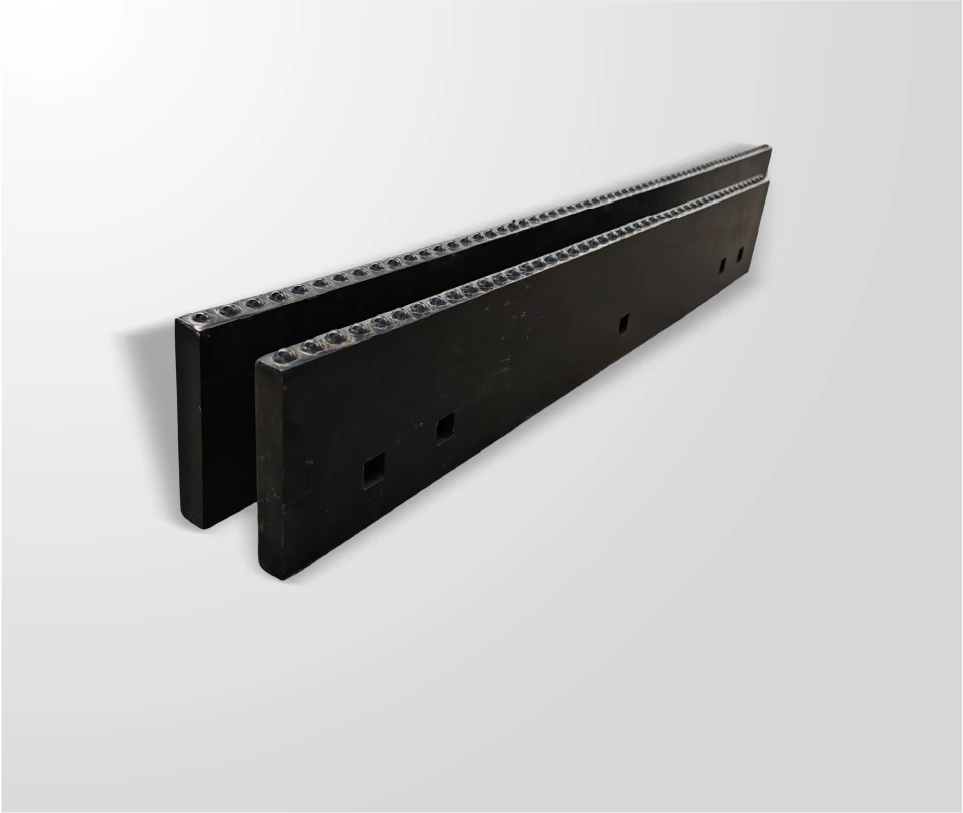
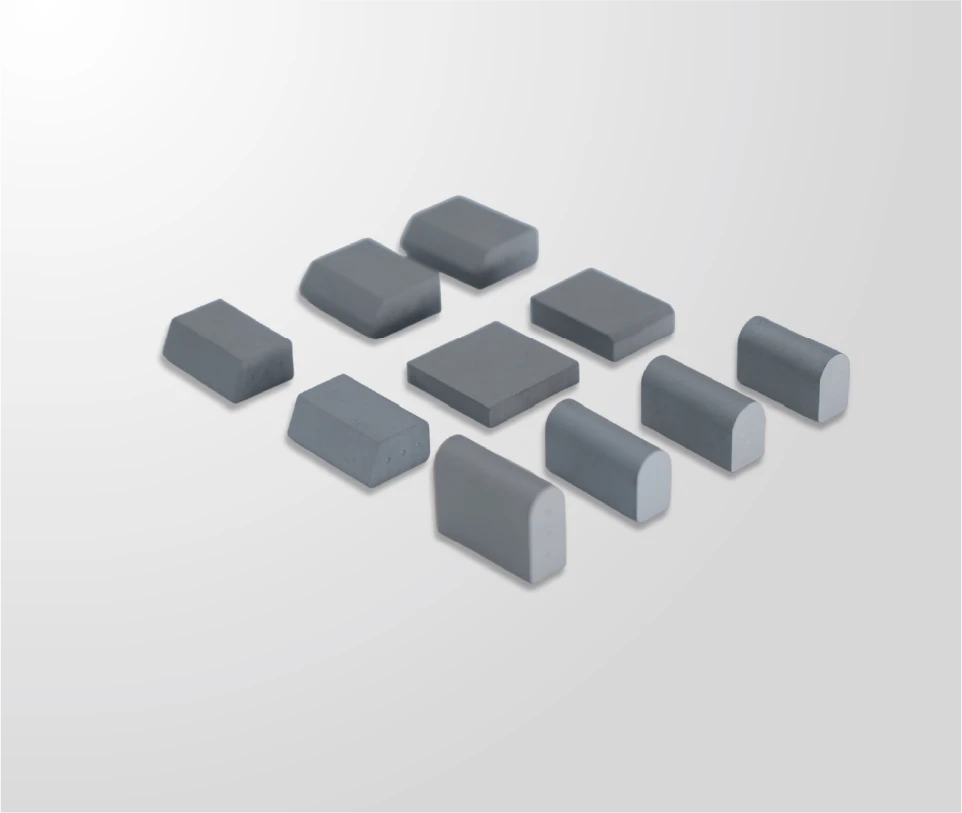
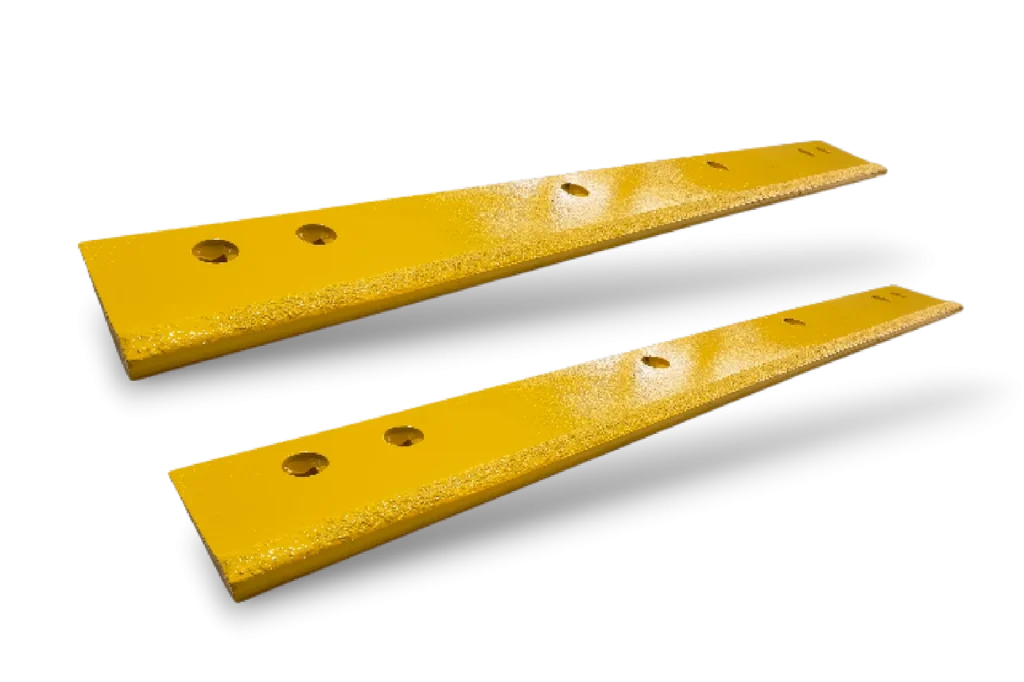
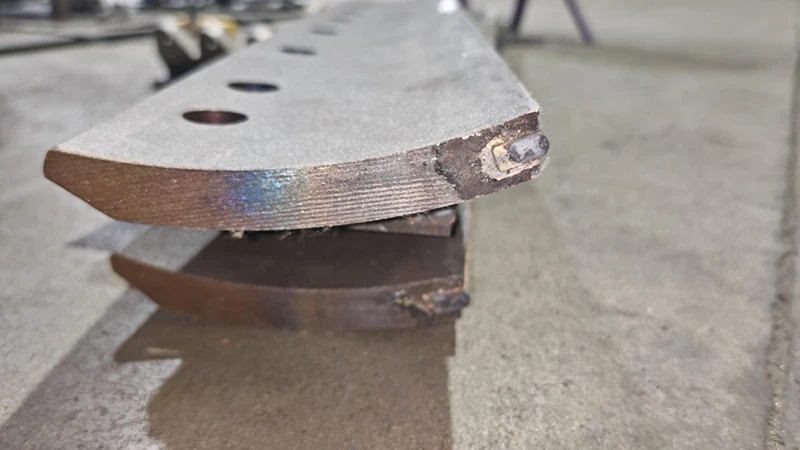
Edges divide into steel, carbide-tipped and flexible constructions, and the choice depends on how much contact the surface can take. The general forms and how they are made are covered in the snow plow range; a single sentence is enough here, because the airport-specific question is contact pressure rather than the principle of a cutting edge.
Brooms and blowers consume differently from edges. Bristle life is driven by down-pressure and by surface texture, and an operator who increases pressure to lift packed material pays for it in bristle consumption and in the risk of damaging the surface. Blower wear is abrasion from the material the air stream carries, including grit and ice fragments, and it appears in impeller and housing components rather than at a cutting edge. Both categories reward measured records, because the relationship between setting and consumption is direct enough to manage.
Fleet and Equipment Mixes
Airport clearing fleets are mixed by design. Plough trucks work the straight runs, sweepers lift what the plough leaves, blowers move snow away from where it can be re-deposited, and loaders and snow melters handle accumulation. Each machine has its own consumable set, which means the parts programme has a longer list and a greater chance of a specification mismatch.
The interfaces are where mismatch happens. Attachment mounting patterns, blade widths and edge sections differ between manufacturers and between generations of the same manufacturer, and the interface conventions for machine attachments are the general reference for how those connections should be documented, as published by SAE. Equipment manufacturers and the dealer networks that support them maintain their own documentation as well; the manufacturers’ association is AEM, and the equipment distribution side is represented by AED.
Standardisation is the practical countermeasure. Reducing the edge sections and patterns held across a mixed fleet to the smallest set that covers the surfaces worked reduces both inventory and ordering errors, and it makes consumption comparable between machines. Where a fleet cannot be standardised, the alternative is an explicit fitment record per machine, which achieves the same result with more administration.
Documentation and Compliance
Because airport operations are documented, the consumables programme inherits that requirement. Each part should be bought against a written specification that names dimensions, material, hardness where relevant, mounting pattern and tolerance, so that delivery can be checked against something other than memory. Patterns and material specifications for highway and airport-related edge products follow the standards programme maintained by bodies such as AASHTO, together with published material and test standards.
Traceability is the second requirement. Where a fleet is accountable for its seasonal readiness, a part that fails early has to be identifiable, and that means batch identification travelling with the parts. SENTHAI works with lot-level traceability, with every batch inspected and archived, which is what allows a failure to be investigated against production records rather than argued about after the event.
The third element is the acceptance routine. A simple check on receipt — principal dimensions, pattern and section against the drawing or sample, plus batch identification — catches the errors that otherwise surface during a storm. Just as important is a spares plan derived from the fleet’s own consumption record, so that the parts that wear fastest are held at a level that matches the duty.
Wear Rates on Runway Surfaces
Wear on an airport fleet is driven by contact hours, contact pressure and abrasion rather than by distance. A machine may cover a few kilometres in a shift while its edge sees continuous contact with a hard, textured surface, which is the opposite of the pattern on a highway route and explains why airport consumption records look different from road fleet records.
Four factors dominate. Surface texture and grooving determine how much material remains for the broom and the edge to work on. Contact pressure is the operator’s main variable and the main lever on both consumption and surface risk. Abrasive contamination, whether from sand carried onto the movement area or from grit in the snow, accelerates edge wear sharply. And the number of clearing cycles per event determines total contact time, because the surface is re-treated until the friction requirement is met.
Measuring consumption means choosing the right denominator. Contact hours are more useful than kilometres, and clearing cycles per event are more useful than events. A record that captures hours, surface type and cycles lets a fleet compare edge specifications on equal terms, and it gives the maintenance planner a basis for stocking. Forecasting winter severity is part of the same picture, and the outlook and warning services published by the NWS are the ordinary input to a seasonal readiness decision.
Specifying Consumables for an Airport Fleet
Specification starts with a list. Record every consumable on every machine in the fleet, note the surface each machine works and the contact pressure range it uses, and add the interface dimensions for the attachment it fits. That list is the specification document, and it replaces a set of part numbers nobody can interpret.
From there, the working specification for each item should name the material or grade, the section or profile, the principal dimensions, the mounting pattern with its tolerance and the intended application. A trial quantity on one machine, run for a defined number of clearing cycles and recorded against the fleet’s own hours, is the cheapest way to validate a change; the fleet’s consumption record then decides whether the specification stays.
Commercial arrangements follow the specification rather than precede it. Because prices, minimum order quantities and lead times depend on the specification and the volume in the programme, the terms that apply are stated in the written quotation or order documents for that programme, including the delivery and packaging requirements that an airport site may impose. A companion article on this site covers the equipment manufacturers themselves; this one covers the parts and consumables side of the same fleet decision, and the general product context sits in the carbide snow plow blade range.
Airport snow clearing is defined by a compact area, continuous contact with a hard textured surface and a friction requirement the operation must meet before it stops. That is why the consumables programme for an airport fleet looks different from a highway one: brooms and blowers carry more of the load, edges are chosen for surface tolerance as well as for cutting life, wear is measured in contact hours and clearing cycles rather than kilometres, and every item is bought against a written specification with batch identification behind it. Standardising the patterns held across a mixed fleet is the change that reduces the most risk for the least effort.
Send SENTHAI your fleet list, the surfaces each machine works and the attachments it fits, and the technical team will review edge and consumable specifications and document the fitment for the machines you run.
Frequently Asked Questions
How do airports clear snow from runways and taxiways?
With a convoy of machines working the surface repeatedly until the operator’s friction requirement is met, rather than with a single pass. Plough trucks cut and peel compacted snow, sweepers lift material out of surface texture and grooves, blowers move snow clear of the area so it is not re-deposited, and loaders or melters handle accumulation. Loose abrasive is avoided because of foreign object debris risk, so brush and air do more of the work than on a road.
What determines how long a blade edge lasts on airport duty?
Contact hours, contact pressure, surface texture and abrasive contamination, in that order. A machine may cover only a few kilometres in a shift while its edge stays in contact with a hard, grooved surface continuously, so consumption tracks hours rather than distance. Sand carried onto the movement area accelerates wear sharply. Recording hours, surface type and clearing cycles per event allows two edge specifications to be compared on equal terms.
Why do airport fleets use different edge types across the same fleet?
Because the surfaces differ. A grooved or textured runway, a smooth taxiway and an apron with joints, raised markings and lights each tolerate a different amount of contact pressure, so a fleet may run carbide-tipped edges for cutting life on some machines and flexible or rubber edges where contact has to be gentle. The choice is part of the specification for the surface, not a preference, and each variant should carry its own fitment record.
How are airport fleet consumables specified and quoted?
Against a written specification naming material or grade, section or profile, principal dimensions, mounting pattern with tolerance, and the surface the item works on. Prices, minimum order quantities and lead times depend on that specification and the programme volume, so the terms that apply are stated in the written quotation or order documents, together with the delivery and packaging requirements the site imposes.
Related articles
 De-Icing Salt Comparison: Sodium, Calcium and Magnesium ChloridesWinter operations, ice control and ice rink equipment
 Liquid Brine De-Icing: Making, Storing and Applying ItWinter operations, ice control and ice rink equipment
 Road Salt Versus Sand: Performance, Cost and Trade-OffsWinter operations, ice control and ice rink equipment
 Ice Rink Operating Costs: Modelling Consumables and Wear ItemsWinter operations, ice control and ice rink equipment