
Ice Rink Operating Costs: Modelling Consumables and Wear Items
Most rink budgets are built from last year's numbers, adjusted by a percentage, and the consumable line is the one that quietly drifts out of step with reality. Ice rink operating costs divide into…
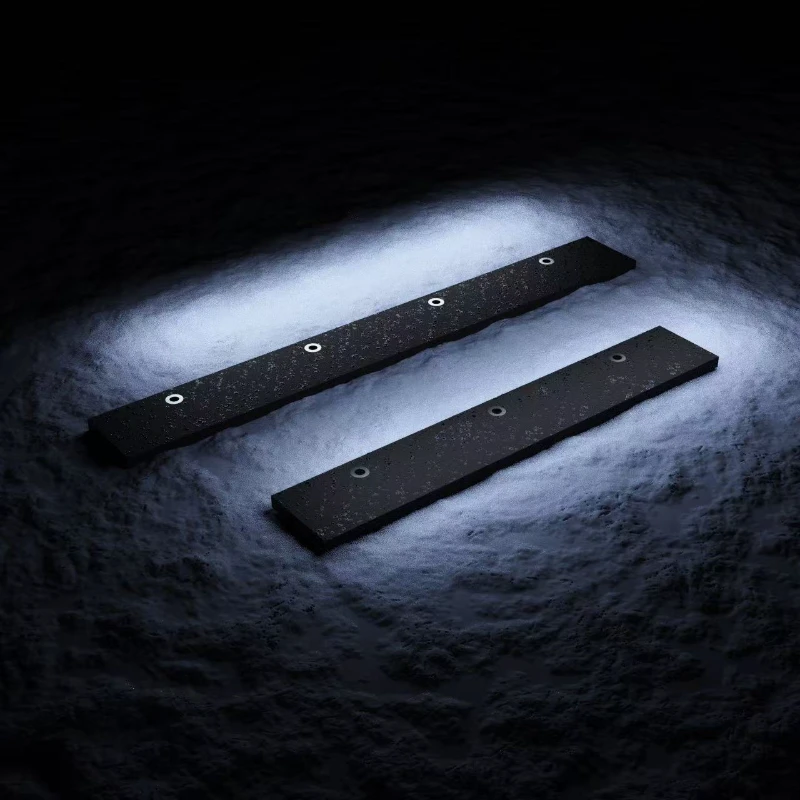
Most rink budgets are built from last year’s numbers, adjusted by a percentage, and the consumable line is the one that quietly drifts out of step with reality. Ice rink operating costs divide into a large fixed block that management can only influence over years and a smaller variable block that responds to decisions this season. Consumables and wear items sit in the second group, which is why they are worth modelling properly even when the total is modest. Published rink cost data is thin, so the useful model is built from the operator’s own records rather than borrowed from a benchmark.
What the Data Shows
Published rink cost data is thin and aggregated.
Public figures generally cover construction, energy and staffing rather than consumables, so a rink’s own maintenance and parts records are the reliable basis for a consumable model.
What is publicly available tends to be either capital-side studies of building and operating a rink, or energy data published at a national or regional level by bodies such as the EIA and programme information from the DOE. Research literature on ice facilities and their operations is catalogued through the National Academies. None of that isolates what a given rink spends on blades, conditioner towels, wear items or water treatment, and no published benchmark can substitute for records kept on site.
The practical method is therefore a per-unit model: divide each cost category by the passes or the plant hours the rink actually runs, and the result becomes comparable between seasons and between venues. Passes are the more useful denominator for consumables because edge and towel wear track surface contact, while plant hours are the better denominator for energy and water. Building the model takes a season of records; after that it is a single line in a monthly report.
| Category | Principal driver | Behaviour |
|---|---|---|
| Refrigeration and plant | Ice area, sheet temperature, building envelope | Fixed in the short term, large in the total |
| Water and treatment | Flood volume, water quality, losses | Variable with ice-making practice |
| Labour | Shift coverage, event schedule | Stepped, not smooth |
| Consumables and wear items | Passes, ice temperature, operating practice | Variable, controllable within a season |
| Unscheduled repairs | Maintenance policy, spares held | Lumpy and largely avoidable |
What Drives Consumable Spend
Passes, ice condition and operating practice.
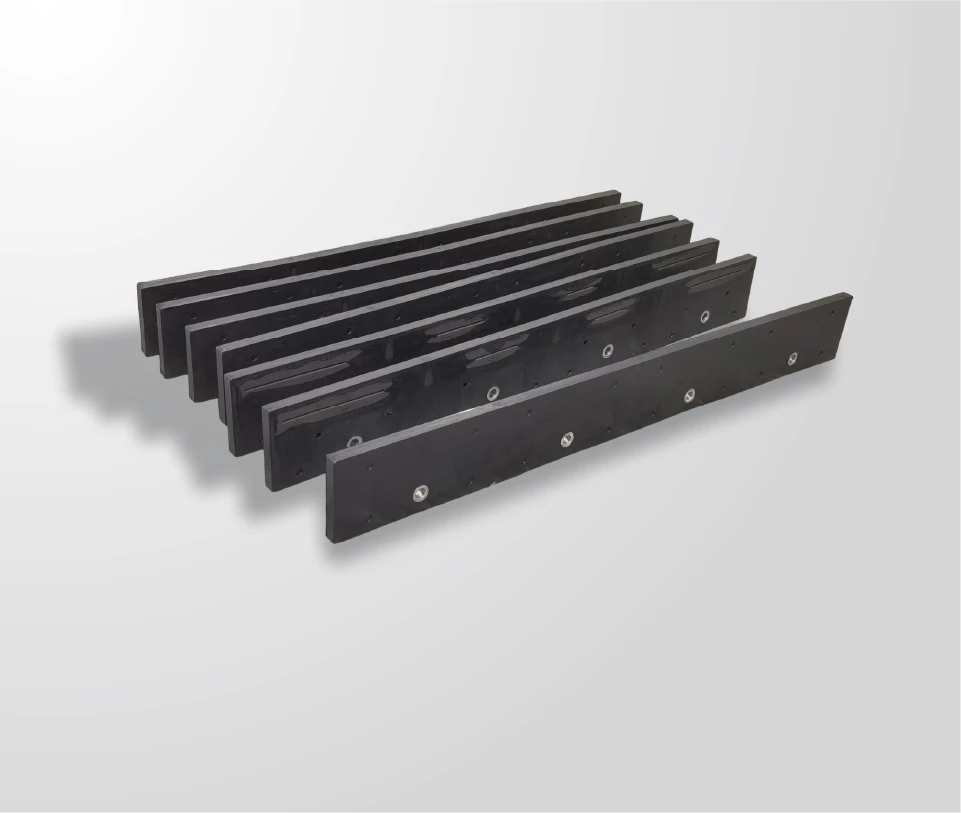
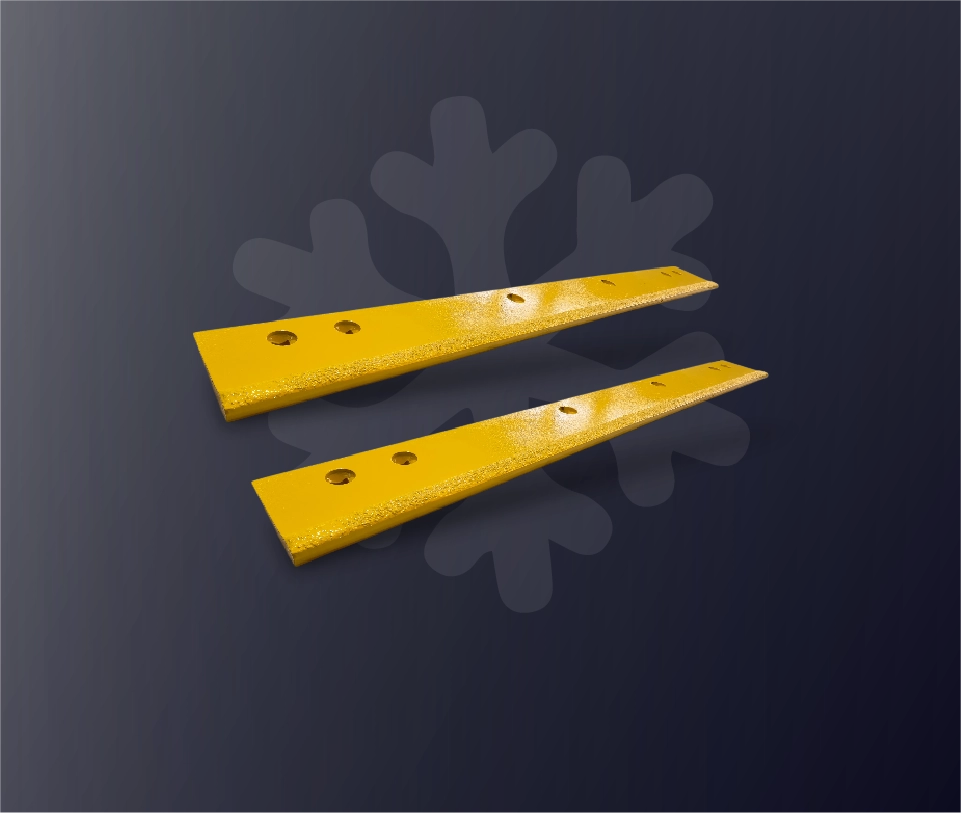
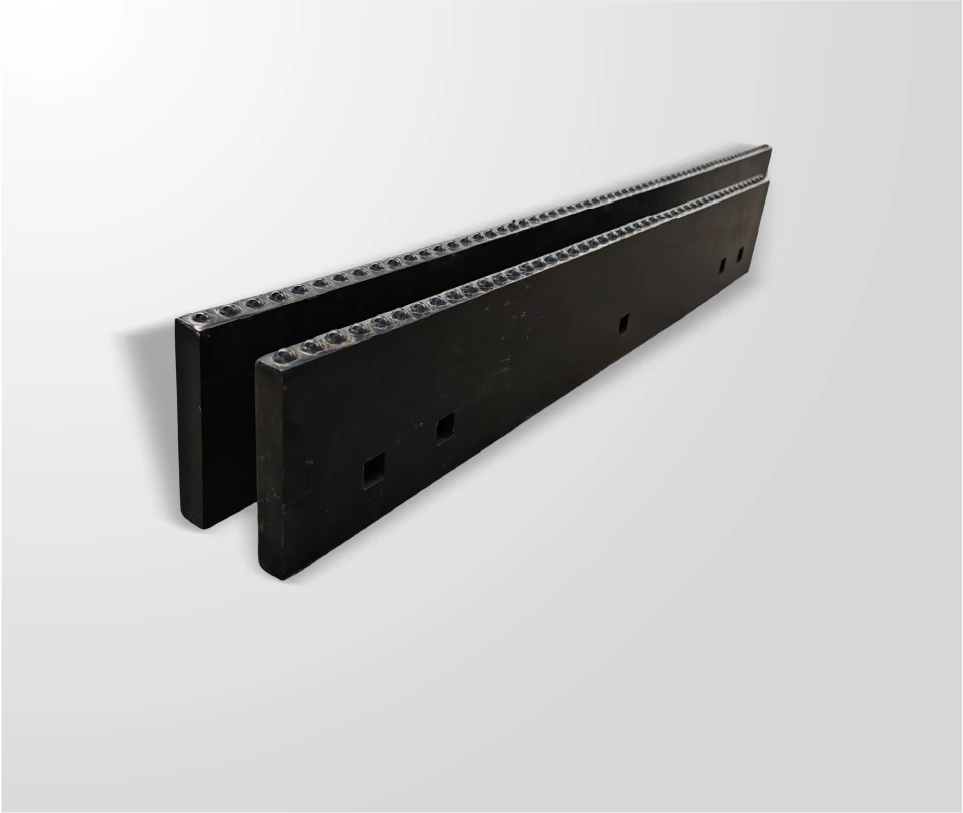
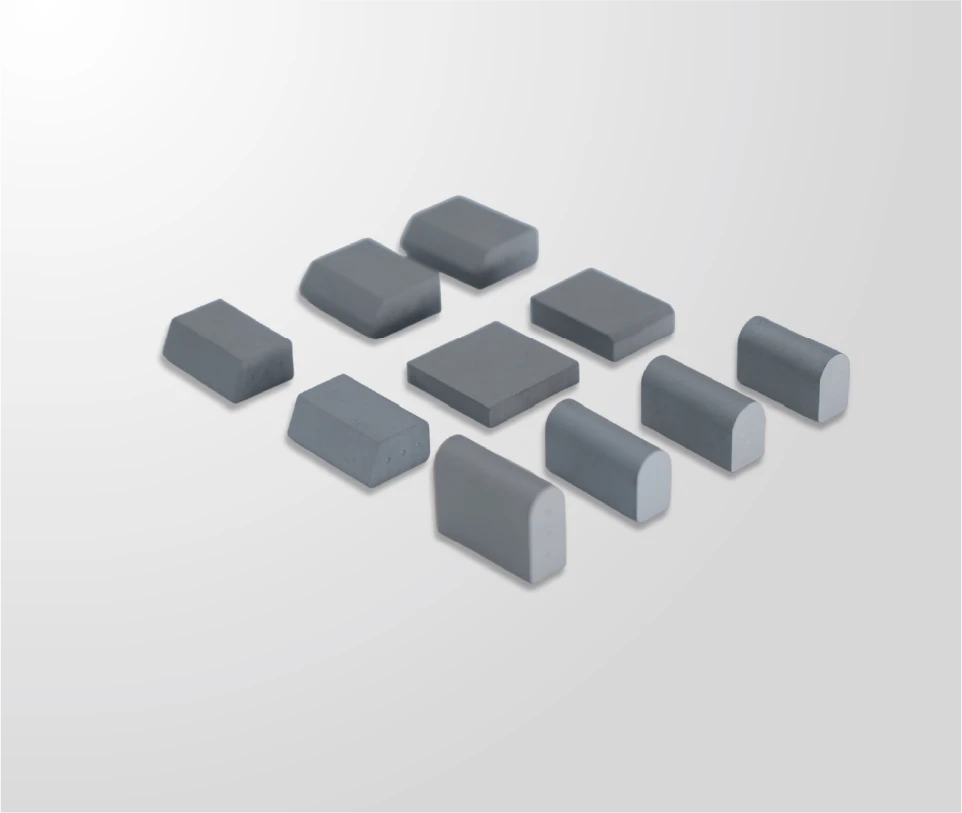
Consumable spend follows the number of passes and the hours the machine runs far more closely than it follows the size of the rink, and it rises again where the sheet is hard and abrasive.
Three mechanisms account for most of the variation. Abrasion removes edge material in proportion to surface contact, so pass count is the honest denominator. Ice temperature and water quality change how abrasive the surface is and how much deposit accumulates on cutting and conditioning parts. Operating practice determines the rest: depth of cut, how the machine is handled over transitions, whether a sharpened spare blade is rotated in, and whether the conditioner is set correctly.
Procurement decisions then multiply or divide the result. A specification held constant across orders allows consumption to be compared between suppliers; a specification that drifts makes every comparison meaningless. Consolidating the annual requirement into fewer orders reduces line-item and packing overhead without changing the parts consumed, and holding the right spares prevents the expensive substitution of an unscheduled repair for a planned replacement. The same record also shows where a specification was written too heavily: an item that consistently outlives its duty can be bought at a lower grade or replaced less often, and that saving is available without any change to how the machine is operated.
What It Means for Buyers
Measure cost per pass, then change one variable.
A buyer who knows the cost per pass for blades and conditioner items can test a specification change against a real number instead of an impression.
The sequence that works is measurement, standardisation, then consolidation. Measure consumption per pass for each wear item and record it against the machine and the part specification. Standardise on the smallest specification set that covers the fleet’s actual duty. Consolidate the annual requirement, and use the consumption record to decide which items are worth holding as spares at what level.
Buyers in the public sector can borrow the discipline of writing acceptance criteria before offers are considered, which is standard procurement practice rather than an invention for rink equipment. Peak-season purchasing is the pattern to avoid: a rink that discovers its blade specification mid-season pays for urgency in both price and availability, and the decision was available months earlier for free.
What It Means for Suppliers
Documentation and continuity sell more than price.
Rink operators buy repeatability: the same specification, the same fitment and a supply position they can plan for, season after season.
For a distributor or an OEM, the differentiators are unglamorous. A specification sheet that names dimensions, material and tolerance lets a rink write its purchasing criteria around it. A traceability arrangement that carries batch identification makes a failure investigable, which is what a maintenance manager actually needs from a supplier. A supply position that distinguishes repeat orders from first orders helps the rink plan its season rather than react to it.
Where a supplier holds stock for customers, the arrangement is what converts a one-off sale into a programme. Stocking terms, packaging and private-label documentation belong in the written quotation or order documents for that programme, because neither prices nor minimum order quantities are published in advance. Comparability also matters for a supplier’s credibility: a parts list expressed as machine brand names cannot be compared, while a specification list can, and suppliers who publish the mechanical detail tend to win the comparison.
Regional Differences
Climate sets the season length, and season length sets everything downstream. A rink operating for ten months a year consumes an edge several times over against a rink operating for four, on the same machine and the same ice specification. Longer seasons also compress maintenance windows, so the parts programme has to be planned around fewer opportunities to strip and inspect the machine.
Energy market structure is the second regional variable, and it is well documented at national and regional level through the EIA. Where electricity and fuel are priced differently, refrigeration and resurfacing run at different relative costs, which changes the balance between spending on hardware and spending on operational practice. Staffing markets vary in the same way, and labour is the cost that most often decides whether a rink can afford to think in terms of passes or only in terms of shifts.
Fleet-side comparisons are useful here, because truck and equipment fleets have modelled total cost of operation for far longer than rink operators have. Research published through the American Transportation Research Institute, ATRI, is one source of that methodology, and the same logic of measuring cost per unit of work transfers directly to a resurfacing machine. Regional context therefore changes the arithmetic, not the method. For an operator managing several venues, comparing a single metric across those sites is often more informative than any external benchmark, because the machines, the climate and the labour base are already broadly comparable and the remaining differences can be attributed to practice. Where a venue sits across an energy market boundary or a climate boundary, one site carries the cost of a policy decision made at the other.

What to Watch Over the Next 12 Months
Energy prices, consumable specifications and records.
The three variables that will move a rink’s operating model fastest are energy pricing, the specification of wear items, and how much of the operation is actually recorded.
Energy pricing is the largest single exposure for most facilities, and the published regional data from the EIA is the sensible input for planning rather than a local anecdote. Consumable specifications will keep shifting as operators test whether a different grade or geometry lasts longer under their own conditions; that test is only meaningful if consumption is recorded per pass.
The third item is a habit rather than a market. Rinks that record pass counts, ice temperature and part consumption find within a season that their maintenance schedule and their purchasing decisions improve together, because both are now based on the same numbers. Operators active in the wider winter and ice service industry, including the members of SIMA and the arena operators represented by ORFA, compare practice on exactly this basis.
How to Act on This
Start with one season of pass-count records.
Record passes, ice temperature and part consumption against each machine for one season, then convert the figures into cost per pass for the items that consume.
That single step produces the model, the baseline and the argument for any specification change. From there the sequence is standardisation, consolidation and a defined review point each year, at which the consumption record is compared against the specification that produced it. Where an item consumed more than expected, the question to ask is whether the specification suited the duty or the duty changed.
The whole exercise is deliberately modest in scope. It does not require new equipment or new staff; it requires a record sheet, a monthly total and the discipline to compare the two. It is also worth fixing a review date at the start of the season rather than at the end, because a decision taken in September can be implemented before the busy period while the same decision taken in January is simply absorbed as cost. Rinks that build it early find that the consumable line becomes the least contentious part of the budget, because every number in it can be traced to a decision someone made on purpose.
Rink operating costs are mostly fixed, but the consumable block is not, and it is the part a manager can change within a season. The method that works is unglamorous: choose passes as the denominator, measure consumption per pass for the items that wear, hold the specification constant so comparisons mean something, consolidate the annual requirement and review the record once a year. Regional climate and energy markets change the arithmetic, not the approach. The operating context for winter equipment generally is set out in the winter fleet and road operations hub. The rinks that model this line lose fewer sessions to urgent sourcing and can defend every specification change with evidence rather than impressions.
Send SENTHAI your machine list, a season of pass counts and the wear items you currently consume, and the technical team will review the specifications and propose a parts set that can be measured against its own cost per pass.
Frequently Asked Questions
How much does it cost to maintain an ice rink?
There is no defensible single figure, because maintenance cost depends on the number of passes, the plant hours, the building and the labour market. Published studies generally address construction and energy rather than consumables. The reliable approach is to build the number from your own records: log part consumption and plant hours for one season, divide by passes to get cost per pass, and use that as the baseline for every subsequent comparison.
Is owning an ice rink profitable?
That depends on the revenue mix, utilisation and the fixed cost load of the specific facility rather than on any general rule, and no consumable decision changes it on its own. What a rink can control is the variable block: water, labour scheduling and consumables. Reducing avoidable unscheduled repairs and holding the right spares are the two measures that most directly protect margin, because both remove cost that appears mid-season without warning.
Which consumables should be tracked separately in a rink budget?
Track the items whose consumption responds to operating practice: cutting and conditioning parts, towels, fixings and adjusters used in blade setting, filter media and water treatment consumables. Energy and labour should be tracked too, but at plant-hour level rather than per pass. Keeping the list short matters more than keeping it complete, because a category that is never reviewed adds reporting effort without influencing any decision.
How are rink wear parts quoted for a season programme?
Against the specification and the quantity in the programme, not against a published list. Because no manufacturer publishes prices or a universal minimum order quantity, the figures that apply to a particular parts programme, together with lead time, packaging and delivery terms, are stated in the written quotation or order documents. A consumption record makes that conversation faster, because the specification and the annual volume are already established.
Related articles
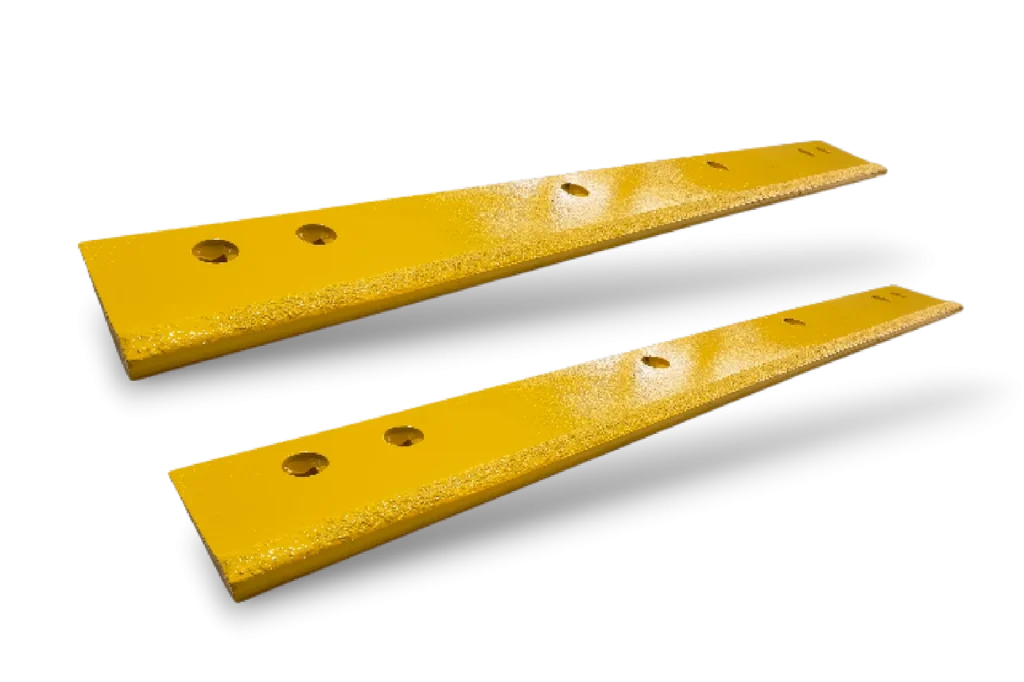 Airport Snow Removal: Consumables and Edge ChoicesWinter operations, ice control and ice rink equipment
 De-Icing Salt Comparison: Sodium, Calcium and Magnesium ChloridesWinter operations, ice control and ice rink equipment
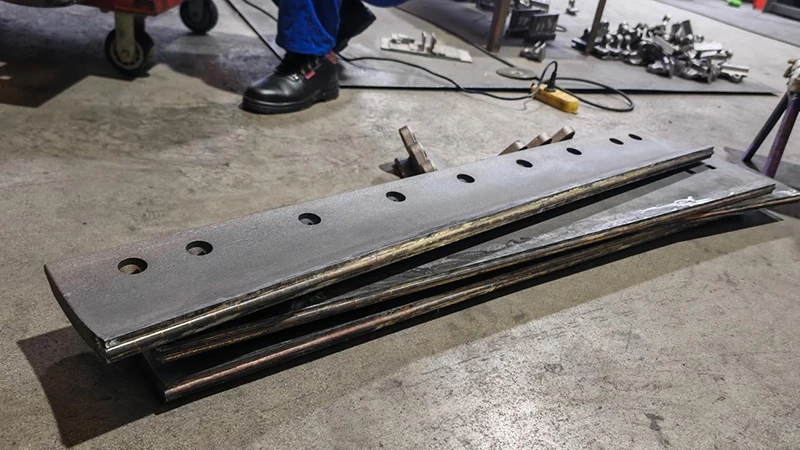 Liquid Brine De-Icing: Making, Storing and Applying ItWinter operations, ice control and ice rink equipment
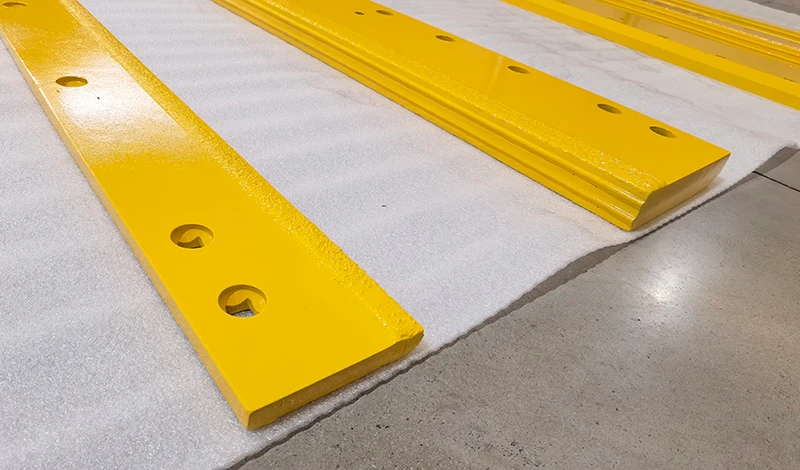 Road Salt Versus Sand: Performance, Cost and Trade-OffsWinter operations, ice control and ice rink equipment