
Ice Resurfacer Blade and Conditioner Wear: Maintenance Schedule
A resurfacer blade rarely fails in a way that stops the machine. It wears until the ice stops coming out even, and by then the cost has already been paid in extra passes, longer…
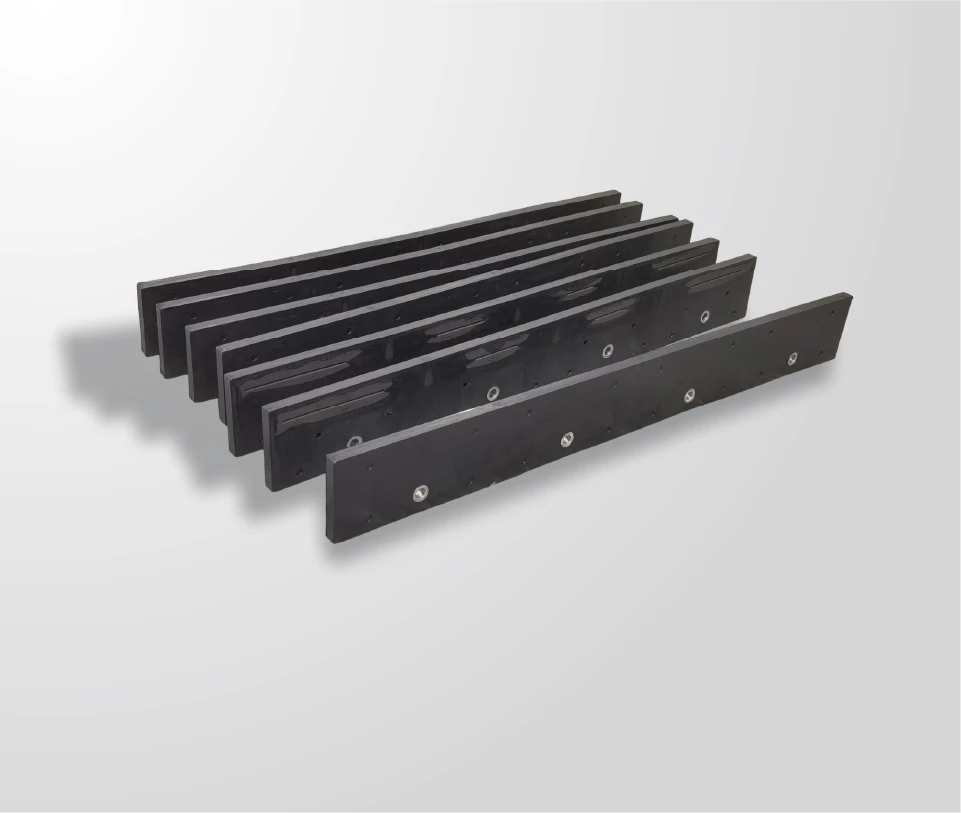
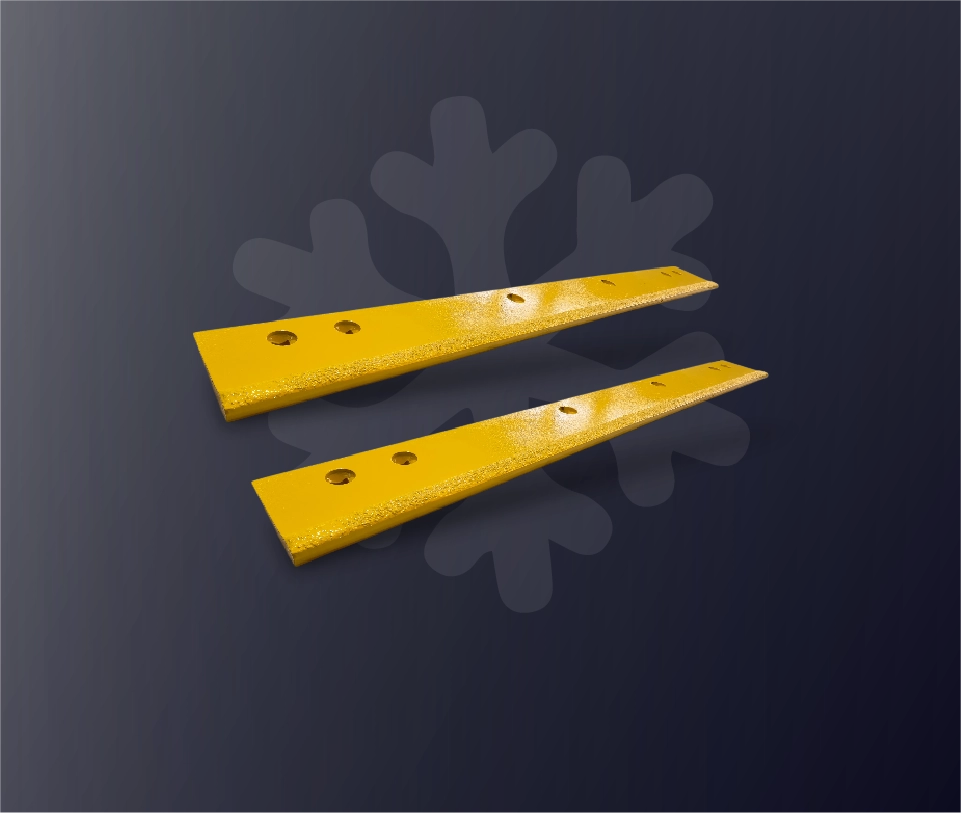
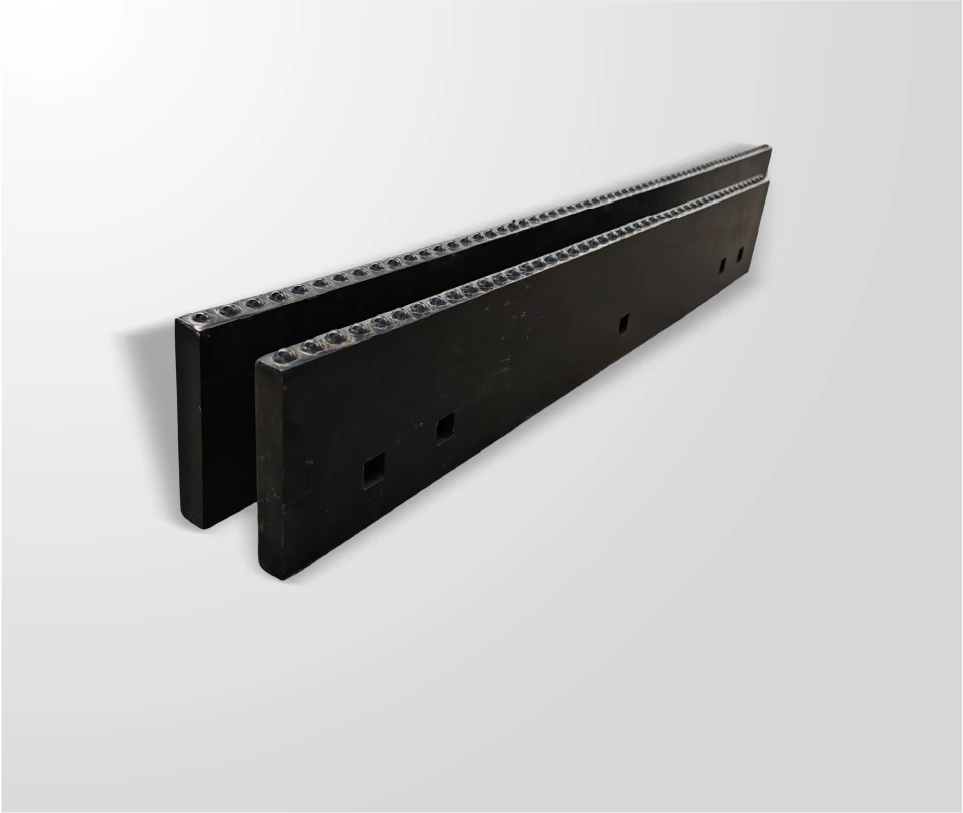
A resurfacer blade rarely fails in a way that stops the machine. It wears until the ice stops coming out even, and by then the cost has already been paid in extra passes, longer shifts and complaints about the sheet. Ice resurfacer blade maintenance is therefore less about repair than about noticing a change early enough to act before ice quality does. The blade, the conditioner and the hardware that holds them form one wear group, and treating them as a single maintenance item is what keeps ice consistent from the first flood of the season to the last cut.
What This Looks Like in the Field
It shows up as extra passes and uneven ice.
Operators notice a change in how the machine behaves — an extra pass, more water carried, dull and bright bands on the sheet — well before anyone inspects the blade.
The first sign is usually a change in how the machine behaves rather than a visible defect. Operators report that the surface takes an extra pass, that the machine loads up more wash water than it used to, or that the ice looks dull in one band of the rink and bright in another. None of those observations mentions the blade, which is exactly why they matter.
By the time the symptom is visible on the ice, the cause is usually one of three things: a blade edge that has rounded or nicked, a conditioner towel that has glazed or lost its shape, or a height setting that has drifted because the hardware has settled. All three produce uneven cuts, and all three are cheap to correct when they are caught at inspection.
Field evidence is more reliable than a fixed calendar. A rink that runs twelve hours a day under heavy use consumes an edge in a fraction of the time a single-sheet community rink takes, even if both machines are identical. The maintenance schedule has to be built around the duty of the specific rink, then confirmed by what the inspection records actually show.
It also helps to separate the machine from the venue. Ice quality problems are frequently blamed on the machine when the cause is water temperature, building humidity or an inconsistent flood pattern. Keeping a short daily note of the two or three variables an operator can see — ice temperature, water and surface condition — makes that separation possible.
Failure Modes and What They Signal
Wear on this group of parts is predictable once it is named, and each mode points to a different corrective action. The value of the table below is diagnostic: it converts a complaint about ice into a part or a setting.
| Failure mode | Evidence on the sheet | Typical cause |
|---|---|---|
| Rounded blade edge | Snow smears instead of cutting, extra passes needed | Normal abrasive wear; sharpening interval too long |
| Nicked or chipped edge | Thin continuous line or groove around the rink | Contact with metal, a dropped blade or careless handling |
| Chatter or washboard | Regular ripples across the surface | Uneven blade height or loose mounting hardware |
| Glazed conditioner towel | Water not spread evenly; wet patches and dry patches | Towel worn, contaminated or incorrectly set |
| Uneven water flow | Alternating wet and dry bands | Blocked outlets or a conditioner that no longer sits level |
| Loose hardware | Height drifts within a single shift | Settled fixings on a blade that is being replaced repeatedly |
Two of those rows deserve emphasis. Chatter almost always indicates hardware or height rather than a blunt edge, and replacing the blade without checking the mounting produces the same complaint a week later. A glazed towel behaves like a worn blade in the way it is reported, so the inspection should cover the conditioner whenever the ice is criticised.
Inspection Intervals and What to Record
Intervals should be short enough to catch drift and long enough to be done properly. Most rinks settle into three tiers: a check the operator performs as part of the daily routine, a fuller inspection on a planned weekly or fortnightly cycle, and a full assessment at the end of the season.
The daily check is visual and quick: edge condition, towel condition, obvious looseness, unusual water carry. The planned inspection adds measurement — blade height and level, towel seating, hardware condition — and a comparison against the previous record. The end-of-season assessment is where the blade is measured against its wear limit, the conditioner is assessed for replacement and the hardware is examined for elongation or damage.
What is recorded matters more than how often it is recorded. Each entry should carry the date, the machine hours or the number of passes, the measurement taken, and a note of any corrective action. Without the pass count or the hours, two entries a month apart cannot be compared, and the schedule becomes a ritual rather than a control.
Conditions That Change the Wear Rate
Abrasion is only one of the mechanisms at work. Ice temperature determines how hard the surface is on the edge, and a colder, harder sheet is more abrasive than a soft one. Water quality contributes dissolved solids that deposit on the blade and the conditioner; venue conditions such as humidity and air movement change how quickly the surface changes between passes.
Operational factors are just as important. The number of passes per day, the depth of cut, how the machine is loaded, whether the operator lifts the blade over the boards or drives it into the transition, and how the machine is stored between shifts all shift the wear rate. Blade contact with a concrete transition or with a door sill produces local damage that no amount of scheduling prevents.
Where several rinks run the same machine type, comparing their records reveals which of these conditions dominates at a particular venue and gives the maintenance schedule a factual basis. Industry practice on this kind of operational record-keeping is the working territory of operator groups such as ORFA for arenas, and of SIMA for organisations managing snow and ice operations across multiple sites. The wider context for winter equipment appears in the winter fleet and road operations hub.
Sharpening, Rotation or Replacement
Sharpening restores an edge and does not restore a blade. Each grinding pass removes material from an already thin section, and the flatness that the cut depends on has to be re-established at the same time. A blade sharpened on a machine that does not hold a flat reference develops a crown, and a crowned blade produces a surface that changes across the width of the sheet.
The practical sequence is to sharpen while the section retains enough material, rotate a second blade into service so the machine is never waiting, and replace when measurement shows the blade has reached the point where further grinding removes more than it restores. Rotation is what makes the schedule work: a spare blade held in the rink that is already sharpened converts a repair from a lost session into a fifteen-minute change.
Repairs that involve welded or brazed assemblies should be made to a procedure rather than improvised on the bench. Guidance on welded repairs and the qualifications that support them is published by the AWS, and a repair that changes the geometry of a blade should be recorded because it changes the height reference for every future adjustment.
Tools, Hardware and Safe Handling
Handling is where a maintenance schedule is most likely to be interrupted by an injury. A resurfacer blade is long, heavy and sharp along one edge, and it is usually moved by one person in a space that was not designed for it. Lifting aids, a second pair of hands and a defined storage position remove most of that risk.
Manual handling guidance for the kind of lifting these tasks involve is published by the HSE, and the general industry requirements that apply to workplace tools, guarding, protective equipment and training are set out in 29 CFR 1910. Cut-resistant gloves, edge guards and a marked blade storage rack are ordinary measures, and they cost far less than a lost operator.
Hardware deserves the same attention as the blade. Fixings and adjusters are specified by thread, grade and length, and the tightening figures that apply to a particular machine are set by its manufacturer or, for supplied parts, in the written quotation or order documents. Replacing a fixing with a longer bolt of lower grade to make a job easier is the sort of substitution that produces a height drift the next week. Dimensional checks on hardware and wear parts follow published methods such as those in the ASTM standards catalogue, which is the reference for the measurement rather than for the machine.
End-of-Season Refurbishment
End of season is the point at which the machine can be taken out of service without cost, so it is the right time for the work that a live schedule cannot accommodate. Strip the cutting and conditioning group, measure the blade against its wear limit, assess the towel and the water outlets, and inspect the mounting hardware for elongation, corrosion or thread damage.
Refurbishment should produce two outputs. The first is the machine: a sharpened blade ready for the next season, a conditioner set to the right level, hardware replaced where it is out of specification. The second is the record: the measurements taken during the strip-down, the parts replaced, and any change to the expected life of each item. That record is what makes next season’s schedule a plan rather than a guess.
Ordering at this point is deliberate rather than reactive, which usually means better choices about specification and packaging. Where a rink holds spares, the parts held should be those that consume fastest under the venue’s own conditions; the maintenance record identifies them directly. Traceability matters for the same reason it does for any wear part: SENTHAI works with lot-level traceability, with every batch inspected and archived, so a part that fails early can be identified and investigated against its batch.

Blade and conditioner maintenance works when it is built on the venue rather than on a calendar: a daily visual check, a planned inspection that measures and records, a rotating spare blade so the machine is never idle, and an end-of-season strip-down that produces both a refurbished machine and a better specification. The wear modes are few and each one points to a part or a setting, which is what makes the schedule diagnosable. Rinks that hold the record find that replacement decisions become arithmetic instead of argument.
Send SENTHAI your machine model, current blade and conditioner specification and a season of inspection notes, and the technical team will review the wear pattern and propose a replacement schedule for the parts that actually consume.
Frequently Asked Questions
How often should a resurfacer blade be sharpened?
There is no universal interval, because the abrasive load depends on ice temperature, passes per day and depth of cut. Use the measured condition of the edge as the trigger instead of a count of days: when the blade stops cutting cleanly, needs an extra pass, or shows a rounded section at the corner, it is due. Record the machine hours or pass count at each sharpening so the interval establishes itself from your own venue data.
What happens if the conditioner towel is worn but not replaced?
The towel stops spreading water evenly, so the machine leaves wet patches, dry bands and an inconsistent sheet even when the blade is cutting correctly. Because the symptom is reported as an ice quality problem, the towel is often overlooked while the blade is replaced. Inspect the towel whenever the ice is criticised, and treat glazing, hardening or a distorted edge as a replacement trigger rather than something to keep using.
Which spare parts should a rink hold for its resurfacer?
The items that consume fastest at that venue, which the maintenance record identifies directly. In practice that usually means a sharpened second blade, conditioner towels, and the fixings and adjusters used to set blade height. Holding a spare set of mounting hardware matters as much as the blade, because settled or damaged fixings cause height drift that is easily mistaken for a worn edge, and a spare blade converts a repair into a short change.
How are replacement blades and wear items ordered?
Against the machine model and the specification of the part being replaced, because fitment and grade both have to match. Minimum order quantity, lead time, packaging and delivery terms for a specific specification are stated in the written quotation or order documents rather than published in advance. It helps to order at end of season, when the machine is out of service and the strip-down has already confirmed which parts are required.
Related articles
 Airport Snow Removal: Consumables and Edge ChoicesWinter operations, ice control and ice rink equipment
 De-Icing Salt Comparison: Sodium, Calcium and Magnesium ChloridesWinter operations, ice control and ice rink equipment
 Liquid Brine De-Icing: Making, Storing and Applying ItWinter operations, ice control and ice rink equipment
 Road Salt Versus Sand: Performance, Cost and Trade-OffsWinter operations, ice control and ice rink equipment