

Aftermarket Parts and Consumables for Ice Resurfacing Machines
An ice resurfacing machine is a long-life asset with a short-life outer layer, and the parts that touch the ice and the water are replaced many times over the machine's working life. That is…

An ice resurfacing machine is a long-life asset with a short-life outer layer, and the parts that touch the ice and the water are replaced many times over the machine’s working life. That is where the sourcing decisions sit, and where the difference between a well-run parts programme and a catalogue order becomes visible in the operating budget. Ice resurfacing machine parts are bought against fitment and function rather than against a badge on the machine, and buyers who treat the two as separate considerations end up with fewer surprises and a shorter list of urgent mid-season requests.
What the Buyer Actually Controls
The specification, documentation and acceptance terms.
A buyer controls the specification the parts are bought against, the evidence a supplier must produce before award, and the test applied when a delivery arrives — rather than the brand of the machine.
Everything else in a parts purchase follows from those three. Price follows from specification and quantity. Lead time follows from whether the part is a stock item or a made-to-specification item. Disputes follow from whether the acceptance criteria were written down before the order rather than argued about after delivery. A buyer who writes a clear specification sheet, demands the documentation behind it and defines what will be checked on receipt has already removed most of the risk from the purchase.
The counter-argument is familiar: parts are bought in a hurry, from whoever has them in stock, and the specification is whatever the last order said. That works until a part fails early or a batch does not fit, at which point there is nothing to compare against and nothing to claim on. The controls are not bureaucratic; they are the difference between a purchasing decision and a supply relationship.
Specification Versus Brand
Buyers commonly ask for a part by machine brand, and suppliers commonly answer by brand, because it is the fastest way to have a conversation. The problem is that a machine brand does not describe a part. Two machines from the same manufacturer, of different vintages, can take different edges, different conditioner hardware and different sizes of water system component.
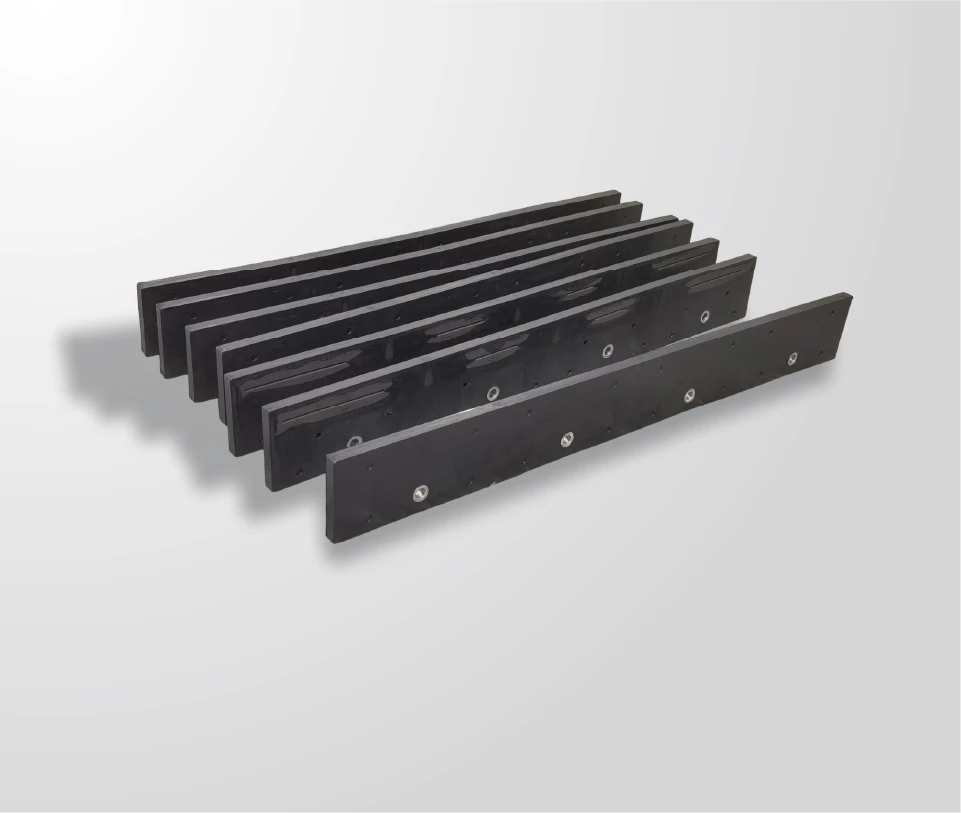
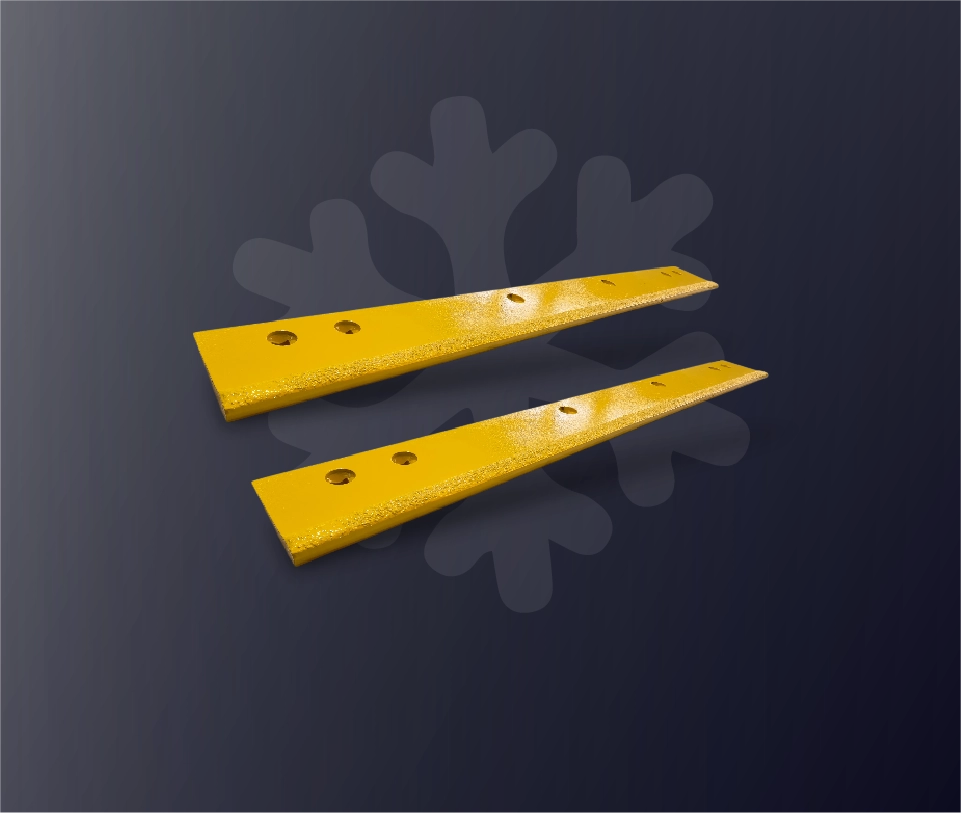
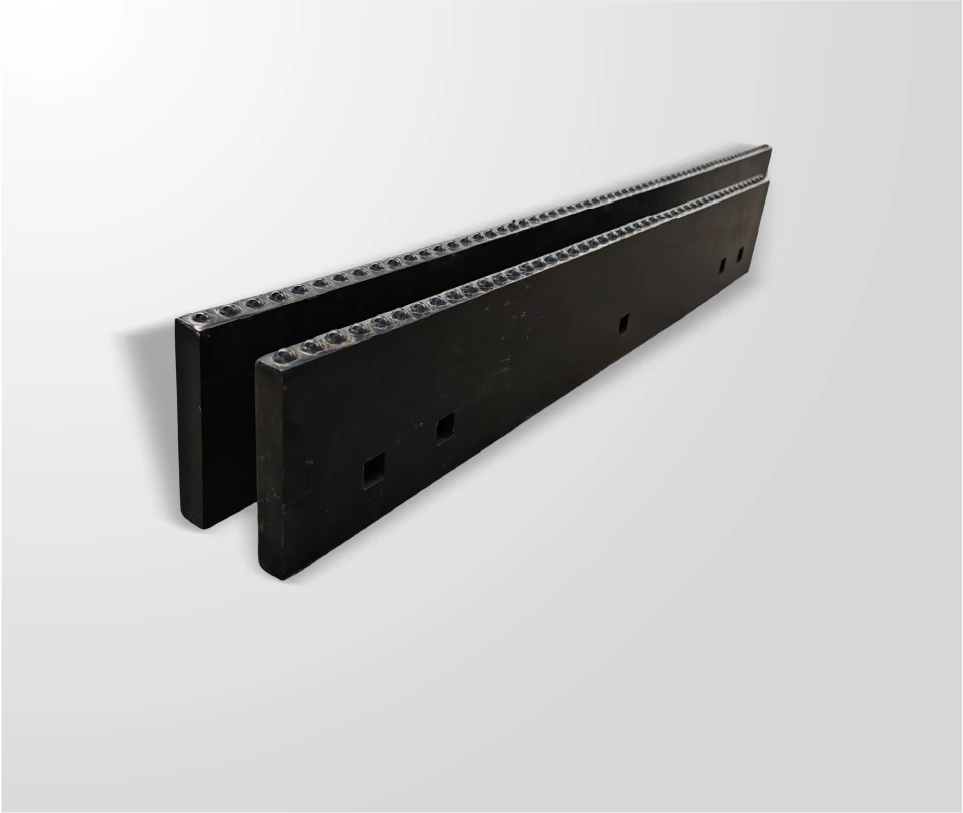
The specification that actually controls fitment and performance is short and mechanical: the part type, its principal dimensions, the material or grade, the mounting pattern and tolerance, and the interface it must match. For an edge or blade that means profile and thickness, edge geometry and pattern; for hardware it means thread, grade, length and finish; for consumables such as towels and filters it means dimensions, material and the interface they fit. A specification written this way can be quoted, inspected and compared, which is exactly what a brand description cannot do.
Brand still matters as a compatibility statement. Where a part must fit a machine interface, a drawing or a physical sample is the reference and the machine’s interface conventions are the general practice; SAE publishes conventions for machine and attachment interfaces, and the same logic of documenting an interface rather than naming a product applies to rink equipment. The practical result is a parts list expressed as specifications with a compatibility note, not a list of brand names.
Documentation to Demand Before Award
The documentation set is what separates a supplier who manufactures from one who resells, and it is reasonable to ask for it before a contract is placed rather than after a problem appears. The list below is the minimum that makes an award decision defensible and a later claim possible.
| Document | What it should show | Why it matters |
|---|---|---|
| Specification sheet | Dimensions, material or grade, tolerance, interface | Makes quotations comparable and inspection possible |
| Fitment record | Drawing or sample reference for the machine interface | Prevents a first order becoming a trial by failure |
| Inspection arrangement | What is checked, how, and against what reference | Establishes what the supplier is accountable for |
| Traceability statement | Batch identification carried on the parts or packaging | Turns a failure into an investigation rather than an argument |
| Commercial annex | Quantities, packing, delivery and payment terms | Removes the ambiguity that produces disputes |
Requests of this kind follow the same pattern as public procurement, where the specification and the evaluation criteria are established before offers are considered. Federal procurement practice is documented through the GSA, and supplier registration and entity data are held on SAM.gov. A private buyer does not need those processes, but the principle — criteria before offers — is what keeps a parts programme honest.
Pricing Structure and What Drives It
A quotation for rink parts is a structure rather than a number. The elements that move it are the specification, the quantity, the number of distinct items in the order, the packing and delivery arrangement, and whether the item is held in stock or produced to order. Understanding which of those a buyer can influence is the whole of price negotiation.
Specification is the largest lever, and it is also the one most often left vague. A part quoted against a drawing with a stated grade and tolerance is priced for exactly that; the same part described by machine brand may be quoted loosely and supplied loosely. Quantity is the second lever: the cost of setting up a production run is spread across the order, so a consolidated annual requirement behaves differently from four small orders.
Consolidation is the third lever, and it is the one buyers most often neglect. A single order covering the wear items for several machines reduces line-item overhead and packing cost, and it also simplifies the acceptance process. Because manufacturers do not publish prices, and because terms depend on specification and volume, the figures that apply to a given programme are stated in the written quotation or order documents. The productive conversation is therefore about the specification and the order shape rather than about a headline number.
Lead Time, MOQ and Continuity
Continuity is a specification problem as much as a logistics one. A rink cannot stop flooding ice because a towel or a blade is unavailable, so the parts that must always be on the shelf have to be identified in advance and held at a defined level. That decision is made with the fleet’s own consumption record, not with a general rule.
Lead time behaves differently depending on whether the item is a stock line or a made-to-order part, and whether the order is a repeat of a specification already held on file. A repeat order against an established specification is a different proposition from a first order that requires a drawing review or a sample check, and it is reasonable to ask a supplier to distinguish between the two in writing. Minimum order quantity works the same way: it varies with specification and production arrangement, and the figure that applies is the one stated in the written quotation or order documents rather than a general policy.
Sourcing across borders adds terms that should be understood rather than assumed. Delivery responsibility, risk transfer and cost allocation are governed by the Incoterms published by the ICC, and export and import facilitation requirements for the destination market are described by Trade.gov. Writing the term into the order avoids the classic outcome in which a delivery arrives on the wrong side of a customs boundary with nobody responsible for the charges.
Quality Gates and Acceptance Testing
Acceptance testing needs to be simple enough that a rink manager can perform it without an engineering judgement. For dimensional parts that means checking the principal dimensions and the mounting pattern against the drawing or sample, at the tolerance stated on the specification sheet. For assemblies it means completeness against the kit description. For consumables it means dimensions, material identification and the interface they must fit.
The measurement methods themselves should be published ones wherever they exist, so that a supplier and a buyer measuring the same part arrive at the same answer. Hardness and dimensional test methods are catalogued by ASTM, which is the reference for the test rather than for the part. Where a measurement is outside the stated tolerance, the practical rule is to reject the delivery rather than to correct it on site, because a field modification removes the traceability that makes the programme enforceable.
Records close the loop. Each delivery should be logged against the specification and batch, and each failure logged with the application and the hours or passes achieved. Over a season those logs identify which items genuinely consume and which were specified too generously or too lightly. SENTHAI works with lot-level traceability, with every batch inspected and archived, which is what allows a buyer’s log to be reconciled against production records.

Risk, Warranty and Dispute Handling
Disputes are resolved by evidence, and the evidence set is the same regardless of the part: batch identification, the specification the part was bought against, the application and duty, the hours or passes achieved, the failure mode with photographs, and any measurement record. With that set a supplier can separate a manufacturing question from an application question instead of negotiating over the outcome.
Warranty terms are not uniform across suppliers or products, and the terms that apply to a given purchase are stated in the written quotation or order documents. Buyers should therefore read the warranty position as part of the award decision rather than after a failure, and should confirm what the supplier expects to receive in the event of a claim. Where an audit or a public body is involved, the treatment of procurement complaints and reviews is documented through the GAO, and the same principle — a defined process with defined evidence — is what makes a private claim resolvable.
The larger risk is continuity of supply rather than a single failed part. A second, validated specification and a second source of supply remove the exposure that a single line item can create, and both are easier to establish before a season than during one. Distributors who stock rink parts as a service can carry that role for their customers; the terms for stocking and private-label arrangements, together with the documentation that supports them, are described in the wholesale and distributor programme, and the wider operating context for winter equipment sits in the winter fleet and road operations hub. A companion guide covers which consumables are worth stocking for one common machine family in an arena setting.
Buying parts for an ice resurfacing machine is a specification exercise before it is a price exercise. A written specification with dimensions, material and tolerance; a fitment reference; a documentation set that names inspection and traceability; an acceptance test simple enough to perform on delivery; and commercial terms taken from the written quotation or order documents together remove most of the uncertainty from the purchase. What remains is continuity, which is managed by holding the items the record shows consume and by validating a second source before it is needed.
Send SENTHAI the machine list, the parts currently consumed and any drawings or samples you hold, and the technical team will confirm specifications, document the fitment and set out the terms that would apply to a repeat programme.
Frequently Asked Questions
Can aftermarket parts be specified without naming the machine brand?
Yes, and it is the more reliable approach. A specification describes the part type, principal dimensions, material or grade, mounting pattern and tolerance, plus the interface it must match. Add a compatibility note naming the machine and model range so fitment can be confirmed, but keep the specification itself mechanical. Parts described by brand alone cannot be quoted precisely or inspected on delivery, which is where most early failures originate.
What should a buyer check when a parts delivery arrives?
Principal dimensions and mounting pattern against the drawing or sample, at the tolerance stated on the specification sheet; completeness against the kit description for assemblies; and dimensions, material and interface for consumables. Batch identification should be present. The check is deliberately simple so it can be done without engineering judgement, and anything outside the stated tolerance should be rejected rather than corrected on site.
How should a rink decide which parts to hold as spares?
From its own consumption record, not from a general rule. Log every delivery and every replacement against the machine and the hours or passes achieved, then rank the items by consumption rate. The parts at the top of that ranking are the ones worth holding at a defined level, and the record also shows which items were specified too heavily and can be bought less often, which is money returned to the operating budget.
How are MOQ, lead time and warranty set for rink parts?
They vary with the specification, the quantity and whether the item is a stock line or produced to order, so no supplier can give a single universal figure. The terms that apply to a specific purchase are stated in the written quotation or order documents, including the minimum order quantity, the lead time for that specification and the warranty position. Buyers should read those terms as part of the award decision rather than after a failure.
Related articles
 Airport Snow Removal: Consumables and Edge ChoicesWinter operations, ice control and ice rink equipment
 De-Icing Salt Comparison: Sodium, Calcium and Magnesium ChloridesWinter operations, ice control and ice rink equipment
 Liquid Brine De-Icing: Making, Storing and Applying ItWinter operations, ice control and ice rink equipment
 Road Salt Versus Sand: Performance, Cost and Trade-OffsWinter operations, ice control and ice rink equipment