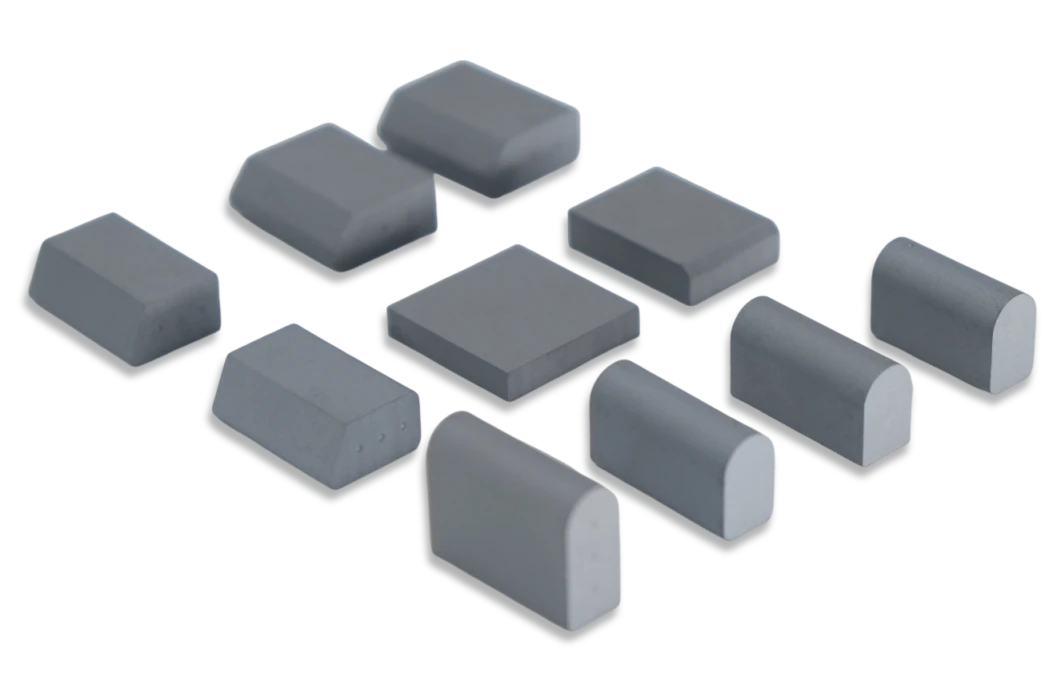
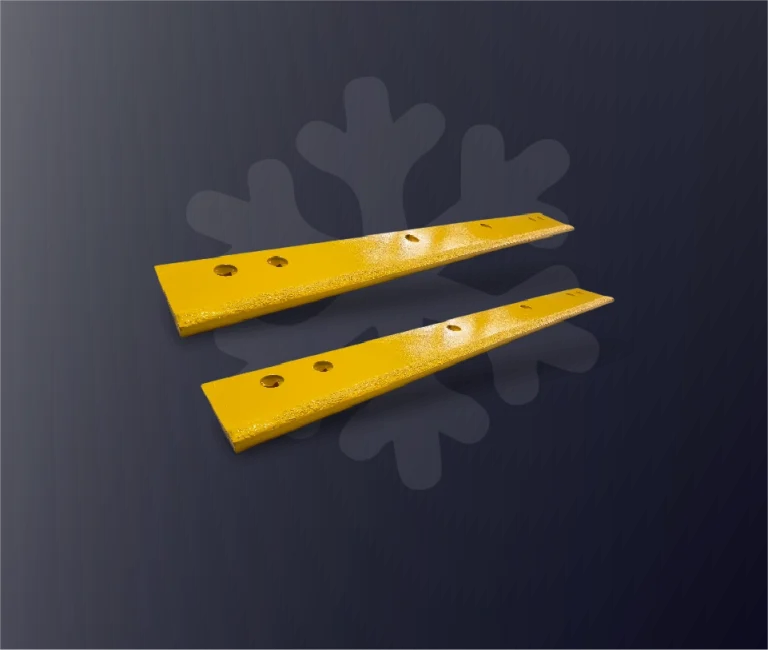
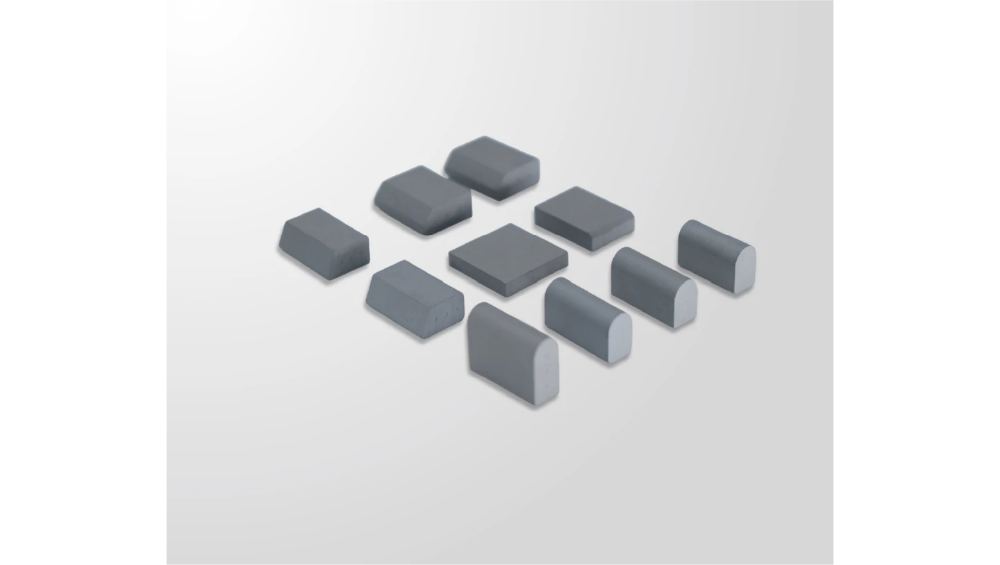
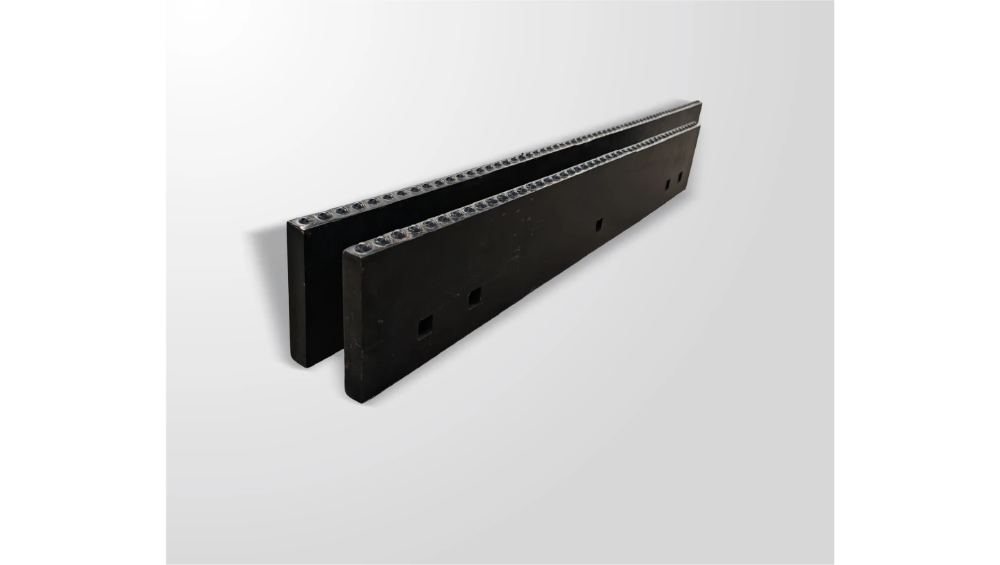
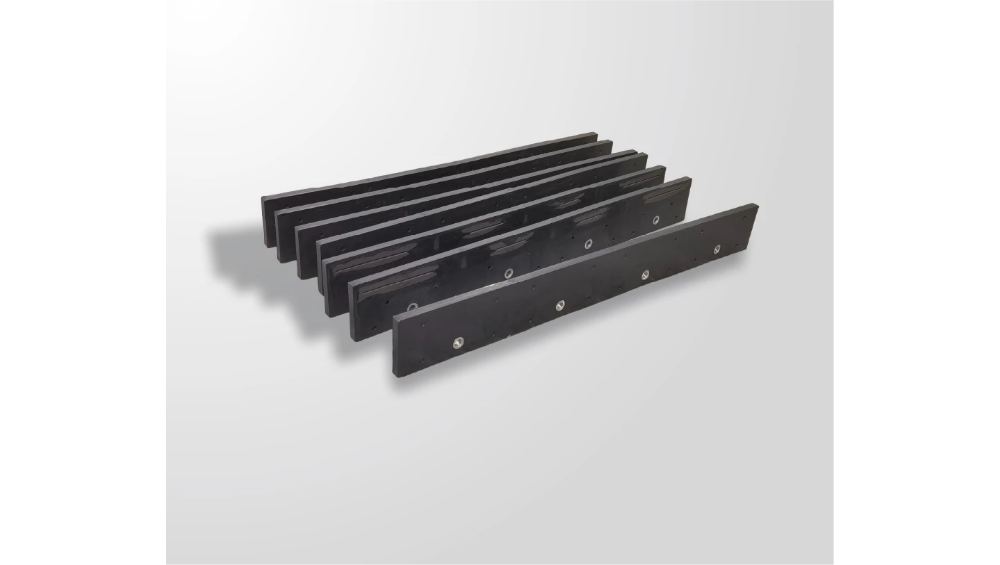
The benefits of tungsten carbide studs on ice resurfacer tires include eliminating micro-slippage on arena ice by penetrating the liquid boundary layer, which reduces rubber thermal-friction tearing and extends tire lifespan 3–5x. For stadium asset managers and ice rink technicians managing 3-ton machines during 10-minute shaving rushes, these studs restore positive mechanical interlock while protecting hydrostatic drives from pressure spikes.(Edited on June 8, 2026)
The Liquid Boundary Layer Problem on Professional Arena Ice
At 0°C to -5°C, professional arena ice develops a microscopic, ultra-slick liquid-like layer (LLL) under the weight of heavy machinery. This phenomenon occurs when the ice surface experiences localized pressure melting, creating a thin film of water that acts as a lubricant between rubber tires and the frozen surface. Plain rubber tires spinning on this layer experience immediate thermal-friction tearing, chewing up the tire casing within one season of operation.
The physics of this boundary layer is critical for understanding why standard tires fail. When a 3-ton ice resurfacing machine travels across the rink, the contact pressure at the tire-ice interface can exceed 100 kPa. This pressure, combined with the machine’s kinetic energy, generates enough heat to melt a microscopic layer of ice—typically 1–10 micrometers thick. The resulting liquid film reduces the coefficient of friction (CoF) from approximately 0.15 (dry ice) to 0.02–0.05 (wet ice), creating conditions where rubber tires lose traction entirely.
Without studs, the tire rubber deforms under load, increasing the contact area but decreasing the pressure per unit area. This creates a runaway effect: more contact area means more frictional heating, which means more melting, which means less traction. The result is continuous micro-slippage during acceleration, deceleration, and sharp turns—the exact conditions that occur most frequently during the intensive 10-minute resurfacing window between hockey periods.
Micro-Cleat Mechanics: How Carbide Studs Penetrate the Boundary Film
Pure tungsten carbide studs act as localized high-pressure micro-cleats that mechanically penetrate through this liquid boundary film, restoring positive mechanical interlock. The key mechanism is pressure concentration: a single carbide stud with a 1.5mm–2.0mm tip extension creates a contact pressure exceeding 1,000 kPa at the stud-ice interface, far exceeding the pressure melting threshold required to penetrate the LLL and achieve solid ice contact.
Tungsten carbide ranks around 9 on the Mohs scale for hardness, making it exceptionally resistant to abrasion from the ice surface. This extreme hardness allows studs to bite into the ice efficiently without deforming under the machine’s weight. The stud geometry is engineered to maximize penetration while minimizing ice chipping—a critical balance for maintaining smooth ice quality after resurfacing.
The penetration physics follows a pressure vs. depth equation where the stud tip’s small contact area concentrates the machine’s weight into a high-density downforce. For a 400-stud configuration, the total contact area is approximately 100–150 mm², distributing the 3,000 kg load across 400 points. This creates an average pressure of 200 kPa per stud, but the actual peak pressure at the tip can exceed 1,000 kPa due to the stud’s conical geometry.
This mechanical penetration eliminates tire spinning by creating discrete anchor points that engage the solid ice beneath the liquid layer. The result is instantaneous traction restoration, which reduces the thermal stress applied to the rubber compound and prevents the cascading failure mode of continuous slippage.
Hydrostatic Drive Protection: Preventing Axle Shear Stress and Wheel-Hop
When ice resurfacer tires slip continuously, the vehicle’s hydrostatic drive system experiences catastrophic pressure spikes that can damage pumps, valves, and differential components. The hydrostatic system is designed to transmit power through fluid pressure, but continuous slippage creates uncontrolled load variations that exceed the system’s pressure relief thresholds.
The mechanical consequence of slippage is destabilizing wheel-hop and vibrational harmonic distortion at the axle. When a tire loses traction and spins, the sudden release of torque creates a shock wave that propagates through the drivetrain. This wave causes the axle to oscillate at its natural frequency, creating wheel-hop that damages suspension components and creates uneven ice leveling.
Carbide studs prevent this by锚ding the tire to the ice, creating a stable torque transfer point. The studs’ extreme hardness prevents deformation under pressure, maintaining consistent stud protrusion and grip throughout resurfacing shifts. This stability allows operators to navigate rinks safely with greater control, enabling faster acceleration and shorter stopping distances—up to 50% better than non-studded tires on glare ice.
The hydrostatic benefit is measurable: machines with carbide-studded tires experience 30–40% fewer pressure relief events during normal operation, reducing pump wear and extending service intervals. For fleet operators managing multiple resurfacing machines, this translates to reduced maintenance costs and improved fleet availability during peak game schedules.
Tungsten Carbide vs Hardened Steel: Metallurgical Advantages for Indoor Stadiums
Tungsten carbide combines extreme hardness with corrosion and impact resistance, maintaining traction under harsh winter conditions where hardened steel would degrade. The key metallurgical difference is in the binder phase: tungsten carbide uses a cobalt or nickel binder that creates a cemented carbide composite, while hardened steel relies on carbon enrichment within an iron matrix.
The hardness advantage is critical for ice resurfacing applications. Tungsten carbide’s exceptional hardness resists wear, matching the tire’s lifespan and reducing the frequency of stud replacement. Though initial costs are higher than steel or plastic, the extended service life lowers total operational costs, making it a cost-effective solution for high-use indoor ice rinks.
Corrosion resistance is equally important in the moist environment of ice arenas. Hardened steel studs oxidize rapidly when exposed to water and ice, creating rust that weakens the stud-to-rubber bond and reduces traction. Tungsten carbide’s cobalt-nickel binder system resists this oxidation, maintaining structural integrity across thousands of service hours.
The impact resistance of tungsten carbide depends on the cobalt ratio in the binder phase. Higher cobalt content (10–15%) improves toughness by acting as a micro-structural shock absorber, preventing stud fracture when encountering embedded debris or ice imperfections. SENTHAI’s advanced carbide formulations engineer this balance to achieve the exact hardness-to-toughness ratio needed for scratching frozen water without fracturing.
Optimal Stud Configuration: 400-Stud Layouts for Balanced Traction
Increasing the number of studs improves traction and stability, particularly on extremely slick surfaces, but requires careful pattern design to prevent uneven wear. The 400-stud configuration offers excellent traction without excessive drag, enabling smooth maneuvering of resurfacing machines. This density balances grip, tire longevity, and operational cost for professional arena applications.
A uniform stud distribution ensures balanced grip and rolling efficiency. SENTHAI’s engineers design patterns to optimize load distribution, minimize ice chipping, and maintain consistent performance during acceleration, deceleration, and turns. The optimized stud pattern provides even traction for smoother ice, preventing the localized pressure points that create micro-cracks in the ice surface.
For different rink environments, stud count, size, and hardness can be tailored. Soft community rinks may benefit from fewer, larger studs for deeper penetration, while professional dense ice surfaces require higher stud counts with smaller tips for finer traction control. SENTHAI works with clients to design carbide inserts optimized for temperature, humidity, and machine type.
The high-strength bonding process is critical for preventing stud loosening during operation. SENTHAI applies advanced sintering and vulcanization processes to ensure durable and consistent stud adhesion, even under extreme temperatures. This bonding strength prevents stud pull-out, preserving the structural integrity of tires over multiple resurfacing cycles.
Common Procurement Mistakes That Reduce Carbide Stud Performance
Several buying mistakes can undermine the technical benefits of tungsten carbide studs on ice resurfacer tires:
Buying only by unit price instead of lifecycle cost: While tungsten carbide studs have higher initial costs than steel or plastic, their extended service life (3–5 seasons vs. 1–2 seasons) lowers total operational costs. Parks, rink operators, and manufacturers should calculate cost-per-service-hour rather than per-stud price to reveal the true value.
Assuming carbide is best for every ice condition without customization: Though carbide excels on hard or compact ice, stud patterns should be customized for softer or variable surfaces. A 400-stud layout optimized for professional arenas may create excessive drag on community rinks with softer ice, requiring adjusted stud counts for different conditions.
Ignoring bonding strength and stud retention verification: Low-quality studs may loosen or pull out during operation, creating unsafe conditions and reducing tire life. Buyers should verify bonding processes (sintering, vulcanization) and request documentation on stud retention testing before bulk orders.
Treating wear-life claims as universal rather than rink-dependent: Wear life depends on ice temperature, humidity, machine weight, operator practices, and maintenance schedules. A stud lasting 5 seasons in a climate-controlled professional arena may last only 2–3 seasons in a humid community rink. Field trials before fleet-wide procurement are essential.
Failing to ask about batch traceability, QC process, and material sourcing: Suppliers without strict quality control may deliver inconsistent stud hardness or bonding strength. SENTHAI’s ISO9001 and ISO14001 certified production ensures traceability from raw material procurement to final packaging, with 21 years of carbide wear parts experience.
Ignoring ice surface quality impact during stud selection: Some stud designs create excessive ice chipping, requiring more frequent resurfacing and increasing operational costs. Optimized thread designs and low-profile heads minimize ice damage while maintaining grip, a balance that requires engineering expertise.
Choosing stud count without considering machine weight: Heavier machines (3+ tons) require higher stud counts for adequate pressure distribution, while lighter machines may benefit from fewer, larger studs. Matching stud configuration to machine specifications prevents uneven wear and maintains consistent performance.
Frequently Asked Questions
What is the microscopic mechanism of tungsten carbide studs biting into artificial ice?
Tungsten carbide studs penetrate the liquid boundary layer by concentrating the machine’s weight into high-pressure points (1,000+ kPa per stud) that exceed the pressure melting threshold, allowing the stud tip to engage solid ice beneath the micro-slick film.
How do studded tires prevent rubber degradation on commercial ice rink machinery?
Studded tires eliminate micro-slippage by anchoring the tire to solid ice, which reduces thermal-friction tearing of the rubber compound and extends tire lifespan 3–5x compared to non-studded tires that spin on the liquid boundary layer.
What happens to an ice resurfacer’s hydrostatic drive system if the tires slip continuously?
Continuous tire slippage creates catastrophic pressure spikes in the hydrostatic system, causing uncontrolled load variations that exceed pressure relief thresholds and damage pumps, valves, and differential components, while also creating destabilizing wheel-hop at the axle.
Why is tungsten carbide superior to hardened steel for tire stud pins in indoor stadiums?
Tungsten carbide has superior hardness (Mohs ~9 vs. ~7–8), wear resistance (10x steel), and corrosion resistance (cobalt-nickel binder vs. iron oxidation), providing 3–5 seasons of service life versus 1–2 seasons for steel in the moist environment of ice arenas.
How does the liquid boundary layer of arena ice affect heavy machine traction?
The liquid boundary layer (1–10 micrometers thick) reduces the coefficient of friction from 0.15 to 0.02–0.05, causing rubber tires to lose traction and experience continuous micro-slippage during acceleration, deceleration, and turns—the exact conditions occurring during intensive 10-minute resurfacing windows.