When to Replace Snow Plow Blades: Wear Signs and Timing
Replacing a snow plow blade too early wastes money; replacing it too late costs more. The right timing sits between those two points, and it is easier to find than most fleets think: watch…

Replacing a snow plow blade too early wastes money; replacing it too late costs more. The right timing sits between those two points, and it is easier to find than most fleets think: watch the wear signs, use wear indicators, and replace before the blade starts damaging mounting hardware. This guide gives you the routine. Find blades with integrated wear indicators on the snow plow blade catalog page.
Signs of Blade Wear
- The edge no longer scrapes cleanly — streaks or packed snow remain.
- The blade is visibly rounded or shortened at the cutting surface.
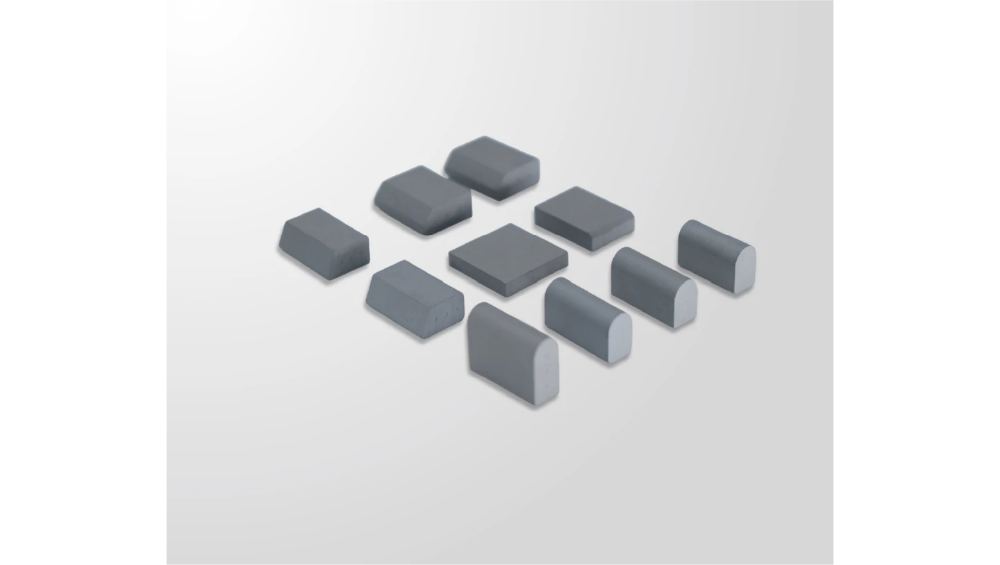
- Inserts are loose, cracked, or missing.
- The wear indicator on the section is visible.
- Plow performance degrades — more passes needed for the same result.
How Long Snow Plow Blades Last
Blade life varies with route abrasiveness, plow speed, and maintenance. Steel edges may need several changes per season; carbide and rubber-carbide edges typically last far longer. Agency field studies show carbide edges spanning multiple seasons where steel was replaced annually — but life is measured on your routes, not in a brochure.
Replacement Frequency
Track changes per plow per season and you will see a pattern: highway trucks wear edges fastest, residential routes slower, ice-heavy routes hardest on inserts. Use that pattern to schedule replacements before storms rather than reacting mid-storm.
Measuring Blade Wear
Measure the remaining edge thickness or use the integrated wear indicator. Transportation research programs, including Clear Roads, have studied how to measure cutting edge wear consistently because agencies need objective data to compare blade life. A simple thickness check or indicator reading gives your fleet the same objectivity.
Cost of Replacing Too Late
A blade run past its limit lets the steel backing contact the road and puts the clamping system under load. Hardware, mount brackets, and even the plow frame can be damaged — repairs that cost many times the price of a section. Late replacement is the most expensive way to buy blades.
Wear Indicators Explained
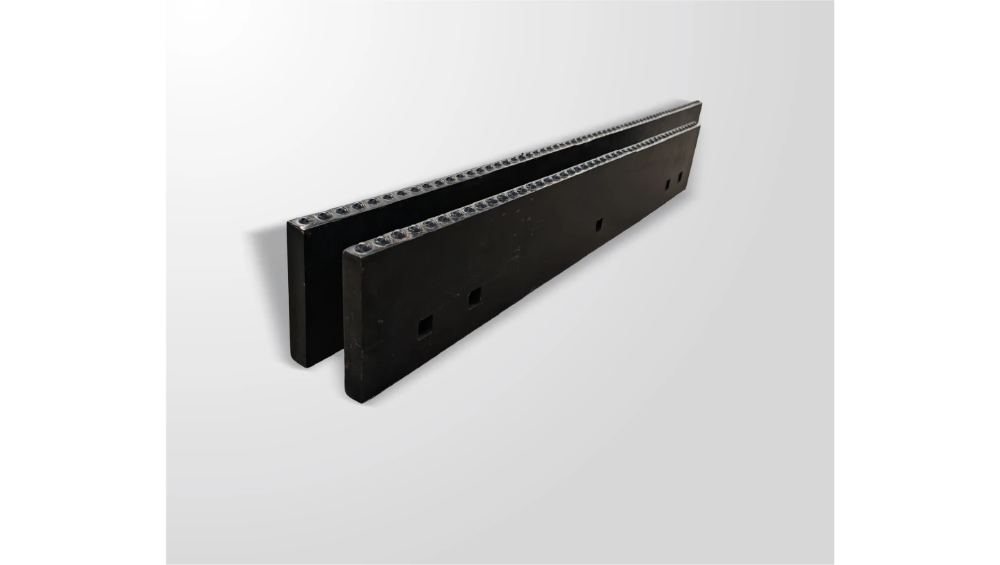
An integrated wear indicator is built into the section at the wear limit. When it becomes visible, the blade should be replaced. Because it is part of the section, it reflects real wear and cannot be lost like a separate gauge — it turns replacement timing into a 30-second visual check.
Replacing Before Hardware Damage
Schedule the change as soon as the indicator appears or the wear signs show. The cost of a section is small compared with the cost of damaged clamping bars and hardware. Early scheduling also lets the shop plan the change instead of doing emergency work during a storm.
Uneven Wear Diagnosis
If one section wears faster than the others, check fitment and pressure: a mismatched bolt pattern, a bent moldboard, or uneven clamping causes uneven wear. Fix the cause before replacing the blade, or the new blade will wear the same way.
Building Seasonal Replacement Schedules
Use your change log to build a seasonal schedule: pre-season replacements, mid-season rotation, and post-season condition records. A schedule keeps blades fresh for every storm and makes the maintenance budget predictable.
Field Data on Blade Life
Real-world data supports scheduled replacement over guesswork. The Maine DOT field study at the Transportation Research Board measured blade life and cost across blade types, showing that longer-lived blades cut total cost. Your change log is the same measurement at fleet scale.
Frequently Asked Questions
How do I know when my plow blade is worn out?
Check the wear signs: poor scraping, rounded edges, loose inserts, or a visible wear indicator. When the indicator shows, replace the section.
How often should plow blades be replaced?
It depends on routes and material. Track changes per plow — highway trucks may need several changes per season while carbide edges last multiple seasons.
What happens if I replace blades too late?
The steel backing contacts the road and the clamping system takes the wear. Hardware and frame damage cost far more than a timely section replacement.
Do carbide blades wear evenly?
They should. Uneven wear across sections usually points to a fitment or pressure problem that should be diagnosed before replacement.
Replace on schedule, not on failure. See wear-indicator-equipped blades on the SENTHAI snow removal blade options and ask SENTHAI for a replacement schedule matched to your routes.