Municipal Snow Plow Blades: Selection and Budget Strategy
Municipal fleets buy snow plow blades under public procurement rules, which means the decision has to survive an audit — not just a field trial. The strongest municipal blade strategy combines life-cycle cost analysis,…

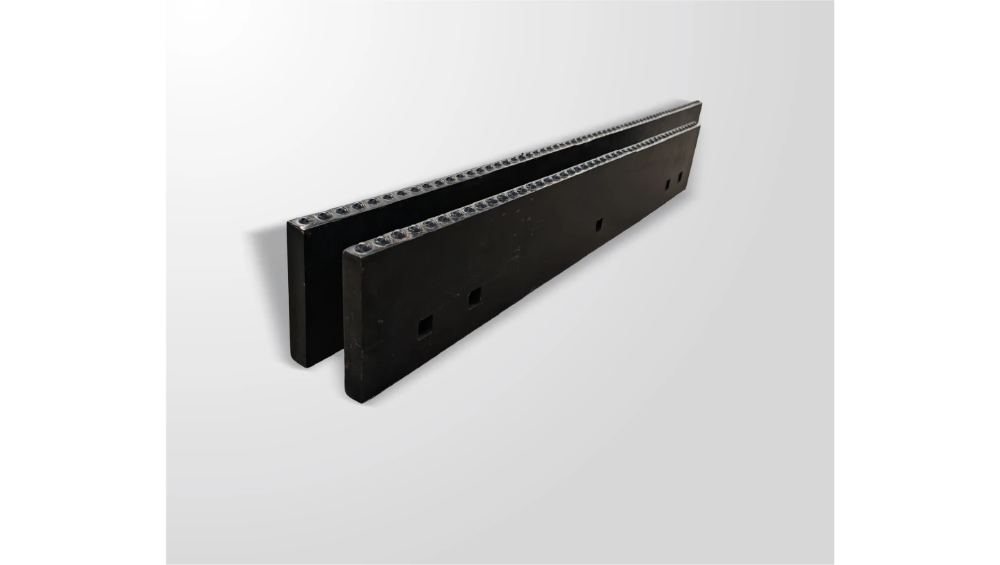
Municipal fleets buy snow plow blades under public procurement rules, which means the decision has to survive an audit — not just a field trial. The strongest municipal blade strategy combines life-cycle cost analysis, pavement protection, fleet standardization, and a documented pilot program. The snow plow blade selection guide shows the blade systems built for municipal duty.
Municipal Plowing Challenges
Cities clear a mix of highways, arterials, residential streets, and sidewalks — each with different surface sensitivity and service levels. Blades must balance wear life, pavement protection, noise, and cost across that mix. A single blade rarely fits every route, which is why municipal fleets increasingly run a mixed blade strategy.
Blade Materials for Cities
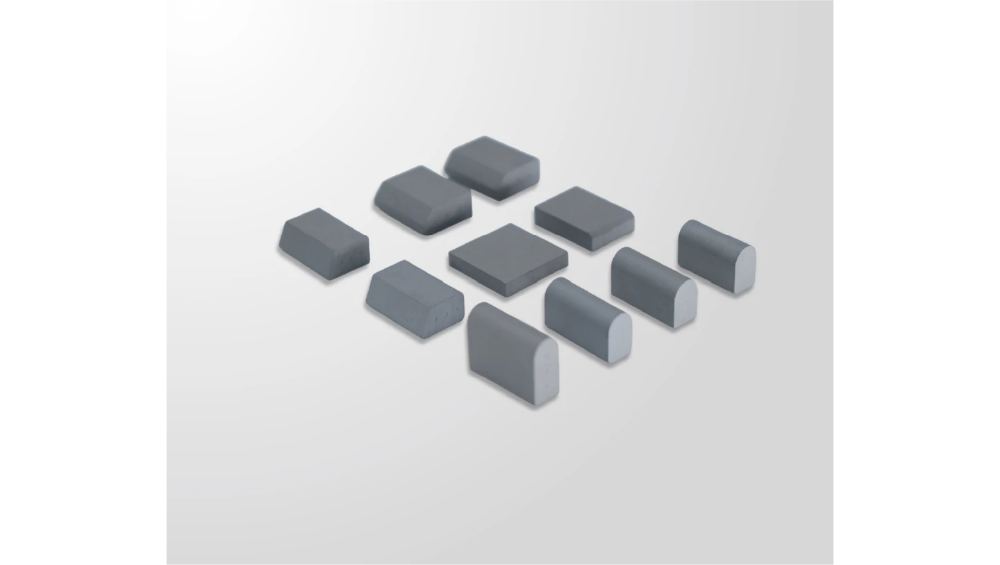
Carbide blades suit long, abrasive arterials. Rubber-flex blades protect markings and reduce noise on residential routes. Packed ice kits handle the worst ice events. Cities standardize on carbide for most of the fleet and add a second system where surface protection or ice duty demands it.
Procurement Best Practices
Write specifications around performance and fitment — AASHTO bolt patterns, section sizes, and measurable quality controls — rather than brand names. Require bidders to document materials and bonding processes. Independent guidance like the Clear Roads program provides the evaluation methodology agencies can reference in RFPs.
Budgeting for Winter Maintenance
Budget blades on life-cycle cost: purchase price, replacement frequency, labor, and downtime across the season. Municipal field studies have shown carbide edges lasting multiple seasons where steel was replaced annually, with documented savings per blade — the kind of evidence that survives an audit.
Maintenance and Longevity
Blade life depends on inspection and care. A seasonal maintenance calendar — pre-season inspection, weekly checks during active season, proper off-season storage — extends edge life and catches problems before they damage mounting hardware.
Life-Cycle Cost in Public Procurement
Life-cycle cost analysis (LCCA) is the defensible way to buy blades. Build the model with your own data: changes per plow, labor hours per change, and downtime cost. Present the total over three to five seasons, and the higher-priced carbide blade often becomes the lower-cost purchase.
Pavement and Marking Liability
Worn or rigid edges damage markings and pavement, and that damage becomes a repair cost or a claim. Rubber-flex blades glide over markings, and packed ice kits protect porous asphalt. For a city, surface protection is a liability line item, not a marketing claim.
Standardizing Across the Fleet
Standardization simplifies stocking, training, and QC. Pick one insert system, a small set of section sizes, and a single supplier relationship. Standardization also makes pilot results comparable — every truck runs the same blade, so data is clean.
Pilot Program for New Blades
Run a documented pilot before fleet-wide purchase: select trucks, assign comparable routes, and log changes, downtime, and operator feedback. A one-season pilot gives procurement the evidence it needs and lets staff build confidence in the new blade.
Documenting Vendor Performance
Track what each vendor delivers: on-time shipments, documented quality, and field performance. A simple vendor scorecard turns next year’s procurement into a data-driven decision instead of a repeat of last year’s.
Frequently Asked Questions
How should a city choose snow plow blades?
Use life-cycle cost, verify AASHTO fitment, consider pavement protection, and run a one-season pilot on representative routes before fleet-wide rollout.
Are carbide blades worth it for a municipal budget?
On most municipal routes, yes — documented field studies show carbide edges saving money per blade over multiple seasons versus annual steel replacement.
Do rubber-flex blades belong in a municipal fleet?
Yes, on marking-heavy and residential routes. They protect pavement and reduce noise, which supports both maintenance budgets and community expectations.
What should a blade RFP require?
Performance-based specifications: AASHTO fitment, section sizes, material and bonding documentation, and a field evaluation protocol like Clear Roads’ methodology.
Build an audit-proof blade strategy. Review the municipal-ready systems on the SENTHAI snow plow product family and ask SENTHAI for pilot program support and spec documentation.