




Ice Rink Equipment Maintenance Checklist: Resurfacer Blades, Traction, Water Systems, and Spares
Rink maintenance is a program across the whole machine, not a single part decision. The resurfacer blade gets the attention because it touches the ice, but squeegee rubber, tire studs, water filtration, and conditioner…
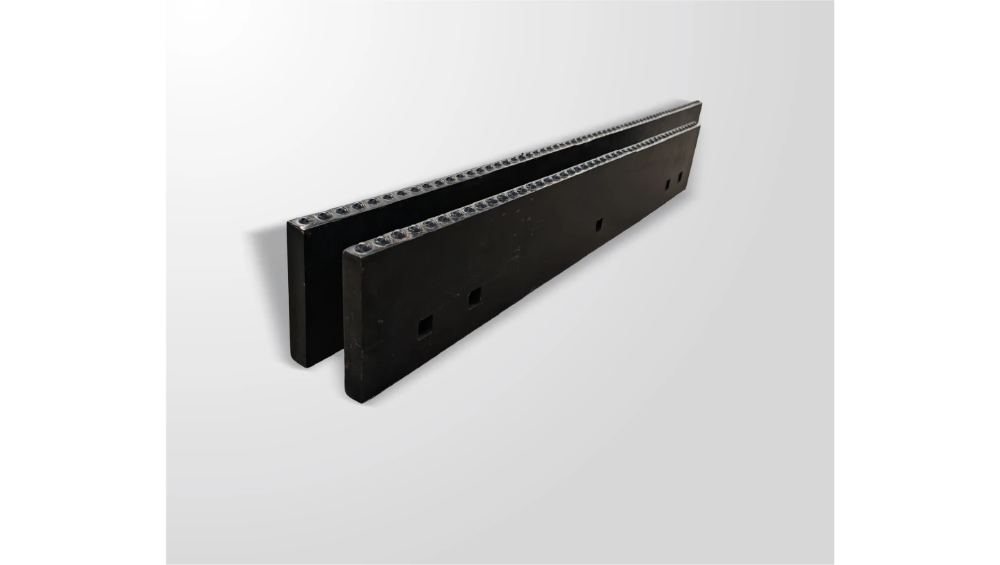
Rink maintenance is a program across the whole machine, not a single part decision. The resurfacer blade gets the attention because it touches the ice, but squeegee rubber, tire studs, water filtration, and conditioner components all decide whether the sheet stays consistent shift after shift. This guide is the equipment-level maintenance plan. The blade itself has its own deep dive — the ice resurfacer blade replacement guide covers specs, change procedures, and blade-related symptoms.
The Maintenance Program, Not the Part
A reliable rink runs three systems in parallel: a fixed inspection cadence, a spares plan per component, and a feedback loop from ice quality back to maintenance actions. Skipping any one of them turns small wear problems into mid-season failures — a cracked squeegee discovered during a sold-out game is a maintenance-schedule failure, not bad luck.
Equipment × Frequency × Spares × Symptom
| Equipment | Daily check | Weekly check | Seasonal spare | Operational symptom |
|---|---|---|---|---|
| Resurfacer blade | Edge condition | Mounting hardware | Blade set | Streaks, chatter, uneven shave |
| Squeegee | Rubber condition | Alignment | Squeegee rubber | Water left behind, wet patches |
| Tire studs | Traction feel | Missing or worn studs | Studded tires / studs | Slip during turns |
| Water filtration | Flow rate | Filter condition | Filter element | Dirty or inconsistent ice finish |
| Auger / conditioner | Shavings flow | Edge condition | Wear parts | Snow pile-up, uneven pickup |
| Hoses and seals | Leaks | Connections | Seals and gaskets | Drips, pressure loss |
Use the symptom column as the trigger: when an operational symptom appears, the row tells you which component to inspect first. That mapping is what makes the checklist useful instead of decorative.
Daily, Weekly, Monthly, and Seasonal Cadence
- Daily: blade edge, squeegee rubber, leaks, flow rate
- Weekly: mounting hardware, studs, filter condition, alignment
- Monthly: auger and conditioner edges, connections, drive components
- Seasonal: full inspection, replace worn components, verify mounting and torque, stock spares for the next season
Scale the cadence by hours of operation. A rink resurfacing all day checks more than a community rink running a few passes — and logs the results.
Running the Program by Operational Results
Maintenance should be measured by what the ice looks like, not by how busy the staff was. Track four results per month:
- Ice consistency complaints or reconditioning events
- Unplanned downtime and the component that caused it
- Spare-part turnover per component
- Cost per hour of resurfacing operation
Two seasons of these numbers show which components fail early on your ice, your water chemistry, and your usage pattern — and they justify the spares budget to whoever signs the purchase orders.
OEM vs Aftermarket Spares
For blades and studs, the comparison is the specification, not the label. An aftermarket carbide blade or stud set from a qualified manufacturer can match or exceed OEM life when the grade, geometry, and mounting are correct. Verify the fit against the machine model or a drawing, and ask for the grade and inspection criteria. This page covers equipment maintenance; SENTHAI supplies the carbide blade and stud wear parts for resurfacing machines from its factory in Rayong, Thailand — the rest of the machine is maintenance context, not product.
FAQ
How often should rink equipment be inspected?
Inspect the blade and squeegee daily, studs weekly, and auger, filter, and drive components monthly. Scale the cadence with hours of operation, and log the results.
Do aftermarket carbide studs fit OEM wheels?
When the geometry and retention match the wheel spec, yes. Verify the stud dimensions and mounting against the machine model before ordering.
What shortens resurfacer wear-part life fastest?
Dirty ice with grit and debris, hard impacts from edges and fixtures, poor water chemistry, and missed inspections. Most premature failures trace to environment and maintenance habits, not the part.
Related
- Ice Resurfacer Blade Replacement — the blade deep dive: specs, symptoms, and change procedures
- What Makes Tungsten Carbide Studded Tires Essential for Ice Resurfacers?
- Tungsten Carbide Studded Tires for Ice Resurfacers: A B2B Fleet Procurement Guide
Sources
Related articles
 Best Snow Plow Blade Family for Your Fleet: Top 5 ScenariosKnowledge
 Top 10 Snow Plow Blade Types for Winter Fleets (Ranked by Duty Fit)Knowledge
 Top 5 Best Carbide Blade Configurations for Highway PlowingKnowledge
 Best Snow Plow Blade Materials Ranked: Steel vs Carbide vs Cladding vs Rubber-CarbideKnowledge