




How to Store Snow Plow Blades for UV Protection: A Guide to Preventing Rubber Cracking
Store snow plow blades indoors, away from direct sunlight and ozone sources, in cool, dry conditions below 70°F — UV radiation and ozone break down rubber molecular bonds and cause cracking, so proper storage…
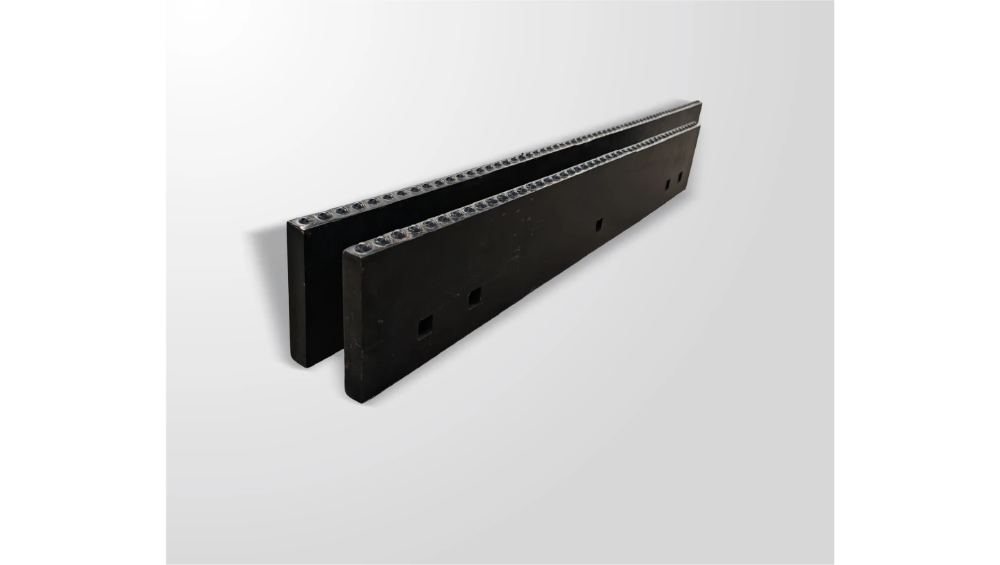
Store snow plow blades indoors, away from direct sunlight and ozone sources, in cool, dry conditions below 70°F — UV radiation and ozone break down rubber molecular bonds and cause cracking, so proper storage protects both the rubber shell and the carbide edge. Clean, cover with breathable tarps, and elevate off the ground.
(Last modified date: August 31, 2026)
Key Takeaways
- UV breaks down rubber bonds during summer storage; ozone accelerates oxidation.
- Store at 50–70°F and 30–50% RH, away from motors, windows, and skylights.
- Use breathable canvas or UV-blocking covers — never plastic tarps.
- Proper storage can add 2–3 seasons of service life and cut cracking by 50%.
Why Do UV and Ozone Damage Rubber-Encased Snow Plow Blades?
Ultraviolet radiation breaks down rubber molecular bonds during summer storage, causing cracking and brittleness. Ozone from electrical equipment, industrial zones, and the atmosphere accelerates degradation by oxidizing rubber polymers. Poor storage leads to early blade replacement, increasing fleet costs. SENTHAI’s ISO 14001 standards and proprietary rubber compounds enhance UV/ozone resistance. See how to maintain JOMA-style blades for maximum longevity.
What Are the Best Indoor Storage Conditions?
| Condition | Ideal Storage | Poor Storage | Expected Benefit |
|---|---|---|---|
| Temperature | 50–70°F | Above 80°F or below 40°F | 2–3 seasons extra |
| Humidity | 30–50% RH | Above 60% RH | Prevents corrosion |
| Light exposure | No UV/direct sun | Windows/skylights | Reduces cracking by 50% |
| Ozone risk | Away from motors | Near equipment | Maintains rubber integrity |
For North America’s April–October off-season, these controls are essential. See best impact wrenches for plow maintenance.
How Should You Prepare Blades Before Storage?
- Clean with fresh water and soft brushes to remove salt, sand, ice, and debris.
- Dry thoroughly to prevent corrosion around brazed joints.
- Inspect for cracks or separations.
- Apply light silicone-based sprays if recommended.
- Document condition with photos.
What Type of Cover and Elevation Prevents UV Exposure?
Use breathable canvas or UV-blocking fabric tarps; avoid plastic that traps moisture. Elevate blades off the ground on racks or pallets to avoid concrete contact and condensation. See how to store carbide blades off-season.
How Do Seasonal Storage Intervals Affect Blade Lifespan?
Properly stored blades survive multiple seasons without rubber degradation; poorly stored blades crack and fail early, erasing the carbide lifespan advantage.
Can You Extend Blade Life Further with Off-Season Maintenance?
Yes — quarterly inspections, reapplication of corrosion inhibitors, and torque checks on hardware keep blades ready and extend service life. See managing refrozen melt-water on steep streets.
Which SENTHAI Blade Types Offer Superior UV and Ozone Resistance?
JOMA-style blades with UV-resistant rubber encasing and I.C.E. blades with vulcanized backing are engineered for seasonal storage durability. See why cities use segmented blades for quieter night operations.
Frequently Asked Questions
How often should I inspect blades during off-season storage?
Quarterly inspections are recommended; check rubber, brazes, and hardware.
What temperature range is safest?
50–70°F with 30–50% relative humidity.
Can plastic tarps damage rubber-encased blades?
Yes — plastic traps moisture and accelerates corrosion; use breathable covers.
Is a climate-controlled warehouse necessary?
For large fleets, yes — consistent temperature and humidity protect the investment best.
Related Articles
- JOMA Blade Maintenance
- Off-Season Carbide Blade Storage
- Impact Wrenches for Plow Kits
- Segmented Blades for Quiet Night Operations
Official Resources
- SENTHAI — Carbide Snow Plow Blades
- SENTHAI — Replaceable Carbide Inserts
- SENTHAI — Contact for Storage Guidance
References
- SENTHAI storage and handling documentation, 2026.
- Rubber degradation data on UV and ozone exposure.
Related articles
 Best Snow Plow Blade Family for Your Fleet: Top 5 ScenariosKnowledge
 Top 10 Snow Plow Blade Types for Winter Fleets (Ranked by Duty Fit)Knowledge
 Top 5 Best Carbide Blade Configurations for Highway PlowingKnowledge
 Best Snow Plow Blade Materials Ranked: Steel vs Carbide vs Cladding vs Rubber-CarbideKnowledge