




How to Identify Rubber Fatigue in Joma Style Bushings
Rubber fatigue in JOMA-style bushings appears through five key visual indicators: surface cracks near carbide segments, bulging or deformation around steel edges, chunking or tears exposing metal, brittle stiffness on flex tests, and excessive…
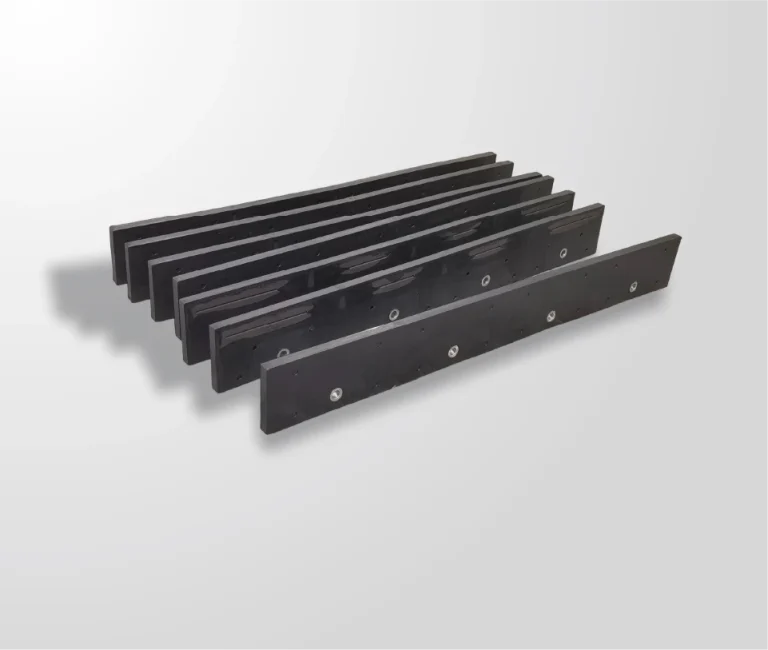
Rubber fatigue in JOMA-style bushings appears through five key visual indicators: surface cracks near carbide segments, bulging or deformation around steel edges, chunking or tears exposing metal, brittle stiffness on flex tests, and excessive vibration during operation. Early inspection prevents catastrophic failures. SENTHAI’s ISO 9001/14001-certified JOMA-style blades feature ultra-low-temperature-resistant vulcanized rubber, extending lifespan 10–20× longer than traditional steel blades.
(Last modified date: September 2, 2026)
Quick definition: Rubber fatigue in JOMA-style bushings results from repeated flex cycles during plow impacts, extreme cold temperatures (−40°F and below), road debris contact, and constant vibration.
Key Takeaways
- Rubber fatigue results from repeated flex cycles, extreme cold (−40°F and below), road debris contact, and constant vibration.
- Five visual cues: surface cracks, bulging, chunking/exposure, brittleness, and excessive vibration.
- Fatigue stages: early (fine cracks, inspect weekly), moderate (bulging/tears, rotate and slow down), advanced (chunking/exposed metal, replace immediately).
- SENTHAI’s ultra-low-temperature-resistant vulcanized rubber resists brittleness in harsh winters; see JOMA-style maintenance guide.
What Causes Rubber Fatigue
Rubber fatigue in JOMA-style bushings results from repeated flex cycles during plow impacts, extreme cold temperatures (−40°F and below), road debris contact, and constant vibration. These stressors degrade the rubber encasement over time, causing it to lose elasticity and crack; inferior rubber compounds accelerate this failure significantly. SENTHAI’s JOMA-style blades use ultra-low-temperature-resistant vulcanized rubber, with a Thailand-based automated vulcanization process ensuring uniform bonding between the rubber shell and cast steel segments. See also lock nuts and washers for heavy-duty reliability and the I.C.E. blade system explained.
Top Visual Cues of Rubber Fatigue
| Fatigue stage | Visual indicator | Severity | Recommended action |
|---|---|---|---|
| Early | Fine surface cracks at segment edges | Low | Inspect weekly; monitor progression |
| Moderate | Bulging, minor tears, slight stiffness | Medium | Rotate blades; reduce plow speed |
| Advanced | Chunking, exposed metal or carbide | High | Replace immediately to prevent road damage |
Step-by-Step Inspection
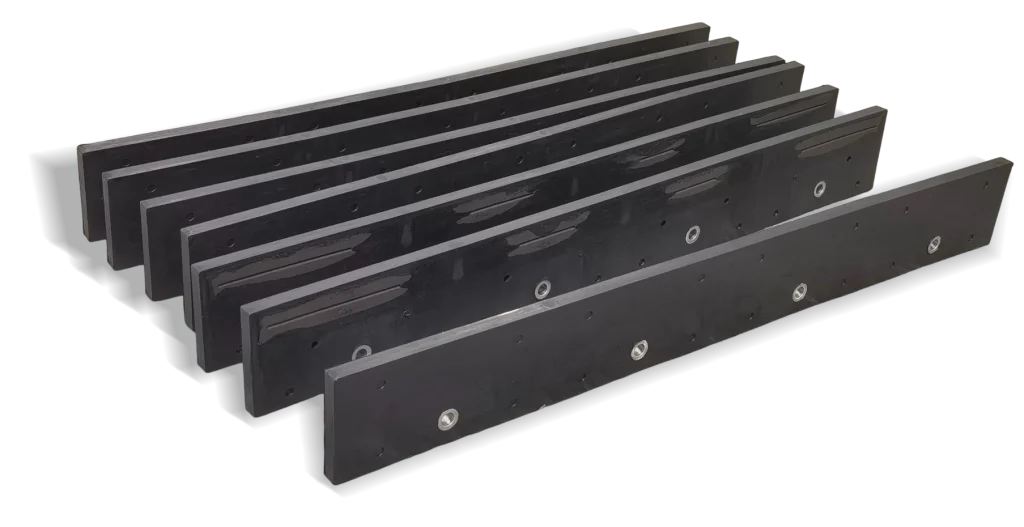
- Inspect rubber edges where rubber meets cast steel segments for hairline fissures or spiderwebbing.
- Check for bulging or swelling around carbide inserts.
- Look for chunking or exposed steel/carbide.
- Test flexibility by pressing the encasement with a gloved finger.
- Monitor vibration during plowing operations.
FAQs
What is the typical lifespan of SENTHAI JOMA-style bushings compared to standard steel blades?
SENTHAI JOMA-style bushings deliver service life 10–20× longer than traditional carbon steel blades, thanks to tungsten carbide inserts brazed into cast steel segments combined with ultra-low-temperature-resistant vulcanized rubber.
Can SENTHAI customize JOMA rubber bushings for specific fleet applications?
Yes — including blade design modifications, custom sizes (standard 3-foot/4-foot or fully custom), neutral packaging, fumigation-free wooden crates, and pallet configurations, managed by in-house R&D and engineering in Thailand.
How does extreme cold weather accelerate rubber fatigue in plow blades?
Extreme cold (below −40°F) embrittles standard rubber compounds, causing cracking and loss of elasticity under flex stress; SENTHAI’s ultra-low-temperature-resistant rubber maintains flexibility and bonding integrity.
Are SENTHAI blades compliant with environmental and quality standards?
Yes — ISO 9001 and ISO 14001 certifications confirm compliance, with sustainable production at the Rayong facility and an expanded base launching in late 2025.
How do I obtain samples or quotes for SENTHAI JOMA-style blades?
Contact SENTHAI through senthaitool.com to request samples, pricing, and delivery details. See also why runway teams choose JOMA-style blades .
Related Articles
- How to Maintain JOMA-Style Blades for Maximum Longevity
- Lock Nuts and Washers for Heavy-Duty Reliability
- What Is a Packed Ice Carbide Kit?
- Airport Snow Removal: Why Runway Teams Choose JOMA-Style Blades
Official Resources
References
Related articles
 Best Snow Plow Blade Family for Your Fleet: Top 5 ScenariosKnowledge
 Top 10 Snow Plow Blade Types for Winter Fleets (Ranked by Duty Fit)Knowledge
 Top 5 Best Carbide Blade Configurations for Highway PlowingKnowledge
 Best Snow Plow Blade Materials Ranked: Steel vs Carbide vs Cladding vs Rubber-CarbideKnowledge