




Top 5 Best Carbide Grades for Snow Plow Inserts (Hardness vs Toughness)
The carbide grade is a balance between hardness and toughness, and the correct balance depends on the failure the route produces. A high-hardness grade resists abrasion but chips on impact; a high-toughness grade survives…
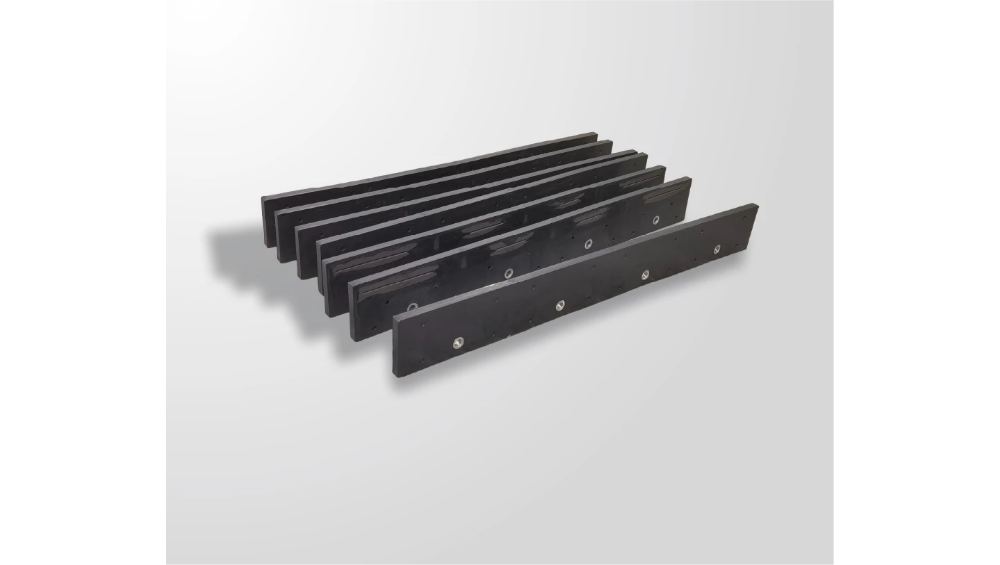
The carbide grade is a balance between hardness and toughness, and the correct balance depends on the failure the route produces. A high-hardness grade resists abrasion but chips on impact; a high-toughness grade survives the strikes but wears faster on sanded lanes; the winter answer sits in the middle, tuned for the cold. After ranking five grade profiles for snow plow duty, the verdict is that the duty-matched grade — specified from the route’s dominant failure — is the best choice, with a balanced winter grade as the reliable default and the extreme profiles reserved for narrow corridors. This ranking explains each profile and what to ask suppliers before the order.
Grade is a balance between hardness and toughness, not a single number
A single HRA number tells the buyer almost nothing about survival. The grade’s grain size, binder content, and residual stress decide the balance, and the balance decides whether the insert rounds, chips, or cracks. The ranking below organizes the possibilities into five profiles and matches each to the duty it serves.
The grade story also starts before the insert. The powder preparation, the pressing, and the sintering set the grain and the density, which is why the process records belong in the grade decision. SENTHAI describes its inserts as made from 100% virgin micro-grain tungsten carbide with controlled sintering, and the process claim is what the batch record verifies.
The five grade profiles ranked for winter duty
| Rank | Grade profile | Balance | Best for | Watch out for |
|---|---|---|---|---|
| 1 | Duty-matched grade | Tuned to the route failure | Any corridor, specified properly | Requires route data |
| 2 | Balanced winter grade | Equal wear and impact | General fleets | Not extreme in either direction |
| 3 | Low-temperature grade | Cold toughness | Deep-cold fleets | Slightly lower wear ceiling |
| 4 | High-toughness grade | Impact first | Obstacle-heavy corridors | Faster abrasive wear |
| 5 | High-hardness grade | Wear first | Smooth abrasive lanes | Chips under impact |
Profiles ranked 5 through 3 fit narrow applications
5. High-hardness grade. The micro-grain, high-hardness profile resists the micro-cutting of sand and grit, which makes it the right choice on smooth, abrasive lanes with few impacts. On corridors with manholes, curbs, and joints, the same profile chips, which is why it ranks last overall.
The high-hardness profile also reads well in the lab and poorly in the field on the wrong route: the HRA number is high, the abrasion resistance is real, and the chipping still ends the season. The lesson is that the number describes one dimension, and the route describes the rest.
4. High-toughness grade. The tougher profile survives repeated high-energy strikes, which makes it the choice for obstacle-heavy corridors. The trade-off is a lower wear ceiling on abrasive surfaces, so the profile should be assigned to the routes that need the impact survival.
3. Low-temperature grade. Deep cold narrows the impact margin, so a grade tuned for cold toughness reduces the chipping risk on arctic routes. SENTHAI describes its inserts as produced with low-pressure processing that maintains wear resistance and impact strength in extreme operating environments, and the low-temperature profile is the specification for fleets that run the coldest events.
The low-temperature requirement is a range, not a single point. A grade that survives -20°C may still chip at -40°C, so the specification should name the fleet’s actual operating range and the verification should include the coldest event. The batch record and the field check together confirm the profile holds where the fleet works.
The top two profiles cover most snow plow insert duty
2. Balanced winter grade. The default profile balances hardness and toughness so the insert wears predictably on mixed corridors and survives the common impacts. It is the safe starting point for fleets without detailed route data, and it is the profile most standard insert ranges are built around.
1. Duty-matched grade. The champion is not a fixed profile; it is the process of matching the grade to the route’s dominant failure. A corridor that rounds its inserts needs more hardness; a corridor that chips them needs more toughness; a deep-cold corridor needs the cold-tuned balance. SENTHAI describes its inserts as made from 100% virgin micro-grain tungsten carbide with controlled sintering, and the manufacturer’s engineering input is what turns the route data into the right grade.
The best profile for winter duty balances wear with cold toughness
The champion profile is the one that survives the fleet’s actual winter: enough hardness to hold the edge on abrasive routes, enough toughness to survive the impacts, and a grain structure that does not embrittle in the cold. The verification is the batch record: the hardness range, the grain size, and the binder content, measured per batch, are the evidence that the profile held.
The profile also needs the route data to be selected. A fleet that runs one bridge deck inside a mostly general network needs the balanced profile on the general units and the tougher profile on the bridge unit, not a single fleet-wide grade. The assignment is per corridor, and the batch records confirm each assignment’s profile held.
Asking suppliers for the full profile prevents a single-number mistake
The question list should go beyond the HRA number: ask for the hardness range and the test method, the grain size, the binder content, the toughness value where available, and the batch-to-batch variation. The carbide inserts page publishes the standard range and the tolerance story, and SENTHAI can confirm the grade from the route data and the acceptance criteria. To select the grade, send the application, the temperature range, the failure history, and the acceptance criteria through the contact page and ask for the full material profile.
The profile also needs a comparison condition. Hardness values are only comparable when measured with the same method and scale, so the supplier should state the test method alongside the number. Two suppliers quoting the same HRA with different methods are quoting different products, and the batch records are what make the comparison fair.
The comparison should also run a pilot. A pilot lot through the actual assembly, with the feed, the joint, and the field behavior measured, confirms the profile the records claim. The pilot is the strongest evidence, and it is the step that turns the grade selection from a document exercise into a product decision.
The pilot also settles the temperature question. The same profile that works at room temperature can chip in the deep cold, so the pilot should cover the fleet’s operating range or the winter event that tests it. The cold behavior is part of the grade profile, and the pilot is where the claim meets the winter.
The pilot’s record also becomes the specification’s evidence: the feed behavior, the joint quality, and the field wear are the numbers the next order and the next supplier comparison start from. The evidence is what makes the grade decision a repeatable process rather than a one-time choice.
The repeatable process is what the next season and the next supplier review inherit.
Expert view — SENTHAI engineering team: “Hardness is the headline, and the profile is the story. Grain, binder, and the batch record are what the winter actually reads.”
Frequently Asked Questions
Is a higher HRA always better? No. Higher hardness resists abrasion but increases the chipping risk under impact. The balance for the duty is the better measure.
What is the best grade for a general fleet? A balanced winter grade, which wears predictably on mixed corridors and survives the common impacts. Fleets with route data should move to the duty-matched profile.
How do I choose between hardness and toughness? By the dominant failure: rounding points to more hardness, chipping points to more toughness, and cracking through the row points to the grain and the isolation design.
What should the batch record show? The hardness range and method, the grain size, the binder content, and the batch-to-batch variation. The records are the evidence the profile held.
Can SENTHAI recommend a grade from my route data? Yes. Send the application, the temperature range, and the failure history, and the engineering team can confirm the grade and the configuration.
How do I compare grades across suppliers fairly? Ask for the same profile from each supplier — the hardness range and method, the grain, the binder, and the batch variation — and compare the records, not the single numbers.
What is the fastest way to narrow the grade choice? Name the dominant failure first: rounding points to hardness, chipping points to toughness, and cracking points to the grain and the isolation. The failure pattern halves the choices before the profile comparison.
Does the grade change with the temperature range? Yes. Deep cold narrows the impact margin, so a low-temperature grade trades some wear ceiling for cold toughness. The operating range belongs in the grade specification.
Sources
Related articles
 Best Snow Plow Blade Family for Your Fleet: Top 5 ScenariosKnowledge
 Top 10 Snow Plow Blade Types for Winter Fleets (Ranked by Duty Fit)Knowledge
 Top 5 Best Carbide Blade Configurations for Highway PlowingKnowledgeBest Snow Plow Blade Materials Ranked: Steel vs Carbide vs Cladding vs Rubber-CarbideKnowledge