




Top 10 Factors That Decide Carbide Insert Wear Life (Ranked by Impact)
Insert wear life is not a number the manufacturer hands out; it is the result of a factor equation that the fleet partially controls. The grade and the shape set the ceiling, the angle…
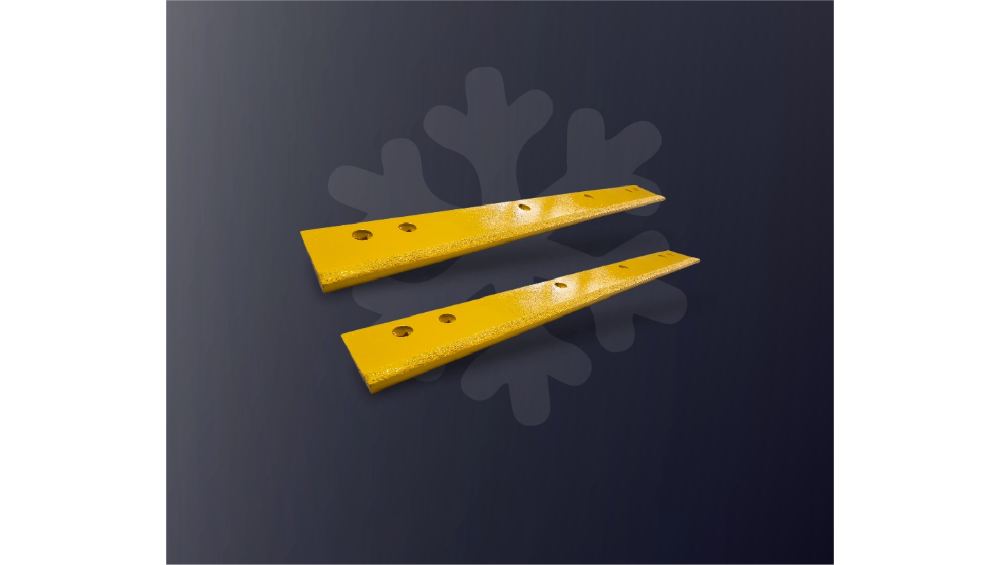
Insert wear life is not a number the manufacturer hands out; it is the result of a factor equation that the fleet partially controls. The grade and the shape set the ceiling, the angle and the surface set the demand, and the speed, pressure, and abrasives decide how fast the capacity is consumed. After ranking ten factors by their impact on wear life, the verdict is that the material-grade balance is the No.1 factor, with shape and angle close behind, and the remaining factors are the operating variables that convert capacity into miles. This ranking explains each factor and how to build a wear log that turns the equation into fleet data.
Wear life is a factor equation, and the ranking weights each input
No single factor decides insert life; the factors multiply. A perfect grade on the wrong shape underperforms, and a perfect shape on an abrasive corridor with heavy pressure wears fast regardless. The ranking below weights the factors by how much they move the final number, with the material and geometry factors at the top because they set the ceiling that operations then consume.
The multiplier effect is why the ranking matters. Improving one factor while ignoring the next produces a smaller gain than the effort suggests, because the weakest factor caps the result. A fleet that upgrades the grade but leaves the down-pressure high and the installation sloppy will see the upgrade’s benefit cut in half, which is why the ranking is a system, not a checklist.
The ten factors ranked by how strongly they drive wear
| Rank | Factor | How it drives wear | Who controls it |
|---|---|---|---|
| 1 | Material-grade balance | Sets the wear-toughness ceiling | Supplier + buyer |
| 2 | Shape and geometry | Sets the contact and load path | Buyer |
| 3 | Attack angle | Concentrates or spreads the load | Buyer + operator |
| 4 | Surface type | Sets the abrasive demand | Route |
| 5 | Operating speed | Multiplies contact energy and miles | Operator |
| 6 | Down-pressure | Controls scrape aggression | Operator |
| 7 | Abrasives | Adds grinding media | Route |
| 8 | Temperature | Changes brittleness | Climate |
| 9 | Installation quality | Drives uneven wear | Shop |
| 10 | Batch consistency | Sets the repeatability | Supplier |
Factors ranked 10 through 6 refine the wear rate at the margin
10. Batch consistency. A single batch proves little; the fleet’s inserts must behave alike lot after lot. SENTHAI describes its quality control as monitoring the sintering environment and metallurgical properties, and the batch records are the evidence that the process held.
The batch record also feeds the wear log. When the log shows a batch wearing differently from its predecessor, the batch number is the key that traces the difference to the process. The comparison across batches is what turns the wear log from a fleet record into a supplier conversation.
9. Installation quality. A poorly seated insert wears unevenly or fails at the bond. The seating, the torque, and the re-torque routine are the shop’s contribution to the wear equation.
8. Temperature. Deep cold makes the insert more brittle, shifting the failure from wear to chipping. The operating temperature range should be part of the specification, not an afterthought.
7. Abrasives. Sand, grit, and ice-melt particles sit between the insert and the surface as grinding media. The abrasive load is the environmental variable that the fleet can only manage, not eliminate.
6. Down-pressure. More force scrapes harder and wears faster. The operator-controlled pressure is one of the few variables that can be adjusted without changing the product.
The pressure setting is also the easiest variable to misread. The operator adds pressure when the edge loses bite, but the lost bite is often the rounded edge, not a pressure problem. The sequence — measure the edge, then adjust the pressure — prevents the spiral where pressure and wear feed each other.
Factors ranked 5 through 2 decide most of the life a fleet sees
5. Operating speed. Higher speeds multiply both the miles and the energy per contact. A highway insert accumulates wear at a different rate than a residential one, which is why the speed profile belongs in the specification.
4. Surface type. Abrasive asphalt wears inserts faster than smooth concrete, and the aggregate type sets the baseline demand. The surface is a route variable, but it should be recorded so the wear data is comparable.
3. Attack angle. The angle decides where the load concentrates on the insert. A steeper angle cuts harder and wears the leading face faster; the angle should be matched to the duty and confirmed on the drawing.
2. Shape and geometry. The shape sets the contact band and the load path. The trapezoid gives a stable general-purpose edge, the bullnose protects the surface, and the geometry should follow the dominant failure.
The geometry also interacts with the angle and the grade. A shape designed for one duty can be pushed into another by an aggressive angle, and the result is a wear pattern that blames the wrong factor. The specification should name the shape, the angle, and the grade together, because the fleet’s data will be compared against the whole set.
The No.1 factor is the material-grade balance inside the insert
1. Material-grade balance. The grade’s hardness-toughness balance sets the ceiling that every other factor consumes. A micro-grain wear grade resists abrasion but chips under impact; a tough grade survives impact but wears faster on abrasive surfaces; the balanced grade for the duty is the one that matches the corridor. SENTHAI describes its inserts as made from 100% virgin micro-grain tungsten carbide with controlled sintering, and the grade selection is the first decision of the wear-life equation.
The grade selection also needs the failure history, not just the catalog. A corridor that rounds its inserts needs more hardness, a corridor that chips them needs more toughness, and a corridor that cracks them needs a grain structure change. The failure pattern names the direction of the balance, which is why the wear log and the grade decision belong together.
Building your own wear log turns the ranking into fleet data
The log is the fleet’s half of the equation. Record the insert type and batch, the route and surface, the speed and pressure settings, the installation date, and the changeout reason, and the log produces the fleet’s own wear rate per route group. The carbide inserts page publishes the standard range for the comparison, and the carbide snow plow blade page shows how the inserts fit the complete blade. SENTHAI can confirm the grade and the configuration from the route data. To start the log and the specification, send the route profile, the wear history, and the equipment details through the contact page and ask for the grade recommendation.
The log’s value grows with its age. One season shows the pattern, two seasons confirm it, and three seasons make the numbers comparable across storms and routes. The multi-year baseline is what lets the fleet separate the blade’s performance from the winter’s severity, and it is the evidence the next specification is built on.
Expert view — SENTHAI engineering team: “The insert life is a route report, not a brochure number. The grade sets the ceiling and the log measures how much of it the route consumes.”
Frequently Asked Questions
What factor wears inserts fastest? The combination of surface, speed, and abrasives usually dominates; the grade sets the ceiling and the operations consume it. The changeout log, with the route recorded, shows the fleet’s own answer.
Can I extend insert life without changing the insert? Yes: reduce down-pressure where the surface allows, control speed on impact-heavy sections, and keep the installation and re-torque discipline. The operating factors are the fleet’s half of the equation.
Does a harder insert always last longer? No. A harder insert resists abrasion but chips under impact. The balance for the duty is what lasts, not the peak hardness.
How much does batch consistency matter? It decides repeatability: the same insert type must behave alike lot after lot, or the wear log cannot produce a reliable number. Batch records are the evidence.
How do I build the wear log? Record the insert type, batch, route, surface, speed, pressure, installation date, and changeout reason per changeout, and review the log per route group at the season’s end.
Why does the same insert last differently on two routes? Because the factors differ: the surface, the speed, the abrasives, and the pressure change the demand on the same capacity. The route-level log is what shows the difference.
How many seasons of data do I need? One season gives the pattern, two confirm it, and three make the numbers comparable. The baseline should be multi-year to smooth the storm-to-storm variation.
Can I compare insert life across suppliers? Only with the same route, the same surface, and the same operating settings, recorded in the same log. The comparison without the conditions is a guess.
Sources
Related articles
 Best Snow Plow Blade Family for Your Fleet: Top 5 ScenariosKnowledge
 Top 10 Snow Plow Blade Types for Winter Fleets (Ranked by Duty Fit)KnowledgeTop 5 Best Carbide Blade Configurations for Highway PlowingKnowledge
 Best Snow Plow Blade Materials Ranked: Steel vs Carbide vs Cladding vs Rubber-CarbideKnowledge