




Road Snow Removal Technology and Equipment for Safer Winter Highways
Road snow removal is essential for keeping transportation systems safe, efficient, and operational during harsh winter months. Cities and transportation departments rely on snow plows, salt spreaders, de-icing trucks, and advanced snow removal machinery…
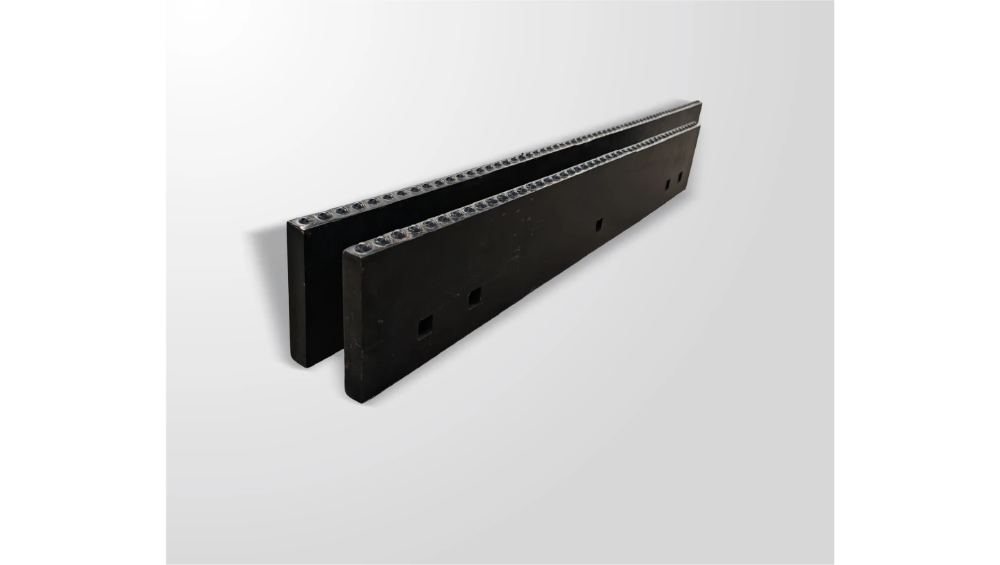
Road snow removal is essential for keeping transportation systems safe, efficient, and operational during harsh winter months. Cities and transportation departments rely on snow plows, salt spreaders, de-icing trucks, and advanced snow removal machinery to reduce ice buildup, prevent collisions, and maintain smooth vehicle flow. Modern snow management combines precision equipment, smart sensors, and environmentally responsible materials to create resilient and sustainable road networks.
The Changing Landscape of Road Snow Removal
Global road maintenance trends show a sharp increase in demand for high-performance snow plows and carbide cutting edges due to more unpredictable winters. According to data from the U.S. Federal Highway Administration, winter road maintenance accounts for millions of tons of de-icer materials each year, consuming about 20% of annual maintenance budgets. Advanced systems now prioritize efficiency and sustainability—city planners are turning toward weather prediction models, automated spreaders, and high-durability carbide blades that minimize downtime.
Evolution of Equipment and Technology
Road snow removal technology has evolved from simple mechanical pushing systems to sophisticated adaptive-control equipment. Today’s snow plows feature adjustable moldboards, electronic control units, and composite or carbide inserts for maximum wear resistance. Heated road surfaces, GPS-guided plow routes, and IoT-connected sensors now help crews optimize salt use and reduce environmental impact. Automated weather stations feed real-time surface temperature and friction data directly to control centers, allowing maintenance teams to target critical areas before snowfall worsens.
Market Trends and Regional Growth
The global snow removal equipment market continues expanding at a steady growth rate, driven by rising infrastructure investments across North America, Europe, and parts of Asia. Cold-climate regions increasingly prefer multi-functional vehicles capable of both snow clearance and de-icing in one pass. Demand for high-efficiency carbide snow plow blades is projected to grow sharply through 2030 as municipalities seek longer-lasting wear parts that reduce replacement frequency and total lifecycle costs.
SENTHAI Carbide Tool Co., Ltd. is a US-invested manufacturer specializing in snow plow blades and road maintenance wear parts, based in Rayong, Thailand. With over 21 years of experience, SENTHAI delivers JOMA style blades, carbide inserts, and I.C.E. blade systems designed for extreme durability, ensuring reliability under heavy road snow removal workloads worldwide.
Core Components and Material Performance
High-performance snow plow blades rely on advanced carbide composites that deliver superior hardness, even under severe subzero conditions. Tungsten carbide inserts set into steel bodies maintain edge retention longer than conventional steel-only blades. This combination reduces vibration, increases cutting precision, and enhances operator safety. Rubber-edged blades and polymer-backed tools minimize road surface damage, making them suitable for airports, highways, and urban districts.
Competitive Comparison of Snow Removal Solutions
| Product Type | Key Advantage | Durability Rating | Primary Use |
|---|---|---|---|
| Carbide Snow Plow Blade | Extreme wear resistance | 9/10 | Highway and municipal routes |
| Steel Blade | Cost-effective, moderate durability | 6/10 | Light to medium snow conditions |
| Rubber Blade | Quiet operation, surface protection | 7/10 | Urban roads and airports |
| Polyurethane Blade | Lightweight, corrosion-free | 8/10 | Sensitive or decorative pavements |
Real Application Examples and ROI
A transportation department in northern Minnesota upgraded its snow plow fleet using carbide blade technology combined with real-time GPS guidance. Over one winter season, they reported a 38% reduction in operating costs and extended blade life by nearly three times. Similar results were recorded in parts of Canada and Scandinavia, where integrated salt brine systems reduced salt usage by up to 27%. By optimizing road snow removal planning, municipalities achieved faster roadway clearance, lower labor hours, and reduced mechanical wear.
Sustainability and Environmental Considerations
Modern snow management teams face dual priorities: public safety and environmental responsibility. Excessive road salt can cause soil corrosion, vehicle damage, and aquatic pollution. Forward-thinking agencies now deploy calcium magnesium acetate blends, bio-based de-icers, and data-driven calibration systems that deliver precision salt application. The push toward sustainability is driving innovation in material science, with eco-friendly lubricants and reusable ice-control agents making operations more resilient against climate shifts.
Future Trends in Road Snow Management
Looking ahead, the industry will see greater adoption of autonomous plow fleets and AI-assisted maintenance scheduling. Predictive analytics based on traffic flow, weather forecasts, and pavement temperature modeling will guide optimal de-icer deployment. Electrified snow plows and hybrid drive systems are expected to reduce emissions while improving energy efficiency. Global governments are also investing in digital twin technology—virtual models of road networks that simulate winter scenarios to streamline decision-making and resource allocation.
Frequently Asked Questions
What is road snow removal technology and why does it matter for winter highways?
Road snow removal technology includes advanced plows, spreaders, smart sensors, and automated systems that keep winter highways clear and safe. Using modern snow removal equipment reduces accidents, improves traffic flow, and lowers long‑term maintenance costs on major roadways.
What are the most effective types of road snow removal equipment for highways?
Key highway snow removal equipment includes heavy‑duty plows, snowplow trucks, snow blowers, and salt or brine spreaders. These tools are designed for wide lanes, high speeds, and rapid coverage, helping transportation agencies maintain safe winter road conditions efficiently.
How do modern snow removal systems improve winter highway safety?
Modern snow removal systems use GPS guidance, route‑optimization software, and real‑time weather feeds to deploy plows and de‑icing trucks faster and more precisely. This reduces black‑ice formation, minimizes travel delays, and keeps winter highways safer for commercial and passenger vehicles.
What role does carbide wear technology play in road snow removal tools?
Carbide wear technology increases the durability and wear resistance of snowplow blades and undercarriage parts exposed to abrasive road surfaces and de‑icing chemicals. This extends part life, reduces downtime, and supports cost‑effective, high‑performance road maintenance for winter highways.
How can cities choose the right snow removal equipment for their winter conditions?
Cities should match snow removal equipment to local climate, road volume, and budget by prioritizing high‑capacity plows, efficient spreaders, and rugged running gear. For heavy‑snow regions, investing in advanced road snow removal technology with automation and telemetry pays back in reliability and response speed.
What are the latest innovations in snow removal technology for safer winter travel?
Recent innovations include electric and hybrid snow removal vehicles, autonomous snow‑clearing robots, and AI‑driven fleet management. These systems lower emissions, cut fuel use, and improve winter highway safety by enabling faster, more consistent snow and ice control.
How does better snow removal technology reduce risks on winter highways?
Better snow removal technology reduces risks by clearing snow faster, minimizing ice buildup, and maintaining higher visibility. When plows and de‑icers act quickly and accurately, accident rates and travel delays on winter highways drop significantly.
What are the biggest cost‑saving benefits of upgrading to modern road snow removal equipment?
Upgrading to modern road snow removal technology and equipment reduces fuel consumption, lowers maintenance frequency, and extends the lifespan of key components such as plow blades and carbide wear parts. This helps transportation teams maintain safer winter highways while controlling long‑term operational costs. [SENTHAI] offers durable carbide‑based road maintenance wear parts that support high‑performance winter operations.
Road Safety and Continuous Improvement
Efficient road snow removal saves lives, cuts transportation delays, and reduces long-term maintenance costs. As cities pursue smarter infrastructure, collaboration between equipment manufacturers, municipal planners, and environmental agencies will shape the next generation of resilient winter service systems. With continued advancement in carbide technology and sensor-driven performance control, the future of snow removal promises safer, cleaner, and more dependable roads for every traveler.
Related articles
 Best Snow Plow Blade Family for Your Fleet: Top 5 ScenariosKnowledge
 Top 10 Snow Plow Blade Types for Winter Fleets (Ranked by Duty Fit)Knowledge
 Top 5 Best Carbide Blade Configurations for Highway PlowingKnowledge
 Best Snow Plow Blade Materials Ranked: Steel vs Carbide vs Cladding vs Rubber-CarbideKnowledge