




Top 5 Best Blade Designs for -40°C Deep Cold
Deep cold does not make a blade fail gradually; it makes the rubber stiffen, the bond embrittle, and the carbide chip on the first impact. At -40°C, the specification is a survival requirement, and…
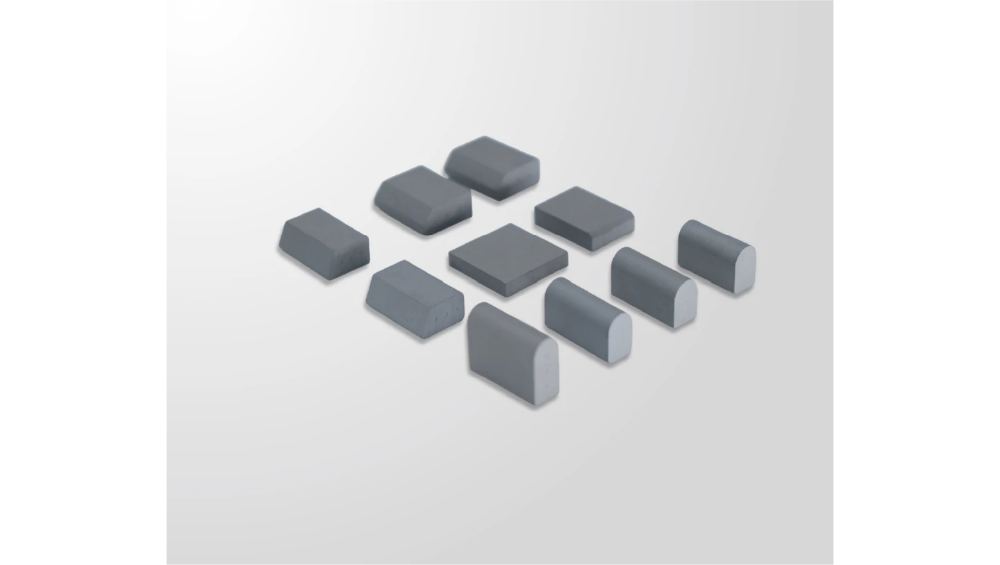
Deep cold does not make a blade fail gradually; it makes the rubber stiffen, the bond embrittle, and the carbide chip on the first impact. At -40°C, the specification is a survival requirement, and the blade that survives is the one designed for the cold rather than adapted to it. After ranking five blade designs for deep-cold duty, the verdict is that the integrated design — a low-temperature rubber-carbide segment with a stress-relieved bond and a sealed carrier — is the best choice, with a stress-relieved carbide blade close behind for rigid-edge corridors. This ranking explains the five designs and how to verify -40°C performance in the order.
Deep cold turns the specification into a survival requirement
Every material has a temperature where it stops behaving as designed. Rubber stiffens and cracks, adhesive and brazed bonds become brittle, and carbide’s toughness margin narrows. The blade that works through November can fail on the first deep-cold event, which is why the design choices below are ranked on low-temperature toughness, sealing, and impact survival rather than on room-temperature specs.
The ranking also assumes the cold is part of the operating range, not an exception. A fleet that works at -30°C once a season still needs the deep-cold design, because the first event is the test and the blade either survives it or does not. The specification should name the operating range explicitly, and the verification should come from the batch records and the field check on the coldest event.
The five deep-cold designs ranked for toughness and sealing
| Rank | Design | Why it works in deep cold | Score |
|---|---|---|---|
| 1 | Integrated deep-cold rubber-carbide segment | Cold-flexible rubber, stress-relieved bond, sealed carrier | 9.1 |
| 2 | Stress-relieved carbide blade | Reduced residual stress, tough bond | 8.5 |
| 3 | Toughness-grade carbide blade | Grade balanced for cold chipping | 7.8 |
| 4 | Standard carbide blade | Holds profile but brittle at the limit | 6.7 |
| 5 | Steel edge with standard rubber | Baseline, fails first in deep cold | 5.4 |
Designs ranked 5 through 3 handle moderate cold only
5. Steel edge with standard rubber. The baseline combination stiffens and cracks at deep-cold temperatures. It is the reference for the ranking, and it is the design most likely to fail on the coldest nights.
The steel baseline also fails quietly: the edge looks normal in the shop and cracks on the route, because the cold reduces the impact margin without changing the appearance. The failure pattern — chipped edges after a deep-cold event, often on the same sections — is the report that the baseline cannot survive the operating range.
4. Standard carbide blade. The carbide holds its profile far longer than steel, but a standard grade and a standard bond narrow the impact margin at -40°C. On moderate cold it is fine; on the deepest events the chipping risk rises.
The standard blade’s cold performance also depends on the carrier. The steel that flexes at room temperature stiffens in the cold, and the stiffened carrier transfers the impact directly to the bond and the carbide. The carrier’s heat treatment and processing are part of the cold specification, which is why the deep-cold design reviews the whole blade, not just the edge.
3. Toughness-grade carbide blade. A grade balanced for toughness rather than peak hardness reduces the chipping risk in the cold. The design improves the carbide side of the equation, but the carrier and the bond still need their own cold treatment.
The top two designs hold up through repeated deep-cold events
2. Stress-relieved carbide blade. The blade cracks in deep cold when residual stress from processing concentrates at flaws and interfaces. SENTHAI describes its blades as engineered for impact resistance in sub-zero temperatures, with stress-relief and brazing technology behind the claim, and the stress-relieved design is the rigid-edge answer: less locked-in stress, a sounder bond, and a wider survival margin on the cold impact.
The stress-relieved design also changes the inspection story. Because the failure starts at the flaw, the inspection after major impacts looks for the micro-cracks that the cold will grow, and the batch records confirm the process held. The verification is the same discipline as the design: the stress relief is a process claim, and the process claim is checked with the records.
1. Integrated deep-cold rubber-carbide segment. The champion combines three cold-specific choices: a rubber compound that stays flexible at -40°C, a bonding system that holds in the cold, and a sealed carrier that keeps brine away from the steel. SENTHAI states its Joma-style compound remains flexible at -40°C and describes the bonding and sealing designed for the cold and the salt. The rubber keeps the edge conforming instead of cracking, the bond keeps the inserts in place, and the seal protects the steel — the three failure points of deep-cold duty addressed as one design.
The best deep-cold blade design keeps the bond and the seal intact
The champion wins because it protects the two interfaces that fail first in deep cold: the rubber-to-steel bond and the steel carrier. When the rubber stiffens, the segment stops flexing and the impact transfers into the bond; when the seal fails, the brine reaches the steel and corrosion accelerates the damage. The integrated design keeps both intact, which is why it ranks above the carbide-only designs for fleets that run at the coldest temperatures.
Specifying and verifying -40°C performance belongs in the order
The specification should name the operating temperature range, the compound’s low-temperature limit, the bonding system, and the seal requirements, and the verification should come from the batch records and a field check on the fleet’s coldest event. SENTHAI’s JOMA-style blade page documents the cold-flexible compound, and the carbide snow plow blade page documents the stress-relieved rigid alternative. To specify the deep-cold design for your fleet, send the temperature range, the route profile, and the failure history through the contact page and ask for the configuration and the supporting records.
The field check is the part of the verification that the paperwork cannot replace. Run the sample through the fleet’s coldest event, inspect the edges and the seals afterward, and record the temperature and the conditions. The first deep-cold event is the test, and the record of it is the evidence the next order and the next season start from.
The verification should also include the hardware. The fasteners and the clamps stiffen and contract in the cold, and the re-torque after the first deep-cold event is part of the inspection, alongside the seal and the bond. The whole system — the edge, the seal, and the mount — is what the cold tests, and the inspection covers the system, not just the blade.
The deep-cold record should also name the temperature and the conditions of each inspection, because the comparison across events depends on the conditions being comparable. The record is the fleet’s cold-weather file, and the file is the evidence the next specification starts from.
Expert view — SENTHAI engineering team: “At -40C, the specification is the hero. The compound, the bond, and the seal are what survive the night, not the brochure.”
Frequently Asked Questions
Why do blades crack in deep cold? Residual stress from processing concentrates at flaws, the cold increases brittleness, and an impact adds the final load. The stress-relieved construction narrows the risk.
Does rubber stay flexible at -40°C? SENTHAI states its Joma-style compound remains flexible at -40°C, and the low-temperature behavior is a specification that should be verified with the batch records.
Is a carbide blade better in the cold than steel? Yes, a carbide blade holds its profile and resists wear far better than steel, but the grade and the bond must be specified for cold toughness or the chipping risk rises.
What should I verify before a deep-cold order? The operating temperature range, the compound’s low-temperature limit, the bonding and sealing description, and the batch records. The field check on the coldest event is the final verification.
How should the blade be handled in the cold? Handle it gently: avoid drops and hard contact, store it protected, and inspect the edges after major impacts. The cold makes the material less forgiving.
Does the deep-cold design cost more? The low-temperature compound and the stress-relieved processing add to the specification, but the cost is small against a mid-storm failure on the coldest night. The comparison belongs in the season’s total cost, not the invoice.
How do I know the compound really holds at -40°C? Ask for the compound’s low-temperature limit and the supporting records, and verify with the fleet’s coldest event. The claim is a specification to confirm, not a fact to repeat.
Should the whole fleet convert to the deep-cold design? Only the units that run the coldest corridors. The assignment follows the operating range, and the general units keep the standard design where the cold does not test it.
Sources
Related articles
 Best Snow Plow Blade Family for Your Fleet: Top 5 ScenariosKnowledge
 Top 10 Snow Plow Blade Types for Winter Fleets (Ranked by Duty Fit)Knowledge
 Top 5 Best Carbide Blade Configurations for Highway PlowingKnowledge
 Best Snow Plow Blade Materials Ranked: Steel vs Carbide vs Cladding vs Rubber-CarbideKnowledge