




Plow Blade Warranty Claim: The Evidence That Decides It
Plow blade warranty claim guidance: the evidence that decides an outcome, what to collect when an edge fails and how to submit a claim suppliers can act on.
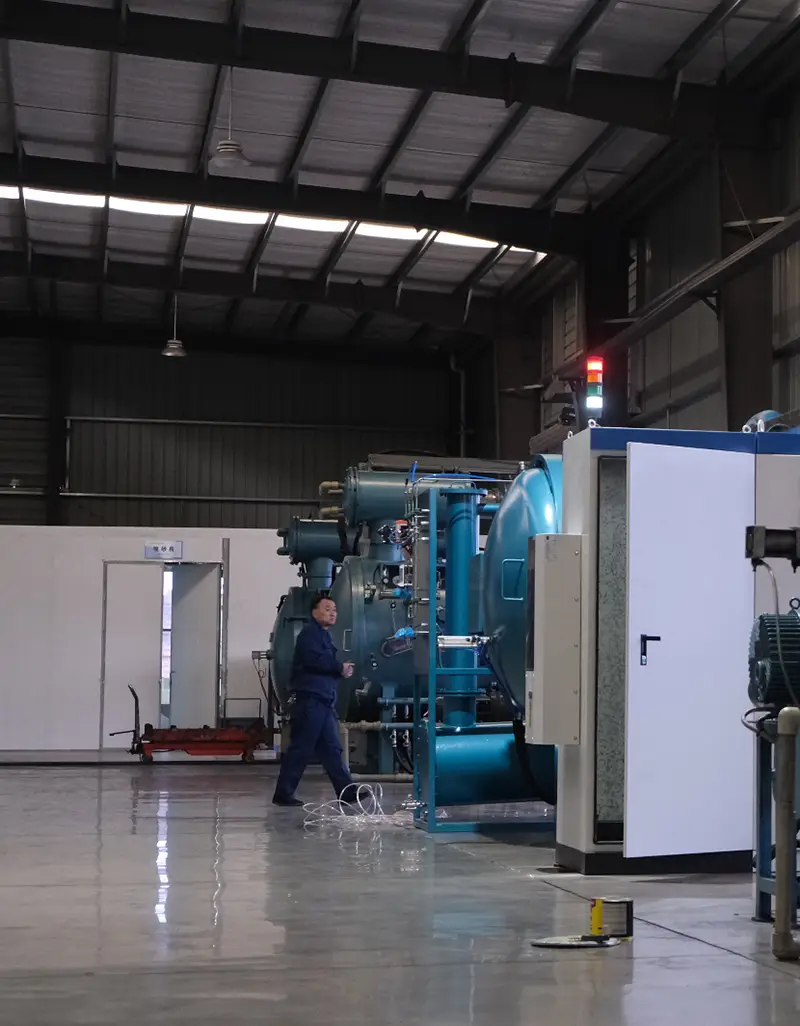
Warranty claims on plow edges are decided on documentation rather than on persuasion. A claim submitted with photographs, measurements, fitting records and a batch reference can be investigated and answered. A claim submitted with a description of a blade that failed early usually starts a correspondence that neither party can resolve, because the evidence needed to distinguish a material fault from a fitment problem was discarded with the edge.
What a Plow Blade Warranty Claim Has to Deliver
A claim has to establish what failed and why.
It succeeds when the evidence identifies the failure mechanism and ties the part to a production batch and a fitting record, so the supplier can check its own process rather than assess an opinion.
That framing matters because both parties have a legitimate interest. A fleet wants an early failure recognised rather than attributed to application; a supplier wants a genuine defect identified rather than paying for a fitment problem that will recur on the replacement. Evidence that separates the two serves both, and it is why the work of collecting it is worth doing before the edge leaves the workshop.
The supporting material a fleet should have on hand is the same set used for ordinary maintenance: measured wear at fixed points, the position of any failure, fitting and torque records, and the batch documentation that arrived with the delivery. The production side of that record is described on the quality control and traceability page, and the commercial terms that govern a claim are set out on the warranty and shipping page.
How Claims Succeed or Fail on Evidence
Claims succeed when the failure mechanism can be identified.
Even wear is normal service, chipping at particular positions points to shock, movement along the bond line without wear points to the joint, and damage at one end points to fitment or alignment. Each leads somewhere different, and the evidence needed is the set collected during routine inspection.
Claims fail for predictable reasons. The edge was discarded before it could be photographed. The fitting record was never kept, so no one knows what torque the fasteners received. The mounting face condition was never checked, so a fitment failure cannot be ruled out. Or the batch reference was lost when the delivery was put into general stores, so the supplier cannot check the production run. None of those failures is caused by the claim itself; they are caused by records that were not kept.
The strongest claims include a comparison. Where the same specification and route produced a normal interval on other trucks and an early failure on one, the difference is informative. Where the failure appears on one production batch and not another, that is information a supplier can act on. Comparisons are what turn a single failure into a finding, and they come from records that were maintained in normal operation rather than assembled for the claim.
Specification Inputs You Need Before a Claim
Five items should be available before a claim is raised. The specification the edge was produced to, including grade, dimensions and tolerances. The measured wear at fixed points, taken at the same reference positions used during the season. The position of the failure on the blade and the route and hours involved. The fitting record, including torque values and the hardware set used. And the batch reference from the delivery documentation.
Two further items strengthen a claim where they exist. Photographs taken before the edge was cleaned, since surface condition is part of the evidence. And a statement of the mounting face condition at the time the edge was fitted, because a distorted face is a plausible alternative explanation for several failure modes and the record removes it from consideration.
Where a fleet has no fitting records at all, the claim is not impossible but it is weaker, and the practical response is to start keeping them. A simple log with the date, vehicle, torque values and hardware set takes minutes per fitting and is the difference between a defensible claim and an argument. Grade and dimensional questions can be resolved against published methods, such as the test methods from ASTM, and material background is published by the International Tungsten Industry Association.
Fitment, Hardware and Installation Records That Matter
Fitment records decide more claims than material records do. Most early failures involve the mounting interface: an edge that did not seat flat, fasteners that were reused from a different specification, or a mounting face that had distorted through previous edge changes. Where the fleet can show that the edge seated correctly, that the hardware set matched the specification and that torque was applied to the stated value, those explanations are removed and the investigation moves to the part itself.
Three records are worth keeping per fitting. The torque values applied, by position where the blade has several. The hardware set used, identified by specification. And the seated height after fitting, since it establishes that the edge met the mounting face as intended. SENTHAI validates fitment against AASHTO and DIN bolt patterns before release and works to plus or minus 0.02 mm dimensional tolerances on carbide components, with AASHTO published standards as the agency reference and DIN covering European and export conventions.
Where inserts are bonded to the blade, the joining process is the other fitment-related variable, and technical background on brazing is published by TWI. A claim involving insert retention is decided on what the joint looked like when it failed, which is why photographs taken before cleaning are decisive in that type of case.
Handling and installation practice also belongs in the record, because a damaged edge can be created after delivery. Guidance on load handling is published by the UK Health and Safety Executive. Where a fleet can show that handling practice follows a documented routine, an allegation of post-delivery damage is easier to answer.
Cost Per Metre and Replacement Logic in a Claim
A claim should be framed in the terms the fleet uses for every other edge decision, because that is what makes it measurable. The model structure is set out on the cost per mile page; a claim concerns the inputs that did not behave as expected.
| Input | Expected | What a claim asserts |
|---|---|---|
| Interval | Set from measured wear during the season | The edge reached its limit earlier than comparable edges |
| Failure mechanism | Abrasion across the working width | Chipping, detachment or fitment-related failure instead |
| Labour consumed | One planned replacement | An unplanned replacement, often inside a storm cycle |
| Machine load | Normal hardware inspection | Additional intervention caused by the failure |
| Replacement unit | Edge or segment as specified | The part supplied did not perform as the specification described |
Framing the claim that way has a practical benefit: it identifies what remedy is being sought. Where the issue is an early interval, the remedy may be a replacement part; where it is a batch problem, the remedy may be an inspection of the rest of the batch. Stating the outcome sought stops the claim becoming a general complaint about a product line, which neither party can resolve.

Documentation and Traceability to Submit
A complete submission contains six items: the specification revision the edge was produced to, the batch reference, dimensional and grade data supplied with the delivery, the fleet’s measured wear readings, the fitting record and photographs of the failure before cleaning. Where the fleet has a comparison, such as the same specification performing normally on other trucks, include it.
Grade questions that arise during the investigation can be reviewed against published test methods, and material background for interpreting them is available from the International Tungsten Industry Association. Where the fleet is publicly funded, procurement documentation requirements apply to the settlement as well, with supplier registration for federal awards handled through SAM.gov and general guidance published by GSA.
Keep the failed edge until the claim is closed. A supplier that asks to examine the part cannot do so if it has been scrapped, and the request is usually a sign that the investigation is being taken seriously. Where the edge must be returned, photograph it first and record the batch reference on the consignment, so the link to the delivery is not lost in transit.
Working With a Supplier Through a Claim
The most productive approach is to send the evidence set rather than a conclusion. A submission that states the failure mode, the position, the measurements, the fitting record and the batch reference lets a supplier check its production record and respond on facts. A submission that states the part was faulty invites a defensive response and produces a correspondence rather than an answer.
It also helps to state the remedy being sought. A replacement part, an inspection of the remaining batch and a joint review of the failure are three different requests, and clarifying which is intended lets the supplier answer the right question. Where the answer identifies a cause in application rather than in manufacture, that is still useful information: it prevents the same failure recurring on the replacement.
Finally, record the outcome and what changed. A claim that ends with a replacement and no note of the cause is an expense rather than a lesson. Where the investigation identifies a fitment issue, a batch problem or a specification mismatch, the finding belongs in the fleet’s records so that the next season’s specification and procedures reflect it.
A plow blade warranty claim is decided by evidence: the failure mode, the measurements, the fitting record and the batch reference. Where those exist, a supplier can check its own process and answer on facts.
Collect the evidence before the edge leaves the workshop, state the remedy being sought, and keep the failed part until the claim is closed. Recorded and reviewed, the outcome of a claim improves the next season’s specification as well as settling the current one.
Send SENTHAI the photographs, wear measurements, fitting record and batch reference for a failed edge, and the technical team will review it against the production record and respond with the cause and the remedy.
Frequently Asked Questions
What evidence decides a plow edge warranty claim?
Photographs taken before cleaning, measured wear at fixed points, the position of the failure, the fitting record including torque and hardware, and the batch reference from the delivery documentation. Together they allow a supplier to check the production record and to rule out fitment or application causes. Without them, the claim becomes a discussion of impressions.
Should the failed edge be returned to the supplier?
Keep it until the claim is closed. A supplier may ask to examine the part, and that request usually indicates the investigation is being taken seriously. Where the edge has to be returned, photograph it first, record the batch reference on the consignment and keep a copy of the evidence with the fleet’s own records.
What if a claim is refused?
Ask what evidence would have changed the outcome and what the identified cause was. Where the answer identifies application, fitment or a mounting face issue, that is information worth acting on, because the same cause will affect the replacement. Where the answer is general, it is worth reviewing the records to see whether the submission was missing something a supplier needed.
How can a fleet reduce the risk of claims being refused?
Keep fitting records from the start, including torque values, hardware set and seated height, and store each delivery’s documentation with its stock rather than filing it separately. Those two habits answer most of the questions a claim raises, and they cost a few minutes per fitting rather than an investigation after a failure.
Related articles
 Plow Blade Storage Between Seasons: A Fleet RoutineSnow plow blade programme & selection
 Plow Blade Inventory Planning for the SeasonSnow plow blade programme & selection
 Plow Blade Failure Modes: What Each One Tells YouSnow plow blade programme & selectionPlow Edge Rotation Programme: Running It on EvidenceSnow plow blade programme & selection