



Plow Blade Length and Thickness by Truck Class
Choosing plow blade length and thickness by truck class: how carrier weight, measured moldboard width and down-pressure change the specification.
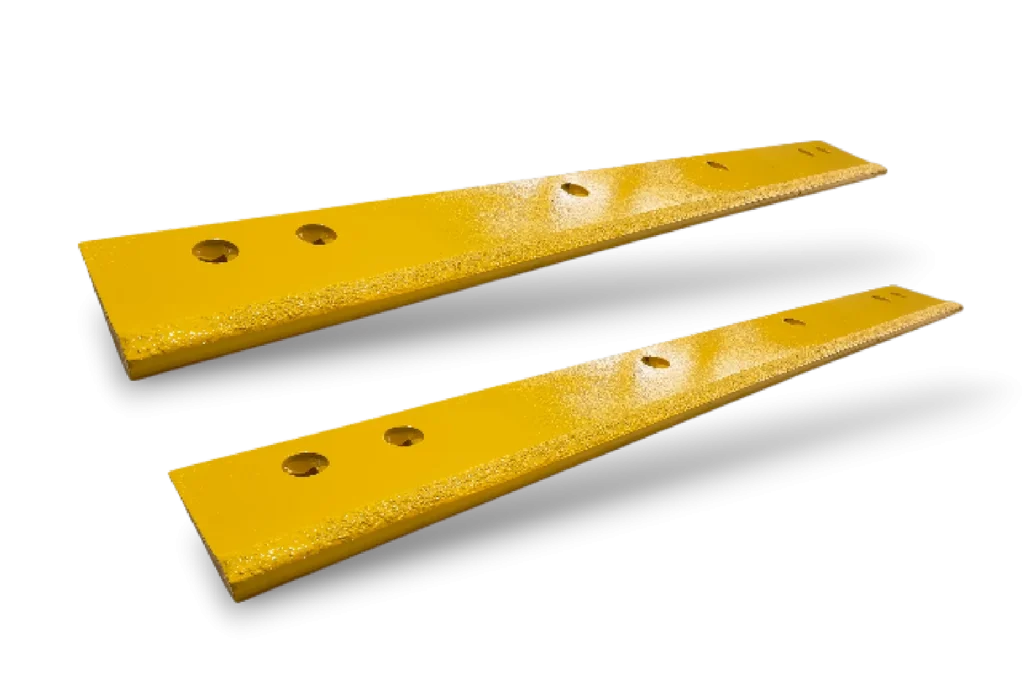
Length and thickness are usually specified together and decided separately. Length follows the moldboard the blade must cover; thickness follows the load the carrier can apply and the wear the route produces. A fleet that specifies both from a single table of truck classes ends up with edges that fit the machine and do not match the work.
Which Plow Blade Length and Thickness Points Decide Performance
Coverage, reserve and down-pressure decide it.
Length determines whether the blade covers the working width; thickness sets the wear reserve; and the carrier’s available down-pressure determines whether the assembly can maintain contact with the surface across that width.
The three are linked in a way that truck class tables rarely capture. A longer blade covers more ground but spreads the same down-pressure over a greater length, so contact pressure per unit of width falls unless the carrier is heavy enough to compensate. A thicker blade adds reserve but also mass, with the same effect. Truck class is a useful starting point because it correlates with weight and available down-pressure, but it describes the machine rather than the work.
The measurement inputs for both dimensions are set out in the guide to measuring a blade for replacement, and the wider mapping of carrier and surface to specification is covered in the blade selection guide.
How Length, Thickness and Carrier Class Interact
Contact pressure is what connects all three.
It is a function of the load applied and the area carrying it, so a longer or thicker edge reduces pressure unless the carrier can supply more weight. On a light truck that reduction shows as poorer clearing on hard surfaces; on a heavy highway plow the same change is absorbed.
The interaction explains a common experience. A fleet extends blade length to cover a wider moldboard and finds that clearing deteriorates at the ends of the blade, where the edge is furthest from the applied load and the surface is often the worst. The remedy is not more down-pressure, which loads the machine, but a specification matched to what the carrier can actually apply across that width.
Thickness interacts with length in the same direction. Adding reserve to a long blade compounds the effect on contact pressure and adds handling weight, which matters where edges are changed by hand. Where a route consumes material quickly, the reserve is worth having; where it does not, thickness adds cost and mass without changing the interval.
Grade, Geometry and Material Choices by Truck Class
Grade follows the route, and truck class determines whether the grade can be used as intended. SENTHAI engineers the hardness and toughness balance against stated service conditions using hardness on the HRA scale together with carbide grain size, and supplies micro grain inserts in trapezoid and bullnose shapes, which allows the material and geometry to be matched to both the carrier and the surface it works.
Lighter classes generally benefit from specifications that maintain contact at lower pressure, since they cannot compensate with weight. Heavier classes can carry a more wear-resistant specification and use it across a longer blade. Where a fleet runs several classes on the same route type, specifying one grade across all of them is a compromise that suits the class in the middle and neither of the others.
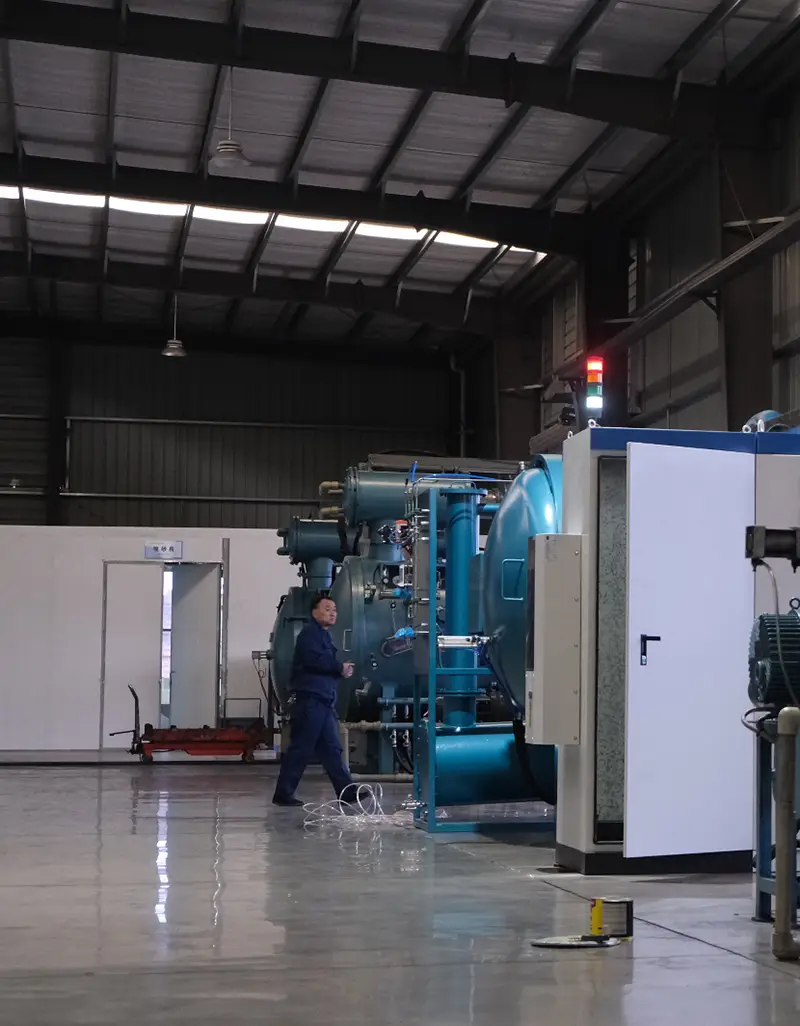
Production control makes those distinctions reproducible. SENTHAI manufactures in Rayong, Thailand, in a US-invested plant using non-China raw materials, with the full chain in-house from wet grinding and robotic pressing at up to 500 tons through vacuum and low-pressure sintering, automated high-temperature induction brazing and finishing, holding plus or minus 0.02 mm dimensional tolerances on carbide components. A specification that distinguishes classes can therefore be produced as specified rather than rounded to the nearest standard configuration.
One practical consequence of specifying by class is that spares become class-specific. Where every truck in a class carries the same length and thickness, an edge removed from one can be rotated to another, and the holding can be sized from measured consumption for the class as a whole. Where lengths and thicknesses vary within a class, rotation is limited and the holding has to be larger to cover each variation separately.
Fitment and Tolerance Requirements Across Classes
Fitment becomes more demanding as classes diversify. SENTHAI validates fitment against AASHTO and DIN bolt patterns before release, with AASHTO published standards as the reference for agency specifications and DIN covering European and export conventions. Where an OEM mounting interface is involved, the equipment documentation is the authority, and SAE standards for mobile machinery describe the interfaces those designs were built around.
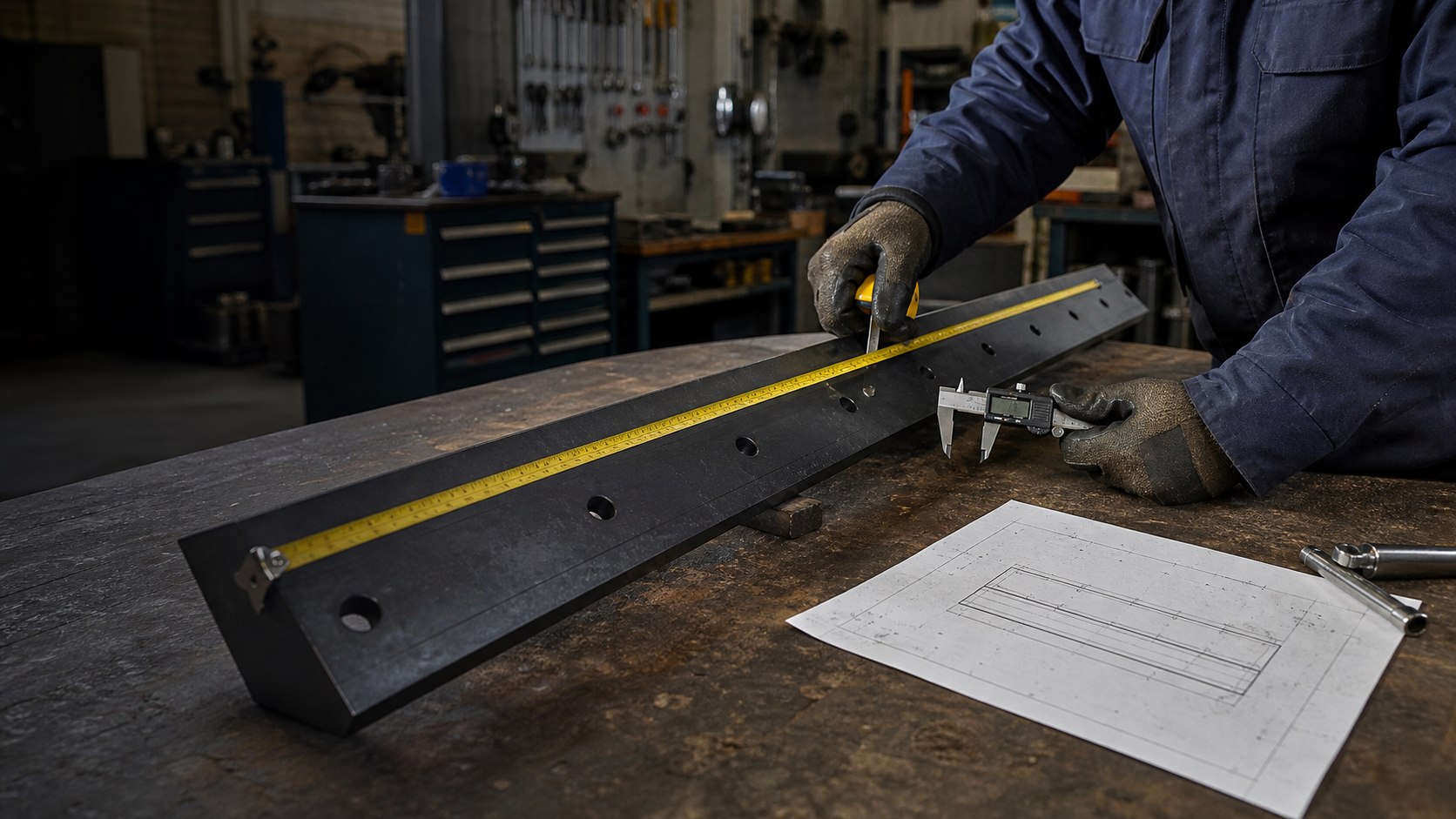
Three checks belong per class. Measure the installed blade length rather than the nominal moldboard width, since the two differ. Confirm the mounting pattern, because classes often use different patterns. And confirm the hardware set and seated height, since a change in thickness changes both. Where a fleet has several classes, the practical output is a short specification per class with its own pattern, length and thickness.
Seated height deserves particular attention where length changes. A longer blade meets the moldboard over a greater span, and any variation in the flatness of the mounting face has more effect across that distance. Where a face is worn, a long blade will seat unevenly at its ends, which produces the localised wear that is otherwise attributed to the edge specification.
A worked example makes the sequence concrete. Where a fleet moves a class from a standard length to a longer blade to cover a wider moldboard, the checks are: the measured installed length, so the blade is the right size; the mounting face, so the extra span seats flat; the thickness, so the additional mass has not pushed contact pressure below what the carrier can maintain; and the hardware set, because both length and thickness have changed. Skipping any of the four produces a result that will be attributed to the edge.
Evidence to Request With a Blade Length and Thickness Quote
Ask for dimensional inspection results at the mounting holes and cutting edge, grade data referenced to a test method such as those published by ASTM, written fitment confirmation against the measured pattern and the hardware set required including bolt length and torque value. SENTHAI inspects and archives every batch, and the quality control and traceability page describes what that record contains.
Where the fleet operates classes with different requirements, require the confirmation to reference each class rather than the order as a whole. Where an edge is supplied with inserts fitted, add the joining process and how bond integrity is controlled, since load distribution through the joint differs between a short blade on a light carrier and a long blade on a heavy one.

Common Length and Thickness Errors and Their Cost
The most common error is specifying from the moldboard’s nominal width rather than the measured installed length, which produces a blade that is short at one end or overhangs at the other. The second is extending length without reviewing thickness and contact pressure, which reduces clearing on lighter carriers and pushes operators toward compensating down-pressure.
The third is adding thickness to solve an abrasion problem on a route that is not consuming material evenly. Where the returned edges show localised damage rather than even wear, more reserve addresses the wrong mechanism. The fourth is applying one class’s specification to another because the pattern appears to match, which ignores the difference in available down-pressure that the specification assumed.
The costs appear as inconsistent clearing between trucks, premature wear at the ends of long blades and unplanned hardware work where operators have compensated. Recording measured wear by class and by position is what allows the specification to be corrected deliberately rather than by trial.
A fifth error is failing to account for how often the blade is raised. A longer blade on a route with frequent raising spends more time being repositioned than a shorter one, and the transitions change how load is applied at the ends. Where a class works tight residential routes, that pattern is part of the specification case, not an operating detail.
A sixth error is ordering hardware from the previous edge specification. A change in thickness changes the fastener length required to achieve the same clamping condition, and a change in length changes the number of fixing positions. Both should be confirmed with the order rather than resolved at fitting, because fitting is where a mismatch becomes urgent.
Writing Length and Thickness Into a Tender
A tender should list classes rather than the fleet, with the measured installed length, the mounting pattern and the thickness at the cutting edge for each, together with the tolerances accepted and the hardware set required. Add the grade requirement with its properties and the documentation package to accompany each delivery.
Where the programme references published patterns, citing the relevant AASHTO standards keeps offers comparable. One clause is worth adding: require the bidder to state any class for which the offered length and thickness combination is not recommended, since a specific limitation is more useful than a general assurance of suitability. Where a fleet works public roads in winter conditions, the operating context published by the Federal Highway Administration is useful background for a performance clause tied to road class.
Plow blade length and thickness are decided separately: length from the measured installed width, thickness from the load the carrier can apply and the wear the route produces. Truck class is a useful guide to the machine, not a substitute for the measurement.
Specify each class with its own length, pattern and thickness, confirm seated height where length changes, and record wear by class and position. That produces a fleet where the specification matches the work on each truck rather than the average of the fleet.
Send SENTHAI your truck classes, measured blade dimensions and route groups, and the technical team will review the length, thickness and fitment for each class.
Frequently Asked Questions
Should blade length be specified from the moldboard width?
Specify it from the measured installed length of the blade in service. Nominal width and installed length differ because of how the blade sits and how the ends are configured, and sizing from the nominal figure is a common reason a blade is short at one end. Record the measurement for each vehicle rather than each class.
Does a thicker blade always give a longer interval?
It adds reserve, but the interval only extends where the route consumes material steadily and the carrier can maintain contact with the additional mass. On a lighter truck, a thicker blade can spread down-pressure too thinly and reduce clearing, which encourages compensating behaviour that wears the edge faster.
Why do longer blades wear unevenly at the ends?
Because a longer blade meets the moldboard over a greater span, and any variation in the flatness of the mounting face has more effect across that distance. The ends are also furthest from the applied load and often meet the worst surface. Check mounting face flatness before attributing end wear to the edge specification.
How should a fleet with several truck classes specify edges?
Produce a short specification per class covering the measured installed length, the mounting pattern, the thickness at the cutting edge, the grade requirement and the hardware set. Then record wear by class and position, so the following season’s decision is based on how each class performed rather than on a fleet average.
Related articles
 Snow Plow Blade Bolt Pattern: Verifying It Before You OrderSnow plow blade programme & selection
 Underbody Plow Blade Specification: How Mounting Position Changes ItSnow plow blade programme & selection
 Plow Blade Supplier Comparison: The Documentation That Decides ItSnow plow blade programme & selectionMunicipal Plow Blade Bid Specification: Writing the Technical SectionSnow plow blade programme & selection