




Choosing a Carbide Edge by Surface Type: Matching the Spec to the Road
Choosing a carbide edge by surface type: how paved, unsealed and refrozen roads change wear, contact and the specification that fits each one.
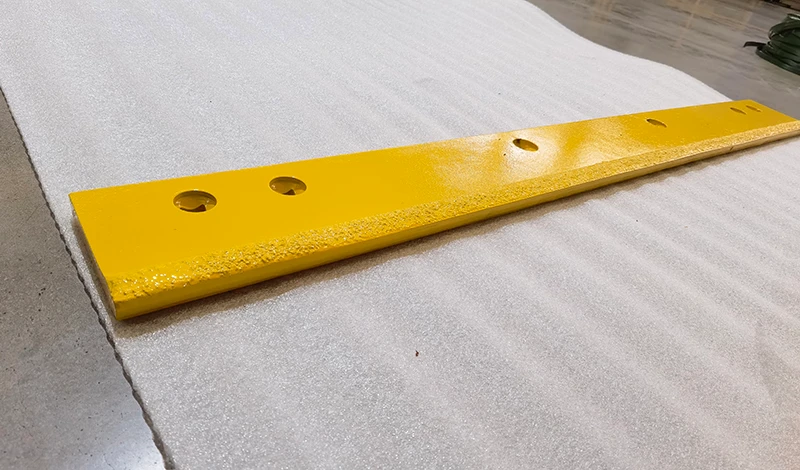
Choosing a carbide edge by surface type is the allocation decision most fleets make by habit rather than by evidence. Two trucks running the same blade specification on the same mileage will not report the same wear, and the reason is usually the surface. Asphalt, unsealed gravel and refrozen snow load an edge in different ways, and a specification that suits one can underperform on another. The question is not which edge is better but which surface each truck actually works.
What Each Carbide Edge Specification Is Designed For
Each specification answers a particular surface load.
Wear-resistance-led specifications suit consistent abrasive surfaces; impact-tolerant specifications suit routes with embedded debris; contact-led specifications suit hard, refrozen surfaces. The surface decides which property is doing the work.
Reading the surface first is what makes the allocation objective. Asphalt presents a consistent surface with occasional breaks, and the dominant load is abrasion. Unsealed gravel and dirt produce continuous abrasion with high abrasive content, which consumes material faster and rewards wear reserve. Refrozen, hard-packed snow reduces contact altogether, which makes geometry and contact pressure more important than wear resistance. Routes with rail crossings, covers and broken pavement add shock loading on top of whichever of those three applies.
The wider range of high performance edge options is described in the material on edge blades for snow plows and road maintenance, and the mapping of surface to specification is covered in the blade selection guide. This article compares how the specifications behave once they are on those surfaces.
How Edge Performance Differs by Surface
Surface changes wear rate, wear pattern and failure mode.
On abrasive surfaces, material is lost evenly and the interval is predictable. On surfaces with embedded obstacles, loss is localised and failure can be sudden. On refrozen surfaces, contact is the limiting factor and the edge may never reach its wear limit before it stops working.
Those three outcomes call for different responses. Even abrasive loss is managed with reserve, rotation and a measured interval. Localised loss from impact is managed with grade selection, retention quality and a careful look at where on the blade the damage concentrates. Loss of contact is managed by changing how the edge meets the surface, which is a geometry and contact-pressure question rather than a material one.
The distinction explains a frequent misdiagnosis. A fleet that sees uneven clearing and concludes the edge has worn out may be looking at an edge with plenty of material remaining that is no longer making contact. Measuring remaining height at fixed points, rather than judging by appearance, is what separates a wear problem from a contact problem, and it is the first step before any specification change.
Paved, Unsealed and Refrozen Surfaces Compared
The three surface families behave differently enough to be specified separately. Paved routes produce steady abrasion with intermittent shock where the surface has failed, and the edge retires through gradual loss in most cases. Unsealed surfaces produce higher abrasive load continuously, which shortens the interval and makes wear reserve valuable, though they also vary in profile and stress contact.
Refrozen surfaces invert the problem. The edge may not wear quickly at all, because contact is limited and the material is being pushed rather than scraped. What it does instead is encourage compensating behaviour: more down-pressure, more speed and more passes, each of which loads the edge, the trip mechanism and the mounting hardware. On those routes, wear records show lower material loss and higher hardware intervention, which is a signal worth following.
Treatment practice changes the surface in ways that belong in the record. Abrasives spread on a route add abrasive content; liquid de-icing applied ahead of a freeze changes the surface state and may leave a harder layer than dry salt. The regulatory context for material use is set out in the EPA’s municipal stormwater guidance, and maintenance practice on ice-affected networks is a recurring subject in the pooled research published by Clear Roads.
Operational Trade-Offs Beyond Wear With Carbide Edges by Surface Type
Surface type changes three operational inputs. Abrasive routes consume more edges, so handling and storage volume is higher and the parts line dominates the maintenance budget. Debris-heavy routes consume more workshop time in unplanned repairs, with hardware and trip mechanism interventions appearing alongside edge changes. Refrozen routes consume more operator time and fuel through additional passes, which does not appear in the parts budget at all.
Inspection effort follows the same split. Even wear is quick to assess and can be judged from a measured series of points. Impact damage requires looking at where the blade was struck and how the joint responded, which takes longer and needs a consistent method. Contact loss requires measuring material before concluding anything, because appearance suggests wear when the edge may still be serviceable.
The practical consequence is that a single inspection routine applied across all three surface types under-serves at least one of them. Splitting the routine by surface group costs a little planning and produces readings that mean what they appear to mean.
A fourth trade-off appears when a fleet changes route assignments mid-season. Where trucks are moved between groups, the wear record for the affected blade now spans two surface types, and the readings that follow cannot be attributed to either. Noting the transfer in the blade record preserves the value of the earlier measurements and identifies the point at which the comparison restarts. Where transfers are frequent, it is worth treating the truck rather than the route as the unit of comparison, and recording surface exposure as a proportion of the season.
Fitment and Equipment Compatibility for Carbide Edges by Surface Type
Fitment is unaffected by surface type, but the load carried through the mounting interface is not. SENTHAI validates fitment against AASHTO and DIN bolt patterns before release and works to plus or minus 0.02 mm dimensional tolerances on carbide components, with AASHTO published standards as the reference for agency specifications and DIN covering European and export conventions.
Where a truck moves between surface types across the season, the mounting hardware sees the harshest of them. A blade that runs smooth paved routes for most of the winter and refrozen streets for two weeks will accumulate most of its hardware distress in those two weeks, because that is when compensating down-pressure appears. Checking fastener torque after such a period, rather than only at scheduled intervals, is a small habit that prevents loosening from developing.
Equipment capability also sets a limit on what a surface specification can achieve. Where a carrier cannot supply the down-pressure a specification assumes, no change of grade or thickness corrects it, and the fleet is better served by a specification matched to the available load. That is why surface type and plow class belong in the same grouping exercise.
Cost Per Metre of a Carbide Edge by Surface Type
Cost per metre should be calculated per surface group rather than for the fleet, because the interval differs enough between groups to change the ranking of options. The model structure is set out on the cost per mile page; surface type changes the inputs as follows.
| Surface group | Dominant cost driver | What to measure |
|---|---|---|
| Paved routes, consistent | Gradual abrasive loss, predictable interval | Measured wear at fixed points and replacement dates |
| Unsealed and gravel shoulders | High abrasive load, shorter interval | Wear rate per unit of distance and reserve consumed |
| Refrozen and hard-packed | Extra passes, down-pressure and hardware work | Passes per event and hardware interventions |
| Routes with embedded debris | Localised damage and unplanned repairs | Damage positions, joint condition and workshop hours |
Two cautions belong with the table. Comparing a paved group’s interval with a refrozen group’s interval compares different failure mechanisms, so the useful comparison is between specifications within a group. And where a truck spans two groups, its record belongs to both, which is why recording route conditions alongside every measurement is what makes the model usable.
Matching Specifications to Routes
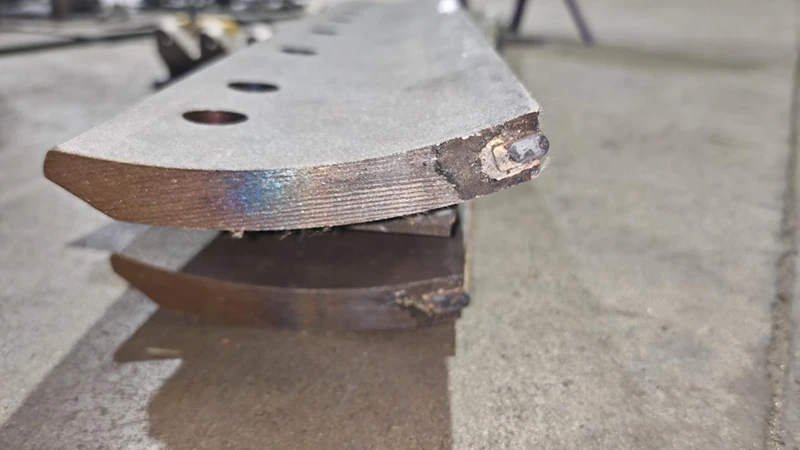
Allocation follows the dominant surface on each route, with the harshest condition setting the requirement where a truck spans several. Paved routes with steady abrasion take the specification that maximises wear resistance within the carrier’s capability. Unsealed and gravel routes take additional reserve or a grade suited to abrasive load. Refrozen and hard-packed routes take the specification intended for that condition rather than a heavier version of a general purpose edge.
Where a truck genuinely spans two groups, the fleet has three options: specify for the harsher surface, rotate edges between groups, or split the asset allocation so that trucks stay on consistent routes. The third is often the cheapest because it removes the compromise entirely, and it is worth considering before a more expensive specification is adopted. Material background for the carbide side of the comparison is available from the International Tungsten Industry Association, and grade properties can be checked against the methods published by ASTM.
Whatever allocation is chosen, it should be reviewed against records rather than recollection. Compare the measured interval for each group with the specification in force, and note where a group reached its threshold earlier or later than the previous season. Where a group’s interval improves without a specification change, the likely cause is a change in route, treatment practice or operating technique, and that is worth documenting because it may be repeatable across other groups.
Carbide edge performance is a function of the surface as much as the specification. Abrasion, impact and loss of contact are three different problems, and each is addressed by a different property of the edge.
Group routes by surface, measure wear at fixed points within each group, and record the conditions alongside every reading. Allocation decided that way matches the edge to the road, and it produces the evidence needed to change the specification deliberately rather than experimentally.
Send SENTHAI your route groups, surface types and current specifications, and the technical team will review which edge suits each group along with the fitment and hardware required.
Frequently Asked Questions
Which surface wears a carbide edge fastest?
Unsealed gravel and dirt roads usually cause the fastest material loss, because abrasive content is high and continuous. Routes with embedded debris cause the most sudden damage rather than the fastest wear. Refrozen surfaces are different again: they may produce less measurable wear while increasing the load on the machine, because operators compensate with down-pressure and additional passes.
Can one specification suit a truck that works several surface types?
It can, if it is specified for the harshest surface the truck encounters. That usually carries a cost, because the specification is more than the easier routes require. Where the difference is large, consider rotating edges between groups or aligning trucks to consistent routes, which removes the compromise rather than paying for it every order.
Why does my edge appear not to be wearing but still clears poorly?
That pattern usually indicates loss of contact rather than wear. On hard, refrozen surfaces the edge can ride over the surface and clear poorly while retaining most of its material. Measure remaining height at fixed points before ordering replacements; where material is present and clearing is poor, the issue is contact and geometry rather than wear.
How should surface type be recorded in maintenance records?
Record the dominant surface for each route and note any route where the condition changes seasonally, along with the treatment practice used. Without that context, a wear reading from an unsealed route and one from a paved route look comparable when they are not. Keeping surface notes with the measurement is what makes the following season’s specification decision evidence-based.
Related articles
 Carbide Edge Storage and Handling: Protecting Material and RecordsCarbide snow plow blades
 Carbide Edge Reorder Continuity: Keeping the Same SpecificationCarbide snow plow blades
 Carbide Edge Cost Model: The Inputs a Programme NeedsCarbide snow plow blades
 Carbide Edge Failure Analysis: Reading the EvidenceCarbide snow plow blades