




Carbide Edge Cost Model: The Inputs a Programme Needs
A carbide edge cost model built from measured inputs: what to record per truck group, how to price fitment and how to keep the programme auditable.
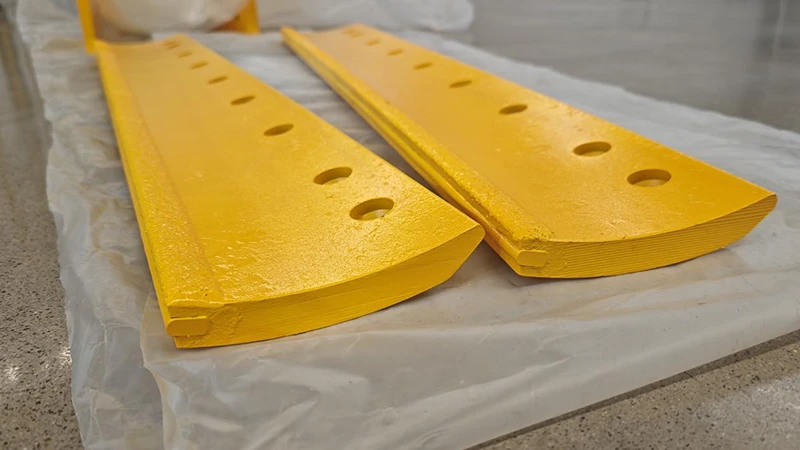
A carbide edge programme is justified or rejected on a model, and the model is usually built once and then left to age. Prices change, routes change and intervals move, while the spreadsheet still shows the conclusion from the season it was created. A model that stays useful is one whose inputs are recorded in service, reviewed at a fixed point each year and owned by someone who has to defend the numbers.
What a Carbide Edge Cost Model Has to Deliver
It has to compare options on one basis across groups.
The model exists to turn purchase price, interval, labour, downtime risk and machine load into a comparable figure for each truck group, so that the programme can be reviewed against the specification rather than against a unit price.
That purpose sets the structure. A model built only on parts cost favours the cheapest edge, because the savings from a longer interval appear in labour and downtime rather than in the stores line. A model that fixes the interval in advance cannot show what a specification change achieved. The version worth building records the interval from service and recalculates as those records accumulate.
Scope matters as much as structure. Run for the fleet as a whole, the model averages away the differences that decide the purchasing question, because carrier class and route type change the interval enough to reverse the ranking between options. It should be run per truck group, using the same groups as the specification and the inventory plan, so one set of records supports all three decisions. The structure of those inputs is set out on the cost per mile page.
How Programme Options Differ in Service and Cost
Options shift cost between lines rather than removing it.
A heavier profile raises the purchase price and can reduce the number of replacement events. A flexible segmented blade reduces the replacement unit and adds inventory to track. A specification aimed at refrozen surfaces reduces passes and down-pressure, with savings that appear in fuel and workshop time rather than in parts.
The consequence is that the model has to carry those lines explicitly. Where a programme reduces passes per event, the saving is real but appears in operational budgets; if the model excludes it, the programme is judged on the parts line and will always look expensive. Where a heavier profile reduces replacement events but adds handling and hardware work, both movements belong in the model, because the second can offset the first on a route that does not consume edges quickly.
Comparing options within a group is the discipline that keeps the model honest. A paved route group and a refrozen route group fail edges for different reasons, so an interval comparison between them compares mechanisms rather than products. Once the comparison is within a group, the numbers describe the specification, which is the decision the model exists to support.
Specification Inputs You Need Before Building the Model
Five inputs should be settled before any arithmetic. The truck groups, with patterns and carrier classes. The route classes each group runs, including surface mix and whether refrozen conditions recur. The specification currently in force, including grade, dimensions and retention method. The measured replacement interval from the fleet’s own records. And the labour and downtime assumptions the fleet is prepared to stand behind.
Where the measured interval does not exist, the first season of records is the model’s input rather than its output. Modelling with an assumed interval is a legitimate starting point provided the second step happens: record through the season, then recalculate. The failure mode is treating the assumption as a result and continuing to quote it two years later.
Two smaller inputs are worth collecting from the start because they improve the model at no additional effort. The reason each edge was removed, distinguishing wear from damage and from season end, since only wear belongs in an interval calculation. And the position of any failure or accelerated wear on the blade, because a pattern concentrated at one position points to the equipment rather than the specification.
Fitment, Hardware and Installation Consequences in the Carbide Edge Cost Programmes Model
Installation inputs belong in the model because they change with the specification. A thicker edge may require longer fasteners or different washers, and a segmented assembly changes the number of components handled per change. SENTHAI validates fitment against AASHTO and DIN bolt patterns before release and works to plus or minus 0.02 mm dimensional tolerances on carbide components, with AASHTO published standards as the reference for agency specifications and DIN covering European and export conventions.
Three installation inputs should be recorded separately rather than combined into a labour figure. Parts and hardware consumed per change, workshop hours per change, and any change in the time the vehicle is out of service. Where a fleet moves between edge types, those figures differ, and combining them hides the difference that matters most in the weeks when the fleet is fully committed.
Fitment failures should be represented as a cost line as well, because they are preventable. An edge that does not seat, or that requires the mounting holes to be dressed before fitting, consumes time that a correctly specified edge would not. Recording fitment issues over a season gives the fleet a measured reason to require written fitment confirmation from suppliers, which is cheaper than a mid-season rework.
Carbide Edge Cost Model Inputs: What to Include
The model should include purchase price, replacement events per group per season, labour per change, hardware and consumables, downtime risk and machine-load consequences. It should exclude anything the fleet cannot observe or influence, since unobservable inputs make the output impossible to challenge in either direction.
| Input | How to record it | Why it matters |
|---|---|---|
| Purchase price per assembly | From quotation against the written specification | Sets the starting point, not the answer |
| Replacement events per group | From edge records rather than estimates | Multiplies or divides every other input |
| Labour per change | Workshop hours recorded by task | Where the benefit of a longer interval appears |
| Hardware and consumables | Stores issues per change | Differs between specifications and retention methods |
| Downtime risk | Proportion of changes inside storm cycles | Captures the cost of a change at the wrong time |
| Passes and down-pressure | Route logs and operator feedback | Where a contact-led specification shows its value |
| Machine-load consequences | Hardware and trip mechanism interventions | Often the reason a cheaper edge costs more |
Two cautions belong with the table. The first is that the interval is an input, not a result; a model that fixes it in advance cannot demonstrate that a specification changed anything. The second is that the model should be recalculated at the same point each season using the same definitions, because where definitions shift the year-on-year output measures the definition rather than the fleet.
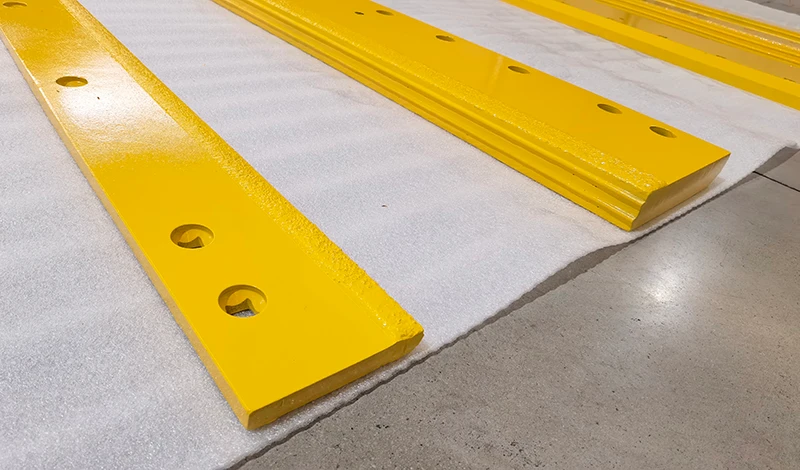
Documentation That Makes the Carbide Edge Cost Programmes Model Auditable
A model is only as good as the documents behind its inputs. Quotations should reference the specification they were priced against, so a price change can be attributed to a specification change rather than absorbed silently. SENTHAI inspects and archives every batch, which means a delivery can be traced to the grade and tolerances it was produced to; the quality control and traceability page describes those records.
Where a public programme is involved, the framework adds its own documentation requirements. Supplier registration for federal awards is handled through SAM.gov, and general procurement guidance is published by GSA. Keeping technical and commercial documents together allows the model to be reviewed by someone who did not build it, which is usually the test that matters.
Grade and dimensional claims should be checkable against published methods, such as those from ASTM, so that a specification change can be verified rather than assumed. Where the programme runs on public roads in winter conditions, the operating context published by the Federal Highway Administration and the pooled research published by Clear Roads give the review an external reference point for the conditions the season presented.
Reorder and Continuity Planning Against the Carbide Edge Cost Programmes Model
The model’s second output is the reorder point. Once the interval and the units per group are known, the quantity to hold becomes a calculation: consumption across the season, adjusted for the weeks when replacements cluster and for supplier lead time. That figure follows the work rather than the vehicle count, which is why it outperforms a percentage-based holding rule.
Continuity depends on specification stability. Where a specification changes between orders, the interval changes with it and the model needs rebuilding. Keeping the revision attached to the group record, and requiring follow-on orders to be produced to the same revision, is what keeps the model valid from one season to the next.
Finally, set the review date when the model is created. A programme reviewed after the season, against criteria agreed before it began, produces a decision the following year can rely on. One reviewed on recollection produces the same debate again, at the same cost.
A carbide edge cost model is decided by its inputs, and the inputs that matter most are the ones fleets are least likely to have measured: the interval, the labour per change, the passes a route takes and the machine-load consequences of poor contact.
Build it per truck group, record the interval rather than assuming it, and recalculate on the same definitions each season. Run that way, the model becomes a management tool that survives review rather than a conclusion carried forward from an earlier year.
Send SENTHAI your truck groups, route classes and a season of replacement records, and the technical team will work through the cost model inputs against the specification each group runs.
Frequently Asked Questions
What is the most important input in a carbide edge cost model?
The measured replacement interval, because it multiplies every other input. Purchase price is paid once per event, so the number of events across a season decides whether a cheaper edge is actually cheaper. Where the interval is assumed, the model describes the assumption. One season of recorded replacement dates and distances is enough to replace it with data.
Should a programme cost model include fuel and pass counts?
Where the specification is intended to improve contact, yes. A contact-led specification reduces the number of passes and the down-pressure applied, and those savings appear in fuel, operator hours and machine wear rather than in the parts line. Excluding them biases the comparison against the specification on exactly the routes where it is most useful.
How often should a carbide edge programme be re-modelled?
Once a season is usually enough, provided the same definitions are used each time. Recalculating more often than the interval data changes produces noise rather than information. Where a specification change is made for one group, recalculate that group at the next review so the change can be evaluated against the previous specification on comparable inputs.
How can the model be justified to a finance team?
Keep the inputs tied to verifiable records: quotations priced against a written specification, replacement intervals from maintenance records, workshop hours by task and documented downtime events. State the assumptions explicitly, including any judgement about the cost of a change falling inside a storm cycle, so that a reviewer can challenge a number rather than the whole model.
Related articles
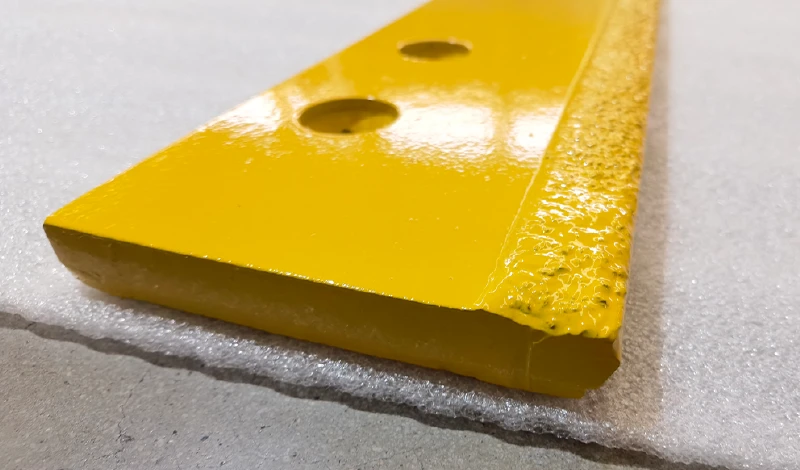 Carbide Edge Failure Analysis: Reading the EvidenceCarbide snow plow bladesCarbide Edge Tender: Writing Specifications That HoldCarbide snow plow blades
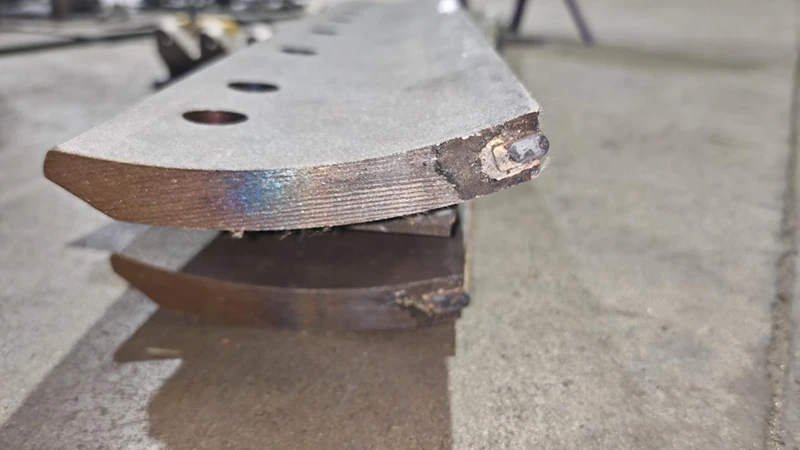 Carbide Edge Inspection: Setting Intervals That Catch Wear in TimeCarbide snow plow blades
 Carbide Edge Installation: Torque, Sequence and SeatingCarbide snow plow blades