Snow Plow Blade Systems Compared: Carbide, Rubber-Flex, Packed Ice Kits, and Inserts
There is no single "best" snow plow blade — there are four distinct blade systems, and each one is engineered for a different kind of winter duty. Carbide snow plow blades are the heavy-duty…

There is no single “best” snow plow blade — there are four distinct blade systems, and each one is engineered for a different kind of winter duty. Carbide snow plow blades are the heavy-duty standard for long, abrasive routes; JOMA style rubber-flex blades protect pavement and quiet the cab; packed ice carbide kits fracture thick ice layers; and carbide inserts are the cutting cores that power the whole range. This guide compares the systems and shows which one fits your fleet. The SENTHAI snow plow blade collection page brings all four systems together in one place.
What Are Snow Plow Blade Systems?
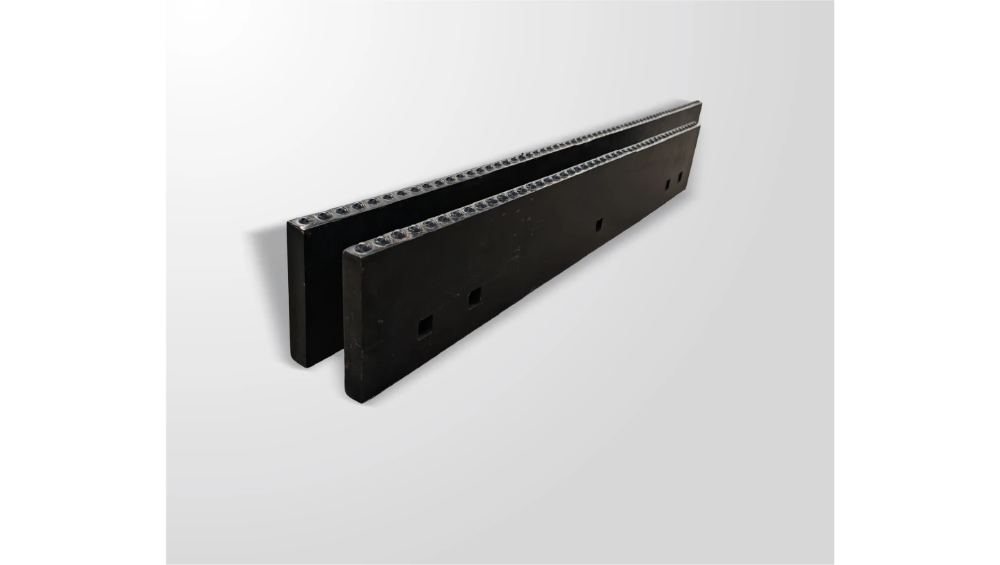
A blade system is the combination of cutting material, carrier design, and mounting that determines how an edge behaves on the road. A carbide blade uses inserts brazed into a steel body; a JOMA style blade wraps carbide in a rubber shell; a packed ice kit uses specialized ice-breaking geometry; and inserts are the replaceable teeth used across systems. Choosing a system is really choosing a duty profile.
Carbide vs Rubber-Flex vs Steel: Key Differences
Steel is cheap and wears quickly. Carbide resists abrasion and lasts far longer, but transmits impact. Rubber-flex carbide combines carbide cutting with rubber shock absorption, trading some rigidity for quieter, gentler operation. The right choice depends on whether your priority is wear life, surface protection, or extreme ice duty.
Benefits of Each Blade Type
- Carbide blades: longest wear life, consistent scrape, best cost per mile on abrasive routes.
- JOMA style rubber-flex: reduced noise and vibration, pavement and marking protection, fewer blade changes.
- Packed ice kits: fractures thick compacted ice, protects porous asphalt, can cut de-icing salt use.
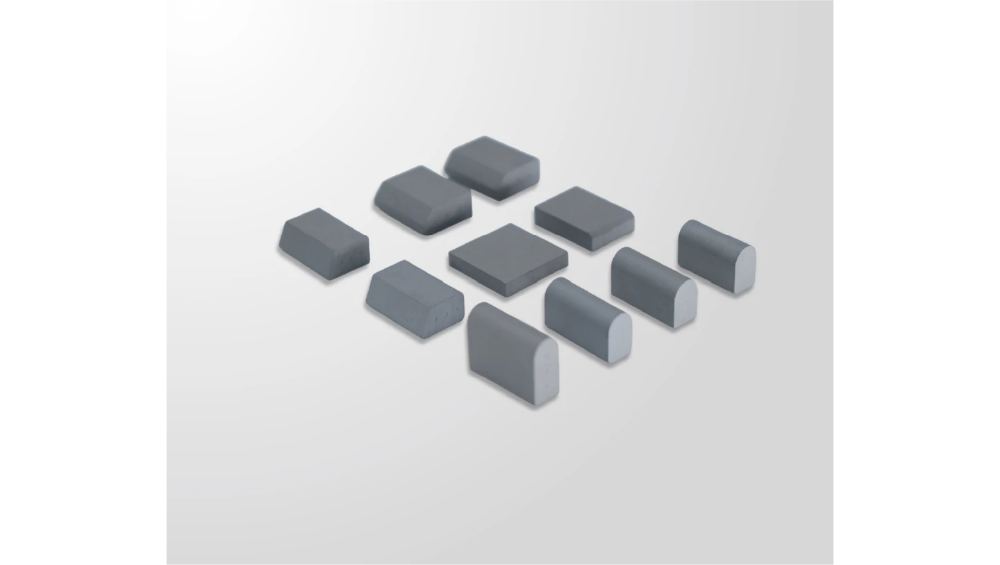
- Carbide inserts: replaceable cutting cores, precision tolerance, the component that drives performance across systems.
Which Blade Is Right for Your Fleet?
Start with the route. High-speed highway plowing favors carbide blades for wear life. City and residential routes with markings favor JOMA style rubber-flex. Routes that repeatedly ice over favor packed ice kits. Fleets that mix duty types often standardize on carbide and add a second system for ice-heavy trucks.
Cost Comparison of Blade Systems
Compare on cost per mile, not purchase price. Carbide and rubber-carbide systems cost more upfront but reduce changeout labor and downtime. Agency field studies have documented real savings per blade for rubber-carbide and carbide edges compared with steel, which is why the Clear Roads research program now standardizes how agencies measure blade cost and life.
How SENTHAI’s Four Systems Map to Route Conditions
SENTHAI organizes its product line around route conditions rather than marketing categories: carbide blades for heavy-duty workhorse duty, JOMA style for pavement-sensitive routes, packed ice kits for extreme ice, and inserts as the shared cutting core. Matching the system to the route is the fastest way to cut blade cost and downtime.
The Role of Carbide Inserts Across All Systems
Every SENTHAI system is powered by the same engineered component: micro-grain tungsten carbide inserts. The inserts are metallurgically designed for impact resistance and brazed in with a process that prevents pop-out. Understanding inserts matters even if you buy complete blades, because insert quality determines how long any system lasts.
Materials and Bonding: What Actually Differs
The visible difference between systems is the carrier — steel, rubber, or specialized geometry. The hidden difference is bonding. Brazing quality, surface conditioning, and vulcanization determine whether a blade keeps its inserts and holds its structure through salt, cold, and impact. Bonding is where low-cost blades fail, regardless of system.
Pavement Protection as a Selection Criterion
Pavement and marking damage is a real budget line for municipalities. Rubber-flex systems protect surfaces by gliding over irregularities, and packed ice kits use dome-head geometry to avoid lifting porous asphalt aggregates. If road surface protection matters on your routes, it should be a named criterion in your blade selection, not an afterthought.
Building a Mixed-Fleet Blade Strategy
Most fleets do not need one blade — they need a blade strategy: carbide for highway trucks, rubber-flex for marking-heavy routes, packed ice kits for the worst ice days, and inserts standardized across the fleet for consistent quality. A mixed strategy spreads cost and matches each truck to its job.
Frequently Asked Questions
Which snow plow blade system is best?
It depends on the route. Carbide suits long abrasive duty, JOMA style suits pavement-sensitive routes, packed ice kits suit extreme ice, and inserts power all of them. Match the system to the truck’s job.
Are rubber-flex blades weaker than carbide blades?
No — the carbide inserts do the cutting. The rubber provides flex and impact absorption, which is why JOMA style blades combine cutting performance with quieter, gentler operation.
Can I mix blade systems across my fleet?
Yes. Many fleets run carbide on highway trucks and rubber-flex on marking-heavy city routes. Standardizing inserts across systems keeps quality consistent.
Do packed ice kits work on regular snow?
They are optimized for thick, compacted ice. For ordinary snow and light ice, a carbide or JOMA style blade is usually the more economical choice.
See all four systems side by side. Visit the SENTHAI snow plow blade range to compare carbide blades, JOMA style, packed ice kits, and inserts — then contact SENTHAI with your routes for a system recommendation.