




VSI Crusher Wear Parts: Tips, Shoes and Distributor Plates
A VSI that stops for a rotor change mid-campaign is rarely a maintenance failure. It is usually a purchasing decision taken one stage earlier, because vsi crusher wear parts are consumed in three different…

A VSI that stops for a rotor change mid-campaign is rarely a maintenance failure. It is usually a purchasing decision taken one stage earlier, because vsi crusher wear parts are consumed in three different places in the same machine: the rotor tips, the shoes that line the discharge ports and the distributor plate that feeds them. Buy all three on unit price and the difference is paid in stoppages, in balancing labour and in tonnage that never reaches specification.
This page is for the people who keep the machine running and justify the spend: plant and maintenance managers at aggregate and mining operations, contractors buying aftermarket parts, distributors stocking several rotor sizes, and OEMs specifying a consumable set. It covers where a VSI loses material, what tungsten carbide changes in each zone, how fitment and rotor condition decide whether a correct part performs, and how to compare zones on cost per tonne crushed.
Where a VSI Loses Material and Money
Wear concentrates at the tips, the shoes and the feed path.
Rotor tips and shoes carry the impact load and wear fastest; the distributor plate wears by sliding abrasion; the rotor body suffers only when fitment or balance is wrong.
An impact rotor is not one wear surface. Feed enters through a tube or a centre hole, is accelerated by the distributor, leaves through ports lined by shoes, and strikes the rock curtain or anvil ring around the chamber. Each stage removes metal at a different rate and by a different mechanism, which is why a single lifetime figure quoted for a VSI is close to meaningless.
The commercial consequence appears in three places. Parts are only the first. The second is labour: the rotor has to be isolated and locked out, opened, stripped, re-fitted and balanced before the chamber closes. The third is production. A machine standing open makes no specification product, and a rotor run past its wear limit quietly shifts output gradation until the plant notices more oversize circulating. Teams that record which zone consumed what, against tonnage and hours, buy against the zone instead of the invoice.
Tips, Shoes and Plates: What Wears First
The order of wear in a rotor is predictable enough to plan against: impact at the tips, sliding and chipping abrasion on the shoe faces, then slow sliding wear on the distributor plate and feed path.
Tips meet the feed at the highest energy in the machine, so they lose material at the working face, chip at the corners, and in the worst case lose the joint that holds them. A tip still at full height but chipped at the leading corner usually points to feed that is too coarse for the rotor speed rather than a defective part. Shoes sit behind the tips and see more sliding abrasion across the whole face; a shoe worn through to the rotor body has stopped being a consumable and become a repair. The distributor plate wears by sliding abrasion and usually fails by losing section until the feed trajectory changes.
| Zone | Dominant mechanism | First visible sign | What governs life |
|---|---|---|---|
| Rotor tips | High-stress impact plus abrasion | Chipped or rounded working corner | Grade, geometry and rotor speed against feed size |
| Shoes | Sliding abrasion across the face | Lost thickness at the leading edge | Wear material and protected face area |
| Distributor plate | Sliding and gouging abrasion | Lost section that changes feed spread | Feed moisture, fines content, plate material |
| Feed tube and anvil ring | Impact and sliding abrasion | Worn liner section, changed breakage | Drop height, feed velocity, rock type |
Tungsten Carbide in High-Wear Zones
Tungsten carbide earns its place where the wear mechanism is abrasive and predictable. Cemented carbide is a composite of hard tungsten carbide grains held in a metallic binder, pressed and sintered to shape. The trade-off that decides performance in a crusher is hardness against toughness, set by grain size and binder content. Fine and micro-grain grades give a harder, more abrasion-resistant surface; coarser grains and more binder favour shock resistance. Both are quoted, with hardness in HRA, which is why grade data rather than a colour or catalogue name belongs in the specification. The materials reference from ASM International and the grade data published by producers such as Hyperion Materials & Technologies describe grades in comparable terms.
For a rotor the practical choice is usually a tough micro-grain or fine-grain grade rather than the hardest available, formed as trapezoid or bullnose inserts to suit the seat. Trapezoid profiles present a broad working face and suit rock-on-rock breakage; bullnose profiles concentrate the tip. Either way the insert only performs if it stays in the pocket, so the joint between insert and steel body matters as much as the grade. In SENTHAI’s process chain, inserts are joined to the steel body by automated high-temperature induction brazing with a controlled annealing step rather than hand torch work, and insert pockets are machined to a seat tolerance of plus or minus 0.02 mm.
Carbide is not automatically right in every port. Where feed is coarse, wet or carries tramp metal, a tough alloy steel or hardfaced shoe can be the better first choice in that position,
Fitment, Balance and Rotor Condition
Most reports of a part failing early are reports of a part fitted to a rotor that could no longer hold it correctly.
An impact rotor is a balanced assembly. Tips and shoes are supplied in sets, and replacing one worn item while its opposite stays worn creates an imbalance the bearings report long before any measurement does. Fitment begins at the seat: the pocket, the wedges or clamps that retain the insert, and the fasteners holding the shoe. Machine and attachment interface conventions are documented by bodies such as SAE International, and the discipline transfers directly, because a part is interchangeable only when the interface is dimensioned, never when it merely looks similar.
Tolerance is where aftermarket parts separate from usable parts. A tip sitting proud of its seat is loaded at the corner and chips; a shoe undersize at the mounting face moves under load and wears the rotor body and the fastener. That is why a supplier machining its own pockets holds the seat tolerance in hundredths of a millimetre and validates the pattern against a drawing or a physical sample before the first batch. Isolation, guarding and access practice during rotor changes is a safety subject too, and requirements for working around crushers on a mine site sit under 30 CFR. Record seat condition, rotor body wear at the ports and the state of retaining hardware at every change: a rotor run with loose inserts needs seat repair before new parts can be expected to last.
Documentation and Traceability
A crusher consumable is a specification rather than a part number. The document set that should accompany each delivery is short: the carbide grade with hardness and grain size, the profile and dimensions of each item, the tolerance held on the insert seat, the steel body material and hardness, and the set configuration and quantity.
Traceability is what makes that set worth having. Lot-level records let a plant connect a performance problem with a specific production batch rather than a supplier in general, and they let a distributor answer a question about a delivery made months earlier. SENTHAI inspects and archives every batch, so a query about a set of tips or shoes can be traced to the powder batch, the pressing run and the sintering lot that produced it.
Three items belong in the order itself: the drawing or sample defining the interface with its applicable revision; the inspection points to be checked on receipt and by whom; and how the batch is identified in the delivery documentation, so receipt inspection and any later claim refer to the same record.
Failure Modes and Root Causes
Hardness and tensile figures are verifiable rather than promotional, because the test methods used to quote them for metals are published by ASTM. Against that baseline, service failures fall into a small number of patterns, and each points at a different cause.
| Failure seen | Likely root cause | What to check |
|---|---|---|
| Insert chipped at the corner | Grade too hard for the shock load, or feed too coarse | Feed top size, rotor speed, grade toughness |
| Insert lost from the pocket | Joint failure or worn pocket seat | Seat tolerance, brazing quality, pocket wear |
| Even wear, short life across the set | Grade matched to the wrong abrasion class | Rock type, silica content, wear history by zone |
| One side of the rotor worn | Imbalance, uneven feed, single-item replacement | Set replacement practice, feed distribution |
| Rotor body damage | Shoes run past their wear limit | Shoe thickness measurement interval |
Read it as a diagnostic order rather than a list. A chipped insert is not evidence that carbide was the wrong material; it is evidence that grade, geometry or operating envelope was wrong, and the difference matters because the correction is a specification change rather than a change of material family. Photographing failed parts and recording zone, hours and tonnage at failure builds a diagnostic file more useful than any claim about expected life.
Cost Per Tonne Crushed
The only fair comparison between two consumable options is cost per tonne crushed, and it can be built from numbers a plant already holds: parts, plus the labour of the change, plus the value of production lost during it, divided by the tonnage produced in that interval.
Working through it usually changes the decision. A cheaper shoe replaced twice as often can show a lower invoice price every quarter and a higher cost per tonne, because change labour and downtime are paid twice. Where an operation crushes hard, abrasive rock with a high silica proportion, the interval between changes is short enough that labour alone can outweigh the parts. Context on volumes and the cost of a lost hour comes from sources such as the aggregate producers’ association NSSGA, while the tungsten industry’s application literature, including the International Tungsten Industry Association overview of cemented carbide uses, explains why the material is selected for abrasive duty at all.
Two cautions belong with the arithmetic. Availability matters more than the size of the saving, because a plant with no surge capacity loses more from one stop than it saves in a year of part-price shopping. And run the comparison zone by zone, because tips, shoes and plates rarely justify the same material on the same grounds.
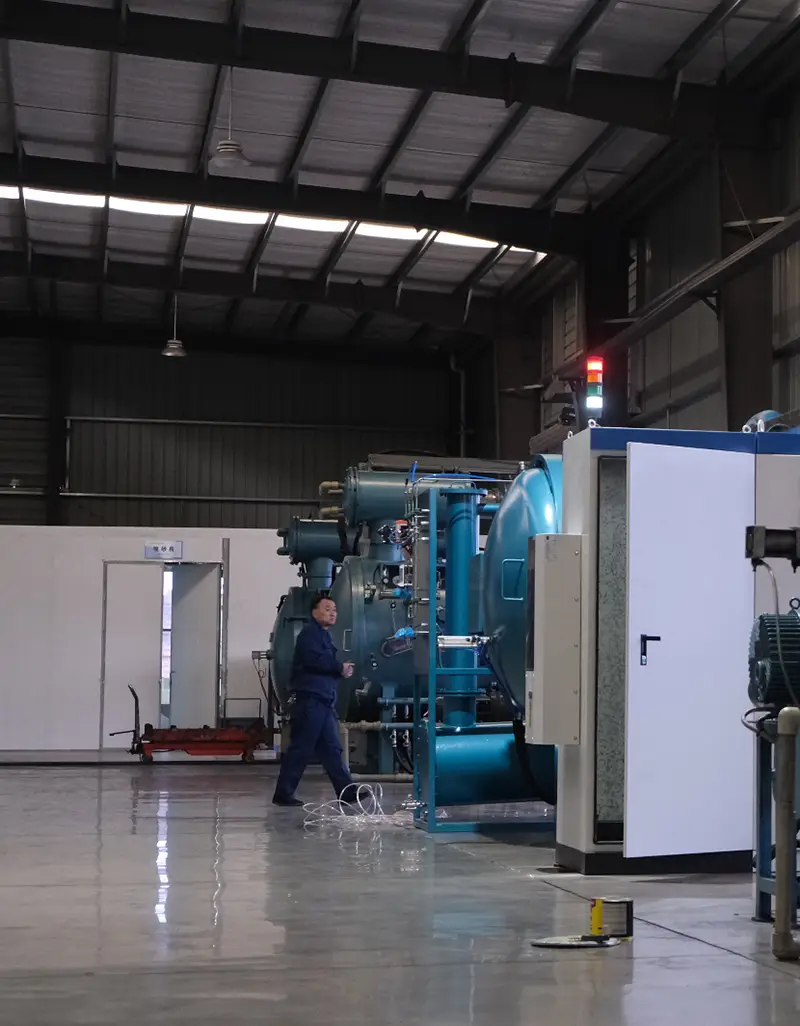
The wear zones inside a VSI drive the purchasing decision. Tips take the impact and are lost first; shoes protect the rotor body and are replaced against a thickness measurement; the distributor plate and feed path wear slowly but change the product when they do. Tungsten carbide belongs where abrasion is relentless and predictable, provided the grade is chosen for toughness as well as hardness and the insert seat is held to tolerance. Fitment and balance decide whether a correct part performs at all, documentation decides whether that performance can be traced and repeated, and cost per tonne crushed — not invoice price — decides whether the choice paid.
Send SENTHAI the rotor model, the drawing or sample that defines the insert seat, and a description of the feed the machine runs on, and the technical team will review the tip, shoe and plate specification, the carbide grade and the fitment tolerance for that rotor.
Related reading: how crusher consumables sit inside a wider maintenance programme is covered in wear parts beyond plows.
Frequently Asked Questions
What are the main wear parts inside a VSI rotor?
The consumable set is the rotor tips, the shoes that line the discharge ports, the distributor plate that accelerates the feed, and the feed tube liner and anvil ring around the chamber. Each wears by a different mechanism and on a different cycle, so a spares plan should list them separately with its own measurement for each. The rotor body itself is not a wear part and is only damaged when retaining hardware, fitment or balance has been wrong.
Which carbide grade suits VSI rotor tips?
Most rotor positions suit a tough micro-grain or fine-grain grade rather than the hardest grade available, because tips see impact as well as abrasion. Grade is defined by grain size and binder content, and hardness is quoted in HRA, so ask for both figures in writing. A specification can then be matched to the rock type and rotor speed rather than chosen from a colour code or a catalogue name.
Should rotor tips and shoes be replaced individually or as a set?
As a set, in almost every case. An impact rotor is a balanced assembly, and mixing a new item with a worn one shifts the balance in a way the bearings report before any wear measurement does. Set replacement also keeps the wear history per zone readable, because every item in the rotor has run the same hours, which is what makes the next specification decision possible.
How is the insert seat tolerance defined for a rotor tip?
The seat is defined by the pocket machined in the steel body and the wedges or clamps that retain the insert. SENTHAI machines insert pockets to a tolerance of plus or minus 0.02 mm and validates the mounting pattern against a drawing or a physical sample before production. A tip that sits proud of its seat is loaded at the corner and chips, so tolerance is a performance variable rather than a finishing detail.
What are the ordering terms for a mixed rotor set of tips, shoes and plates?
SENTHAI quotes these as a set configuration against the rotor model and the drawing that defines the interface. Batch quantities, lead time, packing and delivery terms are agreed per order and are stated in the written quotation or order documents. The documentation supplied with the batch, including grade data and inspection records, is likewise confirmed in the quotation and in the order confirmation.
{
“@context”: “https://schema.org”,
“@type”: “FAQPage”,
“mainEntity”: [
{
“@type”: “Question”,
“name”: “What are the main wear parts inside a VSI rotor?”,
“acceptedAnswer”: {
“@type”: “Answer”,
“text”: “The consumable set is the rotor tips, the shoes that line the discharge ports, the distributor plate that accelerates the feed, and the feed tube liner and anvil ring around the chamber. Each wears by a different mechanism and on a different cycle, so a spares plan should list them separately with its own measurement for each. The rotor body itself is not a wear part and is only damaged when retaining hardware, fitment or balance has been wrong.”
}
},
{
“@type”: “Question”,
“name”: “Which carbide grade suits VSI rotor tips?”,
“acceptedAnswer”: {
“@type”: “Answer”,
“text”: “Most rotor positions suit a tough micro-grain or fine-grain grade rather than the hardest grade available, because tips see impact as well as abrasion. Grade is defined by grain size and binder content, and hardness is quoted in HRA, so ask for both figures in writing. A specification can then be matched to the rock type and rotor speed rather than chosen from a colour code or a catalogue name.”
}
},
{
“@type”: “Question”,
“name”: “Should rotor tips and shoes be replaced individually or as a set?”,
“acceptedAnswer”: {
“@type”: “Answer”,
“text”: “As a set, in almost every case. An impact rotor is a balanced assembly, and mixing a new item with a worn one shifts the balance in a way the bearings report before any wear measurement does. Set replacement also keeps the wear history per zone readable, because every item in the rotor has run the same hours, which is what makes the next specification decision possible.”
}
},
{
“@type”: “Question”,
“name”: “How is the insert seat tolerance defined for a rotor tip?”,
“acceptedAnswer”: {
“@type”: “Answer”,
“text”: “The seat is defined by the pocket machined in the steel body and the wedges or clamps that retain the insert. SENTHAI machines insert pockets to a tolerance of plus or minus 0.02 mm and validates the mounting pattern against a drawing or a physical sample before production. A tip that sits proud of its seat is loaded at the corner and chips, so tolerance is a performance variable rather than a finishing detail.”
}
},
{
“@type”: “Question”,
“name”: “What are the ordering terms for a mixed rotor set of tips, shoes and plates?”,
“acceptedAnswer”: {
“@type”: “Answer”,
“text”: “SENTHAI quotes these as a set configuration against the rotor model and the drawing that defines the interface. Batch quantities, lead time, packing and delivery terms are agreed per order and are stated in the written quotation or order documents. The documentation supplied with the batch, including grade data and inspection records, is likewise confirmed in the quotation and in the order confirmation.”
}
}
]
}
Related articles
 Cutting Edge Steel Grades: 1045, 1080, A36 and Through-HardenedScraper, dozer and earthmoving cutting edges
 Scraper Blade Cutting Edges: Bowl, Elevator and Router BitsScraper, dozer and earthmoving cutting edges
 Bucket Edge Wear Protection: Liners, Heel Plates and ShroudsLoader bucket edges, teeth and wear liners
 Bolt-On Versus Weld-On Bucket Teeth: Change-Out EconomicsLoader bucket edges, teeth and wear liners