How to Choose Snow Plow Blades for Your Fleet
Choosing a snow plow blade is a procurement decision, and it deserves the same discipline as any other fleet purchase: define the duty, match the product, verify the fit, and compare total cost. Most…

Choosing a snow plow blade is a procurement decision, and it deserves the same discipline as any other fleet purchase: define the duty, match the product, verify the fit, and compare total cost. Most fleets that switch blades successfully do it with a small framework — route data first, cost per mile second, and a controlled trial before rollout. Start by reviewing the snow plow blade systems overview to see the systems available.
Why Blade Selection Matters
Cutting edges are the highest-wear component on a plow. The wrong blade means more replacements, more downtime, and more labor; the right blade means fewer changes and a lower cost per mile. Because the difference compounds over a season, blade selection is one of the fastest fleet cost improvements available.
Factors to Consider When Choosing Blades
Five factors decide the choice: route type (highway, city, residential, ice-heavy), surface sensitivity (markings, porous asphalt), plow size and mounting, winter severity, and maintenance capacity. Write them down before comparing products — a blade that is perfect for one route can be wrong for another.
Steel vs Carbide vs Rubber: Pros and Cons
| Material | Strength | Trade-Off |
|---|---|---|
| Steel | Lowest cost, simple | Short life, frequent changes, digs into pavement when worn |
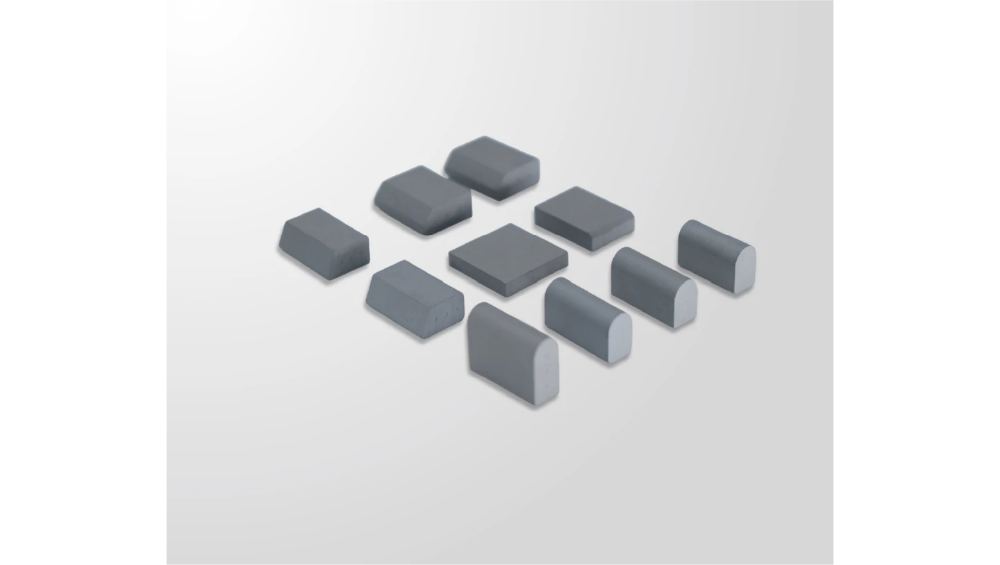
| Carbide | Long wear life, best cost per mile on abrasive routes | Higher upfront cost, transmits impact |
| Rubber-flex (JOMA style) | Quiet, pavement-friendly, fewer changes | Premium price, best on marking-sensitive routes |
Blade Size and Fit
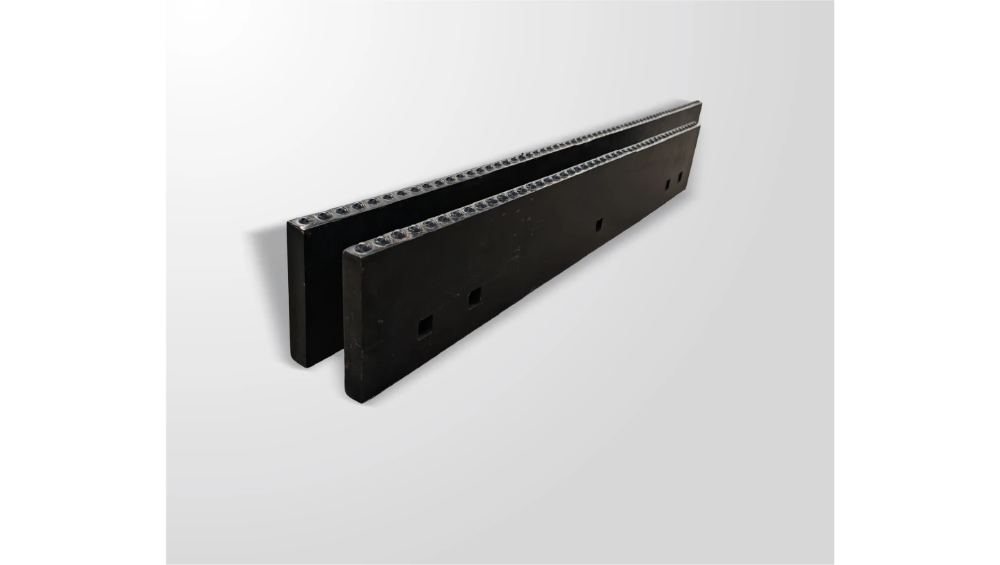
Fit comes before performance. Measure the bolt pattern (AASHTO 8-inch or 12-inch on-center for North America), section length (3-foot or 4-foot), and thickness. A blade that does not fit cannot be field-modified without weakening it. Confirm fit with the supplier before pricing.
Budget and ROI
Budget blades on cost per mile, not unit price. Include replacement frequency, changeout labor, and downtime. Agency research supports this approach: Clear Roads standardizes blade evaluation so agencies compare on measured life and cost, and field studies have documented multi-hundred-dollar savings per carbide blade versus steel.
Start with Route Data, Not Marketing
Before evaluating products, pull one season of data: miles cleared per truck, blade changes per truck, and downtime per change. This baseline turns blade selection from opinion into measurement and tells you exactly where the savings are.
Cost-per-Mile Decision Framework
Calculate cost per mile as (blade price + changeout labor + downtime cost) divided by miles cleared. Run the calculation for steel, carbide, and rubber-flex on your actual routes. The framework is simple enough for any fleet to apply and defensible enough for a budget committee.
AASHTO Fitment Before Price
Never let price drive a fitment decision. Verify the AASHTO bolt pattern and section dimensions first, then compare price among blades that actually fit. A slightly cheaper blade that requires drilling or adapters is not cheaper at all.
Pilot Trial Protocol for New Blades
Run a one-season trial before fleet-wide rollout: two trucks, same routes, one with the current blade and one with the candidate. Log changes, downtime, operator feedback, and pavement condition. A controlled trial converts supplier claims into your fleet’s data.
Working with a Manufacturer for Fleet Standardization
Manufacturers can help standardize blades across a mixed fleet — one insert system, consistent fitment, and predictable lead times. Standardization simplifies stocking, training, and quality control, which is where the long-term savings live.
Frequently Asked Questions
What is the best snow plow blade material?
There is no universal best — it depends on your routes. Carbide suits abrasive highway duty, rubber-flex suits pavement-sensitive routes, and steel suits light-duty applications with low budgets.
How do I know which blade fits my plow?
Measure the hole spacing (AASHTO 8-inch or 12-inch on-center), section length, and thickness, and confirm with the supplier. Custom sizes are available for non-standard plows.
Are carbide blades worth the extra cost?
On abrasive or ice-heavy routes, yes — longer life and fewer changeouts usually produce a lower cost per mile than steel. Model it with your own numbers before deciding.
How many blades should a fleet stock?
Stock enough to cover the change interval of each truck plus one spare section per plow type. Track replacement history to size inventory accurately.
Choose with data, not guesswork. Explore the systems on the SENTHAI snow plow solutions and send your route data to SENTHAI for a fitment and cost-per-mile recommendation.