Pavement-Friendly Snow Plow Blades: How Rubber-Flex Edges Protect Roads and Markings
Snow plow blades damage pavement in two ways: a worn steel edge digs into asphalt, and a rigid edge catches and scrapes raised road markings, manhole covers, and expansion joints. Rubber-flex JOMA style blades…

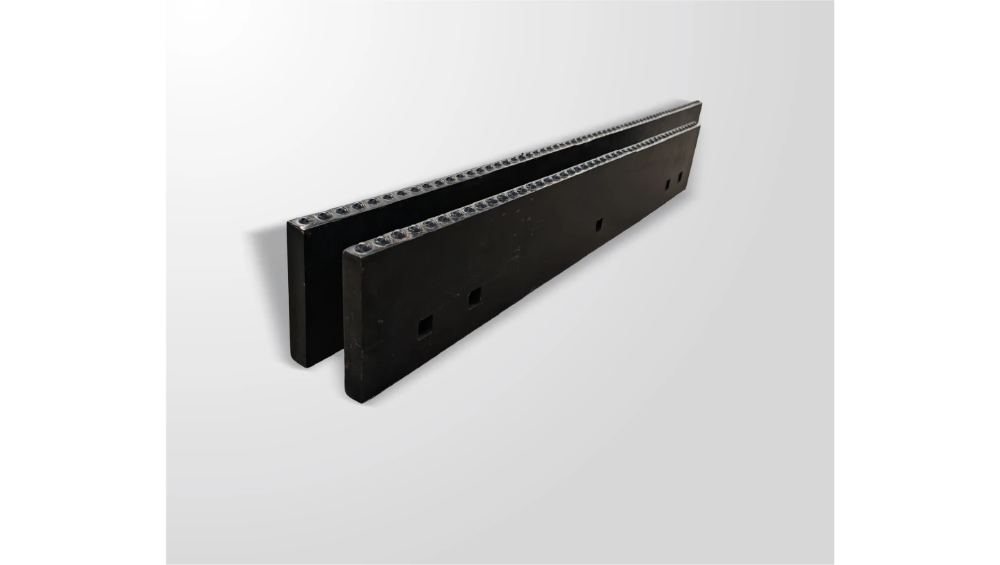
Snow plow blades damage pavement in two ways: a worn steel edge digs into asphalt, and a rigid edge catches and scrapes raised road markings, manhole covers, and expansion joints. Rubber-flex JOMA style blades reduce both problems because the rubber shell glides over surface irregularities while the carbide inserts keep doing the cutting. For a municipality, that translates directly into lower pavement repair budgets and fewer claims. The JOMA style blade product page shows the sizes and specifications designed for North American municipal plows.
How Rigid Edges Damage Pavement and Markings
A steel cutting edge contacts the road with hard, unforgiving force. When the edge is worn or the blade is riding low, it gouges asphalt and chews the edges of thermoplastic road markings. Repeated passes turn small gouges into pothole precursors and strip lane paint and reflectors. The damage is worst at intersections, where blades are lifted and dropped repeatedly. Repairs for this kind of wear come out of the road maintenance budget — a cost that rarely gets linked back to blade choice.
Winter maintenance is a coordinated system, and cutting edges are one component of it. The Federal Highway Administration’s Road Weather Management winter maintenance technical briefs describe how agencies balance plowing, chemical treatment, and equipment to keep pavements safe without destroying them. A pavement-friendly edge fits directly into that strategy: it removes snow and ice while reducing the mechanical damage that aggressive steel edges cause.
Why Rubber Glides Instead of Gouges
The rubber shell in a JOMA style blade flexes when it meets a raised surface, so the blade rides over markings and manhole covers instead of catching on them. That is the mechanism behind the “pavement-friendly” claim: the contact surface absorbs the irregularity while the internal steel structure keeps the carbide inserts pressed downward. The blade still cleans the road — it just does not fight it.
Carbide Teeth Keep Ice-Removal Performance
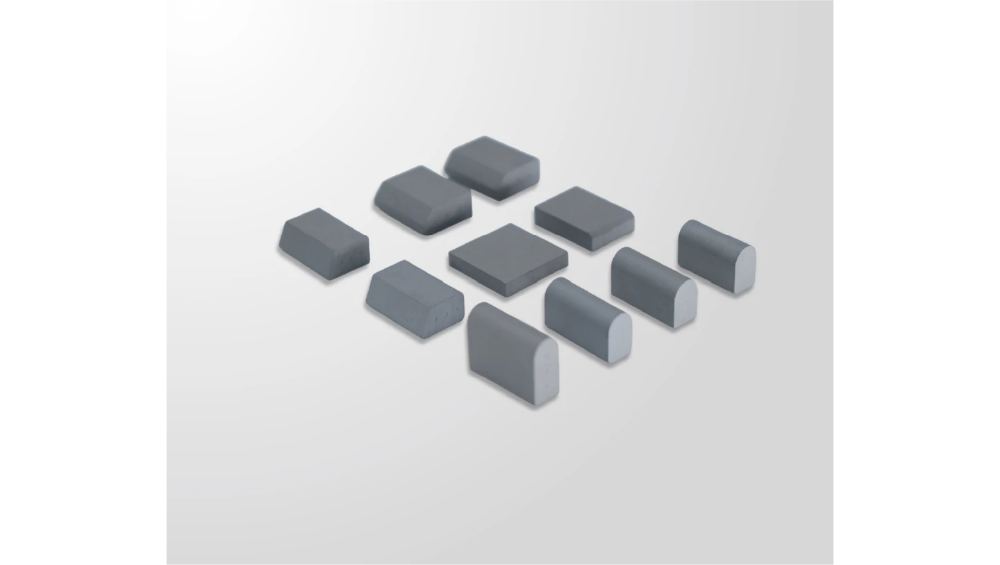
Flexibility does not have to come at the cost of cutting power. The carbide inserts maintain an optimized attack angle, and the internal steel structure ensures consistent downward pressure. The result is a blade that fractures hard-packed ice and black ice rather than sliding over it, while the rubber casing reduces cab noise and road contact damage at the same time. Anti-icing guidance from the FHWA makes the same point about the goal of winter maintenance: keep the pavement bare and intact, not just visibly plowed.
The Municipal Cost Angle
For cities, the savings show up in three places: fewer pavement repairs, fewer marking replacements, and fewer claims from contractors or citizens. There is also a maintenance benefit — a blade that does not hammer the plow reduces wear on the cutting edge mounting hardware and the plow frame. When a municipality evaluates blades on total cost, pavement protection is a real line item, not a marketing claim. The Clear Roads program exists specifically to help agencies compare blade performance under real field conditions, including wear and cost.
Selection Checklist for Municipal Fleets
- Confirm the blade matches your plow’s AASHTO bolt pattern (typically 8-inch or 12-inch on-center).
- Choose 3-foot or 4-foot sections based on your plow width; custom sizes are available from drawings.
- Verify the rubber compound is rated for your climate (flexible at -40°C for northern fleets).
- Check for integrated wear indicators so crews know when to replace sections before hardware damage.
- Run a single-season trial on your most marking-heavy route before fleet-wide rollout.
Run a Route-Level Trial Before Fleet-Wide Rollout
The fastest way to validate pavement protection is a controlled trial on your most marking-heavy route. Choose sections with thermoplastic markings, manhole covers, and fresh asphalt; run one truck with rigid edges and one with JOMA style blades; and photograph the same road segments at the start and end of the season. Track marking replacement and pavement repair on that route as the measurable outcome.
Add operator feedback to the data. The same crew that hears the difference in cab noise and sees the difference in marking wear is the evidence your procurement team needs. Agencies already rely on field comparison through programs like Clear Roads; a route-level trial is the municipal-scale version of that same method.
Frequently Asked Questions
Do rubber-flex blades really protect road markings?
Yes. The rubber shell flexes over raised markings instead of catching and scraping them, which is the main cause of marking damage from rigid edges.
Will a softer blade leave snow and ice on the road?
No. The carbide inserts, not the rubber, do the cutting. The optimized attack angle and internal steel structure keep downward pressure so the blade fractures ice while the rubber provides the flex.
Are JOMA style blades compatible with our existing plows?
Yes — they use standard AASHTO bolt patterns and work with your existing clamping bars and Grade 8 mounting hardware.
How do we justify the cost to the city council?
Build the comparison on pavement repairs, marking replacement, blade changes, and downtime — not on blade price alone. A cost-per-mile model, supported by agency field data, makes the case.
Protect your roads and your budget. Review the JOMA style blade sizes and options and talk to SENTHAI about a municipal trial on your marking-heavy routes.