
Grader Snow Wings: Mounting, Edge Load and Blade Choice
A snow wing changes the economics of a grading fleet more than any other attachment, because it roughly doubles the width of a pass on the road that matters most. It also changes the…
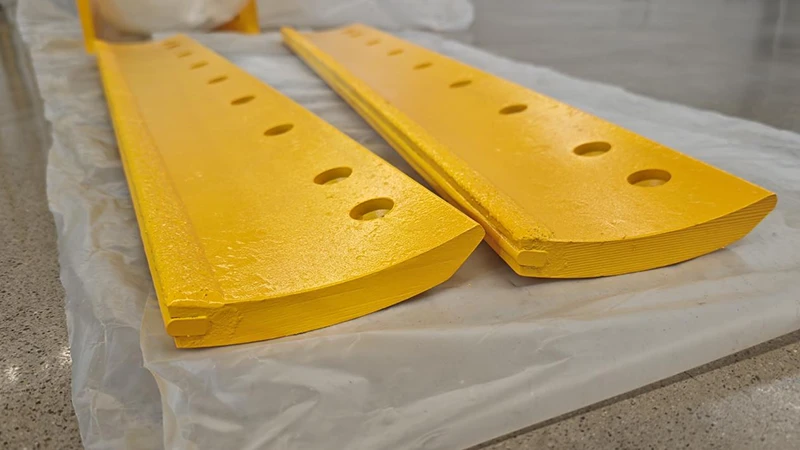
A snow wing changes the economics of a grading fleet more than any other attachment, because it roughly doubles the width of a pass on the road that matters most. It also changes the load path through the machine, concentrates wear at points a moldboard never reaches, and introduces a failure mode that has nothing to do with wear at all: contact with structure. A wing specification that ignores any of the three produces a season of repairs.
How a Wing Changes the Load Path
A moldboard pushes material with the full weight and traction of the machine behind it, and the operator can feel the load through the blade. A wing projects that working face out to the side, where the material being moved is further from the machine’s centreline and where every resistance turns into a moment about the mounting. The edge on a wing therefore sees loads that are not simply a scaled version of moldboard loads.
Three consequences follow. The mounting structure becomes a structural component rather than a bracket, because it has to carry that moment rather than just the weight of the blade. The edge and its fasteners see a combination of horizontal cutting load and vertical load from the wing’s own weight, which makes clamping and seating even more critical than on a moldboard. And the machine’s steering and stability feel the offset load, which affects how fast the wing can be worked and on what surface.
The practical implication for a buyer is that a wing edge specification is a package specification. The edge, the fasteners, the mounting and the machine’s ability to carry the load all move together, and a quotation for an edge alone assumes the rest of the assembly is in good condition. Where a fleet is fitting a wing to a machine that has not carried one before, that assumption needs testing.
Edge Choice for Wing and Benching Duty
Wing edges work in two modes, and they wear differently in each. In snow-removal mode the edge is clearing snow and ice from a road surface, often at speed, where abrasion is moderate and shock loading from buried objects is the main risk. In benching mode the wing cuts a slope or shoulders material, where the edge is working abrasive ground at a slower rate and the wear is dominated by abrasion.
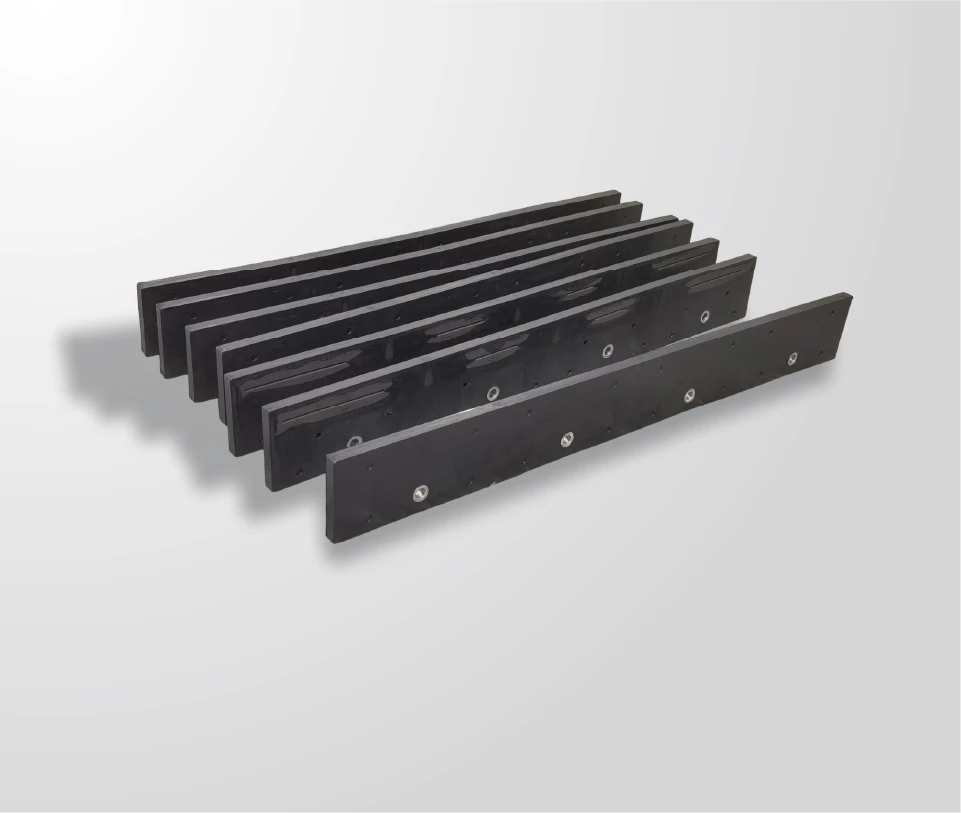
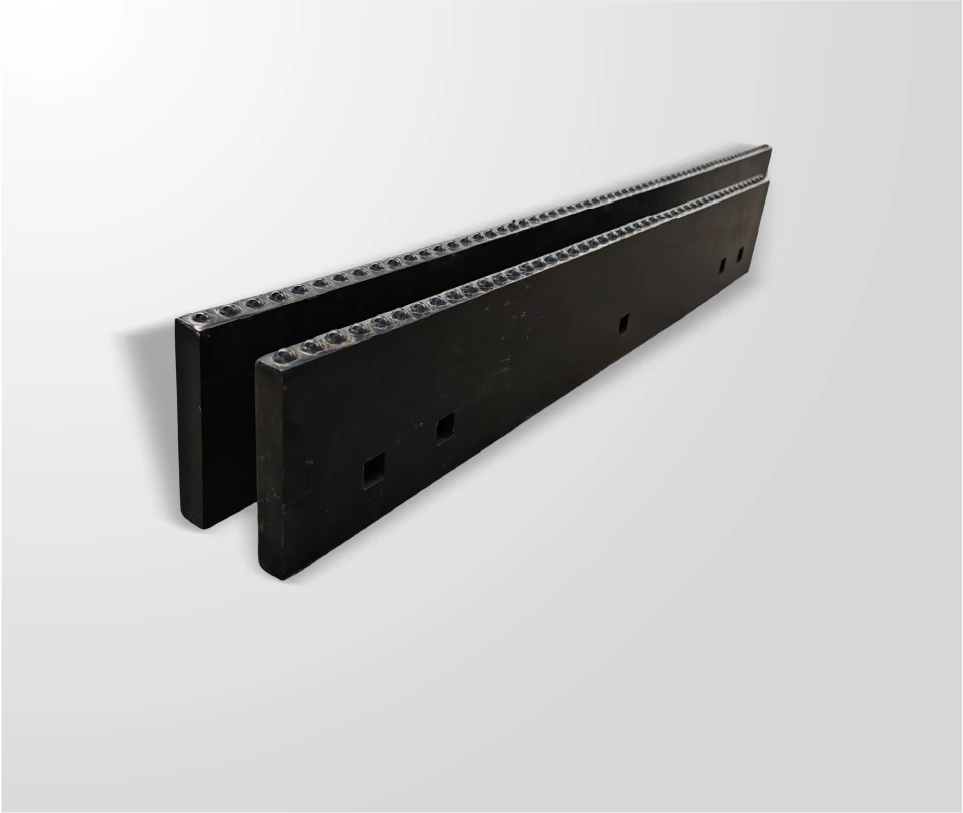
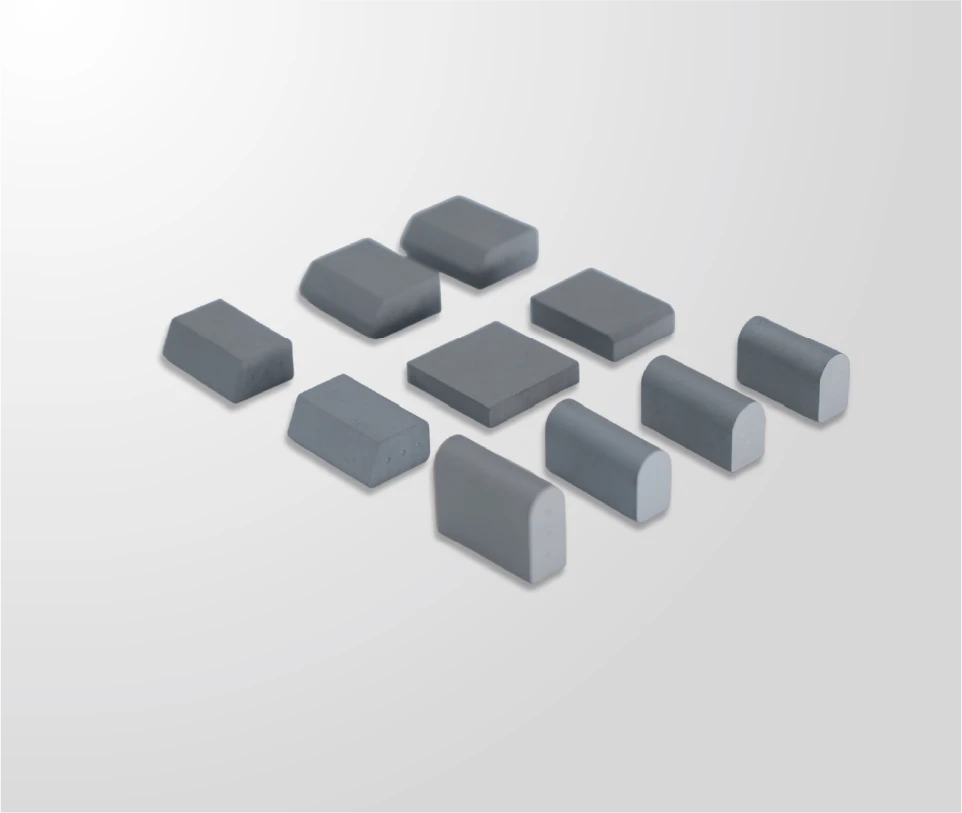
That distinction drives material selection more than machine size does. An edge working primarily on road surfaces can be optimised for toughness and impact resistance, because a chipped or broken edge on a wing is a hazard as well as a cost. An edge working primarily on benching and gravel shoulders should be optimised for abrasion resistance, and here a carbide-tipped or hardened steel edge earns its premium the same way it does on a moldboard.
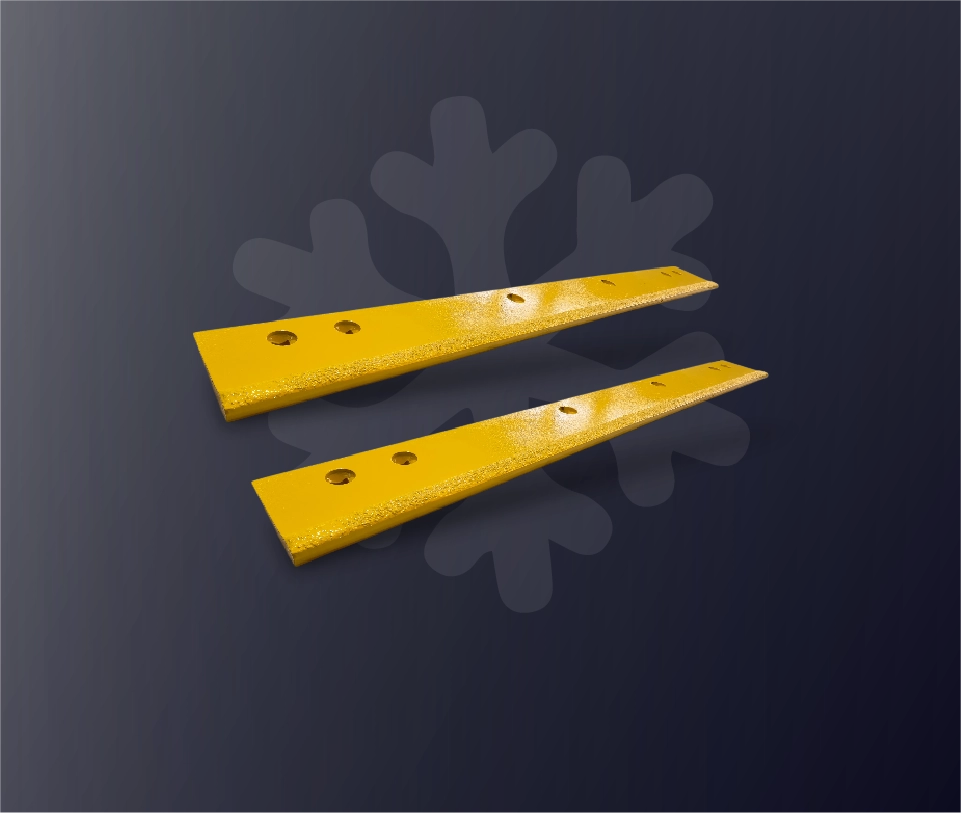
Profile selection follows the same logic. A wing edge needs to follow the surface contour to clear effectively, and the section profile has to suit the wing’s carrier plate. Where a wing is used for both modes across a season, the practical answer is often two sets of edge geometry rather than one compromise: one for road clearing and one for benching, with the change made at the same time the wing is reconfigured.
Mounting Systems and Machine Compatibility
Wing mounting systems range from a simple mast with a fixed geometry to hydraulically controlled assemblies that adjust angle and height from the cab. The choice determines not only how the wing is used but what the edge has to withstand, because a rigid mount transfers shock straight into the edge while a controlled mount can absorb some of it through its linkage.
Compatibility questions to settle before ordering are straightforward but easy to skip. Does the machine have the mounting points the wing requires, or do they have to be fabricated? Does the machine’s hydraulic capacity support the wing’s control functions? Does the added weight and offset load stay within the machine’s rated capability for the speeds the fleet intends to work? And does the wing’s geometry produce a pass width that matches the fleet’s route plan?
Documentation is the other half of compatibility. A wing edge cannot be specified from a machine model alone, because the carrier plate, hole pattern and edge length are properties of the wing rather than of the grader. The pattern data requirements are the same as for any ground-engaging tool: a measured layout or a drawing, a section profile and thickness, and the fastener details. Standard machine interface conventions that such assemblies follow are published through SAE, and the road-side operating context — clearance, routes and surface condition — is covered in the highway operations material published by FHWA.

Wear Concentration Points
Wing wear concentrates in places that a moldboard does not have, and knowing where to look changes the inspection routine.
| Point | Why it wears there | What it indicates |
|---|---|---|
| Outer end of the wing edge | Furthest from the machine, most exposed to obstacles and to surface variation | Route condition; whether the operator is holding the wing too low |
| Inner edge zone | Material shedding across the blade concentrates load | Wing angle and working speed |
| Mounting-side fasteners | Highest moment and vibration | Torque maintenance practice |
| Carrier plate lip | Where the edge seats; abrasive material driven between the two | Whether edges are being changed before the seating face erodes |
| Linkage and pivot points | Shock transfer from edge contact | Whether the edge is too hard or too stiff for the routes worked |
Fastener condition at the mounting side deserves specific attention because it is where a wing becomes unsafe rather than simply worn. A loose wing edge moves under load, wears its holes and can shed hardware onto the road. Replacing fasteners with every edge change, and re-torquing after the first shift, is a habit rather than a cost.
Damage Modes When the Wing Hits Structure
The failure that ends a wing’s season is rarely wear. It is contact: a bridge parapet, a kerb, a sign post, a raised manhole, a guardrail. A wing projects beyond the operator’s direct line of sight and the edge leads the contact, so the resulting damage is concentrated at the outermost point of the assembly.
Three damage patterns follow. The edge bends or breaks at its outer end, which is a straightforward replacement if the carrier plate survived. The edge survives but the mounting or linkage takes the load, which is the more expensive outcome and the reason a controlled mount is worth its complexity. And the contact tears fasteners and their holes, which turns an edge change into a fabrication job.
Two practices reduce the exposure. Working speed on routes with frequent obstructions is a decision the fleet can make, and the wing’s working height relative to kerbs and structures is a setting the operator controls. Mandating a documented operating height for specific routes and recording known obstruction points is the unglamorous part of wing ownership that pays for itself in one season. Edge hardness belongs in the same discussion: an edge that is too hard for its duty converts impact into fracture rather than deforming, which is a worse outcome on a wing than on a moldboard.
Cost and Lead Time Considerations
Wing edges are a low-volume, high-variety product, which means two things for procurement. Lead time matters more than it does for a standard edge, because a wing without an edge is an unused attachment; and the price reflects the batch economics of a non-standard pattern rather than any intrinsic material cost.
The workable approach is to plan wing edge consumption the way a fleet plans seasonal consumables: order ahead of the season, hold one spare set per wing at fleet level, and standardise across wings where the fleet runs more than one. Standardising does not mean accepting a pattern that does not fit — it means choosing one pattern per wing type and keeping the drawings, so a reorder is a reference rather than a measurement exercise.
Where a wing is used for both road clearing and benching, the two-edge approach described earlier also has a lead-time benefit: the second set is ordered with the first, and the change between modes becomes a planned workshop task rather than an emergency order. Public agency procurement practice for this kind of seasonal equipment often follows published specifications and material standards, including the AASHTO publications programme and the material and test standards published by ASTM.
Specifying a Wing Package
Six items turn a wing requirement into an order document: the wing make and carrier plate identity, the edge pattern by drawing or measurement, the section profile and thickness, the material or grade appropriate to the dominant duty, the fastener and countersink specification, and the documentation expected with delivery.
Three additions make the package work in practice. State whether the edge is expected to work mostly on road clearing or on benching, because that determines the material trade-off. State the maximum speed the fleet intends to work at, because it constrains how much impact the edge has to absorb. And state the inspection to be performed on receipt, including the insert condition where a carbide-tipped edge is supplied.
Finally, treat the mounting as part of the specification rather than a separate project. Where the wing is new to the machine, or where the carrier plate lip has worn, replacing edges without addressing it produces premature failure that will be attributed to the edge. The same fitment discipline described for grader edges in wear parts beyond plows applies here, with the additional caution that the wing’s load path puts more weight on getting it right.
A wing is a package decision. The edge has to suit whether the wing clears road surfaces or benches shoulders; the pattern has to come from the carrier plate rather than the machine model; the fasteners and mounting have to survive a load path that the moldboard never sees; and the operating practice has to recognise that the most expensive failure is contact with structure rather than wear. Specify the package, hold a spare edge per wing, and keep the pattern drawings with the fleet records. Weather-driven planning for the same season is discussed in the operations material from the National Weather Service at weather.gov.
Send SENTHAI the wing carrier plate drawing or pattern measurements and the duty the wing works, and the technical team will confirm edge profile, thickness, material and fastening for the package.
Frequently Asked Questions
What is a grader snow wing used for?
It extends the machine’s working width to the side, so one pass clears or benches a wider strip than the moldboard alone can reach. Wings are used for road clearing on wide routes, for shoulder work and for benching slopes. The attachment roughly doubles the output of a pass on suitable roads, at the cost of an offset load that the machine and its mounting must be able to carry.
How do I choose an edge for a snow wing?
Start from the dominant duty. A wing clearing road surfaces needs toughness and impact resistance, because contact with kerbs, structures and buried objects is the main risk. A wing benching shoulders works abrasive ground and needs abrasion resistance, where a hardened or carbide-tipped edge earns its premium. Where both duties run in one season, two edge sets is usually better than one compromise.
Why do wing edges wear faster than moldboard edges?
They work at the outermost point of the assembly, where surface variation, obstacles and material shedding concentrate load, and they see a moment about the mounting that a moldboard does not. The outer end in particular is exposed to everything the operator cannot see. That is why the outer end and the mounting-side fasteners are the two inspection points that matter most.
Can a wing edge be repaired or does it need replacing?
An edge that has bent or fractured at its outer end is normally replaced rather than repaired, because a repaired wing edge works under the same offset loads that caused the failure. Where the carrier plate or linkage has taken the damage instead, that is a structural repair and should be assessed before a new edge is ordered. Replace fasteners with the edge as a matter of practice.
{
“@context”: “https://schema.org”,
“@type”: “FAQPage”,
“mainEntity”: [
{
“@type”: “Question”,
“name”: “What is a grader snow wing used for?”,
“acceptedAnswer”: {
“@type”: “Answer”,
“text”: “It extends the machine’s working width to the side, so one pass clears or benches a wider strip than the moldboard alone can reach. Wings are used for road clearing on wide routes, for shoulder work and for benching slopes. The attachment roughly doubles the output of a pass on suitable roads, at the cost of an offset load that the machine and its mounting must be able to carry.”
}
},
{
“@type”: “Question”,
“name”: “How do I choose an edge for a snow wing?”,
“acceptedAnswer”: {
“@type”: “Answer”,
“text”: “Start from the dominant duty. A wing clearing road surfaces needs toughness and impact resistance, because contact with kerbs, structures and buried objects is the main risk. A wing benching shoulders works abrasive ground and needs abrasion resistance, where a hardened or carbide-tipped edge earns its premium. Where both duties run in one season, two edge sets is usually better than one compromise.”
}
},
{
“@type”: “Question”,
“name”: “Why do wing edges wear faster than moldboard edges?”,
“acceptedAnswer”: {
“@type”: “Answer”,
“text”: “They work at the outermost point of the assembly, where surface variation, obstacles and material shedding concentrate load, and they see a moment about the mounting that a moldboard does not. The outer end in particular is exposed to everything the operator cannot see. That is why the outer end and the mounting-side fasteners are the two inspection points that matter most.”
}
},
{
“@type”: “Question”,
“name”: “Can a wing edge be repaired or does it need replacing?”,
“acceptedAnswer”: {
“@type”: “Answer”,
“text”: “An edge that has bent or fractured at its outer end is normally replaced rather than repaired, because a repaired wing edge works under the same offset loads that caused the failure. Where the carrier plate or linkage has taken the damage instead, that is a structural repair and should be assessed before a new edge is ordered. Replace fasteners with the edge as a matter of practice.”
}
}
]
}
Related articles
 Measuring Grader Edge Wear: Replacement Triggers by Machine ClassGrader blades and road grading cutting edges
 Scarifier Teeth and Shanks: Specifying for Hardpack and GravelGrader blades and road grading cutting edges
 Serrated Versus Straight Grader Edges: When Serration PaysGrader blades and road grading cutting edges
 Grader Blade Bolt Patterns and Hole Spacing: The Layout ChecklistGrader blades and road grading cutting edges