
Scarifier Teeth and Shanks: Specifying for Hardpack and Gravel
Grader scarifier teeth are the part of a machine that gets bought last and replaced most often. They are also the part that decides whether the moldboard can do anything at all on a…

Grader scarifier teeth are the part of a machine that gets bought last and replaced most often. They are also the part that decides whether the moldboard can do anything at all on a compacted road, because a blade that cannot break the surface produces a shallow, polished pass and a road that needs blading again next week. This article covers what the teeth do to the surface, how geometry and material change that, and what to fix in the specification before an order is placed.
What the Scarifier Does to the Surface
The scarifier is a breakout tool. Mounted ahead of the moldboard, it penetrates and lifts compacted material so the blade behind it can shape a proper profile rather than shaving the top layer. On gravel roads that have consolidated under traffic, that breakout is the difference between a grading pass that works and one that glazes the surface.
Three duties drive the requirement. Recovery of a gravel road whose surface has compacted and lost its crown, removal of hardpack that has built up over a season, and breakout of material that has bonded after freeze-thaw cycles. Each demands penetration, and penetration over a long machine pass is a function of tooth geometry, shank rigidity and the down-pressure the machine can apply.
The cost of getting it wrong is not a failed part; it is a failed pass. A scarifier with worn or blunt teeth skates, the moldboard then works loose material only, and the fleet spends a season grading the same roads repeatedly. Measuring scarifier condition is therefore part of measuring whether the grading programme is working, not just part of maintenance.
Tooth Geometry and Material Choices
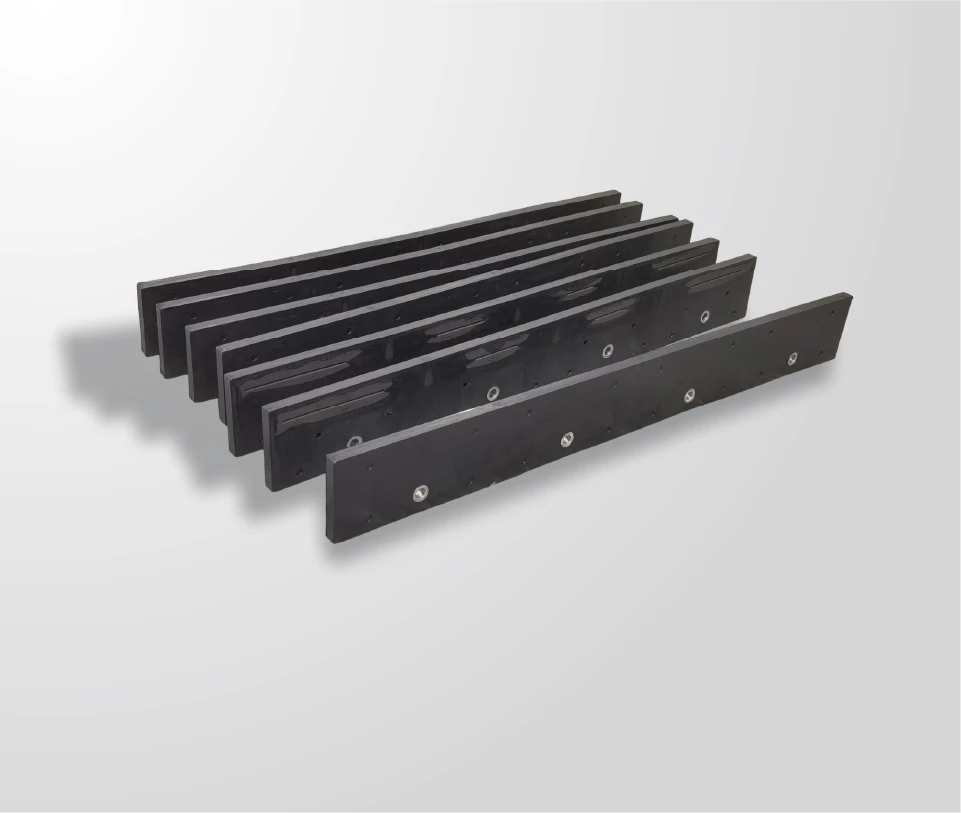
Geometry decides whether the tooth penetrates or pushes. A tooth with too blunt an included angle demands more force than the machine can deliver on compacted gravel; too sharp an angle gives penetration but loses its point within a few passes. The useful range for road work sits between those extremes, and the shape that suits a scarifier is different from a ripper tip working rock.
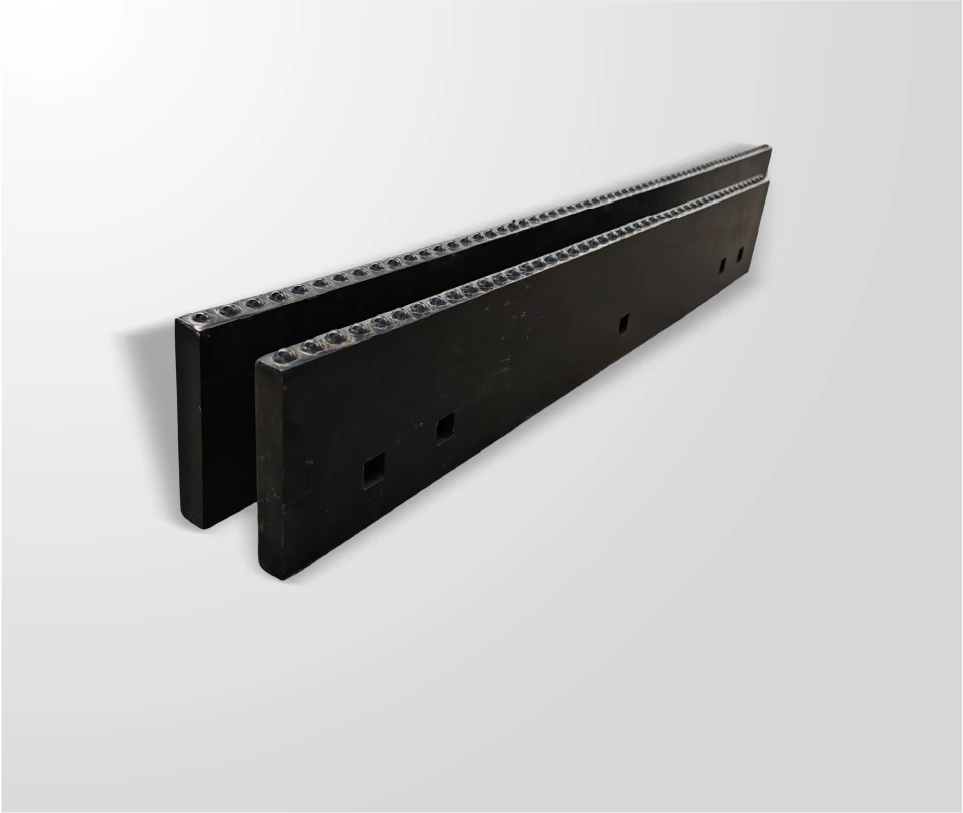
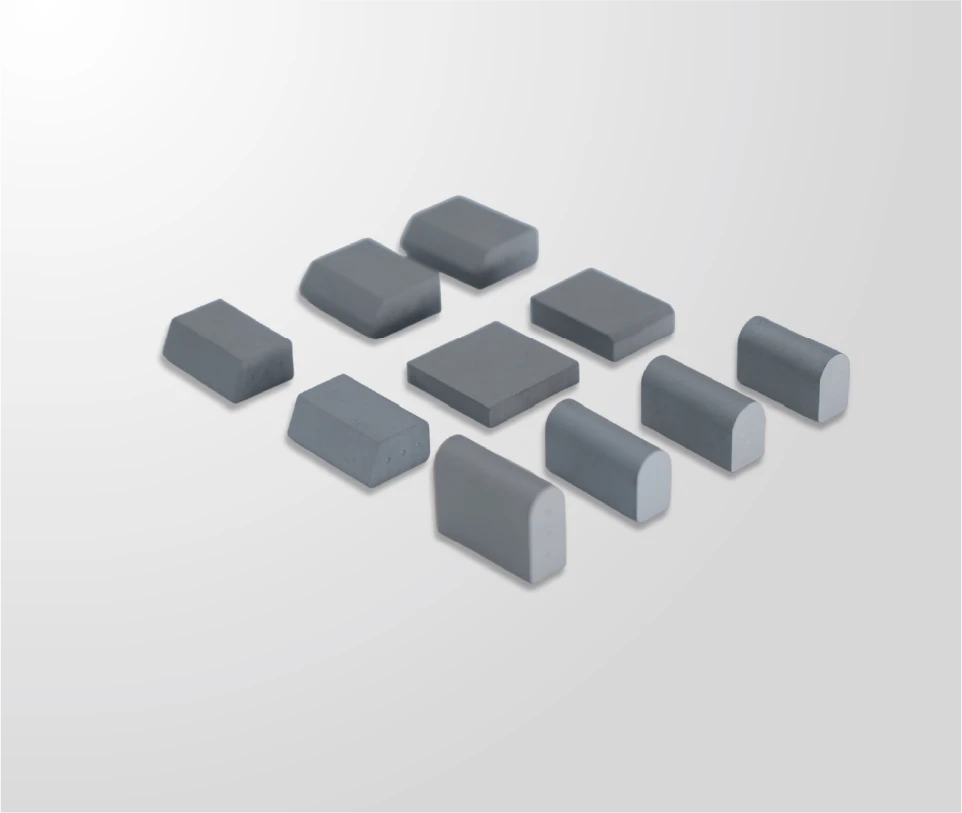
Material choice follows the abrasion to impact ratio. Cast and hardened steel teeth suit material where abrasion dominates and shock is low. Carbide-tipped teeth suit harder, more abrasive conditions and are used where a steel tooth would need frequent replacement. The trade-off is the same one that applies across ground-engaging tools: harder working surfaces resist wear and are less forgiving of impact, and the correct grade follows from what the tooth is expected to meet.
The tooth is only half the assembly. A shank that flexes absorbs energy that should be going into the material, and a tooth that is loosely retained moves under load and wears its socket as well as itself. Both belong in the specification, and both are usually omitted from it.
Shank Fitment and Retention Systems
Retention is where scarifier assemblies fail in service. Teeth are held by a range of systems — pinned, bolted, clamped or friction-retained — and each has a different failure signature. Pins wear and shear; bolts loosen and are lost; friction retention depends on the socket staying within tolerance, which it stops doing once it has worn.
The specification question is not which system is superior in the abstract but which system the machine’s shank accepts and what spare parts the fleet can hold. A retention system that requires a specific pin available only from one source is a supply-chain dependency; a system that uses a standard fastener is easier to keep running through a season.
Socket condition deserves particular attention because it is a machine-side wear item. Once the socket that receives the tooth has worn, a new tooth will not sit correctly, will move under load and will wear out faster than the specification predicted. When a fleet reports that teeth are not lasting, the first inspection point is the socket, not the tooth. The interface conventions that these assemblies follow are documented through the standards published by SAE, and material and hardness test references come from ASTM.
Wear Rate by Surface Type
Wear rate on scarifier teeth is driven almost entirely by the material being broken, and the spread between surfaces is wide enough that a single replacement interval is meaningless. Recording wear against surface type is what turns a parts budget into a plan.
| Surface | Wear character | Effect on tooth choice |
|---|---|---|
| Loose gravel and soft shoulders | Low abrasion, minimal breakout needed | Standard steel teeth are sufficient |
| Compacted gravel with crushed aggregate | Steady abrasive wear at the point | Harder tooth material justified |
| Hardpack layered over a season | High demand on penetration, moderate abrasion | Geometry matters more than hardness |
| Frozen and ice-bonded material | Impact loading with abrasion | Toughness matters; chipping is the failure mode |
| Mixed aggregate with embedded stone | Alternating abrasion and shock | Balance grade, and expect socket wear as well |
The table also explains why a fleet’s own records beat any published figure. Two districts with the same machine class can consume teeth at very different rates simply because one is working crushed granite and the other river gravel. Where a fleet maintains several routes, tagging teeth by route is the cheapest piece of data it can collect.
Replacement Economics Across a Season
Start with consumption rather than price. A fleet that knows it uses a defined number of teeth per machine per season can compare any tooth on cost per season instead of cost per piece, and that comparison is the only one that reflects how the parts are actually bought. Where consumption is not recorded, the first improvement is to record it: quantity per machine, per route, per season, with the surface condition noted alongside.
Teeth are consumed in volume, so the season cost is a function of three variables: how many teeth the fleet consumes, the unit price, and the labour to replace them. The third is easy to underestimate. Teeth are replaced in the field, often in cold conditions, and each change carries a small amount of lost machine time that accumulates quickly across a fleet.
That is why a higher-priced tooth can be the cheaper one. If a carbide-tipped or harder tooth lasts several times longer on abrasive material, the reduction in changes reduces both parts consumption and field labour. Where the material is softer, the same tooth simply costs more.
There is a second economic effect that rarely appears in the parts budget: penetration. Teeth that hold their point keep the scarifier working, which reduces the number of passes needed to recover a road. That saving appears in machine hours rather than in parts, which is why a parts-only comparison understates the case for a better tooth. The published material and wear guidance behind those decisions includes the abrasion data that wear-steel producers such as voestalpine publish for their grades, alongside the industry references held by ASM International.
Inspection and Rotation Practice
A scarifier inspection that takes ten minutes tells a fleet almost everything it needs about the next order. Four checks cover it.
- Point condition. Whether the tooth still has a defined point, or has flattened into a blunt face that will not penetrate.
- Tooth length. Remaining usable length, measured from the socket rather than by eye against a neighbouring tooth.
- Socket condition. Wear in the shank socket, which determines whether a new tooth can seat and stay seated.
- Retention hardware. Pin, bolt or clamp condition, replaced as a matter of practice rather than assessed for reuse.
Rotation is possible on some designs and not others, and where the tooth is symmetrical it can extend life at low cost. Where it is not, the discipline that pays is replacing worn teeth early enough that penetration is never the constraint on a pass, rather than running teeth to destruction and accepting extra passes as normal.
Specification Details to Fix Before Ordering
A scarifier order that will be repeatable needs eight fields: tooth part reference or drawing, tooth geometry, material or grade, retention system, socket dimensions of the shank it must fit, expected surface type, quantity per machine and per season, and the inspection that will be performed on receipt. Where the teeth are carbide-tipped, add the insert grade, profile and braze verification.
Two supporting practices make those fields usable. Photograph and measure the shank socket rather than ordering to a machine model, because shanks vary between builds and wear over time. And state the documentation expected with the delivery, including batch identification, so that a performance issue can be traced rather than replaced by guesswork. This is the same discipline that applies to any wear part in the fleet, and it is the reason a specification review is worth doing before the first order rather than after the first failure — the pattern for that review is described in the specification walkthrough. Where scarifiers work in mining or quarry support roles, the relevant machinery and guarding requirements sit in 30 CFR.
Scarifier teeth are a penetration decision before they are a procurement one. Geometry and shank rigidity decide whether the machine can break the surface at all; material decides how long it keeps doing so on the material actually being worked. Fix the geometry, material, retention and socket dimensions in the specification, measure wear by route, and inspect sockets rather than only teeth. The parts that follow from that are cheaper per season than the ones bought by habit, and the adjacent ground-engaging products are set out under wear parts beyond plows.
Send SENTHAI the shank socket dimensions, the surface types the grader works and the current replacement rate, and the technical team will recommend tooth geometry, grade and retention for the duty.
Frequently Asked Questions
What is a scarifier on a grader used for?
It breaks up compacted material ahead of the moldboard so the blade can shape a proper profile instead of shaving the surface. On gravel roads that have consolidated under traffic, that breakout is what makes a grading pass effective. It is also used to recover hardpack that has built up over a season and to break material bonded by freeze-thaw cycles.
How do I know when scarifier teeth need replacing?
Measure remaining length from the socket and check whether the tooth still has a defined point. A tooth that has flattened will skate rather than penetrate even if it is far from worn out by weight. Inspect the socket at the same time, because socket wear starves a new tooth of support and produces failures attributed to the tooth.
Should I buy carbide-tipped scarifier teeth or steel?
It depends on the surface. Steel teeth are sufficient for loose gravel and soft shoulders, and their lower unit price is the right answer where abrasion is mild. Carbide-tipped teeth are justified where crushed aggregate and hardpack consume steel teeth quickly, and where the reduction in field changes offsets the higher unit price. Toughness matters as much as hardness on frozen material.
What do I need to measure before ordering scarifier teeth?
Measure the shank socket and the retention hardware rather than ordering to a machine model. Shanks vary between builds and wear in service, so socket dimensions determine what will seat properly. Record the tooth geometry and material currently in use, the surfaces the machine works, and the quantity consumed per season, then keep those figures with the socket measurement.
{
“@context”: “https://schema.org”,
“@type”: “FAQPage”,
“mainEntity”: [
{
“@type”: “Question”,
“name”: “What is a scarifier on a grader used for?”,
“acceptedAnswer”: {
“@type”: “Answer”,
“text”: “It breaks up compacted material ahead of the moldboard so the blade can shape a proper profile instead of shaving the surface. On gravel roads that have consolidated under traffic, that breakout is what makes a grading pass effective. It is also used to recover hardpack that has built up over a season and to break material bonded by freeze-thaw cycles.”
}
},
{
“@type”: “Question”,
“name”: “How do I know when scarifier teeth need replacing?”,
“acceptedAnswer”: {
“@type”: “Answer”,
“text”: “Measure remaining length from the socket and check whether the tooth still has a defined point. A tooth that has flattened will skate rather than penetrate even if it is far from worn out by weight. Inspect the socket at the same time, because socket wear starves a new tooth of support and produces failures attributed to the tooth.”
}
},
{
“@type”: “Question”,
“name”: “Should I buy carbide-tipped scarifier teeth or steel?”,
“acceptedAnswer”: {
“@type”: “Answer”,
“text”: “It depends on the surface. Steel teeth are sufficient for loose gravel and soft shoulders, and their lower unit price is the right answer where abrasion is mild. Carbide-tipped teeth are justified where crushed aggregate and hardpack consume steel teeth quickly, and where the reduction in field changes offsets the higher unit price. Toughness matters as much as hardness on frozen material.”
}
},
{
“@type”: “Question”,
“name”: “What do I need to measure before ordering scarifier teeth?”,
“acceptedAnswer”: {
“@type”: “Answer”,
“text”: “Measure the shank socket and the retention hardware rather than ordering to a machine model. Shanks vary between builds and wear in service, so socket dimensions determine what will seat properly. Record the tooth geometry and material currently in use, the surfaces the machine works, and the quantity consumed per season, then keep those figures with the socket measurement.”
}
}
]
}
Related articles
 Measuring Grader Edge Wear: Replacement Triggers by Machine ClassGrader blades and road grading cutting edges
 Grader Snow Wings: Mounting, Edge Load and Blade ChoiceGrader blades and road grading cutting edges
 Serrated Versus Straight Grader Edges: When Serration PaysGrader blades and road grading cutting edges
 Grader Blade Bolt Patterns and Hole Spacing: The Layout ChecklistGrader blades and road grading cutting edges