
High-Chrome Versus Tungsten Carbide Wear Parts
The choice between high chrome versus carbide wear parts is, in practice, a decision about how much impact the item will see. Both materials resist abrasion far better than mild steel, both are bought…

The choice between high chrome versus carbide wear parts is, in practice, a decision about how much impact the item will see. Both materials resist abrasion far better than mild steel, both are bought as consumables, and they fail in completely different ways. Selecting on hardness alone, or on the last quotation alone, is how a brittle cast liner ends up in an impact zone and a carbide tile ends up where a cast plate would have cost a fraction as much.
This page is written for maintenance and reliability engineers, procurement staff, contractors, distributors and OEMs specifying wear protection for hard-rock duty. It compares the two on design intent, wear mechanisms, impact and thermal limits, failure and repair routes, fabrication constraints, cost per tonne, and how to choose by mechanism.
What Each Material Is Designed For
Chrome for sliding abrasion, carbide for concentrated wear.
High-chrome white iron suits large surfaces under sliding abrasion, while cemented carbide suits small areas of concentrated wear where a supporting body carries the load.
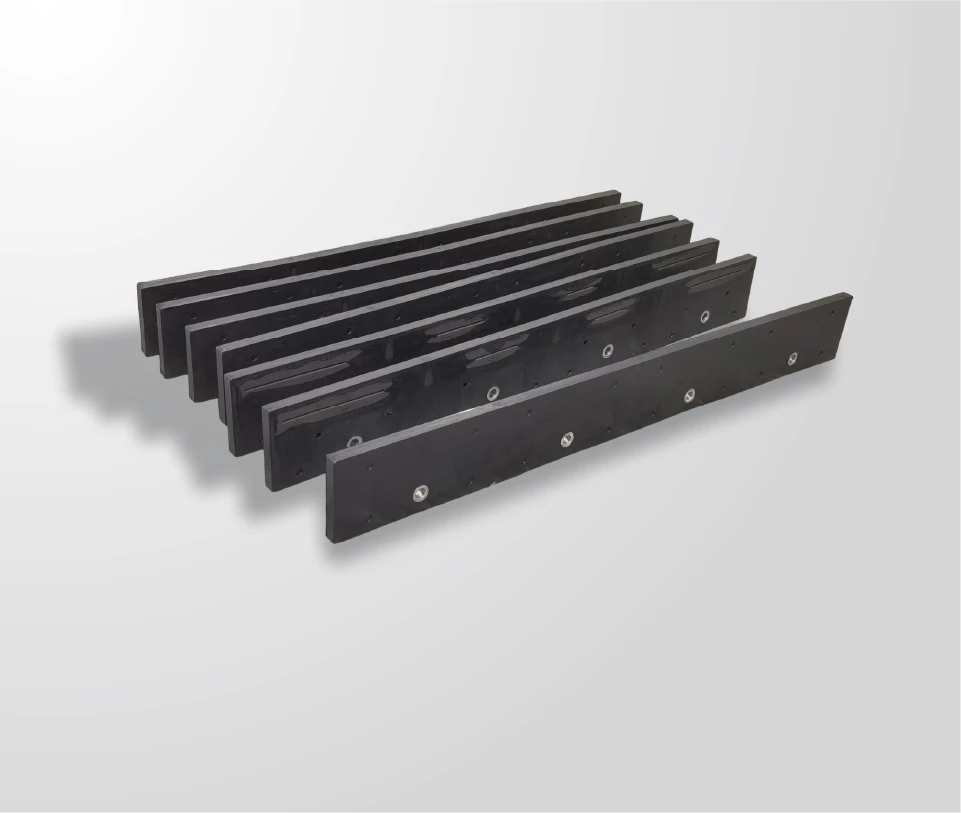
High-chrome white iron is a cast material: hard chromium carbides form in a ferrous matrix during casting, and the result resists sliding abrasion well while being producible in substantial sections and complex shapes. It is supplied as a finished cast item such as a chute liner, a mill liner or an apron plate, bolted or clamped in place.
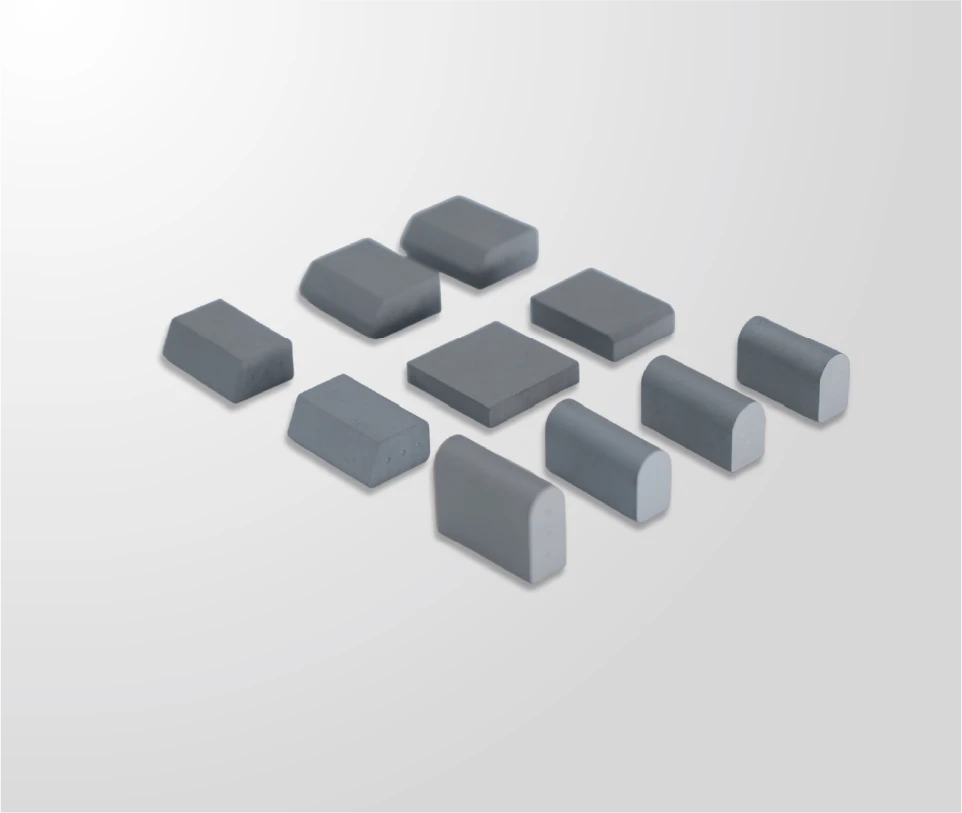
Tungsten carbide is a sintered composite rather than a casting. Hard tungsten carbide grains are held in a metallic binder, pressed and sintered to a near-final shape, and the material is used as a wear element: inserts, rods, tiles or buttons attached to a steel or cast body that supplies the structural strength. The cobalt binder is a supply input in its own right, and the Cobalt Institute publishes background on its sources and uses.
A cast chrome item is a load-bearing wear surface in one piece; a carbide item is a hard working element carried by something else.
Wear Mechanisms They Resist
Wear is not a single phenomenon, and the two materials are not equally good at all of it.
Sliding abrasion is a hard, angular particle dragging across a surface. Both materials resist it, and the mechanism rewards hardness plus a microstructure of hard phases in a supporting matrix. High-chrome white iron performs well here because its chromium carbides interrupt the abrasive action, and it can be cast in thick sections so the wear allowance lasts. The materials reference published by ASM International covers wear mechanisms and wear-resistant metallurgy in comparable terms, which helps when comparing a cast grade with a sintered one.
High-stress grinding abrasion is more severe: particles are crushed against the surface under load, which punishes a material that cannot deform. This is where cemented carbide has the advantage, because its hardness sits far above that of any ferrous wear material. Grade data published by producers such as Hyperion Materials & Technologies states hardness in HRA together with grain size, and those two figures describe the balance between abrasion resistance and toughness.
Impact and gouging reverse the comparison. A brittle material struck by a large lump can crack or spall however hard it is, and cast chrome liners are exposed to that in a load zone. Cemented carbide used as a thin tile is exposed in the same way, while a chunky insert carried in a steel body is far more tolerant. Both materials are therefore protected by geometry: a dead bed, a resilient backing, or an arrangement that keeps direct impact off hard material.
| Point | High-chrome white iron | Tungsten carbide |
|---|---|---|
| Form supplied | Cast items in sections and shapes | Sintered inserts, rods, tiles and buttons |
| Sliding abrasion | Good, and section thickness adds life | Highest of the two in concentrated areas |
| Impact tolerance | Limited by brittleness | Limited in thin elements, better in chunky inserts |
| Structure | Self-supporting wear surface | Needs a steel or cast body behind it |
| Repair route | Usually replacement | Element replacement or rebuild of the carrier |
Impact and Thermal Limits
Temperature is the limit that catches people out, because the working hardness of a wear material is not fixed: it depends on how hot the surface runs.
Cemented carbide keeps its hardness to elevated temperatures far better than steel, which is why it is used on cutting tools, but the assembly is usually the limiting factor rather than the carbide itself. A carbide element is attached to its body by brazing or welding, and the filler metal sets a practical ceiling. Filler metal data and joining procedures are documented through the American Welding Society, and it is worth asking what the joint can take before specifying carbide for a hot application.
Cast white iron behaves differently. It retains hardness at temperature but is brittle at ambient and tolerates thermal shock poorly, so a liner seeing alternating hot and cold material risks cracking. Where a surface runs hot, the practical options are to move the wear metal away from the hot face, use a heavier section, or change the geometry so the hot material does not impinge directly.
Impact limits follow the same logic. Both materials are hard and unforgiving of point loading, so the design question is how the load is spread. Thick sections and heavy backing spread it; a thin hard surface over a soft body concentrates it.
How Each Fails and How It Is Repaired
Chrome cracks, carbide chips, and both are replaced.
Cast chrome liners generally crack or spall under impact and are replaced as castings, while carbide elements chip, break their joint or wear through and are replaced or rebuilt on the carrier.
Failure in cast white iron usually begins at a defect or an edge: a crack propagating from an impact site, spalling at a corner where the section is thin, or loss of support as the liner wears and the bolt heads become exposed. Because white iron is not a material that can be welded back into service in the field, repair means replacing the item, with the wear pattern recorded so the next liner can be specified differently.
Carbide elements fail in a different sequence. A tile or insert chips at a corner under point impact, breaks its joint when the backing flexes, or simply wears until the section is gone and the carrier starts wearing instead. Element replacement is possible where the carrier is sound and the fixing accessible, which makes carbide a maintainable option on a large item; where the joint has failed, the carrier surface is usually re-machined before a new element is fitted.
Where welding repair is part of the plan, wear protection practice and the available overlay and lining approaches are reviewed in the resources published by AMPP, which is a useful starting point before treating a hardfaced overlay as equivalent to a replaceable liner.
Fitment and Fabrication Constraints
Fabrication is where a specification meets a workshop, and the two materials impose different constraints.
A cast chrome liner is a finished item, arriving with mounting holes cast and machined, and a plant can generally fit it with the fasteners the drawing specifies. The constraint is that the pattern is fixed at the foundry, so a change to the chute means a new pattern, and field cutting or drilling of a thick cast item is not a workshop operation.
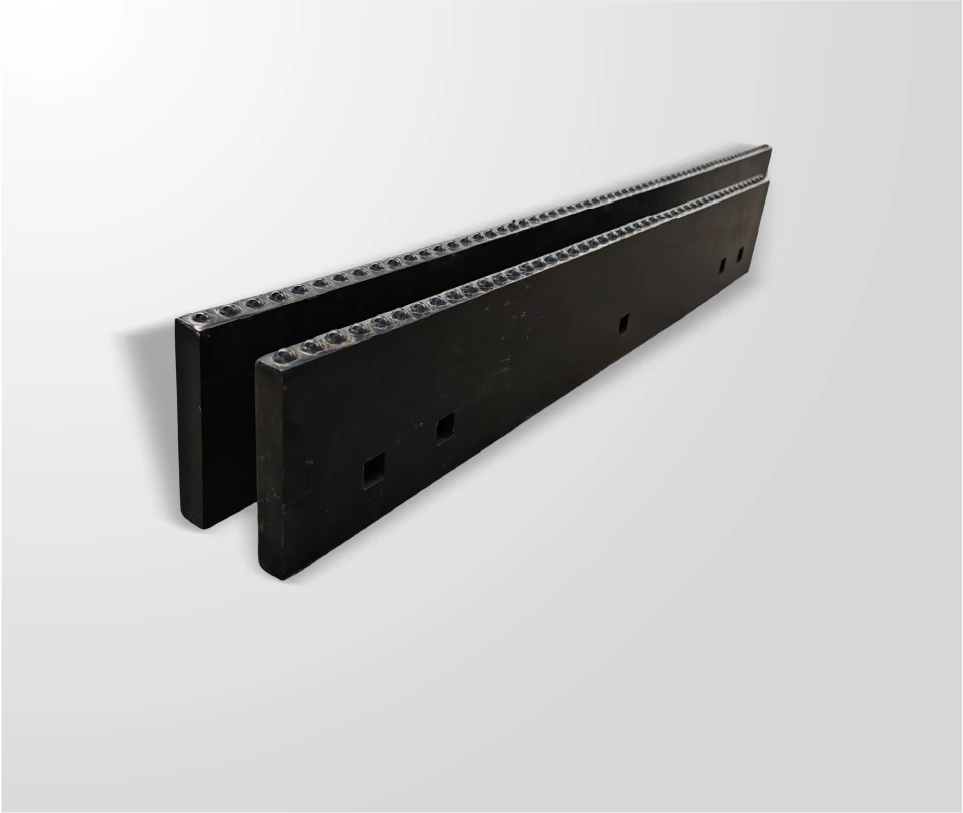
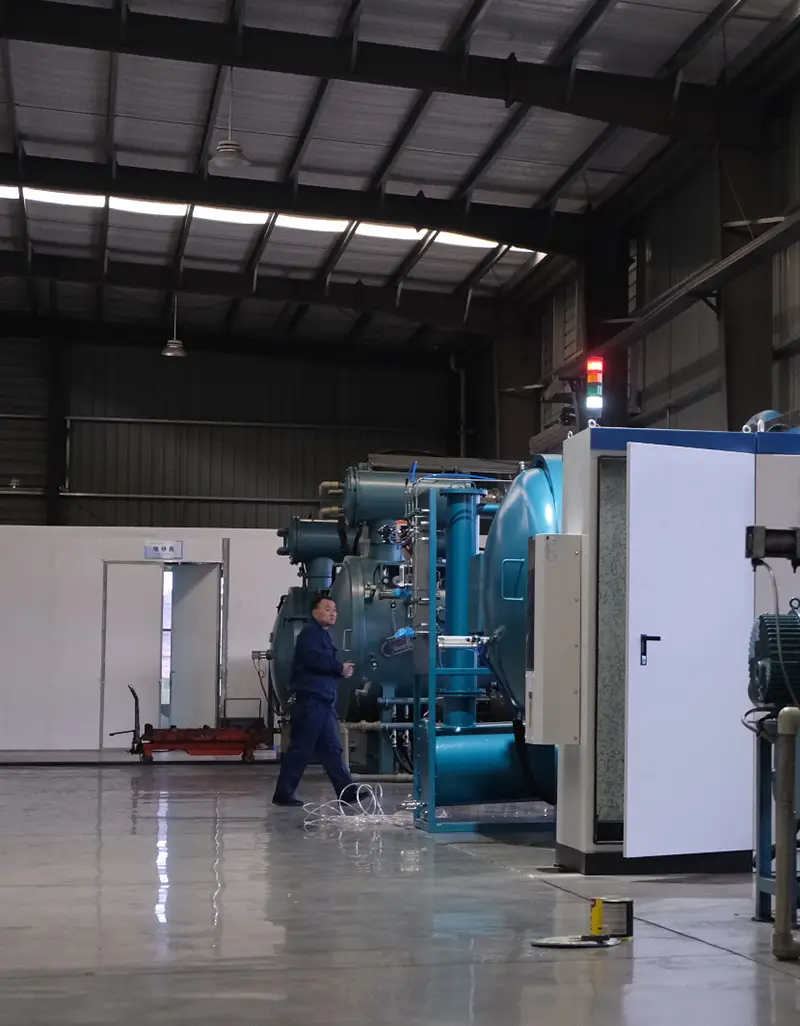
A carbide solution is more flexible and more demanding at once. Elements are small and can be arranged to cover a wear patch precisely, which suits confined zones and retrofit work, but every element needs a body behind it and a joint that holds under load. That means a preparation step: the carrier is cleaned and machined, the joint is made under controlled conditions, and the geometry is checked. In SENTHAI’s process chain, inserts are attached to steel bodies by automated high-temperature induction brazing with a controlled annealing step, and machine insert pockets are held to a tolerance of plus or minus 0.02 mm,.
For a plant standardising across many items, the practical distinction is that cast items are pattern-driven and carbide elements are drawing-driven. Both work, and the choice should follow how many items are involved and how often the geometry changes.
Cost Per Tonne Compared
Unit price is the least informative number in this comparison, because the two materials are consumed at different rates and attached in different ways.
A fair comparison uses cost per tonne processed, built from the purchase price of the wear item, the labour and stop time to change it, the frequency of change, and any effect on throughput. Cast chrome usually wins on unit price and on simplicity of change. Carbide usually loses on unit price and wins on interval, particularly where wear is concentrated: replacing a set of inserts on a load-bearing body is a shorter job than replacing a large casting, and the body survives several element cycles.
The comparison also depends on how material is consumed. Where a whole surface wears evenly, a large cast liner with a generous section is efficient because the wear allowance is distributed across the area. Where wear concentrates at a lip, a corner or a patch, carbide covers the affected zone without lining the entire surface, and that is where its cost per tonne usually justifies itself.
Choosing by Wear Mechanism
The selection rule that survives is short: identify the mechanism that dominates at that point, pick the material that resists it, then design the geometry so the material is not asked to do something it cannot.
- Even sliding abrasion over a large surface: cast high-chrome white iron in a section sized for the replacement interval.
- Concentrated wear at a lip, corner or patch: cemented carbide elements on a sound carrier.
- High-stress grinding under load: carbide, with the carrier designed to spread the load.
- Direct impact from large lumps: neither hard material at the point of impact; use a dead bed and place hard wear material downstream.
- Hot surfaces: check the joint and the carrier before the carbide grade, because the limit is usually the assembly.
The data that makes this decidable is a wear rate per zone, taken from measurement, plus a record of how each item failed. Test methods published by ASTM are the reference for checking that a claimed hardness or abrasion figure came from a recognised method, and the tungsten industry’s application overview from the International Tungsten Industry Association is a useful reference for where cemented carbide is used and why.
The comparison comes down to the wear mechanism at the point in question, and the two materials divide cleanly along it. Cast high-chrome white iron is a self-supporting wear surface for large areas of sliding abrasion, replaced as an item when it cracks or wears out. Cemented carbide is a hard working element for concentrated wear, carried by a body that supplies the strength and attached by a joint that must be made properly. Impact is the mechanism neither tolerates well, so geometry protects both, and cost per tonne measured on the same duty decides placement rather than unit price. That is how high chrome versus carbide stops being a preference and becomes a specification.
Send SENTHAI the wear drawings or photographs of the failed item, the zone it came from and the feed conditions at that point, and the technical team will review the material choice, element geometry, carrier preparation and joint for that application.
Related reading: how wear protection choices fit a plant-wide consumable plan is set out in wear parts beyond plows.
Frequently Asked Questions
Is chrome harder than tungsten carbide?
No. High-chrome white iron takes its wear resistance from hard chromium carbides formed in a ferrous matrix during casting, while cemented carbide is a sintered composite of tungsten carbide grains held in a binder, and carbide grades are harder overall. The useful question is not which is harder but which resists the mechanism at that point. Chrome white iron holds its own under sliding abrasion across a large surface, while carbide wins where wear is concentrated.
What kind of material is cemented carbide?
It is a composite rather than a metal or a conventional ceramic. Hard tungsten carbide grains are held together by a metallic binder, usually cobalt, and the mixture is pressed and sintered into a near-final shape. Grain size and binder content set the balance between abrasion resistance and toughness, and both are stated in a grade data sheet alongside hardness in HRA, which is what makes the grade specifiable rather than approximate.
Can a high-chrome liner be welded or repaired in the field?
Cast wear items are generally replaced rather than welded back into service, because the same hard structure that resists abrasion makes a sound field weld difficult to achieve. The practical route is to record the wear pattern and the failure mode, then specify the replacement differently if the item did not last. Where hardfacing or joining is part of the plan, filler metal selection and procedure guidance comes from the welding industry’s published technical material.
Which material should be used where lumps impact the surface?
Neither hard material should sit directly in the impact path. Cast white iron can crack under a heavy lump and a thin carbide element can chip or lose its joint, so the usual design answer is a sacrificial dead bed or a resilient lining at the impact point, with hard wear material placed downstream where the flow has settled into sliding contact. Geometry protects hard materials far better than a grade change does.
What are the ordering terms for a wear material package?
A package is quoted against the drawing or sample for each item, the material definition, the quantity required and the inspection level. Batch quantity, lead time, packing and delivery terms are agreed per order and are stated in the written quotation or order documents. Grade data and batch identification are confirmed with the quotation so the delivery can be verified on receipt against the specification the plant ordered from.
{
“@context”: “https://schema.org”,
“@type”: “FAQPage”,
“mainEntity”: [
{
“@type”: “Question”,
“name”: “Is chrome harder than tungsten carbide?”,
“acceptedAnswer”: {
“@type”: “Answer”,
“text”: “No. High-chrome white iron takes its wear resistance from hard chromium carbides formed in a ferrous matrix during casting, while cemented carbide is a sintered composite of tungsten carbide grains held in a binder, and carbide grades are harder overall. The useful question is not which is harder but which resists the mechanism at that point. Chrome white iron holds its own under sliding abrasion across a large surface, while carbide wins where wear is concentrated.”
}
},
{
“@type”: “Question”,
“name”: “What kind of material is cemented carbide?”,
“acceptedAnswer”: {
“@type”: “Answer”,
“text”: “It is a composite rather than a metal or a conventional ceramic. Hard tungsten carbide grains are held together by a metallic binder, usually cobalt, and the mixture is pressed and sintered into a near-final shape. Grain size and binder content set the balance between abrasion resistance and toughness, and both are stated in a grade data sheet alongside hardness in HRA, which is what makes the grade specifiable rather than approximate.”
}
},
{
“@type”: “Question”,
“name”: “Can a high-chrome liner be welded or repaired in the field?”,
“acceptedAnswer”: {
“@type”: “Answer”,
“text”: “Cast wear items are generally replaced rather than welded back into service, because the same hard structure that resists abrasion makes a sound field weld difficult to achieve. The practical route is to record the wear pattern and the failure mode, then specify the replacement differently if the item did not last. Where hardfacing or joining is part of the plan, filler metal selection and procedure guidance comes from the welding industry’s published technical material.”
}
},
{
“@type”: “Question”,
“name”: “Which material should be used where lumps impact the surface?”,
“acceptedAnswer”: {
“@type”: “Answer”,
“text”: “Neither hard material should sit directly in the impact path. Cast white iron can crack under a heavy lump and a thin carbide element can chip or lose its joint, so the usual design answer is a sacrificial dead bed or a resilient lining at the impact point, with hard wear material placed downstream where the flow has settled into sliding contact. Geometry protects hard materials far better than a grade change does.”
}
},
{
“@type”: “Question”,
“name”: “What are the ordering terms for a wear material package?”,
“acceptedAnswer”: {
“@type”: “Answer”,
“text”: “A package is quoted against the drawing or sample for each item, the material definition, the quantity required and the inspection level. Batch quantity, lead time, packing and delivery terms are agreed per order and are stated in the written quotation or order documents. Grade data and batch identification are confirmed with the quotation so the delivery can be verified on receipt against the specification the plant ordered from.”
}
}
]
}
Related articles
 Mining Wear Parts Programme: Standardising Across a PlantMining, aggregate and crusher wear parts
 Chute and Transfer Point Wear Liners for Hard RockMining, aggregate and crusher wear parts
 Screen Media Wear: Wire, Polyurethane and Rubber ComparedMining, aggregate and crusher wear parts
 Crusher Wear Parts Supplier Evaluation: The Documentation SetMining, aggregate and crusher wear parts