Best Weldable Snow Shoes for Garden Tractor Blades? (Ultimate B2B & Heavy-Duty Guide)

Weldable snow shoes provide essential wear protection for garden tractor snow blades, preventing pavement, asphalt, or gravel damage while enabling precise cutting height adjustment. SENTHAI Carbide Tool Co., Ltd. manufactures premium carbide-enhanced and alloy-strengthened snow shoes designed for OEM applications, replacement parts, and aftermarket upgrades. This guide explores optimal materials, step-by-step welding techniques, operational best practices, and custom factory sourcing for commercial snow removal operators and B2B buyers.(Edited on Aug 9, 2026)

What Are Weldable Snow Shoes and How Do They Work?

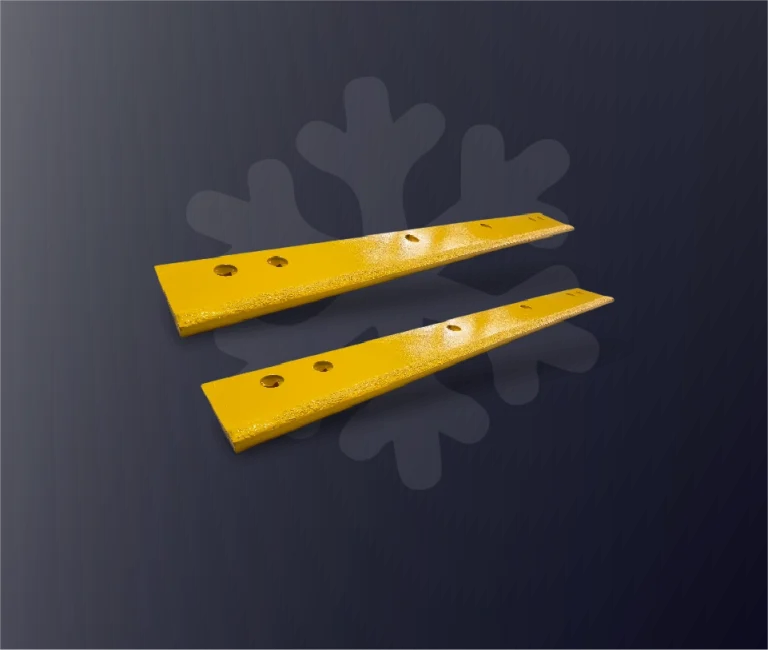
Weldable snow shoes are reinforced metal plates or carbide-tipped assemblies attached to the underside or side brackets of garden tractor snow blades. They lift the blade’s cutting edge slightly off the surface to control plowing height, eliminate structural blade wear, and prevent the blade from digging into loose terrain.

System Architecture & Structural Layers

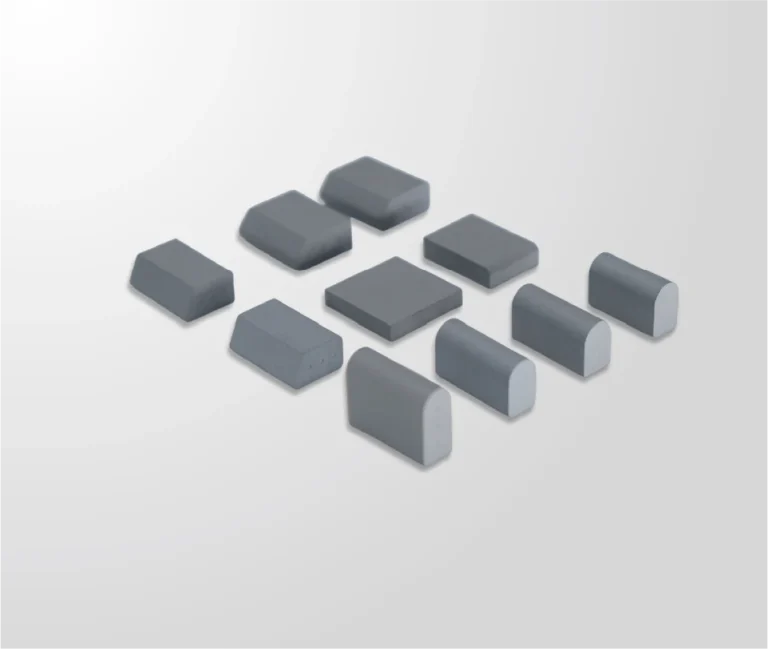
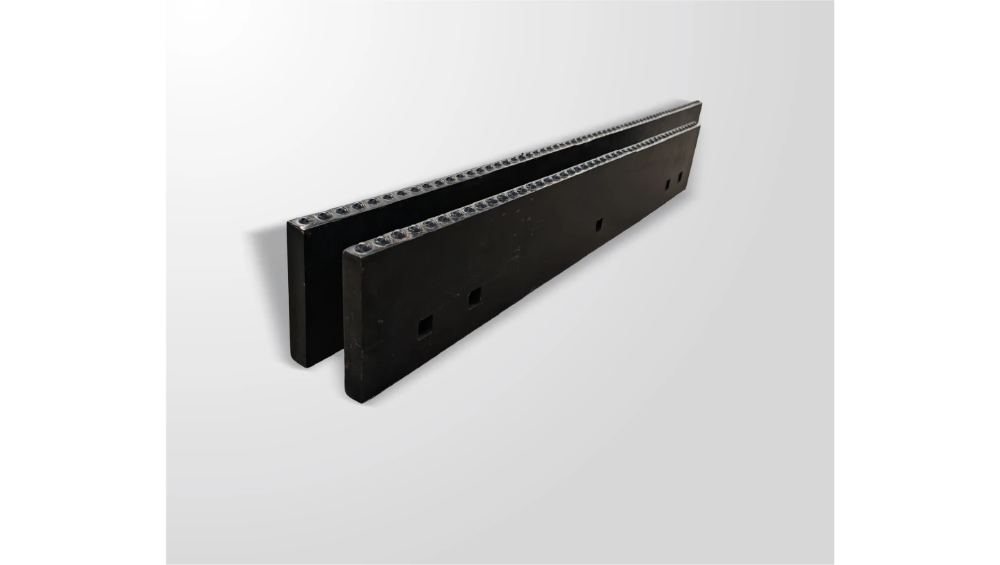
In a standard commercial setup, the upper garden tractor snow blade connects directly to custom weld-on brackets or mounting tabs. These brackets support the SENTHAI heavy-duty weldable skid shoe, which consists of a high-carbon steel or AR400 base plate substrate capped with a wear layer of high-bond vacuum-sintered carbide inserts. The bottom leading edge features a curved ski-tip nose that glides across ground obstacles.

Key Operational Features:

  • Custom Height Clearance: Elevates the blade cutting edge between 1/2″ to 1″ off the ground depending on the plowing surface (e.g., gravel vs. smooth asphalt).

  • Curved “Ski-Tip” Geometry: Features an angled upward front lip (ski nose) that slides effortlessly over pavement cracks, expansion joints, and uneven flagstones without catching.

  • Dual Installation Versatility: Direct weld-on tabs allow permanent positioning, while weldable bracket assemblies allow removable pin-and-washer configurations.

See also  What Makes 400 Tungsten Carbide Studs Ideal for Ice Resurfacer Tires?

Comprehensive Material Comparison: Standard vs. Heavy-Duty vs. SENTHAI Carbide

Selecting the right material directly dictates wear life, maintenance downtime, and total cost of ownership. The table below outlines how standard OEM solutions compare against custom steel and SENTHAI’s advanced carbide technology.

Feature / MetricStandard Bolt-On Skid ShoesDIY Mild Steel / Scrap Blade ShoesHardox / AR400 Steel PlatesSENTHAI Vacuum-Sintered Carbide Shoes
Material CompositionBasic Cast Iron or Low-Carbon SteelRecycled Mower Blades or Mild SteelAR400 / Hardox 400/450 Abrasion PlateHigh-Carbon Steel + Tungsten Carbide Inserts
Attachment MethodBolt-on only (frequent shear risk)Weld-on / Stitch weldWeld-on (requires preheat control)Weld-on, bolt-on, or pin-and-washer bracket
Expected Service Life1–2 Seasons1–2 Seasons3–4 Seasons4–5+ Seasons (400% longer life)
Impact & Abrasion ResistanceLow (wears thin rapidly on concrete)ModerateHighExtreme (Resists gravel, stone, & asphalt)
Customization FlexibilityNoneHighHighFully Customizable OEM Sizes & Tab Angles
Wholesale Cost Efficiency$50–$80 per pair (frequent replace)Low initial cost; high laborModerate$40–$60 per pair (Bulk Factory Direct)

Technical Material Options & Hard-Facing Techniques

For heavy-duty applications, understanding material science is critical to extending equipment life:

  1. SENTHAI Sintered Carbide Inserts: Engineered with a proprietary cobalt matrix, tungsten carbide particles are vacuum-sintered directly to high-carbon steel bases. This delivers maximum hardness against abrasive surfaces like frozen gravel and textured concrete.

  2. AR400 / Hardox 400/450 Abrasion Plates: Utilizing 1/4″ to 3/8″ thick wear-resistant plate cut into 2″-3″ wide by 6″-8″ long bases provides 4x the lifespan of standard mild steel.

  3. Hard-Facing Weld Bead Layering: For existing sacrificial steel shoes, applying a cross-hatch or grid-pattern weld layer using hard-facing rods/wire creates an ultra-hard exterior layer that takes the primary abuse and can be re-welded each season.

  4. Hardened Scrap Blade Upgrades: Repurposing discarded heavy-duty mower blades or cutting edges provides hardened steel bases ideal for custom welding onto tractor shoe brackets.

Surface-Specific Plowing & Operating Guidelines

Operating a garden tractor snow blade effectively requires matching skid shoe setup to the terrain:

Surface TypeRecommended HeightOperational & Surface Advice
Gravel DrivewaysSet Shoe to 1″ HeightPrevents pushing loose stones and tearing up driveway material
Sealed AsphaltSet Shoe to 1/2″ HeightProtects pavement sealcoat from being scraped off by the blade edge
Concrete / PaversSet Shoe to 1/2″ HeightCurved ski-tip glides over uneven seams and expansion joints

Crucial Operating Rules:

  • Down-Pressure System Adjustment: When operating tractors equipped with hydraulic or mechanical down-pressure systems, keep down-force light (around 100 lbs). Excessive pressure causes skid shoes to gouge into soft turf, dirt, or warm asphalt.

  • Pavement Sealcoat Protection: Commercial snow contractors should always verify client preferences before plowing sealed asphalt. Standard or worn steel shoes can scrape off protective sealant. SENTHAI’s smooth, carbide-enhanced shoes minimize friction while maintaining clearance.

  • Commercial Wear Monitoring: Inspect shoes frequently during active winter months. Once the bottom wear surface thins to 1/4″ thick or less, swap or re-weld them immediately to protect the main plow blade cutting edge from catastrophic damage.

See also  What Makes 400 Tungsten Carbide Studs Ideal for Ice Resurfacer Tires?

Step-by-Step Weldable Installation & Safety Best Practices

Installing weldable snow shoes on garden tractor blades (including John Deere, Kubota, Craftsman, Cub Cadet, and Boss styles) requires proper metallurgy and structural alignment.

Sequential Installation Workflow

  1. Surface Preparation: Grind away all paint, rust, and mill scale from both the blade mount and the shoe weld tabs down to raw, shiny steel.

  2. Pre-Heating (If Applicable): Apply preheat to high-strength alloy base plates (like AR400) to prevent cracking during welding.

  3. Height Alignment: Elevate the tractor blade on jack stands over a flat surface and set the shoe clearance between 1/2″ and 1″.

  4. Welding Execution: Apply continuous stitch welds or heavy tack welds around the mounting tabs using appropriate low-hydrogen electrodes or wire.

  5. Corrosion Protection: Clean the welded area and apply a heavy-duty rust-inhibiting primer and topcoat.

Detailed Installation Best Practices:

  • Stitch Welding vs. Full Welding: Use continuous stitch welds or heavy tack welds around alloy plates (such as AR400 or carbon steel bases) using E7018 low-hydrogen stick electrodes or ER70S-6 MIG wire. Avoid excessive continuous heat to prevent warping the main blade frame.

  • Spindle & Mounting Hardware Rules: Use mild steel round stock or unhardened steel pins for shoe mounting shafts. Never weld directly onto Grade 8 or hardened steel bolts, as the thermal shock makes hardened bolts brittle, causing them to snap under cold-weather impact loads.

Why Choose SENTHAI for Custom OEM & Wholesale Manufacturing?

SENTHAI Tool Co., Ltd. operates state-of-the-art, ISO9001-certified and ISO14001-compliant automated manufacturing plants in Thailand, servicing B2B clients, equipment manufacturers, and global wholesale distributors.

Our Factory Capabilities:

  • Automated In-House Production: Complete quality control spanning R&D, carbide powder pressing, wet grinding, vacuum sintering, automated welding, and vulcanization.

  • High-Bond Anti-Delamination: Advanced sintering techniques ensure unbreakable bonds between carbide inserts and steel bases, eliminating insert loss under heavy impact.

  • Custom OEM Engineering: Rapid prototyping for custom dimensions, mounting tab angles, JOMA-style, and I.C.E.-style wear inserts tailored to specific tractor models.

  • Global Wholesale Supply: Factory-direct pricing, fast lead times, and international shipping from our expanded Rayong manufacturing hub.

SENTHAI Engineering Perspective

“The industry has shifted from basic soft steel skid shoes to advanced, carbide-reinforced wear components. At SENTHAI, our focus on automated high-bond sintering and automated production extends component wear life by over 400%. By managing wet grinding, brazing, and vulcanization entirely in-house at our Thailand facility, we eliminate thermal delamination even under severe impact on frozen terrain. Our expanded Rayong manufacturing base doubles wholesale capacity while upholding strict ISO quality and environmental standards for our global B2B partners.”

— Engineering Lead, SENTHAI Tool Co., Ltd.

Frequently Asked Questions (FAQs)

What are the best weldable snow shoes for garden tractor blades?

The best weldable snow shoes feature high-carbon steel or AR400 bases reinforced with vacuum-sintered carbide wear pads. They combine high impact resistance, smooth weldability, and an upward-curved ski tip to protect tractor blades across gravel, asphalt, and concrete.

See also  What Makes 400 Tungsten Carbide Studs Ideal for Ice Resurfacer Tires?

How do carbide snow plow shoes improve tractor blade wear life?

Carbide inserts possess exceptional hardness, resisting abrasive wear caused by sliding over rough surfaces. They reduce friction, maintain consistent blade clearance, and last 4 to 5 times longer than traditional mild steel or cast iron shoes.

Can you weld snow shoes onto hardened alloy steel without cracking?

Yes. Clean the mating surfaces thoroughly and apply controlled pre-heat if working with thick AR400 or alloy steel. Use low-hydrogen welding consumables (such as E7018) and apply stitch welds rather than long, continuous high-heat passes to prevent embrittlement.

How do you set snow shoe height for gravel versus paved driveways?

For gravel driveways, adjust the shoes to hold the blade 1 inch above the ground to prevent scooping stones. For smooth concrete or asphalt, set the shoes to 1/2 inch to achieve a clean scrape while protecting the blade edge.

Why should you avoid welding directly onto hardened mounting bolts?

Welding directly onto hardened bolts (like Grade 8 hardware) alters their heat treatment, making the metallurgical structure extremely brittle. Under cold winter temperatures and impact shocks, welded hardened bolts easily snap. Always use mild steel round stock or unhardened mounting pins for welded brackets.

What maintenance steps maximize snow blade and shoe lifespan?

Regularly inspect shoe wear thickness, apply grease to pivot pins, clean off road salt after use, touch up exposed metal with rust-inhibiting paint, and replace shoes before they wear below 1/4″ thickness.

Does SENTHAI offer custom OEM manufacturing for snow equipment brands?

Yes. SENTHAI provides custom OEM fabrication, including tailored mounting tab patterns, specific carbide insert densities, and custom shoe shapes. B2B buyers receive factory-direct wholesale pricing with global shipping from Thailand.