




JOMA Versus Carbide Edge Types: Choosing by Application
JOMA versus carbide edge types compared by application: surface fit, wear pattern, machine load, fitment and the cost per metre inputs that decide it.
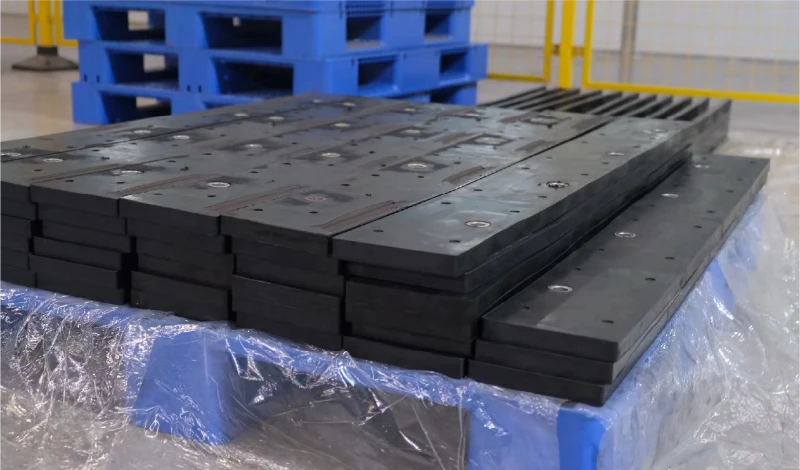
The argument between a flexible blade and a full carbide edge is usually settled by the wrong variable. Fleets compare purchase price or ask which one lasts longer, when the useful question is which one suits the surface the truck actually works. A flexible segmented blade and a carbide edge solve different problems, and on most networks the right answer differs between truck groups rather than across the whole fleet.
JOMA Versus Carbide Edge Types: What Each Is Designed For
Flex follows rough ground; carbide holds a cutting line.
A JOMA style flexible blade follows an uneven surface, deflecting over variation and returning to position. A full carbide edge holds a defined cutting line under abrasive load.
The design intents are complementary rather than competing. Flexibility buys contact on surfaces whose profile changes constantly, and it absorbs part of the shock that a rigid edge would pass into the plow. Carbide buys wear resistance where the surface is consistent and abrasive, and it holds a scraping geometry that stays close to the original shape for longer.
That is why fleets with mixed networks often run both. The decision then becomes an allocation: which routes present enough surface variation to justify flexibility, and which present enough abrasion to justify carbide. The blade selection guide covers how surface and carrier characteristics map to edge type, and both product families are described in the JOMA style and carbide snow plow blade ranges.
How the Two Types Differ in Service Life
They retire for different reasons.
A flexible blade usually retires from accumulated abrasive wear on the segment; a carbide edge retires when the reserve behind the cutting edge is consumed.
Those different retirement reasons suit different inspection routines. A carbide edge can be assessed by measuring remaining material at fixed points, because the working geometry stays recognisable. A flexible segment deflects under load and changes shape as it works, so a visual check tells the operator less and measurement becomes the primary method. Fleets that inspect flexible segments the way they inspect rigid edges usually discover wear later than they intended.
Shock tolerance differs as well. A flexible segment absorbs impact locally, which reduces the peak load reaching the trip mechanism and mountings on routes with obstructions. A rigid carbide edge transmits more of that shock into the machine, which is why routes with frequent embedded debris punish hardware as much as edges. Where a fleet records workshop interventions, that difference shows up in the maintenance line rather than the parts line.
Surface and Condition Differences Between Flex and Carbide
Surface consistency is the variable that separates the two most clearly. Uniform, abrasive surfaces reward the wear resistance of carbide, because the edge holds its geometry across the full working width and the material loss is predictable. Surfaces that change profile over short distances reward flexibility, because contact is maintained rather than lost and regained.
Surface hardness matters too. On unsealed gravel and dirt roads, the abrasive content is high and a flexible blade may wear faster at the contact face while still reducing machine load. Where the same truck also runs smooth pavement, the comparison becomes a compromise, and the usual resolution is to fit the option that suits the majority of the route and rotate the edge to spread exposure.
Seasonal conditions add the third case. Hard, refrozen surfaces reduce contact for both designs, and on those routes the limiting factor becomes whether the edge can establish contact at all. Where refrozen snow recurs, the appropriate response is a specification intended for that condition rather than an adjustment between flex and rigid profiles. Maintenance practice across ice-affected networks is covered in the pooled research published by Clear Roads.
Operational Trade-Offs Beyond Wear With Flexible and Carbide Edge Types
The first trade-off is inspection effort. Carbide edges can be read visually and measured at fixed points; flexible segments require measurement and a position record because the deflection hides progressive change. That difference affects how much of a supervisor’s week the inspection routine consumes, and it should be planned rather than discovered.
The second is inventory. A full carbide edge is one item per blade, while a flexible assembly is made up of segments in 3ft and 4ft lengths or custom sizes. More parts means more tracking, more racking and more opportunities for a truck to receive the wrong section. Fleets with a disciplined stores system absorb that easily; fleets without one often find the administrative cost exceeds the material saving.
The third is machine load, which is where the comparison most often changes. Routes with obstructions produce shock loads that a flexible segment partly absorbs, reducing the incidence of hardware intervention. That saving does not appear on a parts comparison, so a fleet that compares the two on purchase price and expected wear will usually underestimate the flexible option on exactly the routes where it is most useful.
A fourth trade-off is seasonal consistency. Where a truck switches between surfaces across the winter, the edge type fitted at the start of the season may be working against the surface it meets in February. Recording when each edge type was fitted and what it ran on is what allows the fleet to see whether the allocation held up, or whether a truck needed the other specification for part of the season.
Fitment and Equipment Compatibility for Flexible and Carbide Edge Types
Both edge types fit the same mounting patterns, so the pattern is not the deciding factor. What differs is the hardware set and the load path. SENTHAI validates fitment against AASHTO and DIN bolt patterns before release and works to plus or minus 0.02 mm dimensional tolerances on carbide components, with AASHTO published standards as the reference for agency specifications and DIN covering European and export conventions.
Confirm three things before ordering. The measured pattern from the blade in service, including hole diameter and centre spacing. The hardware set that suits the edge type, since bolt length and torque values can differ between a segmented flexible assembly and a full carbide edge. And the load path into the moldboard, because the two edge types distribute load differently and the mounting interface has to carry what the specification applies. Where an OEM mounting interface is involved, SAE standards for mobile machinery document the interfaces those designs were built around.
Fleets changing edge type on an existing blade should request written fitment confirmation against the drawing, rather than accepting a verbal assurance that the pattern is standard.
Cost Per Metre of Edge Compared Across Flexible and Carbide Edge Types
Cost per metre is the comparison that resolves the allocation question. The model structure is set out on the cost per mile page; between flex and carbide edges, the inputs move as follows.
| Input | JOMA style flexible blade | Full carbide edge |
|---|---|---|
| Purchase unit | Segments in 3ft or 4ft lengths, or custom sizes | One edge per blade |
| Wear mechanism | Abrasive wear on the segment, with deflection absorbed locally | Material loss at the cutting edge |
| Contact on uneven ground | Maintained by deflection | Alternates between digging in and riding high |
| Shock reaching the machine | Partly absorbed at the segment | Transmitted through the edge into the mountings |
| Inspection | Measurement plus position records | Visual reading plus measurement at fixed points |
| Inventory | More parts to track | Fewer parts, simpler records |
Two cautions belong with the table. Purchase price per unit favours whichever option happens to be cheaper on the day, which tells a fleet nothing about the routes. And a comparison that excludes machine load will systematically favour the rigid edge on obstruction-heavy routes, because the cost it avoids appears in workshop hours rather than in the stores system.
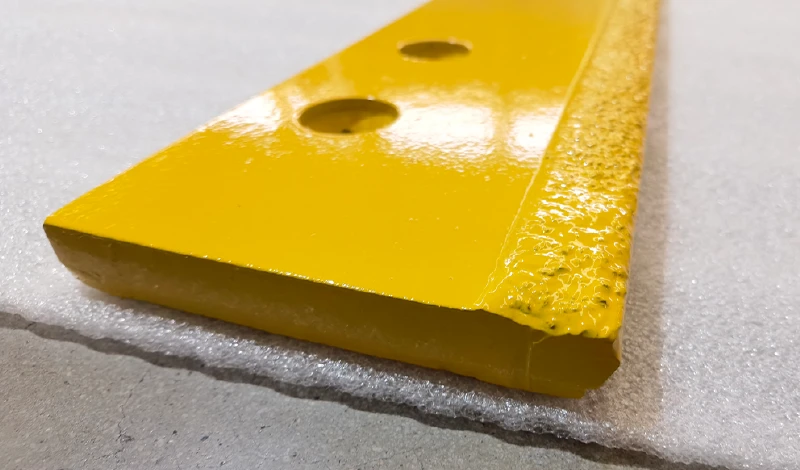
Choosing by Application Rather Than Preference
Allocation usually resolves into three groups. Routes with consistent, abrasive surfaces and heavy carriers take the carbide edge, because the wear resistance is where the value sits. Routes with uneven or unsealed surfaces and frequent obstructions take flexible segments, because contact and shock absorption are the limiting factors. Refrozen, hard-packed routes take the specification intended for that condition before either of the other two is considered.
The allocation should be reviewed on recorded evidence. Measure wear at fixed points for both edge types, log workshop interventions by task, and note the route each truck ran. After one season the comparison shows whether the allocation matched the surfaces, and the following year’s specification starts from data rather than from the previous argument.
Material background for the carbide side of the comparison is published by the International Tungsten Industry Association, and where de-icing materials are part of the programme, the regulatory context that many agencies plan against is set out in the EPA’s municipal stormwater guidance.
One practical constraint is worth naming before the allocation is finalised. Both edge types require an inventory of spares, and a fleet running two specifications carries two sets of part numbers, two hardware lists and two inspection routines. That is a manageable cost for a fleet of any size provided the records stay separate, and an unmanageable one if sections and edges are stored together without identification.
Flexible blades and full carbide edges are not competing products so much as two ways to address a surface. Flexibility maintains contact and absorbs shock; carbide resists abrasion and holds a cutting line. The limiting factor on the route decides which property the fleet is buying.
The workable sequence is to allocate by route group, confirm the pattern and hardware set for each edge type before ordering, and review after a season on measured wear and workshop records. Run that way, the choice between them stops being a preference and becomes an allocation a fleet can defend.
Send SENTHAI your route groups, plow models and measured blade patterns, and the technical team will review which edge type suits each group along with the fitment and hardware required.
Frequently Asked Questions
Is a flexible blade or a carbide edge better for a mixed fleet?
Neither is better across a mixed fleet; the allocation matters more than the choice. Group trucks by the surface they work most often, then specify the edge type that addresses the limiting factor on that surface. Keep the specifications separate in the stores system so a replacement truck receives the edge its route was specified for rather than whichever unit is closest to hand.
Does a flexible blade protect the plow from impact damage?
It absorbs part of the shock locally, which reduces the peak load reaching the trip mechanism and mountings compared with a rigid edge on the same obstruction. That is a real benefit on routes with embedded debris, but it is not a substitute for fitment and hardware in good condition. Check the mounting interface before relying on the edge type to reduce workshop time.
Can both edge types be fitted to the same plow model?
In most cases yes, because the mounting pattern is set by the equipment rather than by the edge type. What changes is the hardware set, the number of components and the load path into the moldboard. Confirm the measured pattern, the hardware list and the load path in writing before ordering, especially where the change is being made on an existing blade rather than on a new specification.
How often should the allocation between edge types be reviewed?
Once a season is usually enough, provided the review uses recorded data: measured wear at fixed points, workshop interventions by task and the route each truck ran. Routes change over time as surfaces are resurfaced, traffic patterns shift and treatment practice evolves, so an allocation that was right three seasons ago may no longer match. A single review per season keeps the specification aligned with the network.

