




High Temperature Automated Brazing for Plow Edges: Cutting Downtime and Extending Blade Life (July 2026)
High-temperature automated brazing for plow edges is transforming winter road maintenance by improving carbide-to-steel bond strength — the failure point where most premature carbide blade failures actually begin. Automated induction brazing with engineered filler…
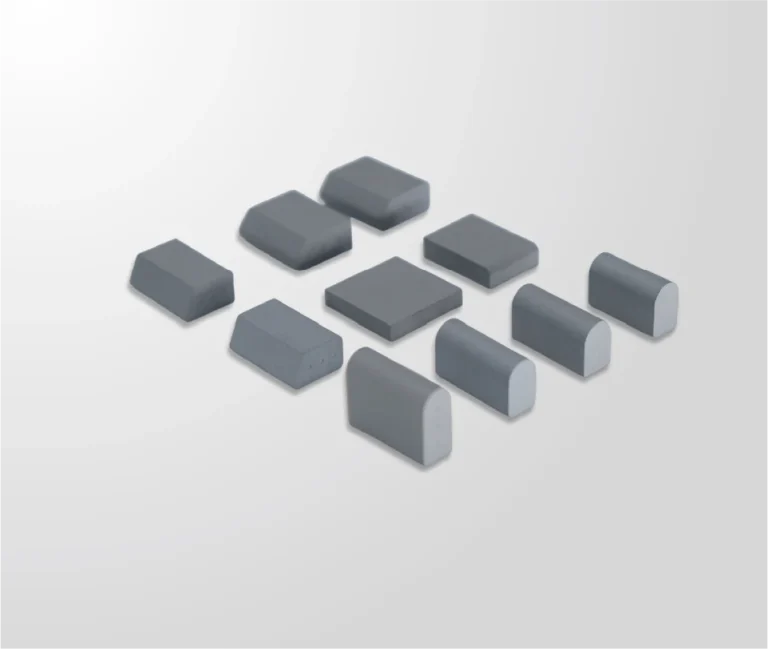
High-temperature automated brazing for plow edges is transforming winter road maintenance by improving carbide-to-steel bond strength — the failure point where most premature carbide blade failures actually begin. Automated induction brazing with engineered filler alloys and post-braze annealing delivers uniform heating, void-free alloy wetting, and repeatable bond integrity that manual torch brazing cannot match, letting inserts reach their designed wear life instead of failing early through joint cracking or insert pop-out.
(Last modified date: September 2, 2026)
Quick definition: High-temperature automated brazing for plow edges is a controlled process that uses induction heating and engineered filler alloys to bond tungsten carbide inserts to steel snow plow blades under uniform thermal profiles and documented parameters.
Key Takeaways
- Many premature carbide blade failures originate at the brazed joint, not in the carbide itself — making bond integrity the real uptime lever.
- Automated induction brazing + post-weld annealing provide uniform heating, void-free wetting, and repeatable bonds; manual torch brazing depends on operator skill and produces variable joints.
- Specify it in procurement language: automated induction brazing, documented thermal cycles, post-braze stress relief, and non-destructive testing for bond integrity.
- Blade unit prices may rise, but fleets recover the investment through longer service life and fewer emergency replacements; see what makes a snow plow cutting edge perform best.
What Is High-Temperature Automated Brazing for Plow Edges?
High-temperature automated brazing for plow edges is a controlled process that uses induction heating and engineered filler alloys to bond tungsten carbide inserts to steel snow plow blades under uniform thermal profiles and documented parameters. By precisely managing heating, alloy flow, and cooling, it creates a dense, void-free interface that resists impact, vibration, and corrosion in severe winter service. Over the past three years, field data and failure analyses have shown that many premature blade failures originate not in the carbide itself, but at the brazed joint that bonds the insert to the steel backing — which is why automated induction brazing and post-weld annealing have emerged as critical process controls for highway-rated cutting edges.
Pain Points: When Brazed Joints Become Hidden Failure Points
- Manual variability and uneven heating: traditional flame brazing depends entirely on operator skill, torch angle, and dwell time, often leading to overheated edges and under-heated central zones — degrading carbide grain structure while locking residual tensile stress into the steel backing.
- Void formation: trapped gas pockets and flux residues weaken the interface and create crack-initiation sites under repeated impact.
- Insert pop-out: weak or inconsistent bonds let carbide inserts rock or detach under load, forcing emergency blade replacement mid-storm.
See also how durable carbide picks are in high-impact ice clearing and how SENTHAI guarantees 100% virgin carbide.
High-Temperature Automated Brazing vs Alternatives
| Process | Heating control | Bond consistency | Failure risk |
|---|---|---|---|
| Manual torch brazing | Operator-dependent | Variable bond lines | Voids, residual stress, pop-out |
| Automated induction brazing + annealing | Calibrated, documented thermal profile | Repeatable, void-free wetting | Minimal; stress relieved |
Key Functions of High-Temperature Automated Brazing
- Preserves carbide and steel microstructures by avoiding overheating at the interface.
- Minimizes residual stress through controlled cooling and post-braze stress relief.
- Delivers full-surface capillary wetting, greatly reducing trapped gas pockets and flux residues.
- Produces batch-level records and non-destructive test data that procurement and QA teams can audit.
How to Specify and Implement It
- Add brazing to the specification, not just the blade: require automated induction brazing with documented thermal cycles.
- Require post-braze stress relief (annealing) for highway-rated edges.
- Ask for non-destructive testing for bond integrity and batch-level inspection records.
- For JOMA-style blades, confirm brazing is applied to the carbide-to-steel joint before rubber components are integrated.
- Run a pilot on your worst route and track insert retention, edge life, and mid-storm replacements against your current baseline.
Sources
- Kennametal Spec — Carbide Snow Plow Blade Brazing Requirements
- Winter Equipment — Carbide Snow Plow Blade Systems
- Jennmar — Snow Plow Blade Carbide Inserts
- SENTHAI — Carbide Inserts Launch
- Rettek — Wear-Resistant Carbide Tools Market Data
FAQs
Can high-temperature automated brazing really eliminate voids in the joint?
Automated induction systems use calibrated heating profiles and controlled alloy introduction to achieve full-surface capillary wetting, greatly reducing the likelihood of trapped gas pockets and flux residues compared with manual torch methods.
How does automated brazing improve carbide insert edge life compared with conventional brazing?
By preserving carbide and steel microstructures and minimizing residual stress at the interface, automated brazing allows inserts to reach their designed wear life instead of failing early due to joint cracking or insert pop-out.
Is automated brazing suitable for JOMA-style blades with rubber encasement?
Yes, as long as the brazing process is applied to the carbide-to-steel joint before rubber components are integrated; induction brazing and annealing can secure embedded segments that later function within flexible blade assemblies.
What procurement language should I use?
RFQs should explicitly reference automated induction brazing, documented thermal cycles, post-braze stress relief, and non-destructive testing for bond integrity, moving beyond generic descriptions of brazed carbide inserts.
Does automated brazing increase upfront blade costs?
Blade unit prices may be higher than steel-only or manually brazed options, but fleets typically recover the investment through longer service life, fewer emergency replacements, and lower downtime during peak winter operations.
How does SENTHAI ensure consistent quality in its brazing processes?
SENTHAI operates fully automated lines from carbide powder to final welding, using induction brazing, certified quality systems, and batch-level traceability to deliver consistent bond strength across snow plow blades, JOMA-style assemblies, packed ice kits, and carbide inserts.
Related Articles
- What Is a Snow Plow Cutting Edge and Which Ones Perform Best?
- Precision CNC Machining for Custom Wear Liners
- How Durable Are Carbide Picks in High-Impact Ice Clearing?
- How Does SENTHAI Guarantee 100% Virgin Carbide?
- Carbide Tip Brazing Process for Durable Insert Bonding
Official Resources
Related articles
 Plow Skid Shoes vs Plow Feet: What They Do and How to Set ThemCore Topics
 What Is a Packed Ice Carbide Kit? The I.C.E. Blade System ExplainedCore TopicsCost-per-Mile for Plow Blades: A KPI Buyers Can Actually UseCore Topics
 Why Carbide Blades Crack in Deep Cold: Stress Relief, Brazing, and HandlingCore Topics