
Why Carbide Prices Move: Raw Material and Energy Drivers
A tungsten carbide price increase rarely arrives as one number. It arrives as a sequence: a move in tungsten concentrate, a change in the cobalt price that forms the binder, an energy cost that…

A tungsten carbide price increase rarely arrives as one number. It arrives as a sequence: a move in tungsten concentrate, a change in the cobalt price that forms the binder, an energy cost that lands in a sintering furnace, and a freight rate that decides how much of the material is worth shipping. Buyers who can read that sequence can plan around it; buyers who only see the revised unit price cannot tell which part of it is temporary.
This article sets out where each cost driver sits in a carbide wear part, how it reaches a quotation, and what a buyer can reasonably do about it.
What the Data Shows
Drivers move before the price does.
The relevant data is tungsten and cobalt pricing, industrial energy cost and freight, because those four feed a carbide part in that order. A buyer watching only the finished part price is watching the last stage of the chain.
Tungsten pricing is reported by commodity price reporting agencies and by the industry bodies that track the material, and the applications side of that picture is published by the ITIA. The binder side, which is cobalt, is tracked by the Cobalt Institute. Reading both is more useful than reading either alone, because cemented carbide is a composite and the two materials move independently.
Energy is the driver most often missed. Vacuum and low-pressure sintering, powder preparation and high-temperature brazing are all energy-intensive steps, and industrial energy prices are published as public data by national statistical agencies and by the EIA in the United States. A buyer who has never looked at industrial electricity cost has no way to judge whether a price increase is a material move or an energy move.
There is also a currency and policy layer. Material is traded internationally, quotations are made in a major currency, and duties or export controls can add a step to delivered cost that no material index shows. That layer is administrative, and it changes on a political timetable.
What Is Driving the Change
A composite with four cost layers.
Tungsten, cobalt, energy and freight each contribute to a carbide part in a different way, and in a given year any one of them can dominate. That is why the same increase can be permanent in one case and reversible in another.
Tungsten enters as powder, and its cost reflects the concentrate and intermediate stage of the chain rather than the mine alone. Because a wear part contains a relatively large mass of carbide, material is a direct and visible share of its cost, which is why powder price moves are felt quickly in this category in a way they are not in a small machining insert.
Cobalt is the binder metal, present in every cemented carbide grade, and it is the part of the composite whose supply is most concentrated. A change in binder cost changes the cost of the whole grade rather than one component of it. Powder metallurgy suppliers track this closely, and the process route that turns powder into a dense part is documented through bodies such as the EPMA.
Energy and process cost sit on top of material. Sintering runs at high temperature under vacuum or low pressure, induction brazing adds another high-temperature step, and grinding consumes diamond tooling that is itself a significant consumable. Material properties and processing behaviour are documented in materials literature, including the reference material maintained by ASM International, and that literature is the right place to check what a grade change actually buys.
Policy adds the last layer. Where a government adjusts duties or export controls on raw and intermediate materials, the effect reaches fabricated parts as an administered cost, and the framework is published by authorities such as the USTR. A buyer negotiating a fixed schedule should therefore know whether the quoted terms include any mechanism for an administered change.
What It Means for Buyers
Plan on cost per hour, not per part.
A buyer’s strongest defence against material price movement is to buy on total cost per hour of service rather than on unit price, because wear life is the multiplier that decides how much a price move actually costs.
| Cost layer | What moves it | Where it lands in the part | What a buyer can influence |
|---|---|---|---|
| Tungsten powder | Concentrate and intermediate supply, export policy | Direct share of part cost, larger on high-carbide edges | Grade economy, part geometry, take-back of worn parts |
| Cobalt binder | Concentrated supply, substitution trends | Whole grade, particularly toughness-critical parts | Choosing a grade only as tough as the duty requires |
| Energy and process | Industrial energy prices, furnace utilisation | Sintering, brazing and grinding cost | Order consolidation that improves the supplier’s yield |
| Tooling and finishing | Diamond grinding media, finishing labour | Tolerance and surface quality cost | Specifying only the tolerances the machine needs |
| Freight and duty | Lane capacity, rates, administered duties | Delivered cost per part | Load planning, consolidation, delivery terms |
| Currency | Exchange rate between quotation and order currencies | The figure on the quotation | Agreeing the currency basis in writing |
The second defence is the maintenance strategy. Reconditioning, replaceable insert systems and better wear monitoring all reduce the quantity of carbide consumed per season, and that reduction is available without any movement in material markets. A decrease in grams of carbide consumed per lane kilometre is a more durable saving than a discount, because it repeats every season.
The third is contractual. Price validity, the basis on which a schedule can be revised and how a material move is treated are commercial questions, so the applicable terms are stated in the written quotation or order documents. Asking for them explicitly, rather than discovering them at renewal, is the difference between planning and reacting.
What It Means for Suppliers
Yield is the lever a supplier owns.
A manufacturer cannot control tungsten or cobalt prices, but it can control how much material and energy a delivered part consumes, and that is where the price conversation is actually won or lost.
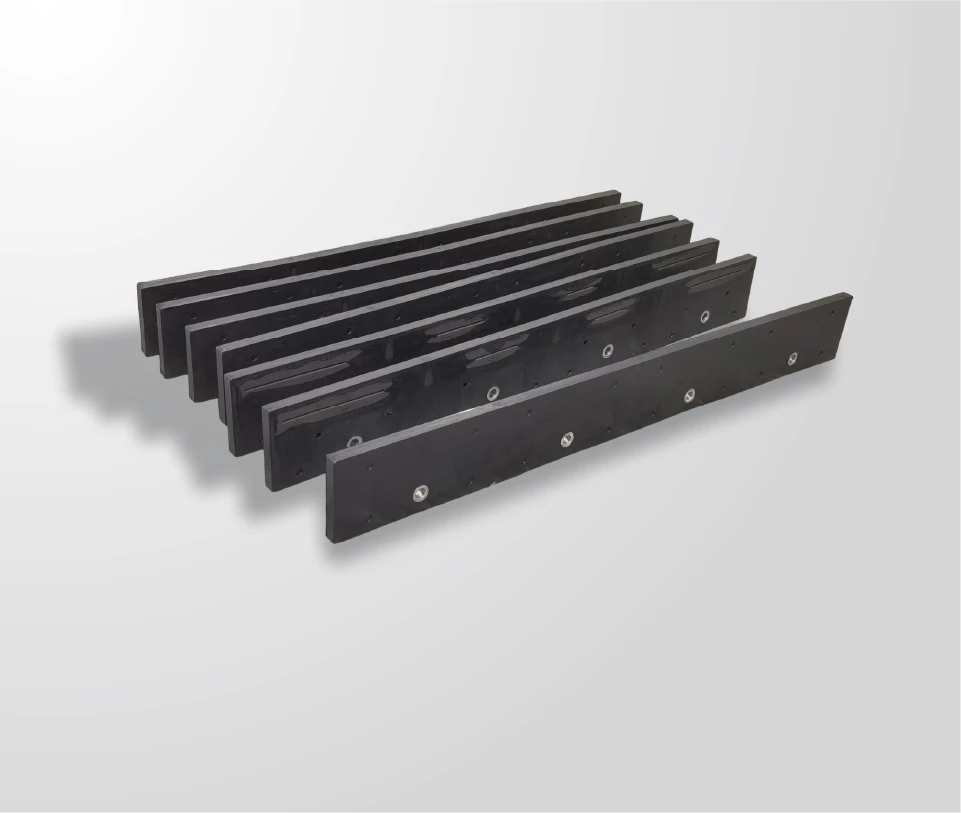
The in-house chain matters here. Wet grinding powder preparation, robotic pressing up to 500 tons, vacuum and low-pressure sintering, automated high-temperature induction brazing with annealing and finishing are steps where scrap, rework and furnace utilisation are decided. A manufacturer controlling those steps can absorb a material move by improving yield, while one buying finished parts can only pass it on.
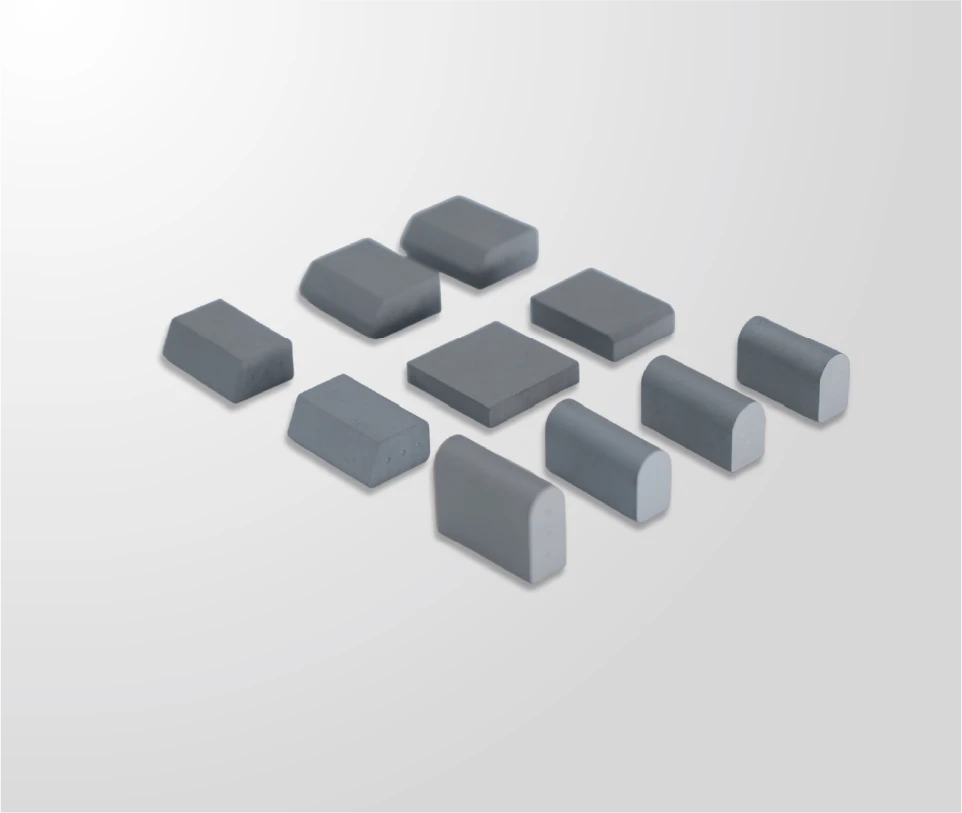
Grade selection is the second lever. Micro-grain carbide inserts in trapezoid and bullnose profiles with a documented hardness and toughness balance expressed in HRA and grain size let a supplier match the grade to the duty rather than over-specifying. Over-specifying is expensive twice: it costs more per part, and it can make the part more brittle than the application wants.
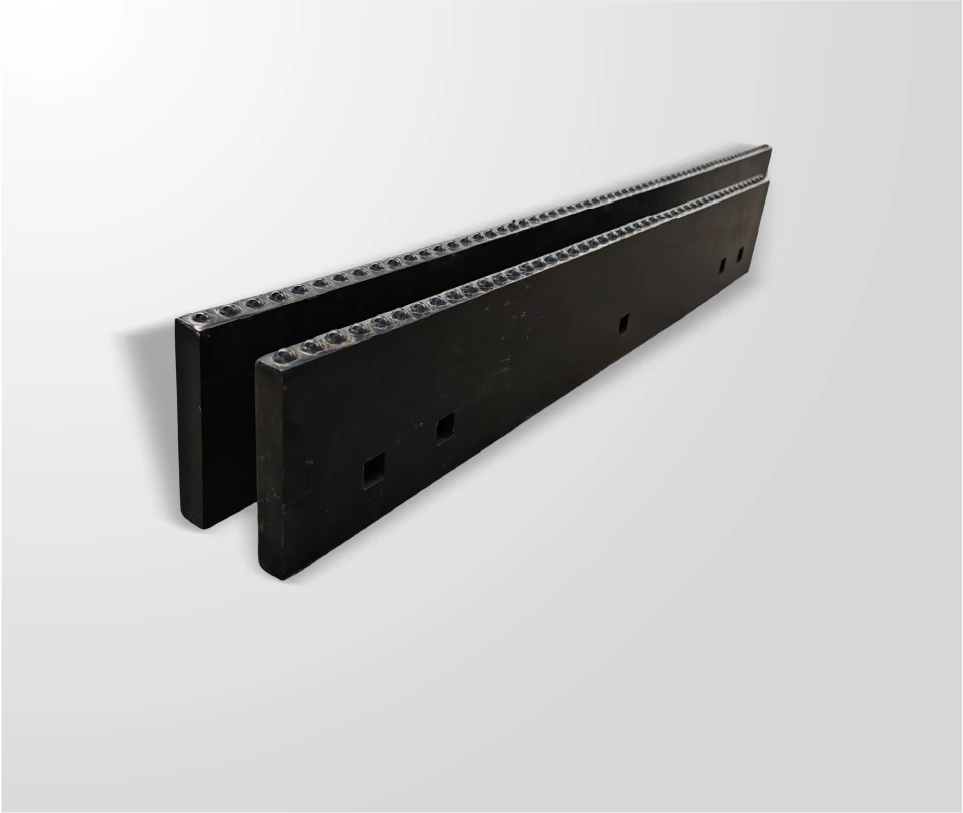
The third lever is dimensional discipline. Machine insert pockets held to ±0.02 mm and lot-level traceability reduce the cost of failure, and failure cost is invisible on a price list but very visible in annual spend.
Regional Differences
The same part carries a different cost profile depending on where it is made and where it is used, because energy prices, duties and freight lanes are regional variables rather than global ones.
Industrial energy cost varies enough between regions to change which processes a manufacturer runs in-house and how a furnace is scheduled. Buyers can check the direction of that variable from published energy data rather than from a supplier’s explanation, which is useful when a price increase is attributed to energy.
Duty and origin policy differ by market as well, so two buyers purchasing the same part from the same plant can face different delivered costs. Documentation requirements compound the difference: the customs framework in the destination country determines what has to be produced before a shipment clears.
Freight lane is the third regional factor. A heavy, low-value-per-kilogram product is unusually sensitive to container rates and route availability, and SENTHAI ships to North America, Europe, Asia and the Middle East, which is why consolidating a season’s requirements into fewer loads usually does more for landed cost than any unit price negotiation.
What to Watch Over the Next 12 Months
Watch the inputs, not the forecast.
The inputs worth tracking are tungsten and cobalt pricing from primary sources, industrial energy cost, freight rates, and any change to duty or export policy. Movements in those are observable before they appear in a finished part price.
The reason to prefer primary sources is that much public commentary about carbide pricing is recycled from the same few estimates. A supplier’s published materials, an industry body’s application data and government energy statistics give a buyer three independent inputs rather than one rumour repeated.
It is also worth watching whether a quotation’s validity period is shortening. When the validity window on a schedule narrows, that is the supplier communicating uncertainty about inputs; a buyer who notices it early can plan an order around the window instead of being surprised when the schedule is reissued.
Finally, watch the specification conversation. If a supplier starts proposing a different grade, a different profile or a differently toleranced pocket, the underlying driver is usually a material or process cost rather than a technical improvement, and a buyer who asks why will learn something useful about the price that follows. When a price schedule does have to be adjusted, the basis for the adjustment is a commercial term, stated in the written quotation or order documents.
How to Act on This
Fix the terms, plan the season.
Agree the price basis and its validity in writing, consolidate orders so the supplier can plan utilisation, and review the maintenance strategy so the volume of carbide consumed falls rather than being repriced.
The starting move is to make the commercial basis explicit: which currency, what the schedule covers, how long it is held and what happens if an administered cost changes. None of it is technical, and all of it is more useful than arguing about a figure after the fact.
The second move is operational. Consolidating a season into fewer, larger pattern runs improves a manufacturer’s yield and improves the buyer’s landed cost at the same time, and the same logic applies to any take-back or reconditioning arrangement the buyer can operate. SENTHAI’s process chain is described on the factory page and its background on the company profile, which is the material a buyer needs to judge where cost is actually being spent.
The third move is to keep the specification honest. Where a grade, profile or tolerance is more expensive than the duty requires, correcting it is a permanent saving that no market movement can take back. The relationship between raw material cost and finished cutting tool pricing is covered in more detail on the page explaining how cutting tool prices are adjusted for raw material costs.
A carbide price movement is a composite event, and the useful question is which layer moved: tungsten powder, cobalt binder, energy, tooling, freight or duty. Each has a different persistence, and only some are influenced by what a buyer does. The durable responses are structural: buy on cost per hour rather than unit price, reduce the volume of carbide consumed through reconditioning and grade selection, consolidate orders so the supplier’s yield improves, and fix the price basis and its validity in writing. Everything else is reacting to the last invoice.
Send SENTHAI the application, machine classes and annual volumes behind your wear parts programme, and the technical team will review the grade, profile and tolerance choices against the duty they actually have to survive.
Related reading: how cutting tool prices are adjusted for raw material costs and about SENTHAI.
Frequently Asked Questions
Why is tungsten carbide expensive?
The cost comes from four layers rather than one. Tungsten powder is an expensive raw material and a wear part contains a substantial mass of it; cobalt, the binder in every cemented carbide grade, comes from a concentrated supply base; sintering, brazing and grinding are energy and tooling intensive; and the whole part has to be machined to tight tolerances and inspected. A small machining insert spreads those costs over little material, while a wear part carries them in every kilogram.
What is the current price of tungsten or tungsten carbide?
SENTHAI does not publish raw material prices, and no single figure describes the market, because concentrate, intermediate and powder grades are quoted separately and move independently. Current market quotations are published by commodity price reporting agencies and tracked by industry bodies. For a purchase, the applicable price and validity are stated in the written quotation or order documents, which is the figure a buyer can actually plan against.
What is the scrap value of tungsten carbide?
Worn and broken cemented carbide has genuine recovery value because the tungsten and cobalt content can be returned to the supply chain, so scrap is a secondary source rather than waste. The value depends on the grade, the binder content, the contamination level and the prevailing market, which is why no fixed rate applies. Buyers with large volumes should treat take-back as part of the sourcing conversation rather than as a disposal question.
How much is a quantity of tungsten worth?
Tungsten is not priced as a generic commodity, so the value of any quantity depends on the form it is in, the contained metal content and the market at the time of the transaction. Concentrate, intermediate product and carbide powder each carry a different price and a different unit basis. For budgeting, the number that matters is the finished part price on a written quotation, not a metal figure converted by hand.
Can a supplier hold a carbide price for a full season?
Yes, where the price basis and the validity period are agreed in writing. A schedule typically states which currency it is quoted in, what it covers, how long it is held and how an administered change such as a duty is treated. Buyers should ask for those points explicitly before the season rather than discovering them at renewal, because the applicable terms are stated in the written quotation or order documents.
{
“@context”: “https://schema.org”,
“@type”: “FAQPage”,
“mainEntity”: [
{
“@type”: “Question”,
“name”: “Why is tungsten carbide expensive?”,
“acceptedAnswer”: {
“@type”: “Answer”,
“text”: “The cost comes from four layers rather than one. Tungsten powder is an expensive raw material and a wear part contains a substantial mass of it; cobalt, the binder in every cemented carbide grade, comes from a concentrated supply base; sintering, brazing and grinding are energy and tooling intensive; and the whole part has to be machined to tight tolerances and inspected. A small machining insert spreads those costs over little material, while a wear part carries them in every kilogram.”
}
},
{
“@type”: “Question”,
“name”: “What is the current price of tungsten or tungsten carbide?”,
“acceptedAnswer”: {
“@type”: “Answer”,
“text”: “SENTHAI does not publish raw material prices, and no single figure describes the market, because concentrate, intermediate and powder grades are quoted separately and move independently. Current market quotations are published by commodity price reporting agencies and tracked by industry bodies. For a purchase, the applicable price and validity are stated in the written quotation or order documents, which is the figure a buyer can actually plan against.”
}
},
{
“@type”: “Question”,
“name”: “What is the scrap value of tungsten carbide?”,
“acceptedAnswer”: {
“@type”: “Answer”,
“text”: “Worn and broken cemented carbide has genuine recovery value because the tungsten and cobalt content can be returned to the supply chain, so scrap is a secondary source rather than waste. The value depends on the grade, the binder content, the contamination level and the prevailing market, which is why no fixed rate applies. Buyers with large volumes should treat take-back as part of the sourcing conversation rather than as a disposal question.”
}
},
{
“@type”: “Question”,
“name”: “How much is a quantity of tungsten worth?”,
“acceptedAnswer”: {
“@type”: “Answer”,
“text”: “Tungsten is not priced as a generic commodity, so the value of any quantity depends on the form it is in, the contained metal content and the market at the time of the transaction. Concentrate, intermediate product and carbide powder each carry a different price and a different unit basis. For budgeting, the number that matters is the finished part price on a written quotation, not a metal figure converted by hand.”
}
},
{
“@type”: “Question”,
“name”: “Can a supplier hold a carbide price for a full season?”,
“acceptedAnswer”: {
“@type”: “Answer”,
“text”: “Yes, where the price basis and the validity period are agreed in writing. A schedule typically states which currency it is quoted in, what it covers, how long it is held and how an administered change such as a duty is treated. Buyers should ask for those points explicitly before the season rather than discovering them at renewal, because the applicable terms are stated in the written quotation or order documents.”
}
}
]
}
Related articles
Supply Chain Options Beyond China for Carbide Wear PartsDistributor, wholesale and supply-chain sourcing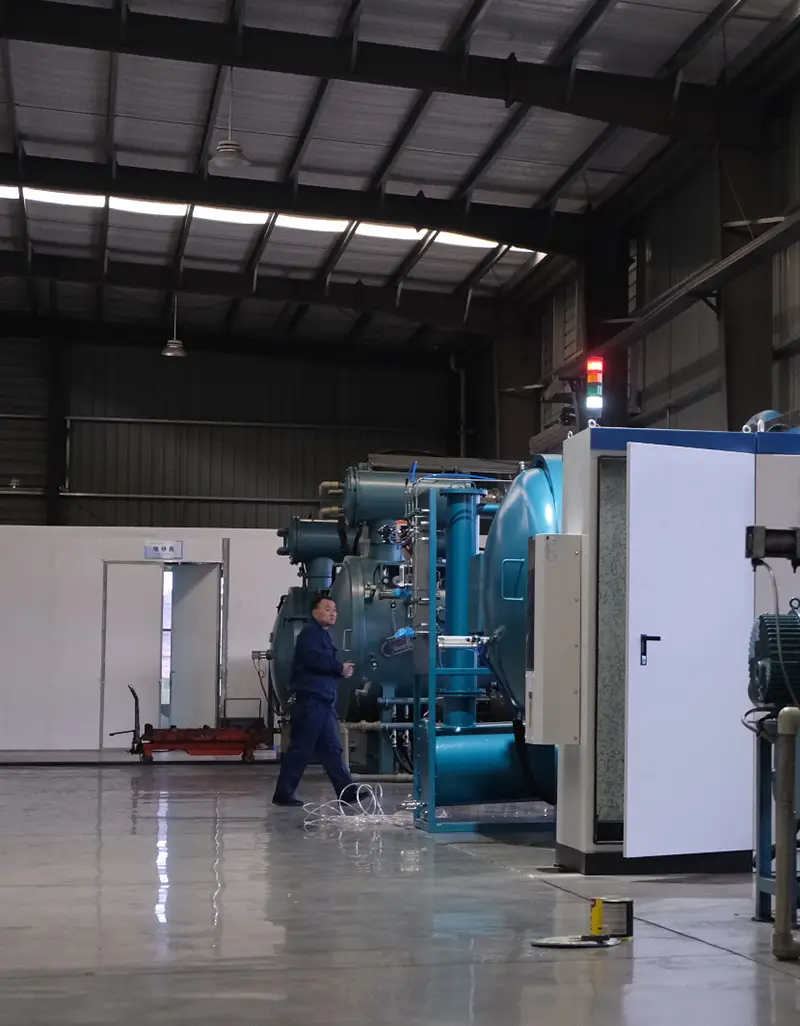 Wholesale Cutting Edges: A Distributor Buyer ChecklistDistributor, wholesale and supply-chain sourcingBuilding a Wear Parts Distributor Programme: From Terms to SupportDistributor, wholesale and supply-chain sourcing